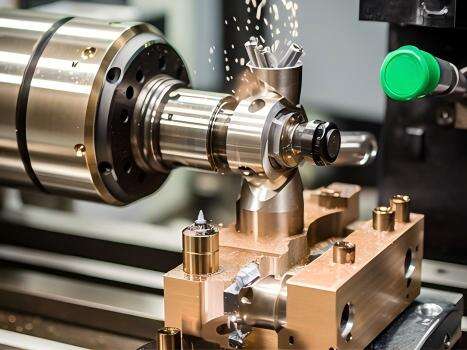
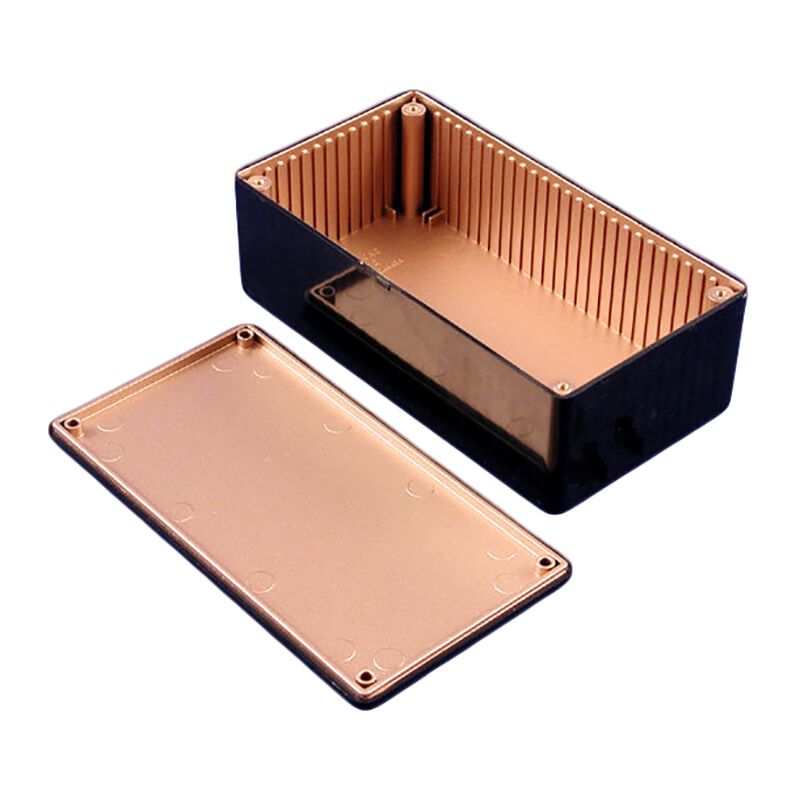
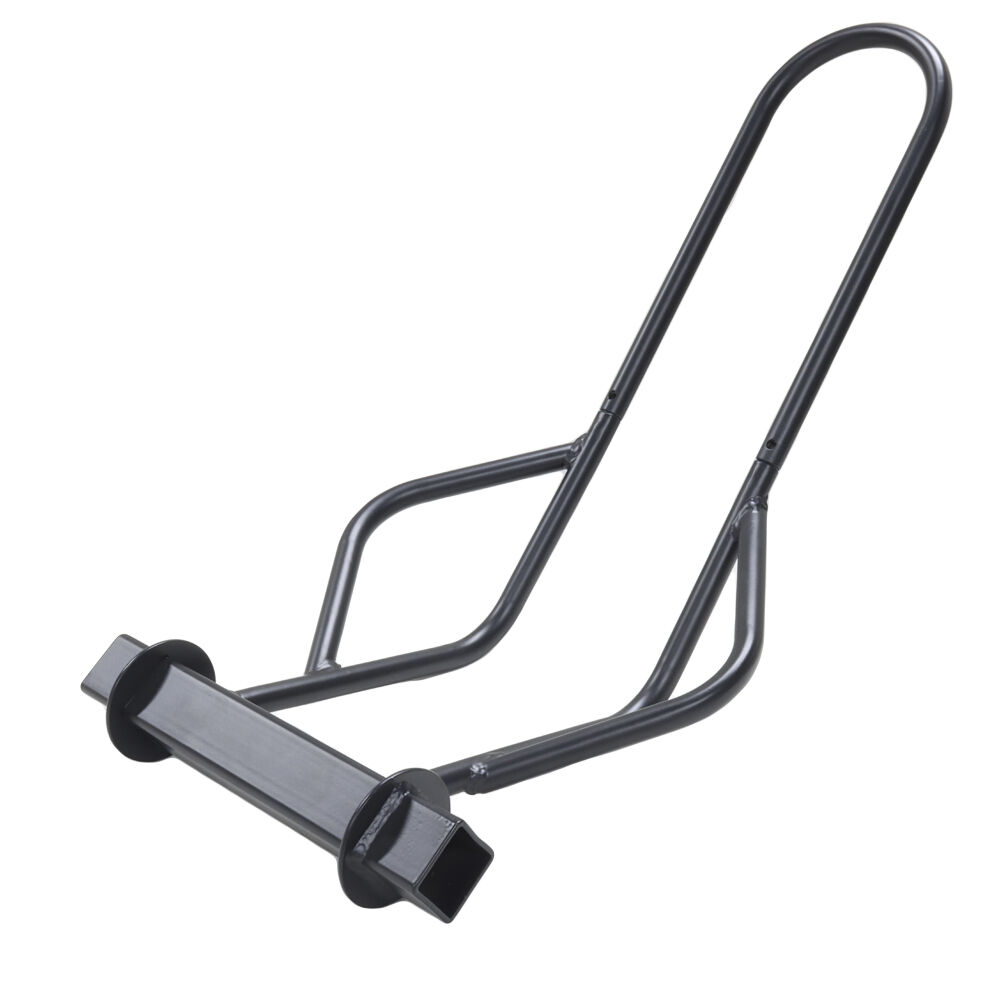
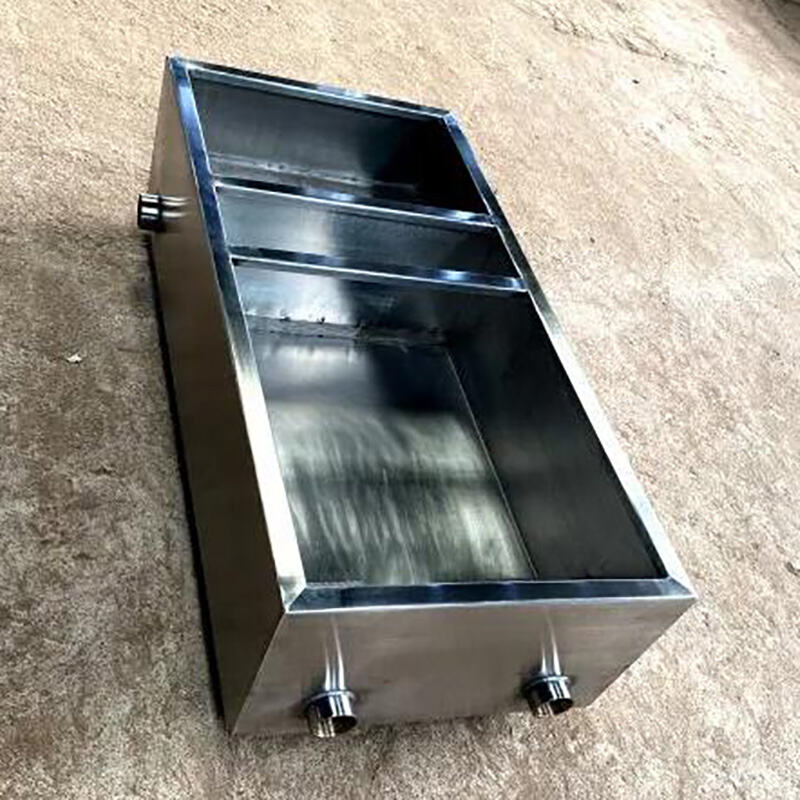
Premium Steel Stamping Parts - Precision Manufacturing Solutions for Industrial Applications

Get a Free Quote

Our engineers will provide you with a professional reply.
Your Name
Mobile
Email Address
WhatsApp
Subject
Attachment
Upload drawings or 3D model to see instant pricing, lead time and DFM feedback.
Up to 3 files,more 30mb,support jpg、jpeg、png、pdf、doc、docx、xls、xlsx、csv、txt、stp、step、igs、x_t、dxf、prt、sldprt、sat、rar、zip
Message
0/1000

steel stamping parts

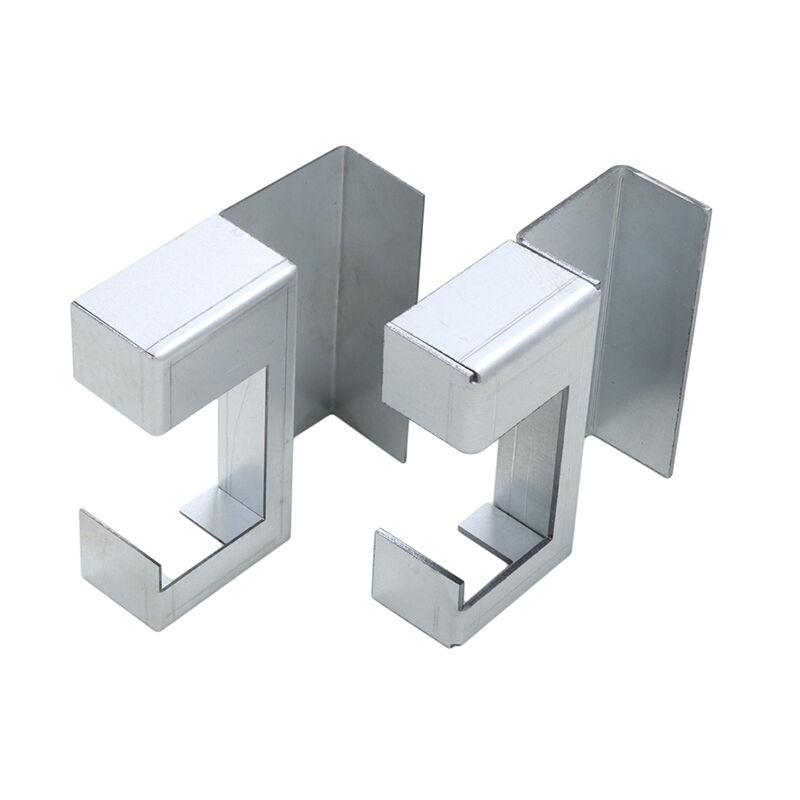
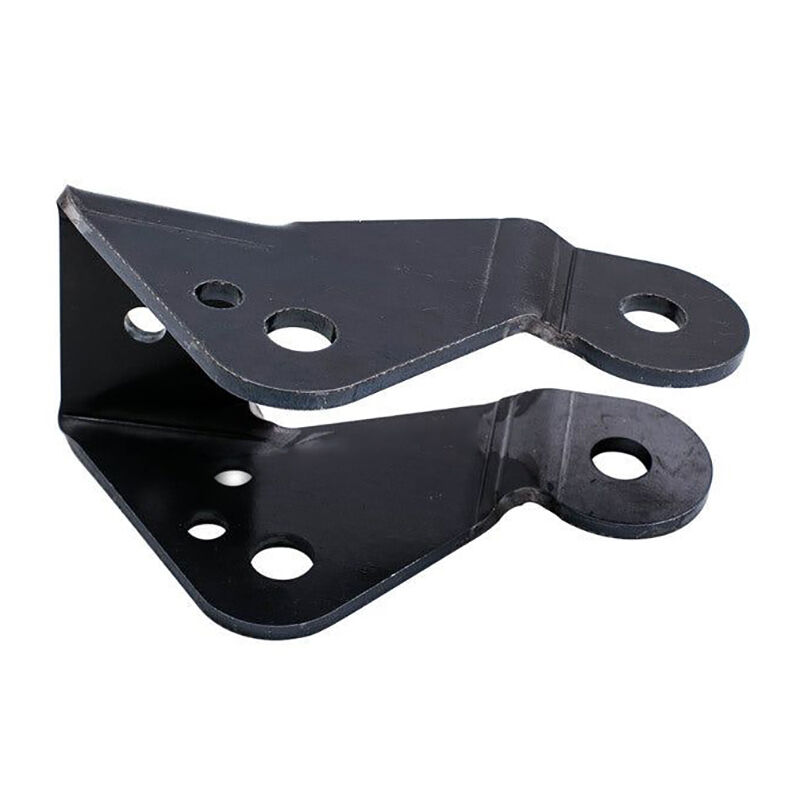
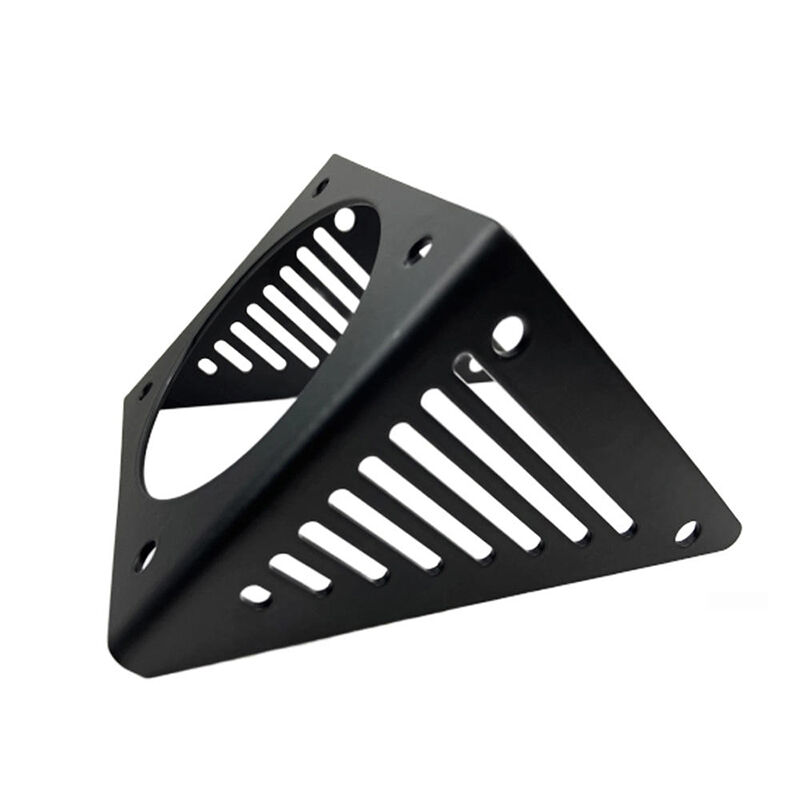
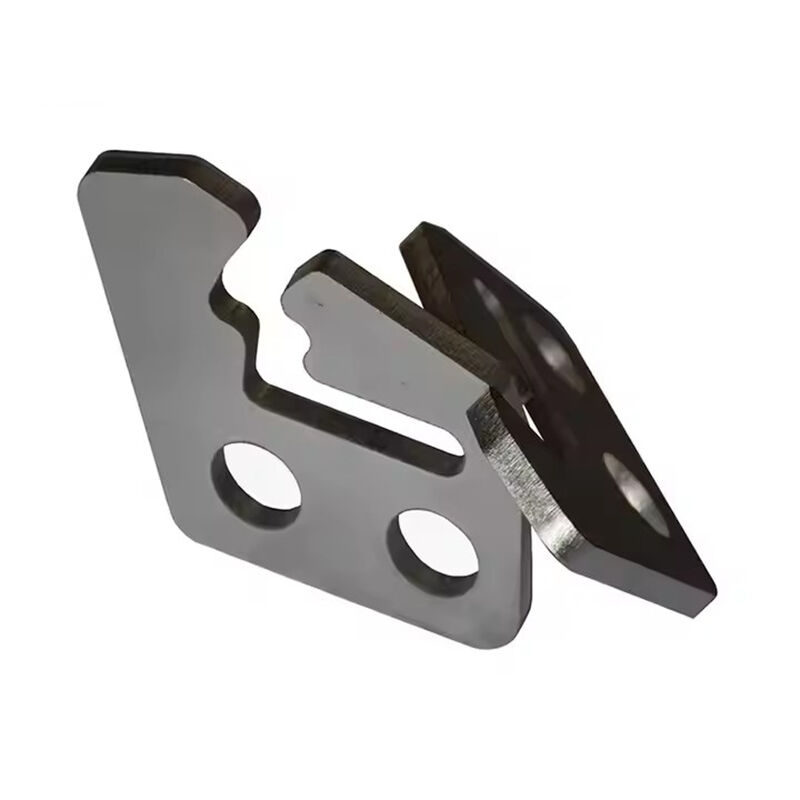
Steel stamping parts represent a fundamental manufacturing process that transforms flat sheet steel into three-dimensional components through the application of mechanical force and precision tooling. This cold-forming technique utilizes specialized dies and presses to shape, cut, bend, and form steel materials into desired configurations without the need for heat treatment. The steel stamping parts process involves placing sheet metal between a punch and die set, where controlled pressure creates permanent deformation to achieve specific geometric shapes and dimensional requirements. Modern steel stamping parts operations incorporate advanced hydraulic and mechanical presses capable of generating forces ranging from several tons to thousands of tons, enabling the production of components with exceptional accuracy and repeatability. The technological framework behind steel stamping parts encompasses progressive die stamping, transfer stamping, and single-stage operations, each designed to optimize production efficiency for different component complexities. Progressive die systems allow multiple operations to occur simultaneously as the material advances through sequential stations, making steel stamping parts ideal for high-volume production runs. The versatility of steel stamping parts extends across numerous grades of steel, including carbon steel, stainless steel, galvanized steel, and specialized alloys, each offering distinct mechanical properties suited for specific applications. Quality control measures in steel stamping parts manufacturing include dimensional inspection, surface finish evaluation, and material property verification to ensure components meet rigorous industry standards. The precision achievable through steel stamping parts processes typically ranges from ±0.001 to ±0.005 inches, depending on material thickness, part geometry, and tooling sophistication, making this manufacturing method suitable for applications requiring tight tolerances and consistent part-to-part repeatability.

New Product Recommendations

Steel stamping parts offer exceptional cost efficiency that directly benefits manufacturers seeking to optimize their production budgets while maintaining superior quality standards. The high-speed nature of steel stamping parts production allows companies to manufacture thousands of components per hour, significantly reducing per-unit costs compared to alternative manufacturing methods such as machining or casting. This economic advantage becomes particularly pronounced in high-volume applications where steel stamping parts can leverage economies of scale to deliver substantial savings on material utilization and labor costs. The precision inherent in steel stamping parts manufacturing eliminates the need for extensive secondary operations, reducing handling time and associated labor expenses while ensuring consistent dimensional accuracy across entire production runs. Steel stamping parts demonstrate remarkable material efficiency through optimized nesting patterns and minimal waste generation, allowing manufacturers to maximize raw material utilization and reduce scrap costs. The durability characteristics of steel stamping parts provide long-term value through extended service life and reduced maintenance requirements, making them ideal for applications subjected to mechanical stress, environmental exposure, and repeated loading cycles. The strength-to-weight ratio achieved through steel stamping parts surpasses many alternative materials, enabling designers to create components that meet structural requirements while minimizing overall system weight and associated costs. Quality consistency represents another significant advantage of steel stamping parts, as the controlled manufacturing environment ensures uniform material properties and dimensional characteristics throughout production batches. The flexibility of steel stamping parts processes accommodates rapid design modifications and prototype development, allowing companies to respond quickly to market demands and engineering changes without substantial tooling investments. Steel stamping parts manufacturing supports lean production principles through reduced inventory requirements, shorter lead times, and just-in-time delivery capabilities that help manufacturers minimize working capital investments while maintaining production schedule flexibility.

Latest News

Custom Metal Fabrication for Agricultural Machinery

18

Aug

Custom Metal Fabrication for Agricultural Machinery

Project Overview Date: June 2024 - September 2024Industry: Agricultural MachineryClient: Jan TheilierLocation: Germany   Project Description We were approached by a leading agricultural machinery manufacturer to develop a series of custom m...
View More

Get a Free Quote

Our engineers will provide you with a professional reply.
Your Name
Mobile
Email Address
WhatsApp
Subject
Attachment
Upload drawings or 3D model to see instant pricing, lead time and DFM feedback.
Up to 3 files,more 30mb,suppor jpg、jpeg、png、pdf、doc、docx、xls、xlsx、csv、txt
Message
0/1000

steel stamping parts

Exceptional Dimensional Precision and Surface Quality

Exceptional Dimensional Precision and Surface Quality

Steel stamping parts achieve unparalleled dimensional accuracy through advanced tooling design and precision press control systems that consistently deliver components within extremely tight tolerance ranges. The manufacturing process utilizes computer-controlled presses equipped with servo-driven systems that monitor and adjust forming parameters in real-time, ensuring each steel stamping parts component meets exact specifications. This precision capability extends to complex geometries including intricate bends, detailed cutouts, and multi-level forming operations that would be challenging or impossible to achieve through other manufacturing methods. The surface quality of steel stamping parts benefits from the cold-forming process, which work-hardens the material and creates smooth, consistent finishes that often eliminate the need for additional surface treatments. Advanced die designs incorporate specialized coatings and surface treatments that minimize friction during the forming process, resulting in steel stamping parts with superior surface integrity and reduced tool marks. The dimensional stability of steel stamping parts remains consistent throughout extended production runs due to the rigid tooling systems and controlled forming environment, ensuring that the first part matches the ten-thousandth part in terms of dimensional accuracy and surface characteristics. Quality assurance protocols for steel stamping parts include coordinate measuring machine verification, surface roughness testing, and statistical process control monitoring that validates dimensional conformance and surface quality parameters. The precision achievable through steel stamping parts manufacturing enables direct assembly applications without additional machining or finishing operations, reducing production time and associated costs while maintaining component functionality and aesthetic requirements. This level of precision makes steel stamping parts particularly valuable in industries such as electronics, automotive, and medical devices where dimensional accuracy directly impacts product performance and reliability.
Superior Material Properties and Performance Characteristics

Superior Material Properties and Performance Characteristics

Steel stamping parts exhibit enhanced mechanical properties that result from the cold-working effects inherent in the stamping process, creating components with improved strength, hardness, and fatigue resistance compared to their original sheet material state. The plastic deformation occurring during steel stamping parts formation realigns the material's grain structure, creating directional strength characteristics that can be optimized for specific loading conditions and stress patterns. This work-hardening phenomenon increases the yield strength and ultimate tensile strength of steel stamping parts, enabling thinner material gauges to achieve equivalent performance levels compared to thicker sections of unstamped material. The controlled deformation process in steel stamping parts manufacturing preserves material integrity while introducing beneficial residual stresses that enhance resistance to crack propagation and improve overall component durability. Different steel grades used in steel stamping parts production offer distinct property combinations, from high-strength low-alloy steels providing excellent strength-to-weight ratios to stainless steel grades offering superior corrosion resistance and elevated temperature performance. The forming process for steel stamping parts can be optimized to take advantage of material anisotropy, orienting grain flow directions to maximize strength in critical stress areas while maintaining formability in regions requiring complex geometries. Heat treatment options for steel stamping parts include stress relieving, tempering, and specialized thermal processing that can further enhance material properties for specific applications requiring particular hardness levels or stress distribution characteristics. The consistency of material properties across steel stamping parts production batches ensures reliable performance in critical applications where component failure could result in significant safety or economic consequences. Environmental resistance characteristics of steel stamping parts can be enhanced through various coating systems, plating processes, and surface treatments that provide protection against corrosion, wear, and chemical exposure while maintaining the underlying mechanical properties of the base material.
Versatile Design Flexibility and Manufacturing Scalability

Versatile Design Flexibility and Manufacturing Scalability

Steel stamping parts manufacturing offers unprecedented design flexibility that accommodates complex geometries, intricate features, and multi-functional component integration within single-piece solutions. The adaptability of steel stamping parts processes enables engineers to incorporate features such as mounting holes, reinforcement ribs, embossed identification marks, and decorative elements without requiring separate manufacturing operations or assembly procedures. Progressive die systems used in steel stamping parts production can execute multiple forming operations including cutting, bending, drawing, coining, and piercing in sequential stations, creating complex components that would require numerous individual operations using conventional manufacturing methods. The scalability of steel stamping parts production seamlessly transitions from prototype quantities to high-volume manufacturing without fundamental process changes, allowing companies to validate designs through small-scale production before committing to full-scale manufacturing investments. Design optimization for steel stamping parts leverages advanced computer simulation software that predicts material flow, identifies potential forming issues, and optimizes die design before physical tooling construction, reducing development time and ensuring successful production outcomes. The modular tooling concepts used in steel stamping parts manufacturing enable rapid changeovers between different part configurations, supporting lean manufacturing principles and just-in-time production strategies that minimize inventory requirements and respond quickly to demand fluctuations. Customization capabilities for steel stamping parts extend to material selection, surface treatments, secondary operations, and packaging requirements that meet specific customer specifications and industry standards. The manufacturing scalability of steel stamping parts supports global production strategies through technology transfer capabilities that enable consistent quality and performance characteristics across multiple manufacturing locations. Integration opportunities for steel stamping parts include in-die tapping, insertion of fasteners or inserts, and combination with other materials through overmolding or bonding processes that create hybrid components with enhanced functionality and reduced assembly requirements. The continuous improvement potential inherent in steel stamping parts manufacturing allows for ongoing optimization of tooling design, process parameters, and quality control measures that drive cost reductions and performance enhancements throughout the product lifecycle.

Get a Free Quote

Our engineers will provide you with a professional reply.
Your Name
Mobile
Email Address
WhatsApp
Subject
Attachment
Upload drawings or 3D model to see instant pricing, lead time and DFM feedback.
Up to 3 files,more 30mb,support jpg、jpeg、png、pdf、doc、docx、xls、xlsx、csv、txt、stp、step、igs、x_t、dxf、prt、sldprt、sat、rar、zip
Message
0/1000