Premium Aluminium Stamping Parts - Precision Manufactured Components for Industrial Applications

Get a Free Quote

Our engineers will provide you with a professional reply.
Your Name
Mobile
Email Address
WhatsApp
Subject
Attachment
Upload drawings or 3D model to see instant pricing, lead time and DFM feedback.
Up to 3 files,more 30mb,support jpg、jpeg、png、pdf、doc、docx、xls、xlsx、csv、txt、stp、step、igs、x_t、dxf、prt、sldprt、sat、rar、zip
Message
0/1000

aluminium stamping parts

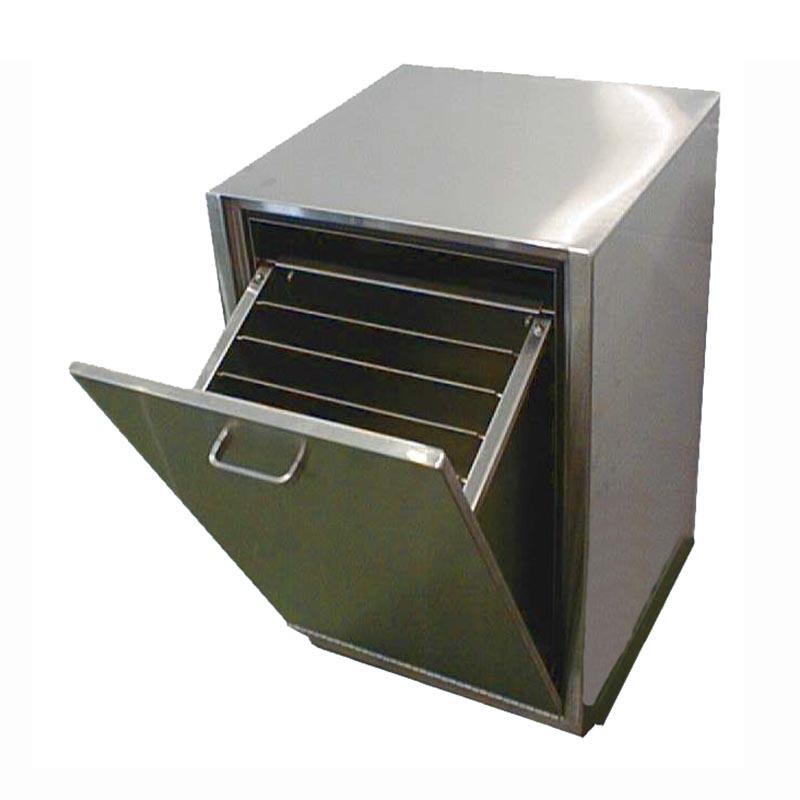
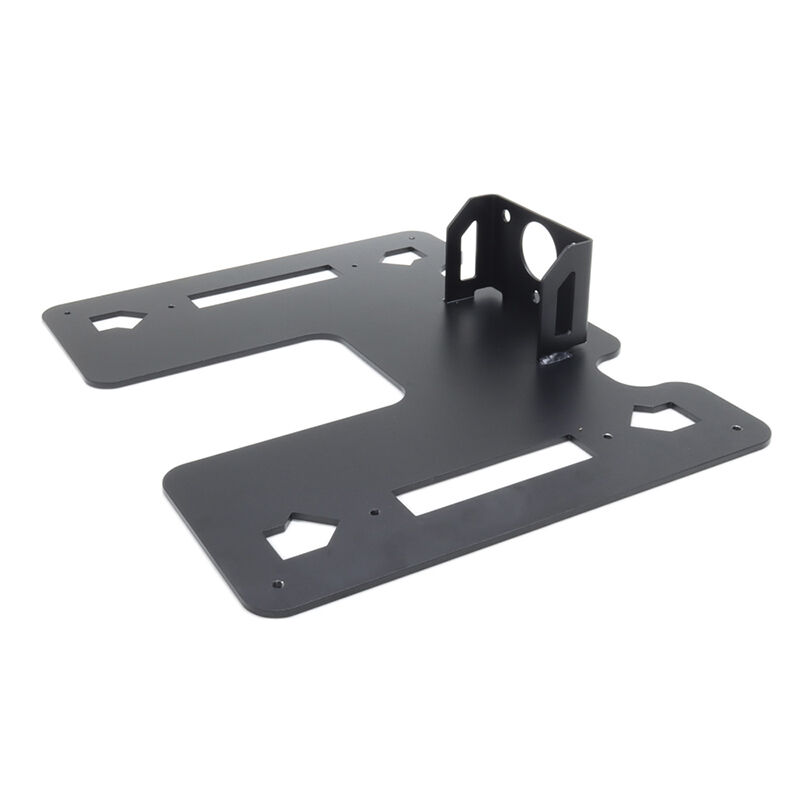
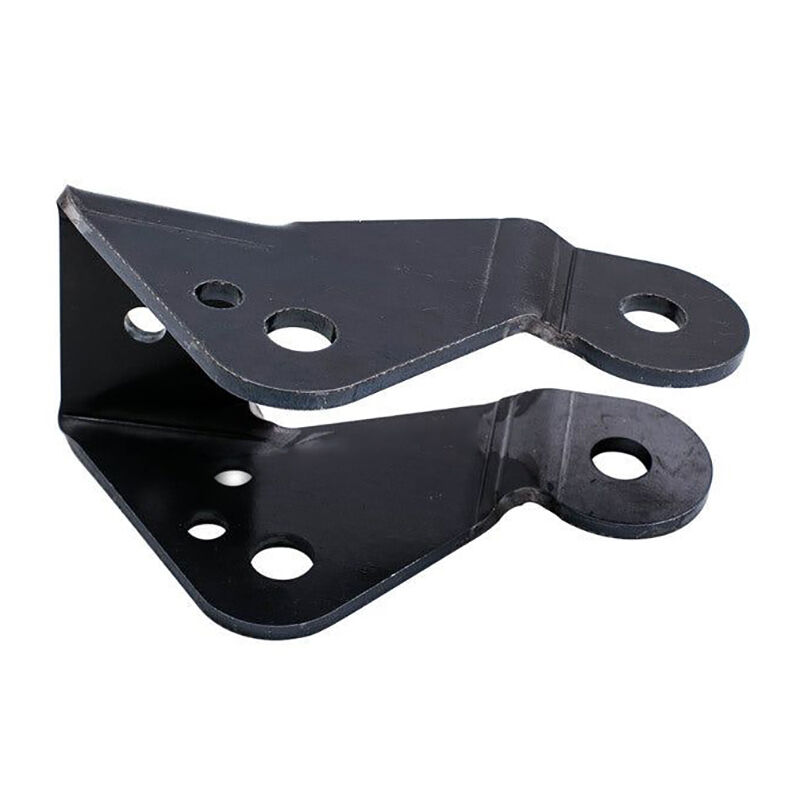
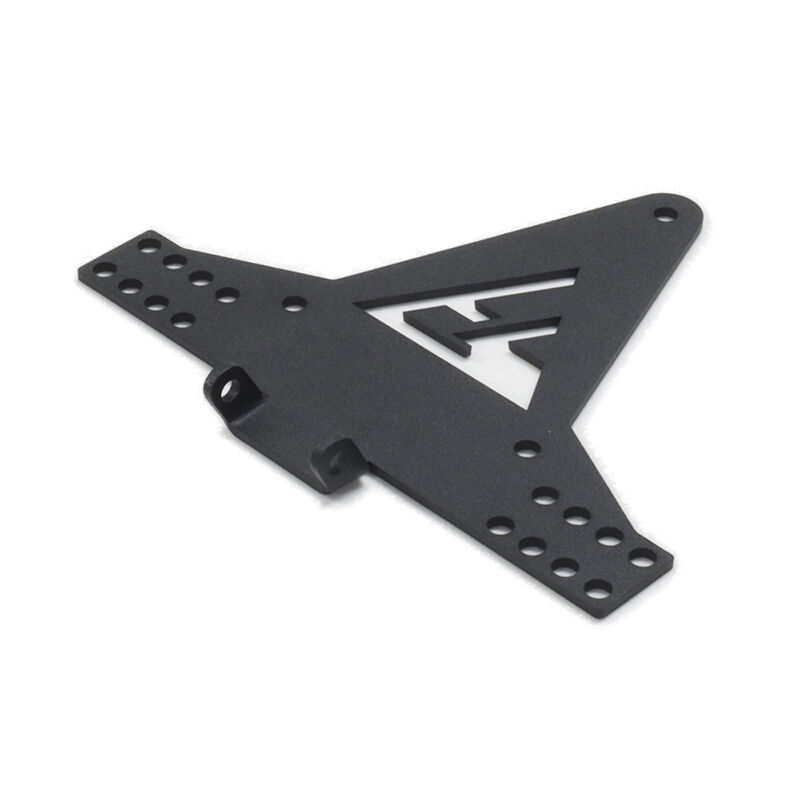
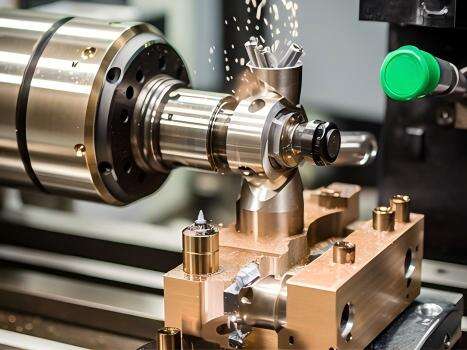
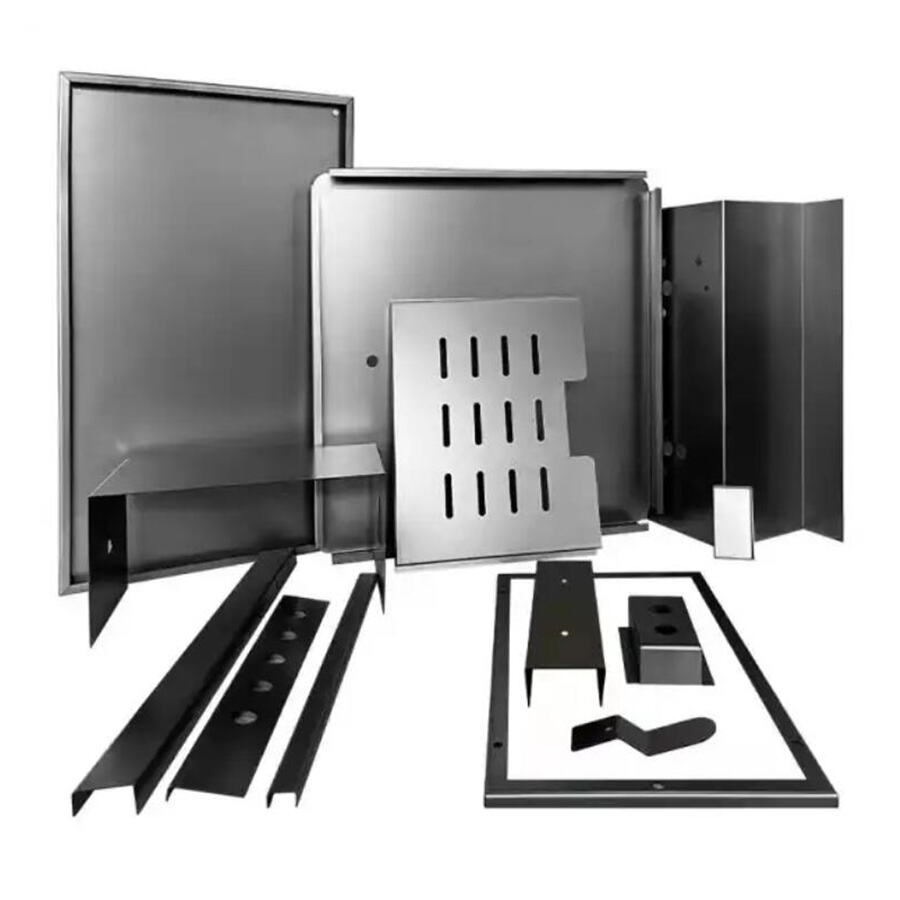
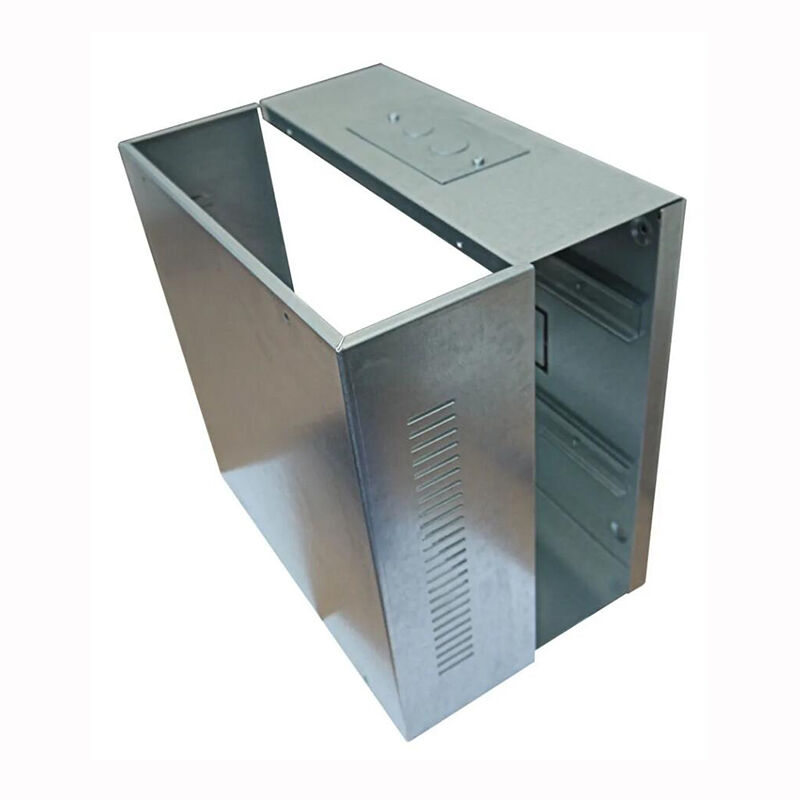
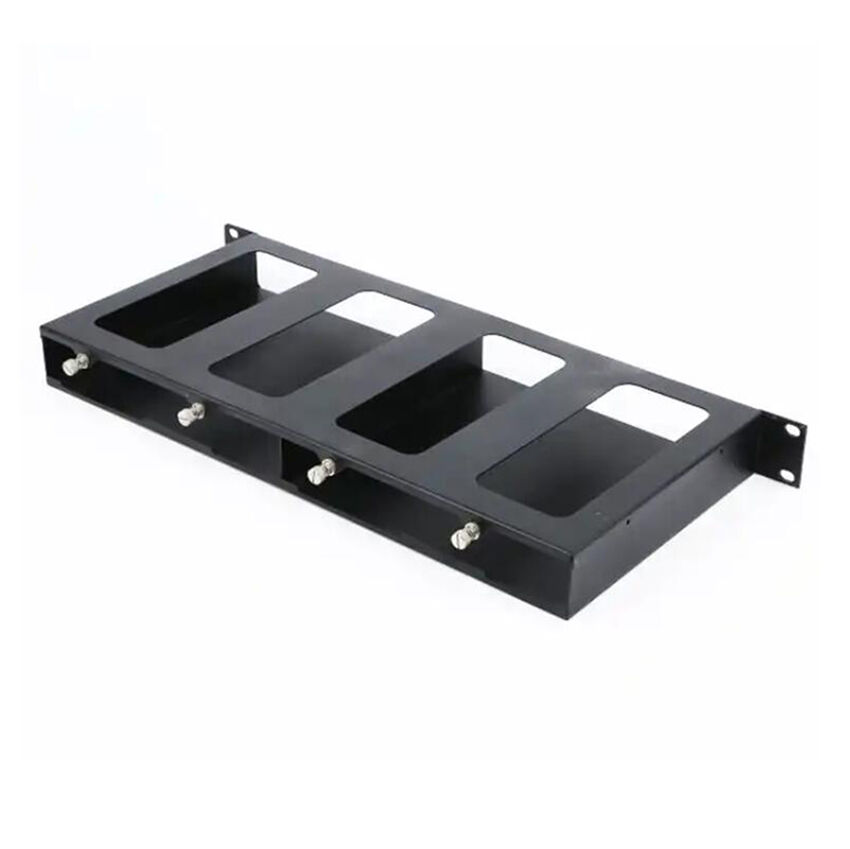
Aluminium stamping parts represent a cornerstone of modern manufacturing, offering precision-engineered components through advanced metalworking processes. These specialized components are created using high-pressure stamping techniques that transform flat aluminium sheets into complex three-dimensional shapes with exceptional accuracy and consistency. The stamping process involves placing aluminium material into specially designed dies and applying tremendous force to shape the metal into desired configurations, creating parts that meet exact specifications for various industrial applications. Aluminium stamping parts serve multiple critical functions across diverse industries, primarily providing structural support, electrical conductivity, and corrosion resistance in demanding environments. Their lightweight nature combined with superior strength makes them ideal for applications where weight reduction is essential without compromising performance integrity. The technological features of aluminium stamping parts include excellent dimensional stability, superior surface finish quality, and remarkable consistency across large production runs. Advanced stamping technologies enable the creation of intricate geometries, including complex curves, deep draws, and precise holes that would be difficult or impossible to achieve through alternative manufacturing methods. These components maintain tight tolerances, typically within micrometers, ensuring perfect fit and function in assembly applications. The versatility of aluminium stamping parts extends across numerous sectors, including automotive manufacturing, aerospace engineering, electronics production, construction hardware, and consumer appliances. In automotive applications, these parts contribute to vehicle lightweighting initiatives while maintaining structural integrity and safety standards. Electronics manufacturers rely on aluminium stamping parts for heat dissipation, electromagnetic shielding, and component housing solutions. The construction industry utilizes these components for architectural elements, window frames, and structural reinforcements. Their exceptional formability allows manufacturers to create everything from simple brackets and housings to complex multi-formed components with integrated features, making aluminium stamping parts an indispensable solution for modern manufacturing challenges.

New Product Recommendations

Aluminium stamping parts deliver exceptional value through their unique combination of performance characteristics and manufacturing advantages that directly benefit end users. The lightweight properties of these components significantly reduce overall product weight, leading to improved fuel efficiency in vehicles, easier handling during installation, and reduced shipping costs for manufacturers and customers alike. This weight reduction capability translates into real cost savings throughout the product lifecycle while maintaining the structural integrity required for demanding applications. The corrosion resistance inherent in aluminium stamping parts eliminates the need for additional protective coatings in many environments, reducing maintenance requirements and extending service life substantially. This natural resistance to oxidation and environmental degradation means products incorporating these components require less frequent replacement and repair, resulting in lower total ownership costs for end users. The excellent thermal conductivity of aluminium stamping parts provides superior heat dissipation capabilities, making them ideal for electronic applications where temperature management is critical for optimal performance and longevity. This thermal performance helps prevent overheating issues that can lead to component failure and costly downtime. Manufacturing efficiency represents another significant advantage, as aluminium stamping parts can be produced at high speeds with consistent quality, enabling cost-effective mass production that keeps prices competitive for customers. The stamping process itself generates minimal waste compared to machining operations, contributing to environmental sustainability while reducing material costs. The exceptional formability of aluminium allows for the creation of complex shapes in single operations, eliminating the need for multiple manufacturing steps and reducing production time. This streamlined manufacturing approach results in faster delivery times and lower production costs that benefit customers directly. Aluminium stamping parts also offer superior electrical conductivity properties, making them excellent choices for electronic applications requiring reliable signal transmission or grounding capabilities. The recyclability of aluminium adds another layer of value, as these components can be recycled indefinitely without losing their fundamental properties, supporting sustainable manufacturing practices and reducing environmental impact. These combined advantages make aluminium stamping parts an intelligent choice for manufacturers seeking to optimize performance while controlling costs and supporting sustainability initiatives.

Latest News

Custom Metal Fabrication for Agricultural Machinery

18

Aug

Custom Metal Fabrication for Agricultural Machinery

Project Overview Date: June 2024 - September 2024Industry: Agricultural MachineryClient: Jan TheilierLocation: Germany   Project Description We were approached by a leading agricultural machinery manufacturer to develop a series of custom m...
View More

Get a Free Quote

Our engineers will provide you with a professional reply.
Your Name
Mobile
Email Address
WhatsApp
Subject
Attachment
Upload drawings or 3D model to see instant pricing, lead time and DFM feedback.
Up to 3 files,more 30mb,suppor jpg、jpeg、png、pdf、doc、docx、xls、xlsx、csv、txt
Message
0/1000

aluminium stamping parts

Superior Strength-to-Weight Ratio Performance

Superior Strength-to-Weight Ratio Performance

The exceptional strength-to-weight ratio of aluminium stamping parts represents one of their most compelling advantages, offering customers the perfect balance between structural integrity and weight optimization. This unique characteristic stems from aluminium's inherent properties, where the material provides impressive tensile strength while weighing approximately one-third less than steel alternatives. For manufacturers and end users, this translates into significant performance improvements across multiple applications. In automotive manufacturing, aluminium stamping parts contribute to vehicle lightweighting strategies that improve fuel economy and reduce emissions without compromising safety or durability standards. The reduced weight allows vehicles to accelerate more efficiently, brake more effectively, and handle with improved responsiveness, directly benefiting consumers through enhanced driving experiences and lower fuel costs. Aerospace applications particularly benefit from this strength-to-weight advantage, where every gram saved translates into improved flight efficiency and increased payload capacity. The ability to maintain structural integrity while reducing component weight enables aircraft manufacturers to optimize performance characteristics and operational costs simultaneously. In consumer electronics, aluminium stamping parts provide robust protection for sensitive components while keeping devices lightweight and portable, meeting consumer demands for both durability and convenience. The construction industry leverages this advantage to create architectural elements that are both structurally sound and easy to install, reducing labor costs and installation time while maintaining long-term performance. Manufacturing equipment benefits from reduced inertial forces when using aluminium stamping parts, leading to improved precision and reduced wear on mechanical systems. This performance enhancement extends equipment life and reduces maintenance requirements, providing measurable cost savings over time. The strength-to-weight ratio also contributes to improved shipping efficiency, as lighter components reduce transportation costs and enable more efficient packaging solutions. This advantage becomes particularly significant for high-volume applications where shipping costs can substantially impact total product costs, making aluminium stamping parts an economically attractive choice for manufacturers and customers seeking to optimize their supply chain efficiency while maintaining product performance standards.
Exceptional Corrosion Resistance and Durability

Exceptional Corrosion Resistance and Durability

The outstanding corrosion resistance of aluminium stamping parts provides customers with long-lasting performance and reduced maintenance requirements, making them an exceptionally cost-effective choice for demanding environments. This inherent resistance to corrosion stems from aluminium's natural ability to form a protective oxide layer when exposed to oxygen, creating a barrier that prevents further oxidation and degradation. This self-protecting characteristic ensures that aluminium stamping parts maintain their structural integrity and aesthetic appearance even in challenging conditions, including marine environments, industrial settings, and outdoor applications where exposure to moisture, chemicals, and temperature variations is common. For customers, this translates into significantly reduced lifecycle costs through decreased maintenance requirements and extended component service life. Unlike ferrous materials that require regular coating and treatment to prevent rust and deterioration, aluminium stamping parts maintain their performance characteristics with minimal intervention, reducing both direct maintenance costs and indirect costs associated with equipment downtime. Marine applications particularly benefit from this corrosion resistance, where saltwater exposure would rapidly degrade alternative materials, making aluminium stamping parts essential for boat building, offshore equipment, and coastal infrastructure projects. Chemical processing facilities rely on this durability to maintain safe and efficient operations, as these components resist degradation from exposure to various chemicals and corrosive substances. The food processing industry values this characteristic for maintaining sanitary conditions and meeting strict regulatory requirements, as aluminium stamping parts resist bacterial growth and maintain their integrity through repeated cleaning cycles with harsh sanitizing chemicals. Architectural applications benefit from the long-term aesthetic appeal that corrosion resistance provides, as building components maintain their appearance without costly refinishing or replacement cycles. The durability extends to dimensional stability, where aluminium stamping parts resist warping, cracking, and other forms of degradation that could compromise fit and function over time. This reliability ensures consistent performance throughout the product lifecycle, providing customers with predictable operation and reduced risk of unexpected failures that could result in costly repairs or system downtime.
Precision Manufacturing and Consistent Quality

Precision Manufacturing and Consistent Quality

The precision manufacturing capabilities inherent in aluminium stamping parts production deliver exceptional quality consistency that customers can rely on for their most demanding applications. Advanced stamping technologies enable the creation of components with incredibly tight tolerances, often measured in micrometers, ensuring perfect fit and function in complex assemblies where precision is critical for optimal performance. This level of precision stems from the controlled nature of the stamping process, where computer-controlled equipment applies exact pressures and positioning to create identical components across large production runs. For manufacturers, this consistency eliminates the variability that can plague other manufacturing methods, reducing quality control costs and minimizing rejection rates. The repeatability of the stamping process ensures that each aluminium stamping part meets identical specifications, regardless of production batch size or timing, providing customers with reliable supply chain continuity. This manufacturing precision enables the creation of complex geometries that would be difficult or impossible to achieve through alternative methods, including intricate curves, precise holes, integrated features, and multi-level forming operations completed in single production steps. The ability to incorporate multiple features into single components reduces assembly requirements and eliminates potential points of failure associated with multi-piece constructions. Quality control measures integrated throughout the stamping process monitor dimensional accuracy, surface finish, and material properties continuously, ensuring that every component meets specified requirements before shipment. This comprehensive quality assurance approach provides customers with confidence in component reliability and reduces incoming inspection requirements at their facilities. The precision extends to surface finish quality, where stamping operations can achieve smooth, consistent surfaces that meet both functional and aesthetic requirements without secondary finishing operations. This capability reduces production time and costs while delivering components ready for immediate use or further processing. Tool and die precision ensures dimensional stability across extended production runs, maintaining consistent quality even when producing millions of components. The manufacturing precision also enables efficient material utilization, minimizing waste and reducing costs that benefit customers through competitive pricing. Advanced stamping techniques can create components with varying thickness profiles, reinforcement features, and integrated assembly points that enhance functionality while maintaining manufacturing efficiency and cost-effectiveness for high-volume production requirements.

Get a Free Quote

Our engineers will provide you with a professional reply.
Your Name
Mobile
Email Address
WhatsApp
Subject
Attachment
Upload drawings or 3D model to see instant pricing, lead time and DFM feedback.
Up to 3 files,more 30mb,support jpg、jpeg、png、pdf、doc、docx、xls、xlsx、csv、txt、stp、step、igs、x_t、dxf、prt、sldprt、sat、rar、zip
Message
0/1000