Premium Copper Stamping Parts - High-Performance Electrical Components & Precision Metal Stamping Solutions

Get a Free Quote

Our engineers will provide you with a professional reply.
Your Name
Mobile
Email Address
WhatsApp
Subject
Attachment
Upload drawings or 3D model to see instant pricing, lead time and DFM feedback.
Up to 3 files,more 30mb,support jpg、jpeg、png、pdf、doc、docx、xls、xlsx、csv、txt、stp、step、igs、x_t、dxf、prt、sldprt、sat、rar、zip
Message
0/1000

copper stamping parts

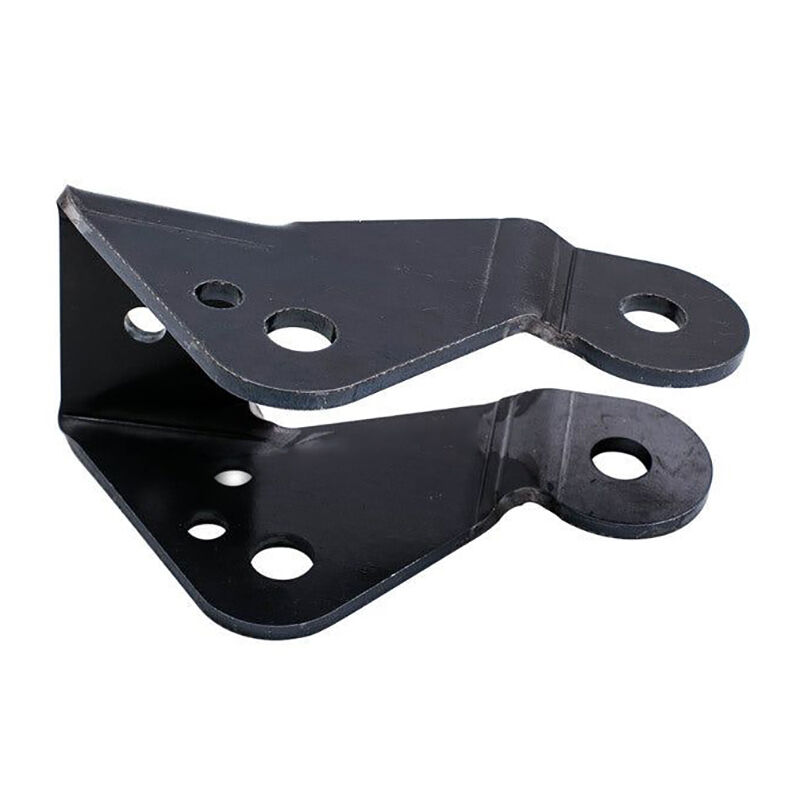
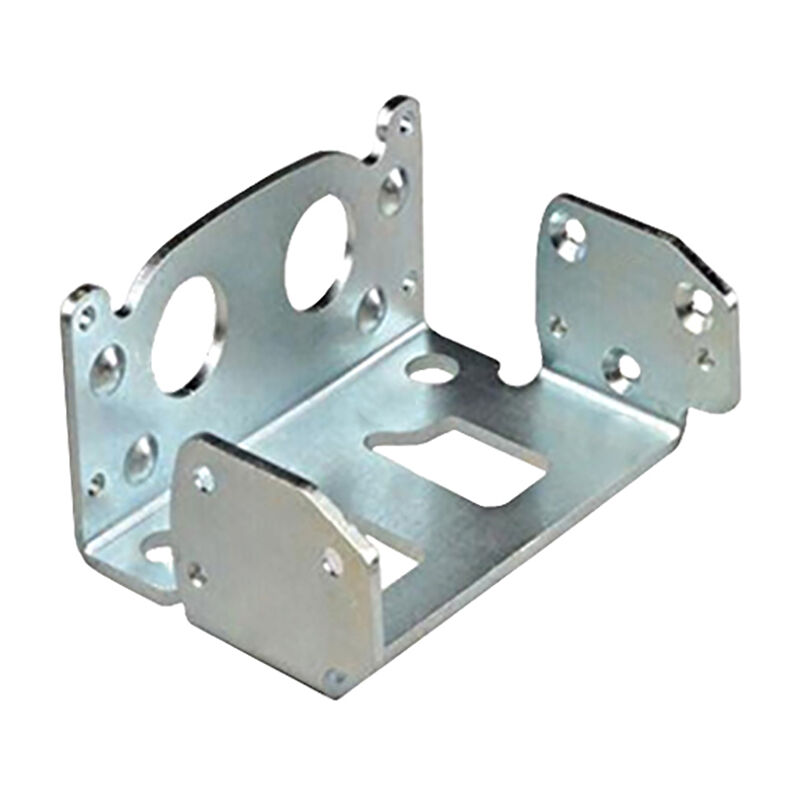
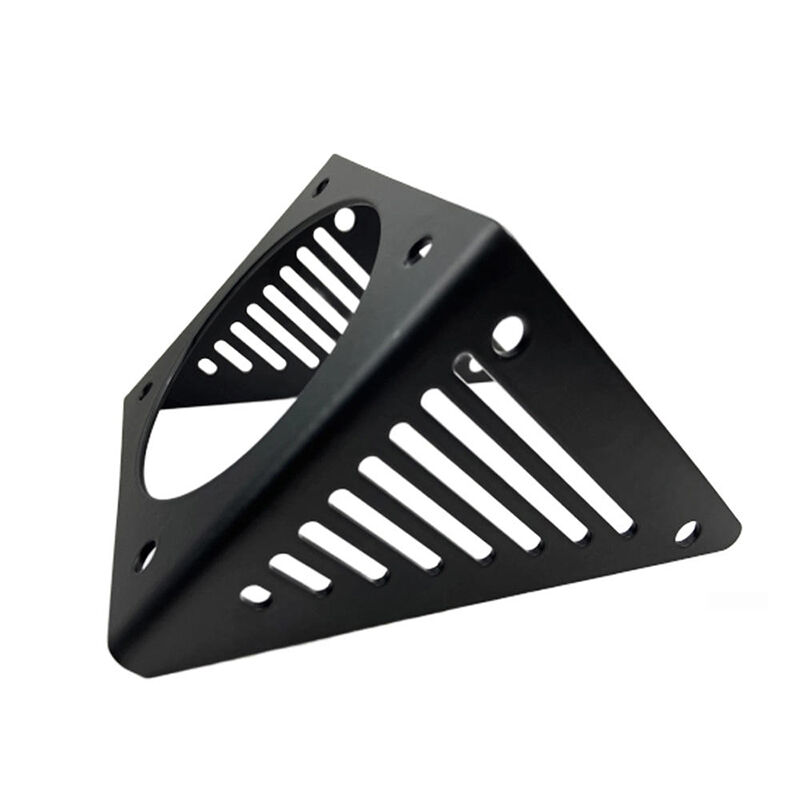
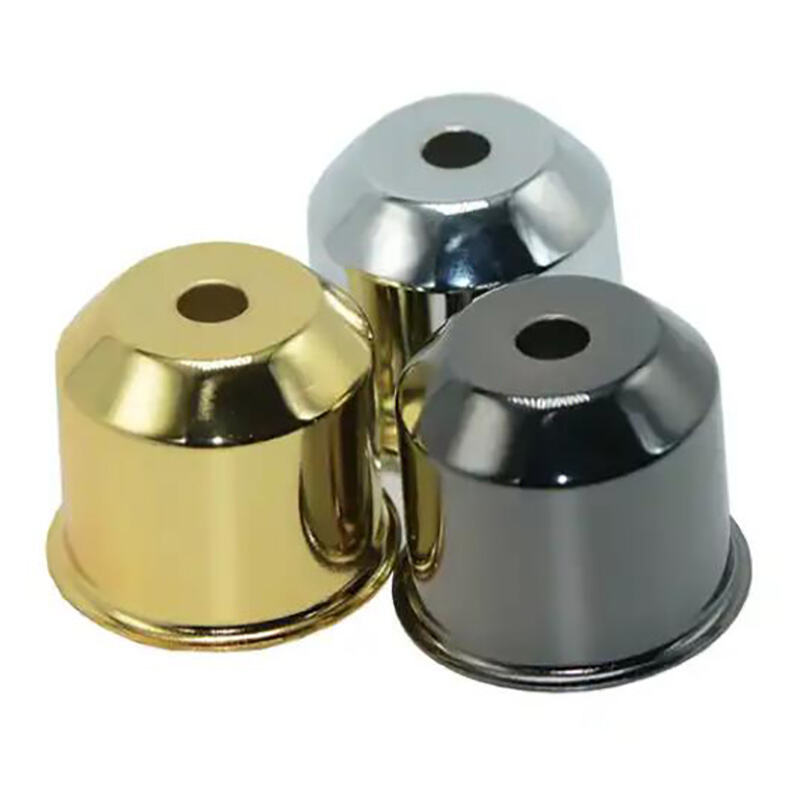
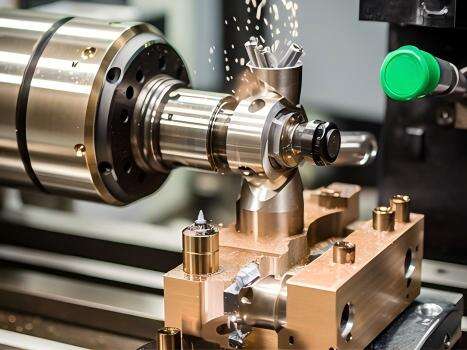
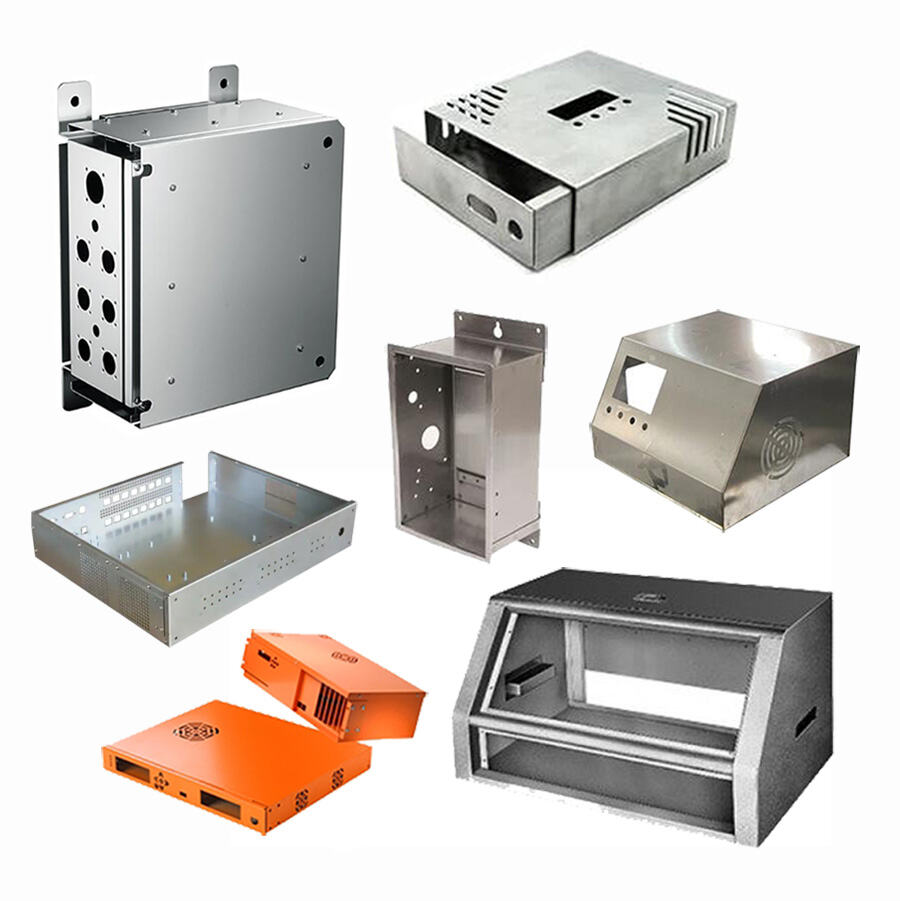
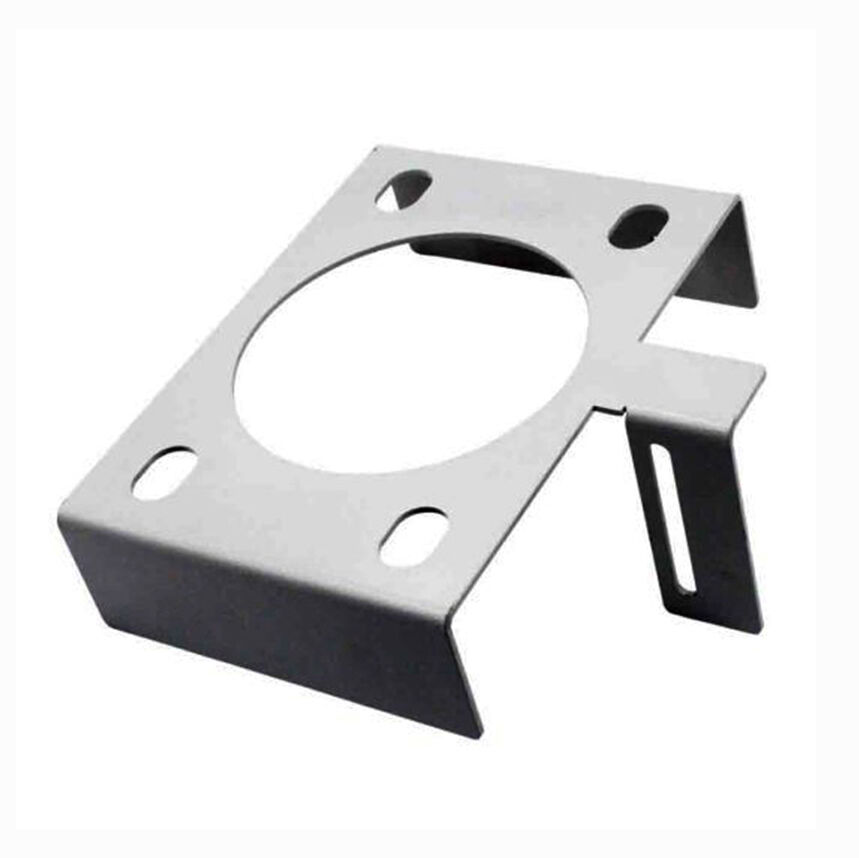
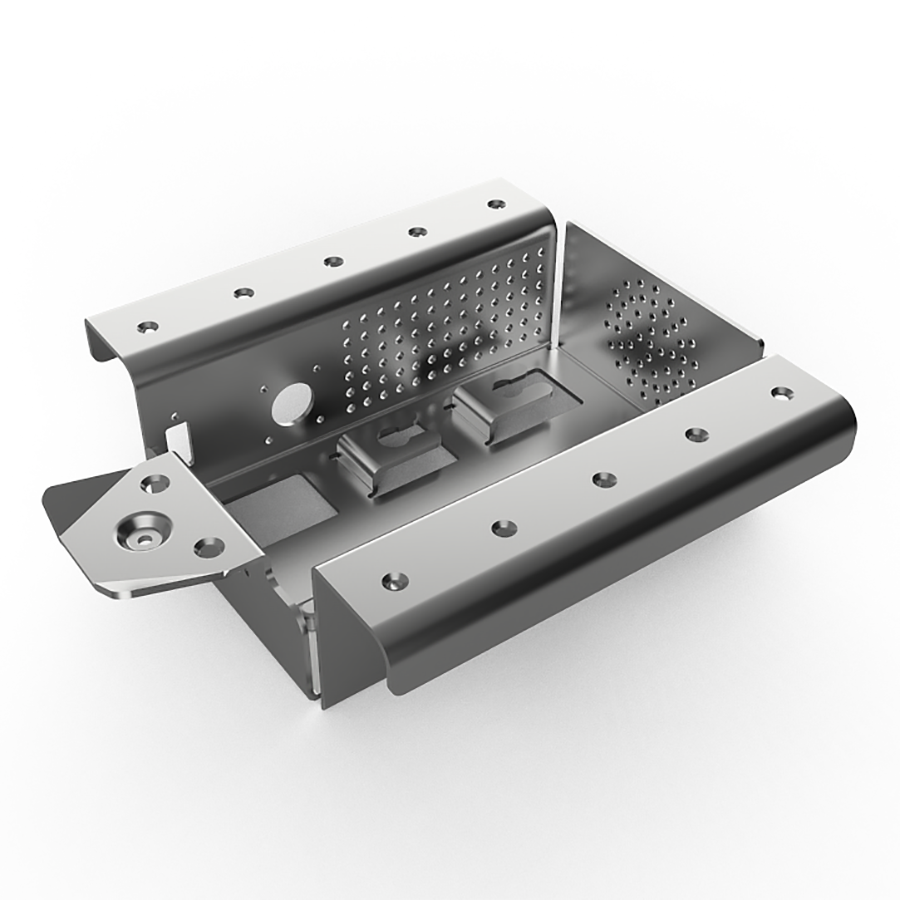
Copper stamping parts represent a fundamental component in modern manufacturing, combining the exceptional properties of copper with precision stamping technology to create versatile metalworking solutions. These specialized components are manufactured through a controlled stamping process that shapes copper sheets and blanks into specific configurations using high-pressure dies and punches. The copper stamping parts industry has evolved significantly, incorporating advanced manufacturing techniques that ensure dimensional accuracy, surface quality, and mechanical integrity. Copper's inherent characteristics make it an ideal material for stamping operations, offering excellent malleability, ductility, and thermal conductivity properties that facilitate precise forming operations. The primary functions of copper stamping parts extend across multiple industrial sectors, serving as electrical contacts, heat transfer components, decorative elements, and structural connectors. These parts demonstrate remarkable versatility in applications ranging from automotive electrical systems to consumer electronics, telecommunications equipment, and architectural hardware. The technological features of copper stamping parts include superior electrical conductivity, corrosion resistance, antimicrobial properties, and excellent formability characteristics. Modern stamping facilities utilize progressive die systems, transfer presses, and computer-controlled equipment to produce copper stamping parts with tight tolerances and consistent quality standards. The manufacturing process involves material selection, die design, stamping operations, finishing treatments, and quality inspection procedures that ensure optimal performance characteristics. Copper stamping parts can be produced in various grades and alloys, including pure copper, brass, bronze, and specialized copper alloys designed for specific applications. Surface treatments such as plating, coating, and finishing enhance the functional and aesthetic properties of these components. The dimensional capabilities of copper stamping parts range from micro-components measuring fractions of millimeters to large structural elements spanning several inches, demonstrating the flexibility and scalability of stamping technology when applied to copper materials.

Popular Products

Copper stamping parts deliver exceptional value through their superior electrical conductivity properties, making them indispensable for electrical and electronic applications where reliable current transfer is critical. The electrical conductivity of copper exceeds that of most other metals, ensuring minimal power loss and optimal performance in electrical systems. This conductivity advantage translates directly into energy efficiency benefits for end users, reducing operational costs and improving system reliability. The corrosion resistance of copper stamping parts provides long-term durability in challenging environmental conditions, eliminating the need for frequent replacements and reducing maintenance expenses. Unlike ferrous materials that rust and degrade over time, copper develops a protective patina that actually enhances its corrosion resistance properties. This natural protection mechanism ensures that copper stamping parts maintain their functional integrity throughout extended service periods, delivering superior return on investment for customers. The antimicrobial properties of copper stamping parts offer unique health and safety benefits in medical, food service, and public facility applications. Scientific studies have demonstrated copper's ability to eliminate harmful bacteria, viruses, and fungi upon contact, making these parts valuable for applications where hygiene is paramount. This antimicrobial effectiveness reduces the risk of contamination and supports cleaner, safer environments without requiring additional chemical treatments or maintenance procedures. The malleability and ductility of copper enable complex geometric configurations in stamping operations, allowing manufacturers to create intricate designs that would be difficult or impossible with other materials. This formability advantage reduces manufacturing complexity, lowers production costs, and enables innovative product designs that meet specific customer requirements. The thermal conductivity of copper stamping parts makes them ideal for heat dissipation applications, preventing overheating and extending the lifespan of sensitive electronic components. The recyclability of copper stamping parts supports environmental sustainability initiatives while providing economic benefits through material recovery programs. Copper retains its properties through multiple recycling cycles, making it one of the most sustainable materials available for manufacturing applications. The precision achievable with copper stamping parts ensures consistent dimensional accuracy, reducing assembly time and improving product quality. The cost-effectiveness of copper stamping parts becomes evident when considering their longevity, performance characteristics, and reduced maintenance requirements compared to alternative materials.

Practical Tips

Custom Metal Fabrication for Agricultural Machinery

18

Aug

Custom Metal Fabrication for Agricultural Machinery

Project Overview Date: June 2024 - September 2024Industry: Agricultural MachineryClient: Jan TheilierLocation: Germany   Project Description We were approached by a leading agricultural machinery manufacturer to develop a series of custom m...
View More

Get a Free Quote

Our engineers will provide you with a professional reply.
Your Name
Mobile
Email Address
WhatsApp
Subject
Attachment
Upload drawings or 3D model to see instant pricing, lead time and DFM feedback.
Up to 3 files,more 30mb,suppor jpg、jpeg、png、pdf、doc、docx、xls、xlsx、csv、txt
Message
0/1000

copper stamping parts

Exceptional Electrical Performance and Energy Efficiency

Exceptional Electrical Performance and Energy Efficiency

Copper stamping parts deliver unmatched electrical performance that directly impacts system efficiency and operational costs across numerous applications. The electrical conductivity of copper ranks second only to silver among pure metals, providing superior current-carrying capacity with minimal resistance losses. This exceptional conductivity translates into significant energy savings for customers operating electrical systems, as reduced resistance means less power is converted to waste heat during operation. In practical terms, electrical systems utilizing copper stamping parts experience lower operating temperatures, reduced energy consumption, and improved overall efficiency compared to systems using alternative materials. The consistent electrical properties of copper stamping parts ensure reliable performance throughout the component's service life, eliminating the performance degradation commonly associated with other conductive materials. This reliability factor is particularly crucial in mission-critical applications where electrical failure can result in costly downtime or safety hazards. The low temperature coefficient of resistance in copper means that electrical performance remains stable across wide temperature ranges, making copper stamping parts suitable for applications experiencing thermal cycling or extreme operating conditions. Manufacturing processes for copper stamping parts can be optimized to enhance electrical contact surfaces, creating components with superior connection reliability and reduced contact resistance. The ability to create complex geometries through stamping allows for innovative electrical contact designs that maximize surface area while minimizing space requirements. Surface treatments and plating options for copper stamping parts can further enhance electrical performance, providing protection against oxidation while maintaining excellent conductivity characteristics. Quality control procedures in copper stamping part production include electrical testing protocols that verify conductivity specifications and ensure consistent performance standards. The long-term stability of copper's electrical properties means that systems incorporating these stamping parts maintain their efficiency ratings throughout extended operational periods, providing predictable performance and return on investment calculations for customers. Advanced stamping techniques enable the production of copper parts with precisely controlled electrical characteristics, allowing for customized solutions that meet specific application requirements and performance standards.
Superior Durability and Corrosion Resistance

Superior Durability and Corrosion Resistance

The exceptional durability and corrosion resistance of copper stamping parts provide long-term value that significantly exceeds initial investment costs through extended service life and reduced maintenance requirements. Copper's natural resistance to atmospheric corrosion stems from its ability to form a protective oxide layer that actually enhances its protective properties over time. This self-protecting characteristic means that copper stamping parts continue to improve their corrosion resistance during service, unlike materials that degrade progressively under environmental exposure. The patina formation process creates a stable, adherent surface layer that prevents further oxidation while maintaining the functional properties of the underlying copper substrate. This natural protection mechanism eliminates the need for expensive protective coatings or frequent replacement cycles, resulting in substantial cost savings over the component's operational lifetime. Marine environments, which are particularly challenging for most metals, pose minimal threats to properly designed copper stamping parts due to copper's excellent resistance to saltwater corrosion. Industrial applications involving exposure to chemicals, moisture, and temperature variations benefit from copper's broad spectrum of chemical compatibility and stability. The fatigue resistance of copper stamping parts enables them to withstand repeated stress cycles without developing cracks or structural failures that commonly affect harder, more brittle materials. This fatigue resistance is particularly valuable in applications involving vibration, thermal cycling, or mechanical flexing where component reliability is critical. The ductility of copper allows stamping parts to absorb shock loads and deformation without catastrophic failure, providing a safety margin that protects system integrity under unexpected loading conditions. Quality assurance testing for copper stamping parts includes accelerated corrosion testing, salt spray exposure, and environmental simulation protocols that verify long-term durability under specified operating conditions. The predictable aging characteristics of copper enable accurate service life calculations, allowing customers to plan maintenance schedules and replacement intervals with confidence. Advanced alloy formulations for copper stamping parts can be tailored to provide enhanced corrosion resistance for specific environments while maintaining the beneficial properties that make copper an ideal stamping material. The proven track record of copper in demanding applications provides confidence in the long-term performance of copper stamping parts across diverse industrial sectors.
Precision Manufacturing and Design Flexibility

Precision Manufacturing and Design Flexibility

The precision manufacturing capabilities and design flexibility inherent in copper stamping parts production enable customers to achieve complex geometries and tight tolerances that support innovative product development and optimal functionality. Modern stamping technology combined with copper's excellent formability characteristics allows for the creation of intricate three-dimensional shapes, complex contours, and precise dimensional features that would require multiple manufacturing operations with other materials. Progressive die stamping systems can produce copper parts with tolerances measured in thousandths of inches, ensuring consistent dimensional accuracy across large production quantities. This precision capability eliminates secondary machining operations, reducing production costs and lead times while maintaining superior quality standards. The malleability of copper enables deep drawing operations that create hollow shapes and complex formed features without material cracking or tearing, expanding design possibilities for engineers and product developers. Multi-station progressive dies can incorporate cutting, forming, bending, and finishing operations in a single automated sequence, producing finished copper stamping parts ready for immediate assembly or use. Computer-aided design tools and finite element analysis enable optimization of die designs and stamping sequences, ensuring that complex copper parts can be manufactured reliably and cost-effectively. The ability to incorporate features such as threads, slots, holes, and embossed details during the stamping process eliminates assembly operations and reduces overall system complexity. Surface texturing and decorative features can be incorporated directly into stamped copper parts through specialized die surfaces and forming techniques, creating components that combine functional and aesthetic requirements. Prototype development for copper stamping parts can be accelerated through rapid tooling techniques and soft tooling materials that enable design validation before committing to production tooling investments. The scalability of stamping operations means that copper parts can be produced economically in quantities ranging from small batches to high-volume production runs, accommodating diverse customer requirements and market demands. Quality control systems integrated into stamping operations provide real-time monitoring of dimensional accuracy, surface quality, and material properties, ensuring that every copper stamping part meets specified requirements. Advanced stamping techniques such as hydroforming, warm forming, and specialized lubrication systems extend the forming limits of copper, enabling the production of parts with greater complexity and improved surface finish characteristics.

Get a Free Quote

Our engineers will provide you with a professional reply.
Your Name
Mobile
Email Address
WhatsApp
Subject
Attachment
Upload drawings or 3D model to see instant pricing, lead time and DFM feedback.
Up to 3 files,more 30mb,support jpg、jpeg、png、pdf、doc、docx、xls、xlsx、csv、txt、stp、step、igs、x_t、dxf、prt、sldprt、sat、rar、zip
Message
0/1000