Custom Stamping Parts - Precision Manufacturing Solutions for Superior Performance

Get a Free Quote

Our engineers will provide you with a professional reply.
Your Name
Mobile
Email Address
WhatsApp
Subject
Attachment
Upload drawings or 3D model to see instant pricing, lead time and DFM feedback.
Up to 3 files,more 30mb,support jpg、jpeg、png、pdf、doc、docx、xls、xlsx、csv、txt、stp、step、igs、x_t、dxf、prt、sldprt、sat、rar、zip
Message
0/1000

custom stamping parts

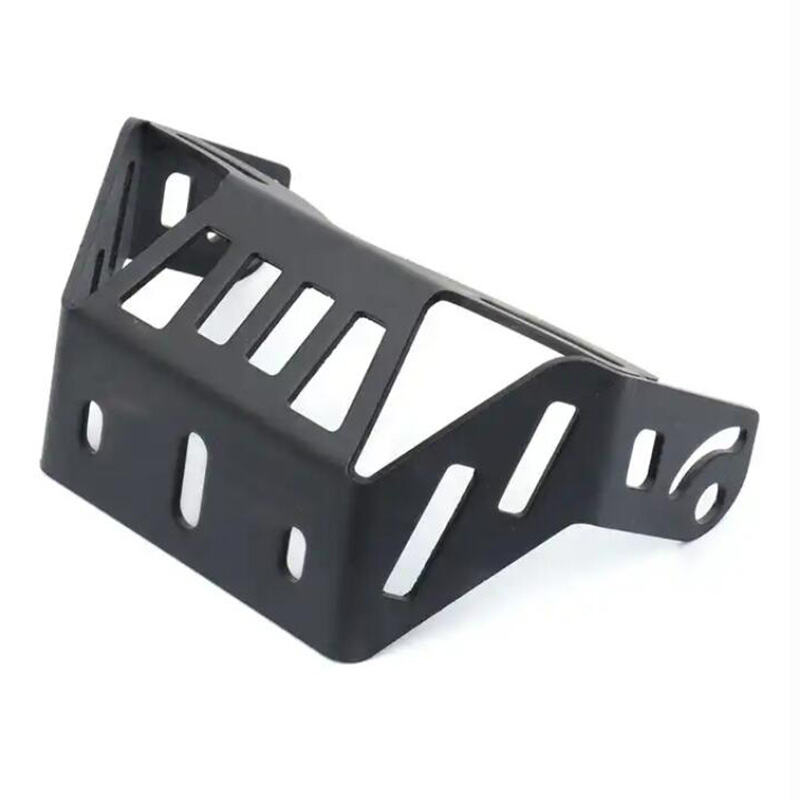
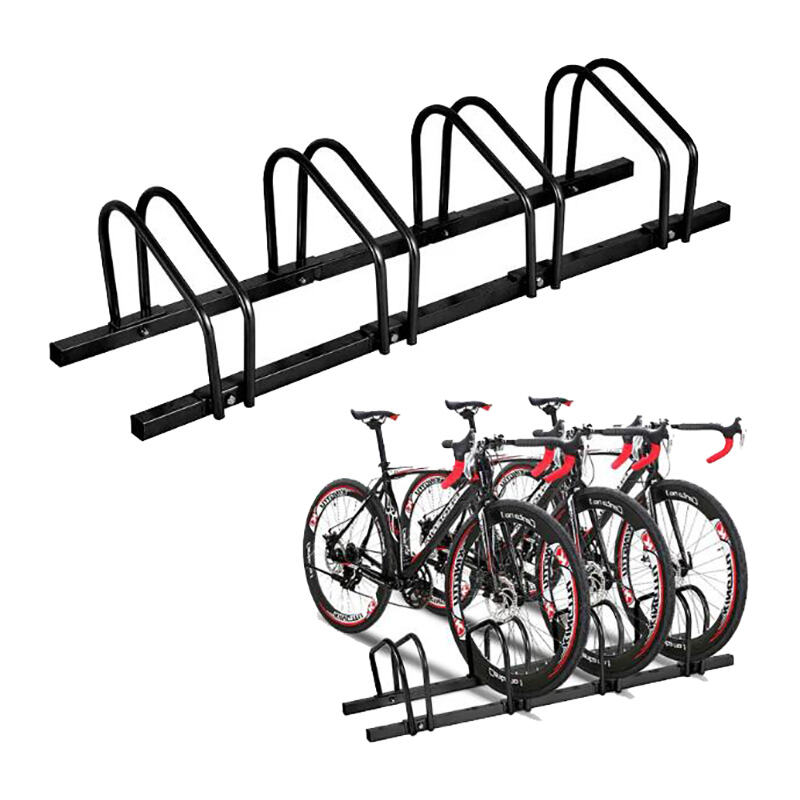
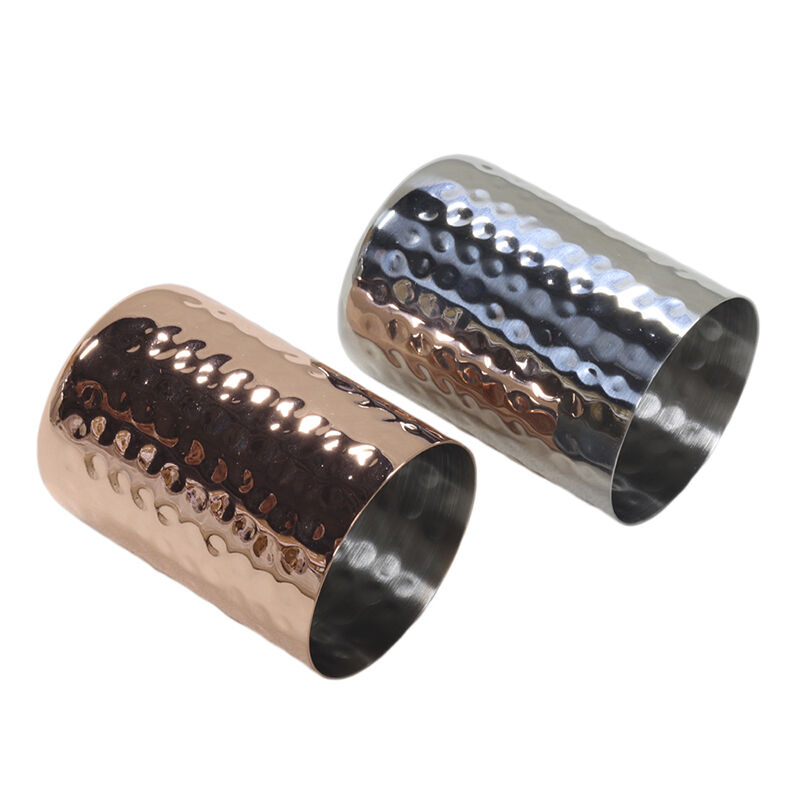
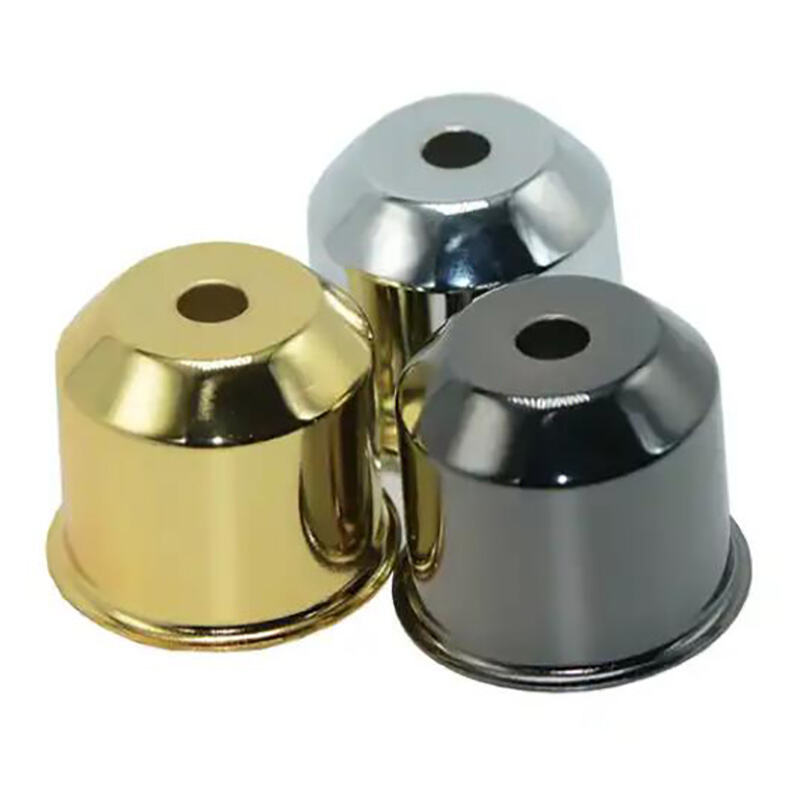
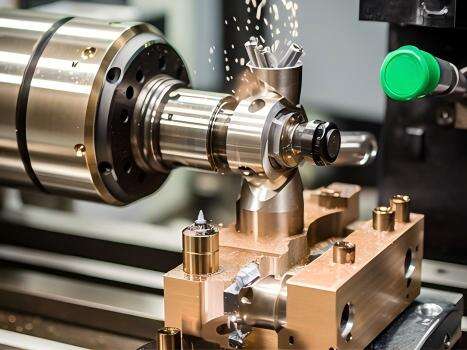
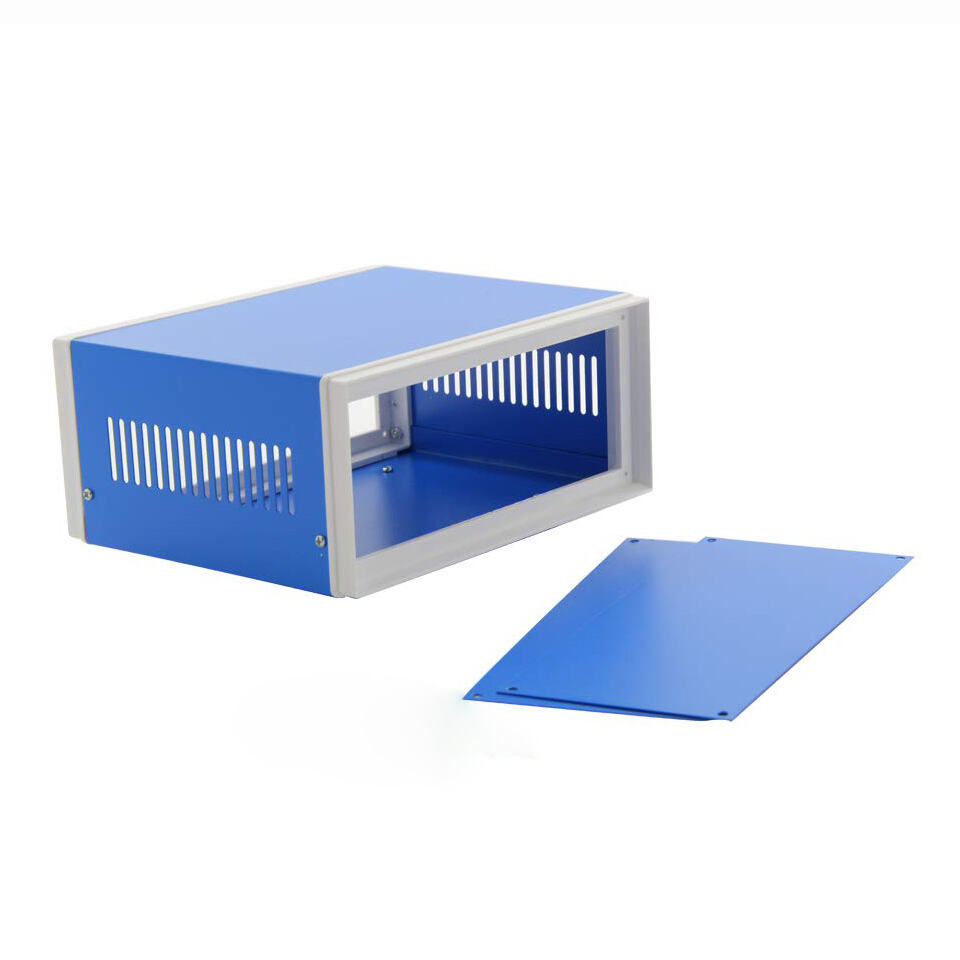
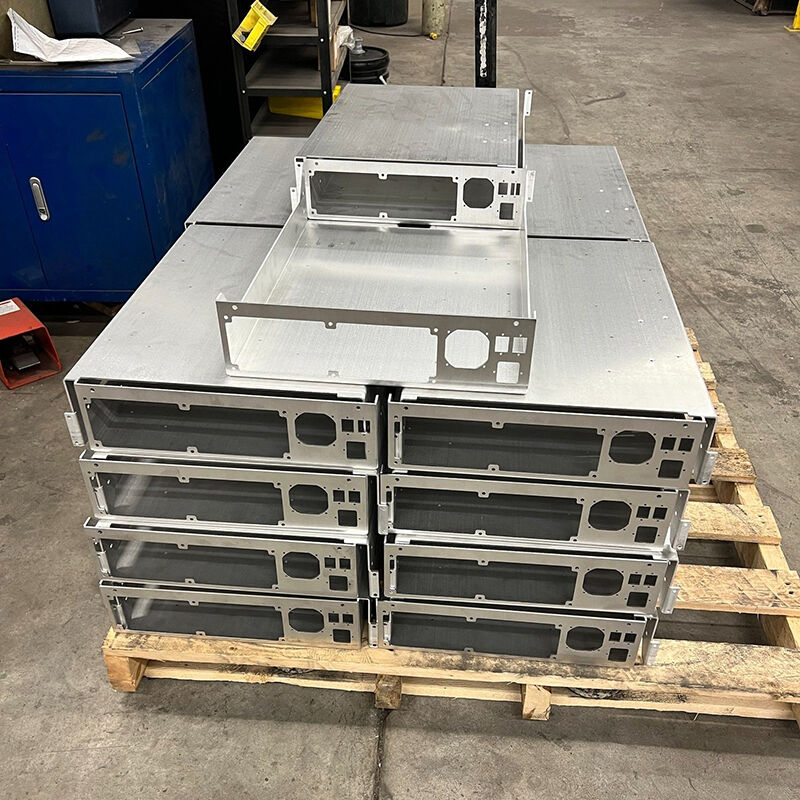
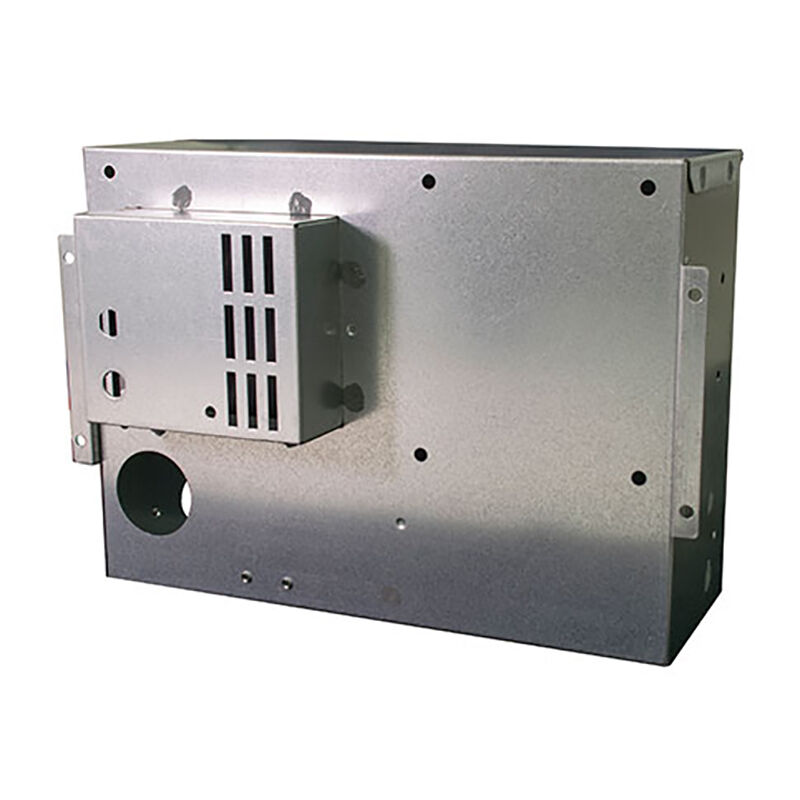
Custom stamping parts represent a fundamental manufacturing solution that transforms flat metal sheets into precisely shaped three-dimensional components through specialized pressing and forming processes. These engineered components serve as critical elements across numerous industries, delivering exceptional precision and reliability in applications ranging from automotive assemblies to electronic devices. The manufacturing process involves sophisticated dies and tooling systems that apply controlled pressure to metal materials, creating intricate shapes, bends, and configurations that meet exact specifications. Custom stamping parts excel in producing complex geometries with tight tolerances, enabling manufacturers to achieve consistent quality while maintaining cost-effective production cycles. The technological foundation of custom stamping parts relies on advanced computer-aided design systems and precision machinery that ensure repeatability and accuracy throughout the manufacturing process. These components demonstrate remarkable versatility in material compatibility, accommodating various metal types including steel, aluminum, copper, and specialized alloys depending on application requirements. The forming process generates parts with superior structural integrity, as the cold-working nature of stamping enhances material properties through grain refinement and work hardening effects. Custom stamping parts find extensive applications in automotive body panels, electronic enclosures, appliance components, medical device housings, and aerospace structural elements. The manufacturing methodology enables rapid production of high-volume orders while maintaining dimensional consistency and surface quality standards. Quality control measures integrated throughout the stamping process ensure that each custom stamping part meets stringent specifications for fit, form, and function. The scalability of this manufacturing approach makes custom stamping parts suitable for both prototype development and mass production requirements, providing flexibility for diverse project scopes and timelines.

New Products

Custom stamping parts deliver significant cost advantages through efficient material utilization and streamlined production processes that minimize waste and reduce per-unit manufacturing expenses. The high-speed nature of stamping operations enables rapid production cycles, allowing manufacturers to fulfill large orders within compressed timeframes while maintaining consistent quality standards. These components offer exceptional dimensional accuracy, with modern stamping equipment capable of achieving tolerances as tight as plus or minus 0.001 inches, ensuring precise fit and optimal performance in assembly applications. The durability characteristics of custom stamping parts result from the cold-working process, which strengthens the material structure and enhances resistance to fatigue, corrosion, and mechanical stress over extended service life. Material versatility represents another key advantage, as custom stamping parts accommodate diverse metal types and thicknesses, enabling engineers to select optimal materials based on specific performance requirements and environmental conditions. The manufacturing process produces parts with excellent surface finish quality, often eliminating the need for additional finishing operations and reducing overall production costs. Custom stamping parts demonstrate superior repeatability, with each component matching exact specifications regardless of production volume, ensuring consistent performance across entire product lines. The tooling investment for custom stamping parts provides long-term value through extended die life and the ability to produce thousands or millions of identical components with minimal maintenance requirements. Design flexibility allows engineers to incorporate complex features such as holes, bends, embossed details, and formed edges within a single stamping operation, reducing assembly complexity and improving overall product reliability. The rapid prototyping capabilities of custom stamping parts enable quick design validation and iteration, accelerating product development timelines and reducing time-to-market for new products. Environmental benefits include reduced energy consumption compared to machining processes and the ability to recycle scrap material generated during production, supporting sustainable manufacturing practices. The compatibility of custom stamping parts with automated assembly systems enhances production efficiency and reduces labor costs while maintaining consistent quality control throughout the manufacturing process.

Latest News

Custom Metal Fabrication for Agricultural Machinery

18

Aug

Custom Metal Fabrication for Agricultural Machinery

Project Overview Date: June 2024 - September 2024Industry: Agricultural MachineryClient: Jan TheilierLocation: Germany   Project Description We were approached by a leading agricultural machinery manufacturer to develop a series of custom m...
View More

Get a Free Quote

Our engineers will provide you with a professional reply.
Your Name
Mobile
Email Address
WhatsApp
Subject
Attachment
Upload drawings or 3D model to see instant pricing, lead time and DFM feedback.
Up to 3 files,more 30mb,suppor jpg、jpeg、png、pdf、doc、docx、xls、xlsx、csv、txt
Message
0/1000

custom stamping parts

Precision Engineering Excellence

Precision Engineering Excellence

Custom stamping parts achieve unparalleled precision through advanced manufacturing technologies that combine computer-controlled machinery with expertly designed tooling systems. The precision engineering process begins with detailed analysis of component requirements, material properties, and performance specifications to develop optimal forming strategies. Modern stamping equipment utilizes servo-driven systems that provide precise control over forming speed, pressure application, and material flow, resulting in components that consistently meet tight dimensional tolerances. The tooling design process incorporates sophisticated finite element analysis to predict material behavior during forming operations, enabling engineers to optimize die geometry for maximum accuracy and minimal spring-back effects. Progressive die systems enable multi-stage forming operations within a single press stroke, allowing complex custom stamping parts to be produced with exceptional precision while maintaining high production rates. Quality assurance protocols include in-process monitoring systems that continuously verify dimensional accuracy throughout production runs, ensuring that every custom stamping part meets specified requirements. Coordinate measuring machines and optical inspection systems provide comprehensive dimensional verification, documenting compliance with engineering drawings and customer specifications. The precision capabilities extend to surface finish control, with custom stamping parts achieving consistent texture and appearance characteristics that enhance both functional performance and aesthetic appeal. Advanced material handling systems maintain precise positioning throughout the forming process, preventing distortion and ensuring uniform stress distribution across the component geometry. The integration of real-time feedback systems enables immediate correction of process variations, maintaining precision standards even during extended production runs. Temperature-controlled environments and precision lubrication systems further enhance the accuracy of custom stamping parts by minimizing variables that could affect dimensional stability. This commitment to precision engineering ensures that custom stamping parts deliver reliable performance in critical applications where dimensional accuracy directly impacts product functionality and safety.
Exceptional Durability and Reliability

Exceptional Durability and Reliability

Custom stamping parts exhibit exceptional durability characteristics that result from the inherent strengthening effects of the cold-forming manufacturing process. The metal forming operation refines the grain structure of the base material, creating a more uniform and dense crystalline arrangement that enhances mechanical properties including tensile strength, yield strength, and fatigue resistance. This work-hardening effect significantly improves the long-term performance of custom stamping parts compared to components manufactured through alternative processes. The controlled deformation process eliminates internal voids and discontinuities that can serve as stress concentration points, resulting in components with superior structural integrity and resistance to crack propagation. Stress distribution analysis during the design phase ensures that custom stamping parts optimize material utilization while maintaining adequate safety factors for intended applications. The durability advantages extend to environmental resistance, as the cold-forming process creates dense surface layers that provide enhanced protection against corrosion, wear, and chemical exposure. Material selection flexibility enables custom stamping parts to incorporate specialized alloys and coatings that further enhance durability for specific operating conditions. Fatigue testing protocols verify the long-term performance characteristics of custom stamping parts under cyclic loading conditions, ensuring reliable operation throughout the intended service life. The manufacturing process produces components with consistent mechanical properties across the entire part geometry, eliminating weak spots that could compromise durability. Stress-relief treatments and heat treatment options provide additional opportunities to optimize the mechanical properties of custom stamping parts for specific performance requirements. Quality control procedures include mechanical testing of representative samples to verify strength, hardness, and ductility characteristics meet design specifications. The robust nature of custom stamping parts reduces maintenance requirements and extends replacement intervals, providing significant cost savings over the product lifecycle. Field performance data consistently demonstrates the superior durability of custom stamping parts in demanding applications across automotive, aerospace, and industrial sectors.
Cost-Effective Manufacturing Solutions

Cost-Effective Manufacturing Solutions

Custom stamping parts deliver exceptional cost-effectiveness through optimized manufacturing processes that maximize material utilization while minimizing production expenses and lead times. The high-speed nature of stamping operations enables rapid production of large quantities, distributing tooling costs across many components and significantly reducing per-unit manufacturing expenses compared to alternative manufacturing methods. Material efficiency represents a major cost advantage, as progressive stamping processes optimize nesting patterns and minimize scrap generation, often achieving material utilization rates exceeding 85 percent. The ability to produce complex geometries in single operations eliminates multiple manufacturing steps and associated handling costs, streamlining production workflows and reducing overall manufacturing complexity. Tooling investment provides long-term value through extended die life and the capability to produce millions of identical custom stamping parts with minimal maintenance requirements. Setup time reduction through quick-change tooling systems enables efficient transition between different part configurations, supporting flexible manufacturing schedules and reduced inventory requirements. Labor cost advantages result from the highly automated nature of stamping operations, which require minimal operator intervention while maintaining consistent quality standards throughout production runs. The elimination of secondary operations such as welding, machining, or assembly reduces total manufacturing costs and simplifies supply chain management. Volume scalability ensures that custom stamping parts remain cost-effective across a wide range of production quantities, from prototype runs to high-volume manufacturing programs. Transportation cost savings result from the lightweight nature and compact packaging characteristics of stamped components, reducing shipping expenses and storage requirements. Reduced inspection costs occur through the inherent consistency of the stamping process, which produces parts with predictable dimensional characteristics that require minimal individual verification. The predictable nature of stamping operations enables accurate cost estimation and project planning, supporting effective budget management and competitive pricing strategies for custom stamping parts across diverse market segments.

Get a Free Quote

Our engineers will provide you with a professional reply.
Your Name
Mobile
Email Address
WhatsApp
Subject
Attachment
Upload drawings or 3D model to see instant pricing, lead time and DFM feedback.
Up to 3 files,more 30mb,support jpg、jpeg、png、pdf、doc、docx、xls、xlsx、csv、txt、stp、step、igs、x_t、dxf、prt、sldprt、sat、rar、zip
Message
0/1000