Premium Stainless Steel Stamping Parts - Precision Manufacturing Solutions for Industrial Applications

Get a Free Quote

Our engineers will provide you with a professional reply.
Your Name
Mobile
Email Address
WhatsApp
Subject
Attachment
Upload drawings or 3D model to see instant pricing, lead time and DFM feedback.
Up to 3 files,more 30mb,support jpg、jpeg、png、pdf、doc、docx、xls、xlsx、csv、txt、stp、step、igs、x_t、dxf、prt、sldprt、sat、rar、zip
Message
0/1000

stainless steel stamping parts

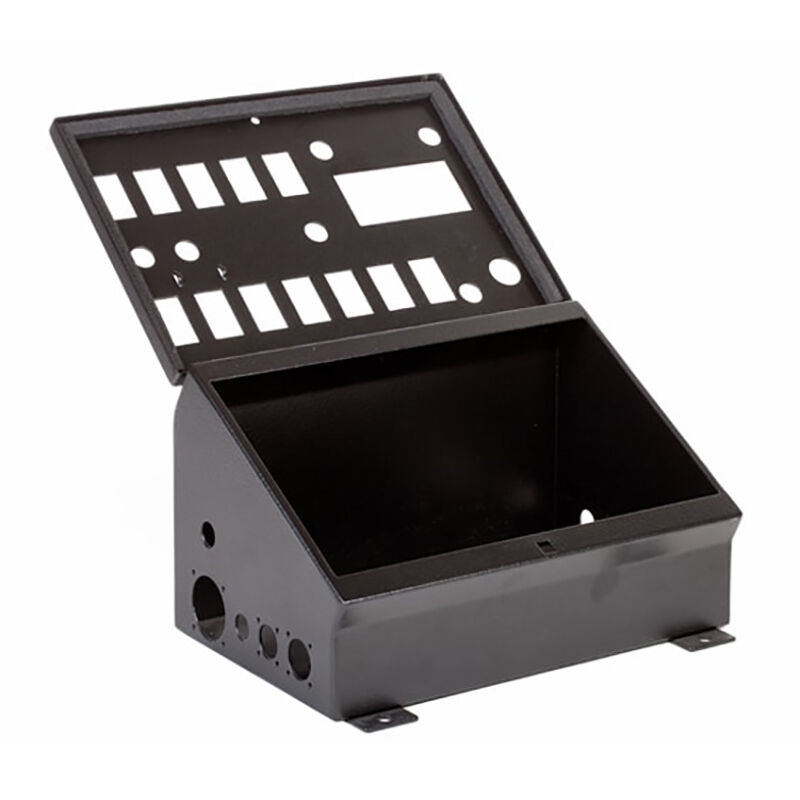
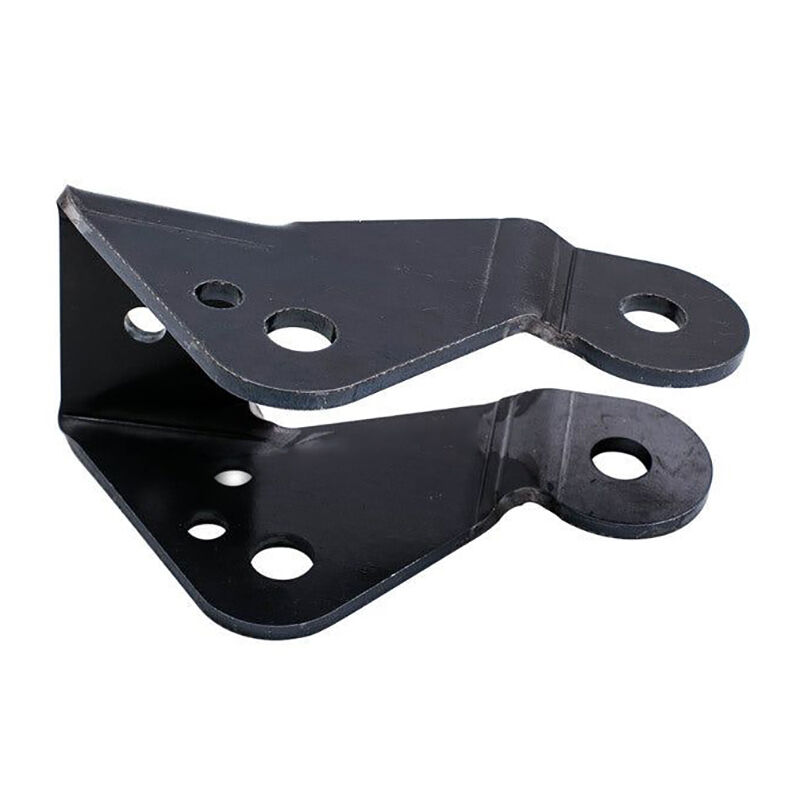
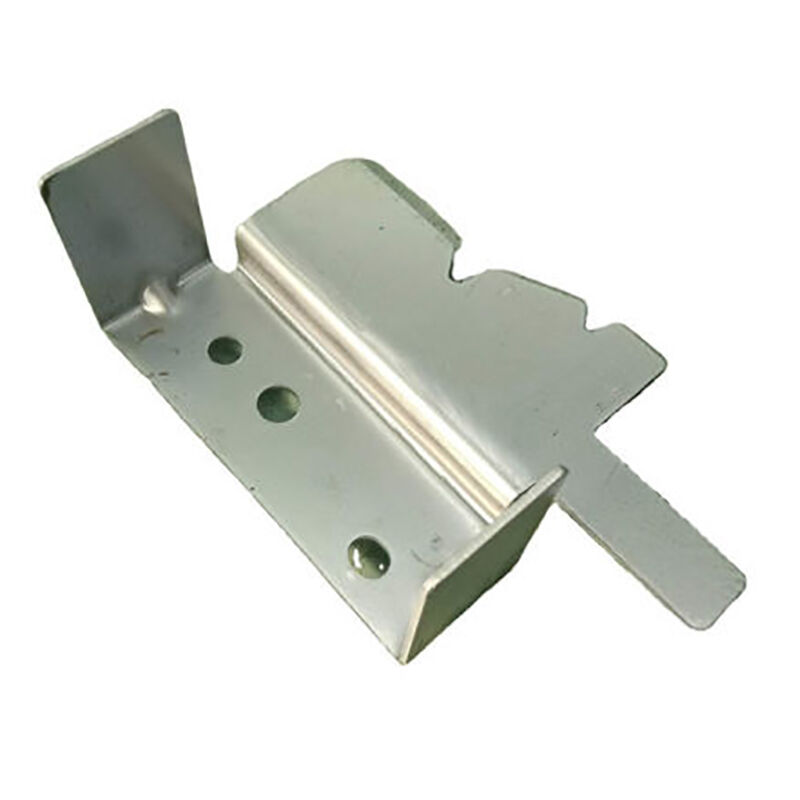
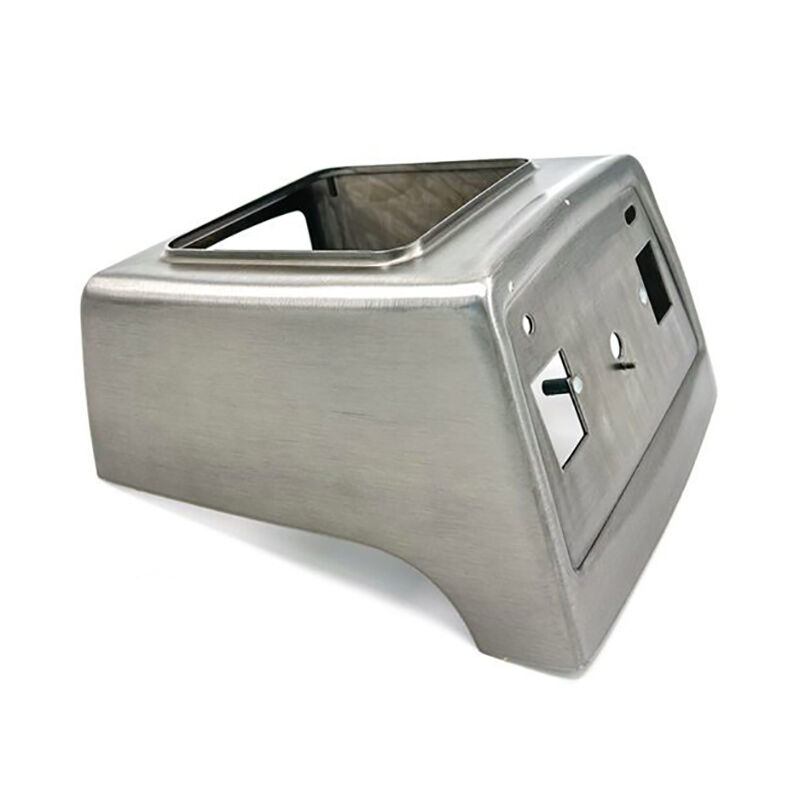
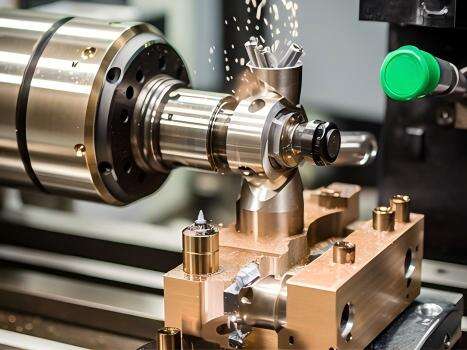
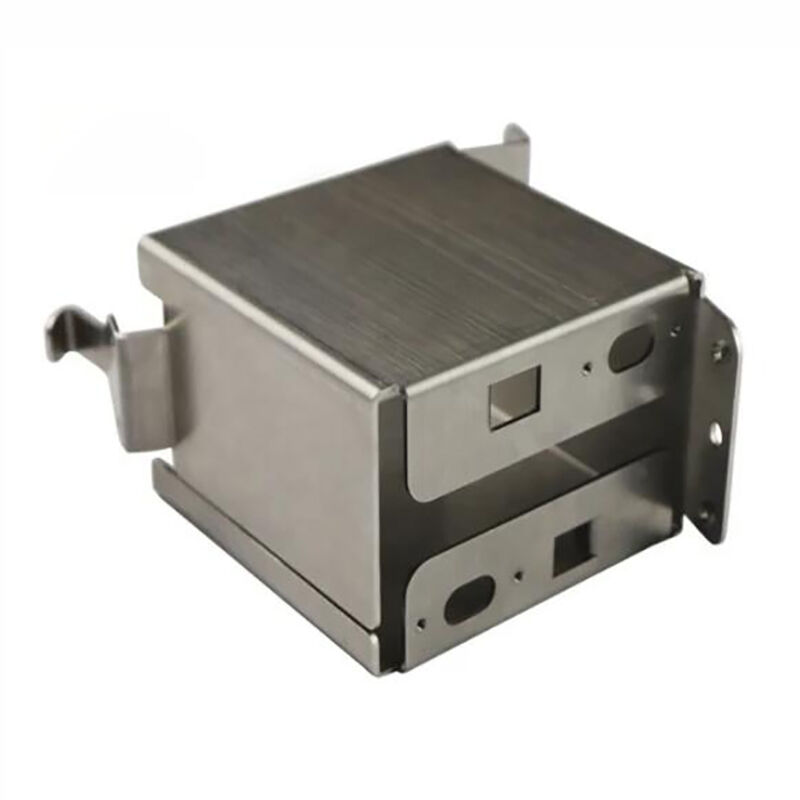
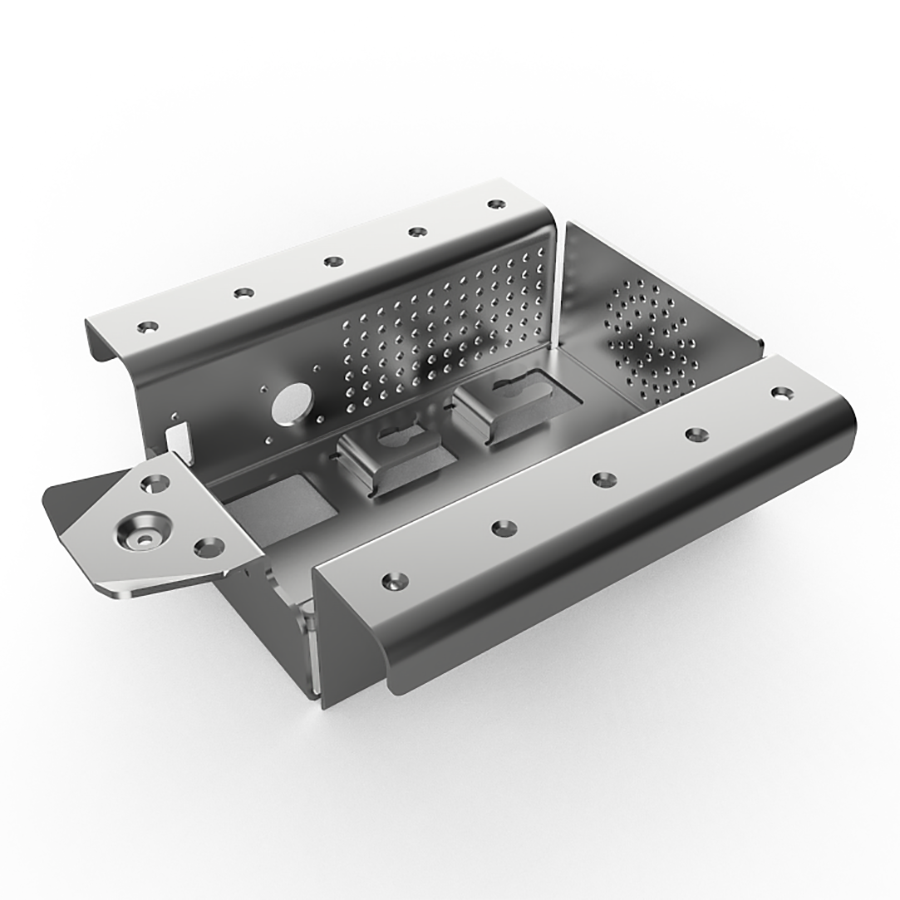
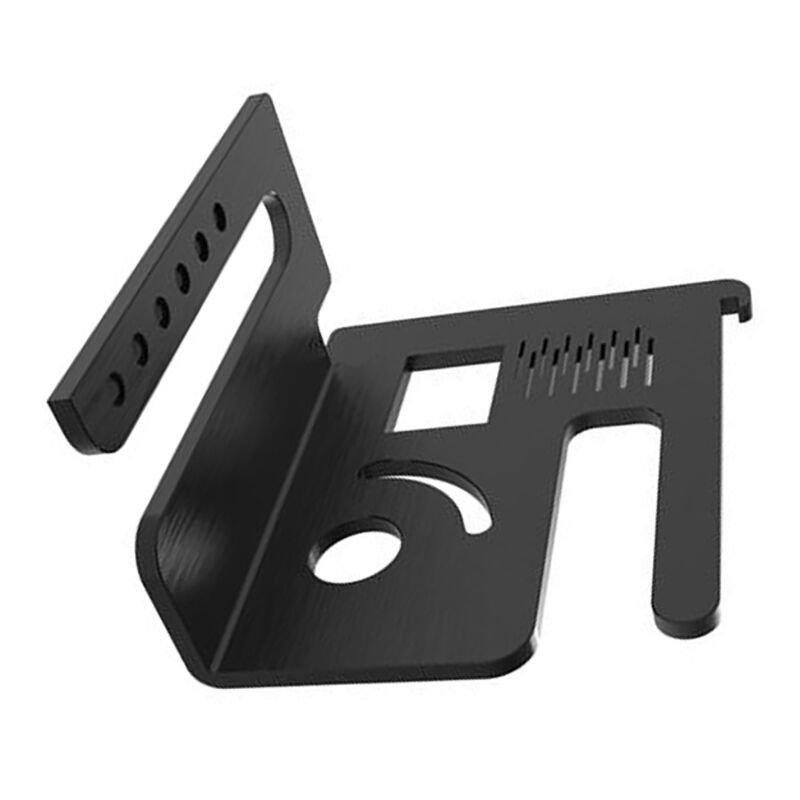
Stainless steel stamping parts represent a cornerstone of modern manufacturing, delivering precision-engineered components through advanced metalworking processes. These specialized parts are created by pressing, punching, bending, and forming stainless steel sheets into predetermined shapes using sophisticated dies and stamping equipment. The fundamental function of stainless steel stamping parts lies in providing durable, corrosion-resistant components that maintain structural integrity across diverse industrial applications. The technological foundation of these parts relies on progressive stamping techniques, deep drawing processes, and multi-stage forming operations that transform raw stainless steel materials into complex three-dimensional geometries. Manufacturing facilities utilize hydraulic presses, mechanical stamping machines, and computer-controlled equipment to achieve consistent dimensional accuracy and surface quality. The process begins with material selection, where various stainless steel grades including 304, 316, 430, and specialized alloys are chosen based on specific performance requirements. Advanced tooling systems incorporate carbide dies, precision guides, and automated feeding mechanisms to ensure repeatable production cycles. Quality control measures include dimensional verification, surface inspection, and material property testing to guarantee compliance with engineering specifications. Applications for stainless steel stamping parts span numerous industries including automotive manufacturing, aerospace engineering, medical device production, food processing equipment, electronic enclosures, and architectural components. In automotive sectors, these parts function as exhaust system components, fuel system elements, and decorative trim pieces. Medical applications utilize stainless steel stamping parts for surgical instruments, implantable devices, and sterilizable equipment housings. Food processing industries rely on these components for sanitary equipment, storage tanks, and processing machinery that require exceptional hygiene standards. The versatility of stainless steel stamping parts extends to electronic applications where electromagnetic shielding, heat dissipation, and protective enclosures are essential. Architectural implementations include decorative panels, structural brackets, and weatherproof hardware systems that combine aesthetic appeal with functional performance.

New Product Recommendations

Stainless steel stamping parts offer remarkable cost-effectiveness through efficient manufacturing processes that minimize material waste and reduce production time. Companies benefit from streamlined operations where single stamping cycles create complex geometries that would otherwise require multiple machining steps or welding operations. This efficiency translates directly to lower per-unit costs, especially in high-volume production runs where economies of scale maximize profitability. The precision capabilities of stamping processes ensure consistent dimensional accuracy across thousands of parts, eliminating costly rework and quality issues that plague alternative manufacturing methods. Businesses appreciate the predictable lead times and reliable delivery schedules that stamping operations provide, enabling better inventory management and production planning. The exceptional corrosion resistance of stainless steel stamping parts delivers long-term value by reducing replacement costs and maintenance requirements. Unlike carbon steel components that rust and deteriorate, these parts maintain their appearance and functionality for decades without protective coatings or frequent servicing. This durability proves particularly valuable in harsh environments where exposure to chemicals, moisture, and temperature extremes would quickly compromise lesser materials. The inherent strength-to-weight ratio of stainless steel allows designers to create lightweight components without sacrificing structural performance, resulting in improved fuel efficiency for transportation applications and reduced installation costs for architectural projects. Manufacturing flexibility represents another significant advantage, as stamping dies can accommodate design modifications and product variations without requiring entirely new tooling systems. Companies can implement engineering changes quickly and cost-effectively, responding to market demands and customer specifications with minimal production delays. The excellent surface finish achieved through stamping processes often eliminates secondary operations like grinding, polishing, or coating, further reducing manufacturing costs and cycle times. Environmental benefits include the recyclability of stainless steel materials, supporting sustainable manufacturing practices and corporate responsibility initiatives. The biocompatibility and hygienic properties of stainless steel stamping parts make them ideal for medical and food industry applications where contamination risks must be minimized. Quality assurance becomes simplified through standardized stamping processes that produce repeatable results, reducing inspection requirements and statistical process control complexity. The ability to integrate multiple forming operations into single die sets creates parts with complex features while maintaining tight tolerances and reducing assembly requirements.

Latest News

Custom Metal Fabrication for Agricultural Machinery

18

Aug

Custom Metal Fabrication for Agricultural Machinery

Project Overview Date: June 2024 - September 2024Industry: Agricultural MachineryClient: Jan TheilierLocation: Germany   Project Description We were approached by a leading agricultural machinery manufacturer to develop a series of custom m...
View More

Get a Free Quote

Our engineers will provide you with a professional reply.
Your Name
Mobile
Email Address
WhatsApp
Subject
Attachment
Upload drawings or 3D model to see instant pricing, lead time and DFM feedback.
Up to 3 files,more 30mb,suppor jpg、jpeg、png、pdf、doc、docx、xls、xlsx、csv、txt
Message
0/1000

stainless steel stamping parts

Superior Corrosion Resistance for Extended Service Life

Superior Corrosion Resistance for Extended Service Life

The outstanding corrosion resistance of stainless steel stamping parts stems from the unique metallurgical composition that forms a passive chromium oxide layer on the surface, providing exceptional protection against rust, oxidation, and chemical degradation. This protective barrier regenerates automatically when damaged, ensuring continuous resistance to environmental factors that would quickly destroy conventional steel components. Industries operating in marine environments, chemical processing facilities, and outdoor applications particularly benefit from this inherent protection, as stainless steel stamping parts maintain their structural integrity and aesthetic appearance for decades without requiring protective coatings or frequent maintenance interventions. The economic impact of this corrosion resistance extends far beyond initial material costs, as facility managers and maintenance teams experience dramatically reduced replacement schedules, lower inventory requirements for spare parts, and decreased downtime associated with component failures. In pharmaceutical and food processing applications, the non-reactive nature of stainless steel surfaces prevents contamination and maintains product purity, eliminating costly product recalls and regulatory compliance issues. The passive layer formation occurs naturally through exposure to oxygen, creating a self-healing mechanism that repairs minor surface damage without human intervention or chemical treatments. This characteristic proves invaluable in applications where accessibility for maintenance is limited or where continuous operation is critical to business success. The resistance extends to various corrosive agents including acids, alkalis, chlorides, and organic compounds, making stainless steel stamping parts suitable for diverse chemical environments. Temperature cycling and thermal stress conditions that would cause material degradation in other alloys are easily withstood by properly selected stainless steel grades. The longevity provided by superior corrosion resistance supports sustainable manufacturing practices by reducing the frequency of component replacement and minimizing the environmental impact associated with disposal and recycling of failed parts. Quality assurance programs benefit from the predictable performance characteristics of corrosion-resistant stainless steel stamping parts, allowing engineers to establish reliable maintenance schedules and warranty periods based on extensive field experience and accelerated testing data.
Exceptional Dimensional Precision and Consistency

Exceptional Dimensional Precision and Consistency

The precision manufacturing capabilities of stainless steel stamping parts deliver dimensional accuracy that consistently meets the most demanding engineering specifications, with tolerances achievable within ±0.002 inches across complex geometries and intricate features. Advanced stamping equipment utilizes servo-controlled drives, precision tooling systems, and real-time monitoring technology to maintain consistent part dimensions throughout extended production runs, ensuring that every component meets exact specifications without costly secondary operations or manual adjustments. This level of precision proves crucial in industries such as aerospace, medical device manufacturing, and precision instrumentation where dimensional variations can compromise product performance, safety, and regulatory compliance. The repeatability of stamping processes enables manufacturers to produce thousands of identical parts with minimal variation, supporting lean manufacturing principles and reducing quality control inspection requirements. Statistical process control becomes simplified when working with stainless steel stamping parts due to the inherent stability of the stamping process and the consistent material properties of stainless steel alloys. Engineers can confidently specify tight tolerances knowing that production capabilities will consistently deliver parts within required limits, enabling assemblies with precise fits and optimal performance characteristics. The elimination of secondary machining operations through accurate stamping reduces manufacturing costs while maintaining superior surface finishes and dimensional integrity. Quality systems benefit from reduced scrap rates and rework requirements, as the precision stamping process produces acceptable parts on the first attempt rather than requiring iterative corrections and adjustments. Complex features such as holes, slots, bends, and formed details can be created simultaneously during the stamping operation, maintaining precise relationships between features that would be difficult to achieve through sequential manufacturing processes. The dimensional stability of stainless steel stamping parts remains consistent across varying environmental conditions, with minimal thermal expansion and contraction that could affect assembly tolerances or functional performance. Measurement and inspection procedures become standardized and predictable, allowing quality assurance teams to implement efficient sampling plans and statistical analysis methods. The precision capabilities extend to surface texture control, where stamping dies can impart specific finishes and patterns while maintaining dimensional accuracy across all stamped features.
Versatile Design Flexibility and Rapid Prototyping Capabilities

Versatile Design Flexibility and Rapid Prototyping Capabilities

The remarkable design flexibility of stainless steel stamping parts empowers engineers and product developers to create innovative solutions that combine complex geometries, multiple functions, and aesthetic appeal within single components, eliminating the need for assemblies that would otherwise require welding, fastening, or joining operations. Progressive stamping techniques enable the integration of multiple forming operations including drawing, piercing, bending, coining, and embossing into continuous production sequences that create sophisticated three-dimensional shapes from flat sheet materials. This capability proves particularly valuable in industries where weight reduction, part consolidation, and cost optimization are critical design objectives. The rapid prototyping advantages of stamping processes allow development teams to quickly evaluate design concepts and iterate through multiple configurations without the extensive lead times associated with machined prototypes or cast components. Soft tooling options and prototype dies can be fabricated rapidly to validate form, fit, and function before committing to production tooling investments. The scalability of stamping operations seamlessly transitions from prototype quantities to full production volumes without requiring process changes or alternative manufacturing methods. Design engineers benefit from the ability to incorporate complex features such as ribs, bosses, mounting tabs, and decorative elements directly into stamped parts, reducing assembly complexity and improving overall product reliability. The material utilization efficiency of stamping processes minimizes waste while maximizing the functional content of each part, supporting sustainable design practices and cost-effective manufacturing. Advanced finite element analysis and stamping simulation software enable designers to optimize part geometry and predict forming behavior before tooling fabrication, reducing development risks and ensuring successful production implementation. The compatibility of stainless steel stamping parts with various joining methods including welding, brazing, mechanical fastening, and adhesive bonding provides additional design flexibility for complex assemblies. Surface preparation requirements are minimal due to the clean stamping process and excellent surface quality achieved directly from the die, simplifying downstream operations and reducing processing time. The ability to accommodate various stainless steel grades and material thicknesses within stamping operations allows designers to optimize material selection for specific performance requirements while maintaining consistent manufacturing processes and quality standards.

Get a Free Quote

Our engineers will provide you with a professional reply.
Your Name
Mobile
Email Address
WhatsApp
Subject
Attachment
Upload drawings or 3D model to see instant pricing, lead time and DFM feedback.
Up to 3 files,more 30mb,support jpg、jpeg、png、pdf、doc、docx、xls、xlsx、csv、txt、stp、step、igs、x_t、dxf、prt、sldprt、sat、rar、zip
Message
0/1000