Professional Industrial Steel Fabrication Services - Custom Manufacturing Solutions

Get a Free Quote

Our engineers will provide you with a professional reply.
Your Name
Mobile
Email Address
WhatsApp
Subject
Attachment
Upload drawings or 3D model to see instant pricing, lead time and DFM feedback.
Up to 3 files,more 30mb,support jpg、jpeg、png、pdf、doc、docx、xls、xlsx、csv、txt、stp、step、igs、x_t、dxf、prt、sldprt、sat、rar、zip
Message
0/1000

industrial steel fabrication

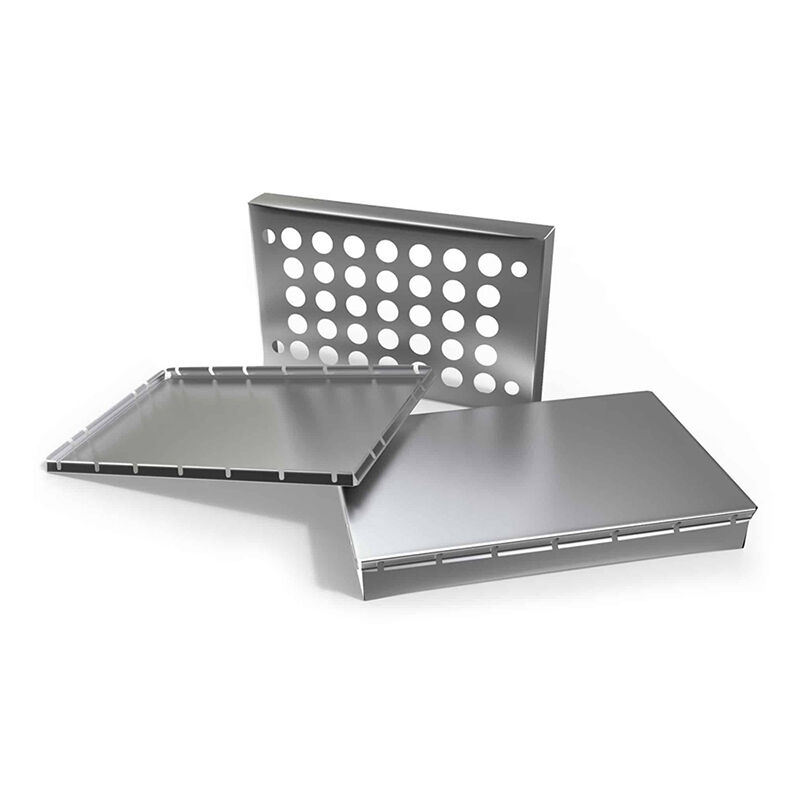
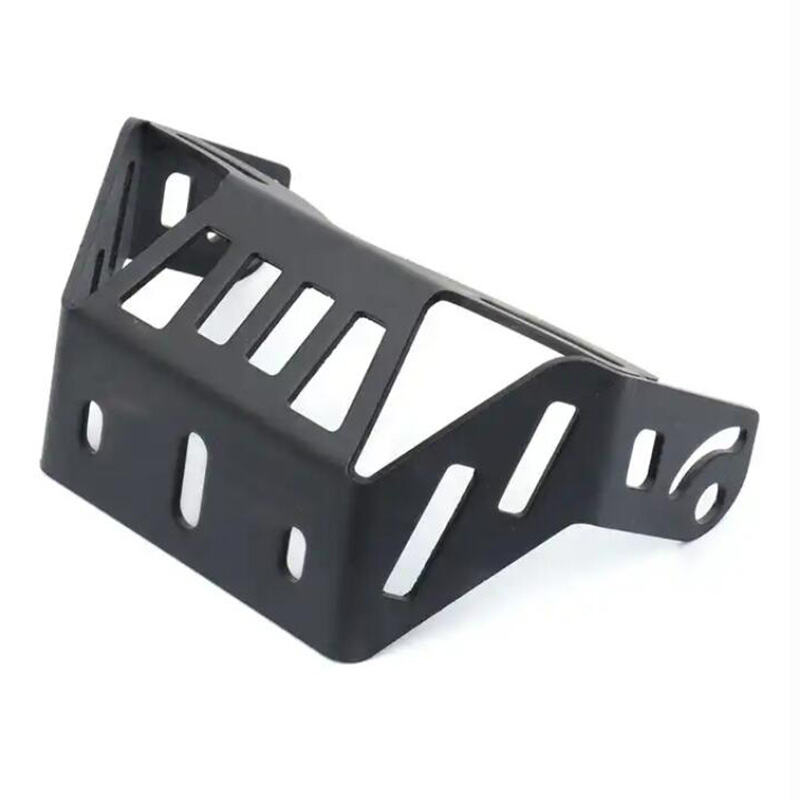
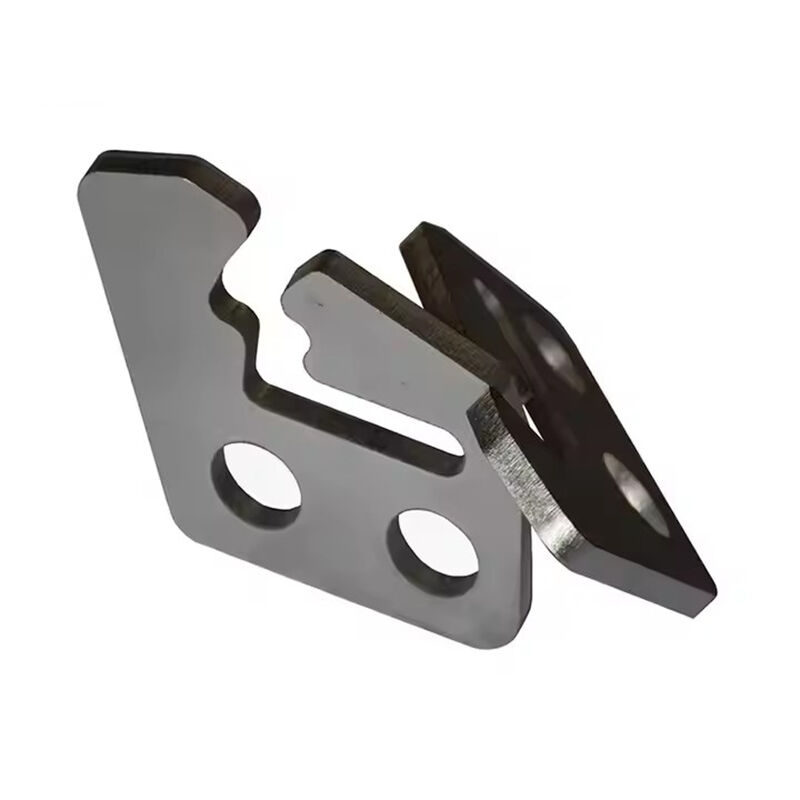
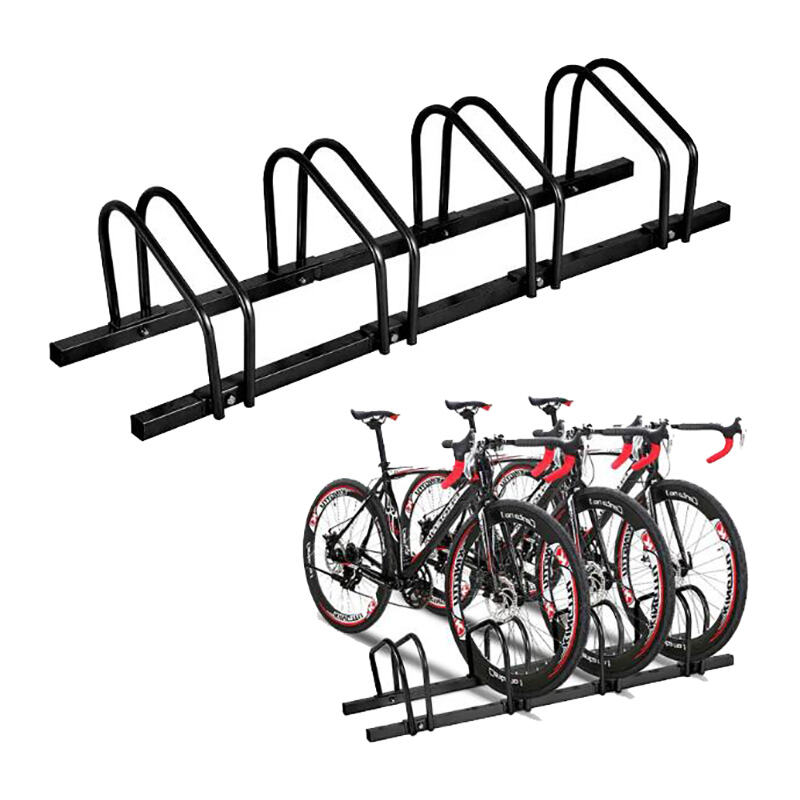
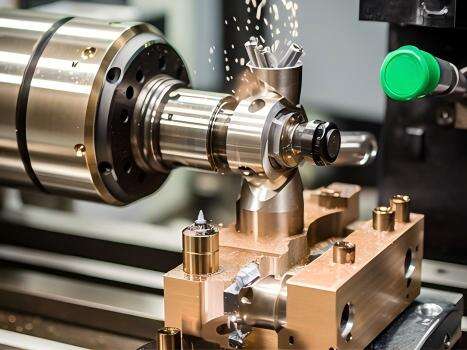
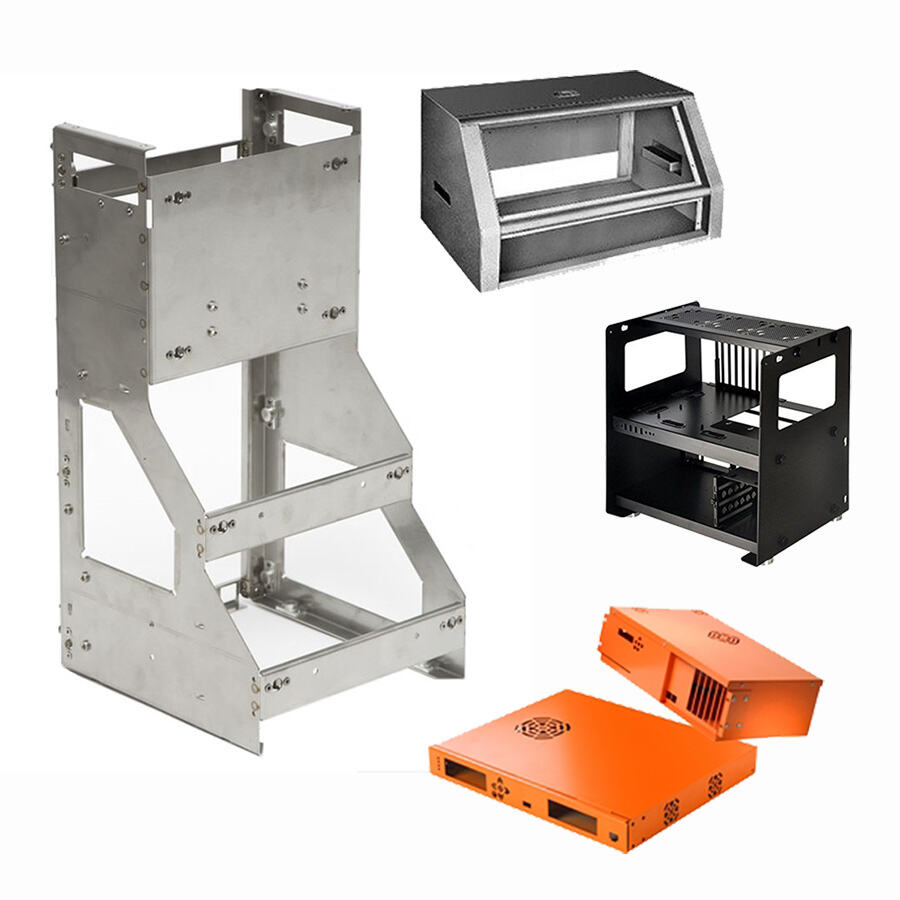
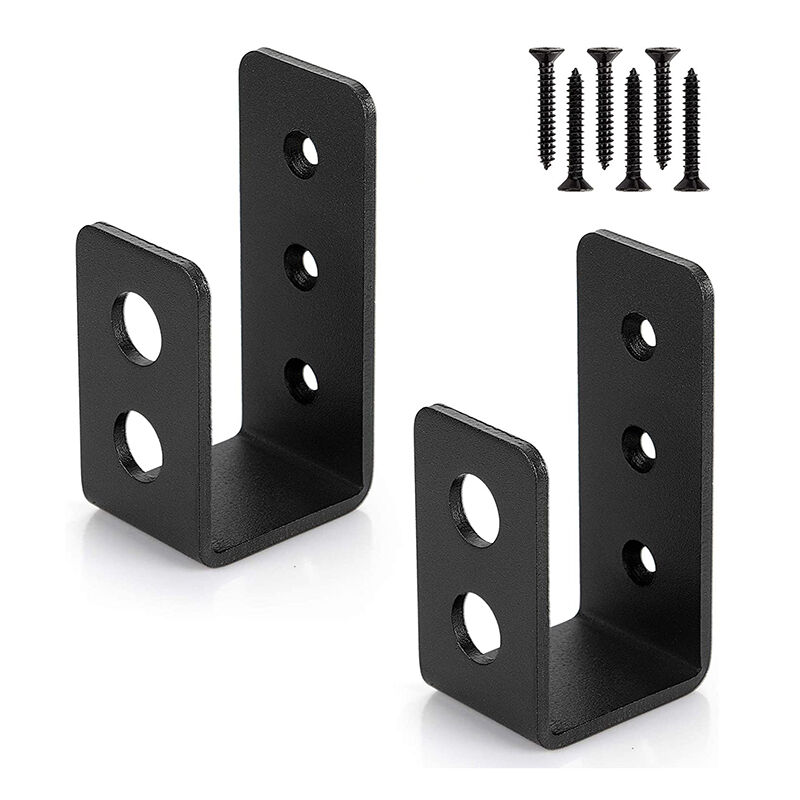
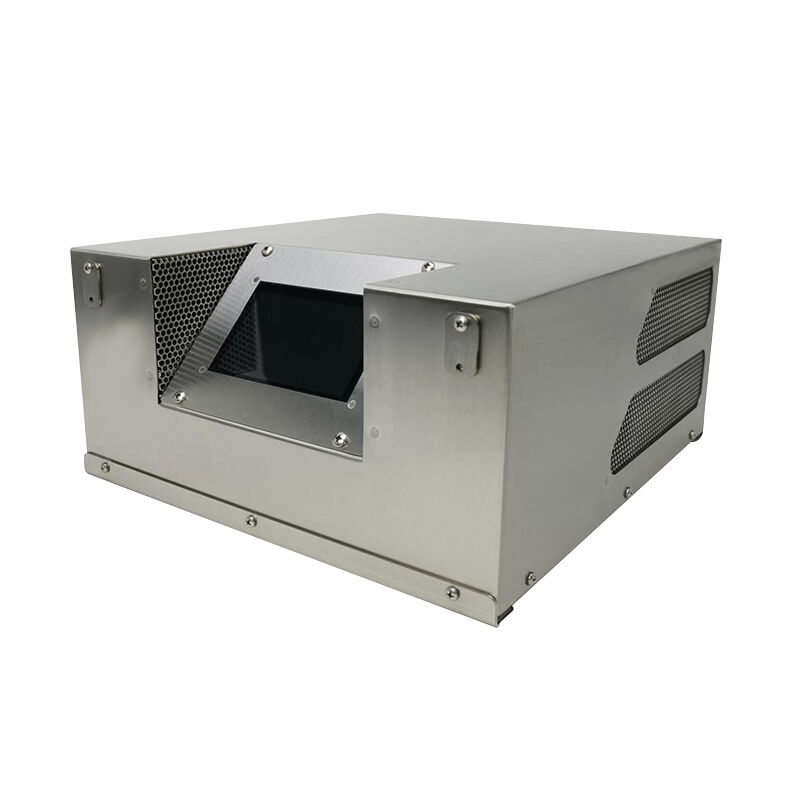
Industrial steel fabrication represents a cornerstone manufacturing process that transforms raw steel materials into finished structural components and products through cutting, welding, bending, and assembly techniques. This comprehensive manufacturing approach serves as the backbone for countless industries, from construction and infrastructure development to automotive and aerospace sectors. The process begins with detailed engineering drawings and specifications, which guide skilled fabricators in creating precise components that meet exacting standards for strength, durability, and dimensional accuracy. Modern industrial steel fabrication facilities utilize state-of-the-art equipment including computer-controlled plasma cutters, laser cutting systems, and automated welding stations to ensure consistent quality and efficiency. The technological features of contemporary industrial steel fabrication encompass advanced CAD software integration, allowing seamless transition from design concepts to physical products. Quality control measures throughout the fabrication process include material testing, dimensional verification, and surface finish inspection to guarantee compliance with industry standards. The applications of industrial steel fabrication span numerous sectors, including commercial building frameworks, bridge construction, manufacturing equipment, storage tanks, and specialized architectural elements. Heavy machinery components, conveyor systems, and industrial platforms represent additional applications where precision fabrication delivers critical performance characteristics. The versatility of industrial steel fabrication enables customization for unique project requirements, whether creating single prototype components or large-scale production runs. Environmental considerations have driven innovation in fabrication techniques, with modern facilities implementing sustainable practices and waste reduction strategies. The integration of robotic systems and automated processes has enhanced both productivity and worker safety while maintaining the high-quality standards demanded by today's competitive marketplace.

New Product Releases

Industrial steel fabrication delivers exceptional value through superior strength-to-weight ratios that outperform alternative materials in demanding applications. Steel components fabricated through professional processes exhibit remarkable durability, withstanding extreme weather conditions, heavy loads, and continuous operational stresses without compromising structural integrity. The cost-effectiveness of industrial steel fabrication becomes evident through reduced maintenance requirements and extended service life, providing long-term economic benefits that offset initial investment costs. Precision manufacturing techniques ensure dimensional accuracy within tight tolerances, eliminating costly field modifications and installation delays that commonly plague construction projects. The speed of fabrication represents a significant competitive advantage, with modern facilities capable of producing complex components in accelerated timeframes without sacrificing quality standards. Customization capabilities allow clients to specify exact requirements, from unique geometries to specialized surface treatments, ensuring perfect fit for specific applications. Quality assurance protocols embedded throughout the fabrication process guarantee consistent results, reducing the risk of component failure and associated liability concerns. Environmental sustainability emerges as a key benefit, with steel's recyclability supporting green building initiatives and corporate environmental responsibilities. The scalability of industrial steel fabrication accommodates projects ranging from small custom components to large infrastructure elements, providing flexibility for diverse client needs. Advanced welding techniques create seamless joints that exceed strength requirements while maintaining aesthetic appeal for visible applications. Material traceability systems ensure complete documentation of component origins and specifications, supporting compliance with regulatory requirements and quality certifications. The versatility of steel allows incorporation of various grades and alloys, optimizing performance characteristics for specific environmental conditions or load requirements. Professional fabrication facilities maintain extensive safety protocols that protect workers while ensuring consistent production schedules and delivery commitments. The integration of modern technology streamlines communication between design teams and fabricators, reducing errors and accelerating project timelines through real-time collaboration tools.

Latest News

Custom Metal Fabrication for Agricultural Machinery

18

Aug

Custom Metal Fabrication for Agricultural Machinery

Project Overview Date: June 2024 - September 2024Industry: Agricultural MachineryClient: Jan TheilierLocation: Germany   Project Description We were approached by a leading agricultural machinery manufacturer to develop a series of custom m...
View More

Get a Free Quote

Our engineers will provide you with a professional reply.
Your Name
Mobile
Email Address
WhatsApp
Subject
Attachment
Upload drawings or 3D model to see instant pricing, lead time and DFM feedback.
Up to 3 files,more 30mb,suppor jpg、jpeg、png、pdf、doc、docx、xls、xlsx、csv、txt
Message
0/1000

industrial steel fabrication

Advanced Precision Manufacturing Technology

Advanced Precision Manufacturing Technology

Industrial steel fabrication leverages cutting-edge manufacturing technology that revolutionizes how steel components are produced, delivering unprecedented precision and consistency across all project scales. Modern fabrication facilities employ computer numerical control systems that translate digital designs directly into physical products with tolerances measured in fractions of inches. This technological integration eliminates human error while accelerating production timelines significantly. Laser cutting systems provide clean, precise edges that require minimal secondary processing, reducing both material waste and labor costs. Automated welding stations equipped with robotic arms deliver consistent weld quality that exceeds manual capabilities, ensuring structural integrity throughout component lifecycles. Three-dimensional modeling software allows fabricators to visualize complex assemblies before physical production begins, identifying potential issues and optimizing manufacturing sequences. Quality control sensors monitor critical parameters throughout the fabrication process, automatically adjusting machine settings to maintain specified tolerances and surface finish requirements. Advanced material handling systems transport components efficiently through various fabrication stages, minimizing handling damage and maintaining production flow. Computer-integrated manufacturing systems coordinate multiple machines simultaneously, optimizing resource utilization and reducing overall project completion times. Digital documentation systems maintain comprehensive records of all fabrication steps, supporting quality certifications and regulatory compliance requirements. Real-time monitoring capabilities provide clients with progress updates and delivery scheduling information, enhancing project management effectiveness. The integration of artificial intelligence algorithms optimizes cutting patterns and material utilization, reducing waste while maximizing production efficiency. These technological advantages translate into superior products that meet exact specifications while delivering exceptional value through reduced costs and accelerated delivery schedules.
Comprehensive Quality Assurance Systems

Comprehensive Quality Assurance Systems

Industrial steel fabrication facilities implement rigorous quality assurance systems that guarantee component reliability and performance throughout demanding operational environments. These comprehensive protocols begin with incoming material inspection, verifying chemical composition, mechanical properties, and dimensional specifications against project requirements. Certified welding procedures ensure joint integrity through qualified welder testing and continuous monitoring of welding parameters including heat input, travel speed, and filler material selection. Non-destructive testing methods including ultrasonic inspection, magnetic particle testing, and radiographic examination detect internal defects that could compromise structural performance. Dimensional verification using precision measuring equipment confirms that finished components meet specified tolerances, preventing costly field modifications during installation phases. Surface preparation and coating application follow established standards that protect steel components from corrosion while maintaining aesthetic requirements. Documentation systems track every component through the fabrication process, creating detailed records that support warranty claims and maintenance scheduling. Third-party inspection services provide independent verification of quality standards, enhancing client confidence and regulatory compliance. Statistical process control methods identify trends in production variables, enabling proactive adjustments that maintain consistent quality levels. Environmental testing simulates service conditions, validating component performance under temperature extremes, humidity variations, and chemical exposure scenarios. Calibrated equipment ensures measurement accuracy through regular verification against certified reference standards. Quality management systems certified to international standards demonstrate commitment to continuous improvement and customer satisfaction. These comprehensive quality measures eliminate the risk of component failure while providing documented evidence of manufacturing excellence that supports project approvals and insurance requirements.
Versatile Application Compatibility

Versatile Application Compatibility

Industrial steel fabrication demonstrates remarkable versatility through its ability to create components for diverse applications across multiple industries, from architectural elements to heavy industrial machinery. This adaptability stems from steel's inherent properties combined with sophisticated fabrication techniques that modify characteristics to match specific performance requirements. Structural applications benefit from high-strength steel grades that support massive loads while maintaining architectural aesthetics through custom forming and finishing processes. Manufacturing equipment fabrication utilizes precision machining capabilities to create components with tight tolerances essential for operational accuracy and longevity. Architectural applications showcase steel's design flexibility through complex geometries and innovative joining methods that create striking visual elements while maintaining structural functionality. Marine applications require specialized corrosion-resistant treatments and alloys that withstand saltwater environments without compromising strength or durability. Transportation infrastructure projects rely on fabricated steel components that provide reliable service under dynamic loading conditions and environmental stresses. Custom machinery fabrication addresses unique operational requirements through engineered solutions that optimize performance while controlling costs. Petrochemical applications demand materials and fabrication techniques that resist chemical attack while maintaining pressure vessel integrity under extreme conditions. Agricultural equipment fabrication combines durability requirements with cost-effectiveness, creating components that withstand harsh field conditions while remaining economically viable. Energy sector applications require specialized welding procedures and materials that maintain reliability in high-temperature, high-pressure service environments. Food processing equipment fabrication incorporates sanitary design principles with corrosion-resistant materials that meet strict hygiene standards. This versatility enables fabricators to serve multiple markets simultaneously while developing specialized expertise that adds value for clients across diverse industries. The ability to adapt fabrication processes to meet varying requirements demonstrates the flexibility that makes industrial steel fabrication an essential manufacturing capability.

Get a Free Quote

Our engineers will provide you with a professional reply.
Your Name
Mobile
Email Address
WhatsApp
Subject
Attachment
Upload drawings or 3D model to see instant pricing, lead time and DFM feedback.
Up to 3 files,more 30mb,support jpg、jpeg、png、pdf、doc、docx、xls、xlsx、csv、txt、stp、step、igs、x_t、dxf、prt、sldprt、sat、rar、zip
Message
0/1000