Professional Precision Steel Fabrication Services - Custom Metal Manufacturing Solutions

Get a Free Quote

Our engineers will provide you with a professional reply.
Your Name
Mobile
Email Address
WhatsApp
Subject
Attachment
Upload drawings or 3D model to see instant pricing, lead time and DFM feedback.
Up to 3 files,more 30mb,support jpg、jpeg、png、pdf、doc、docx、xls、xlsx、csv、txt、stp、step、igs、x_t、dxf、prt、sldprt、sat、rar、zip
Message
0/1000

precision steel fabrication

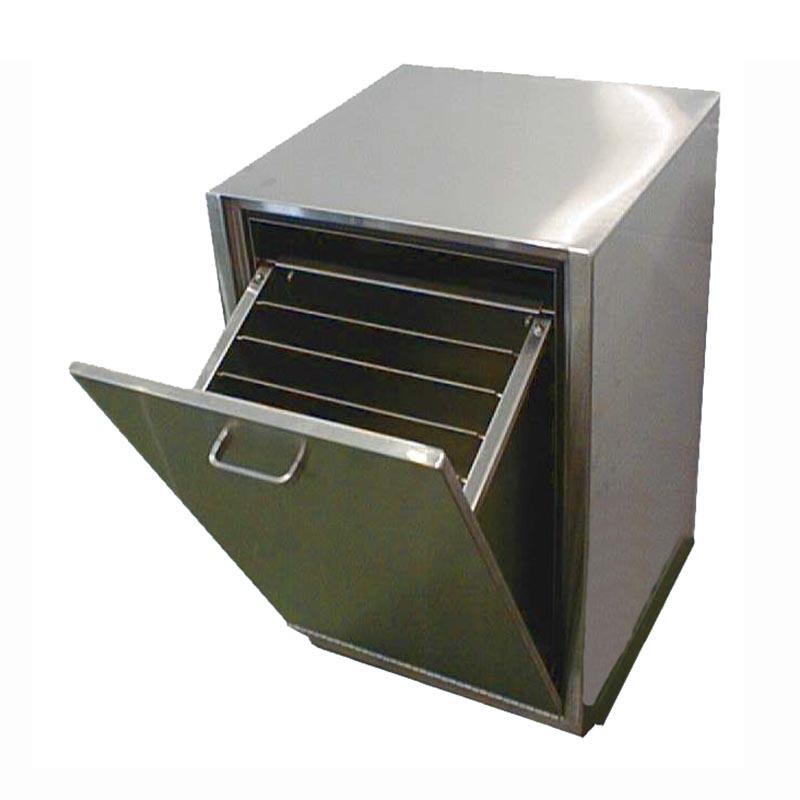
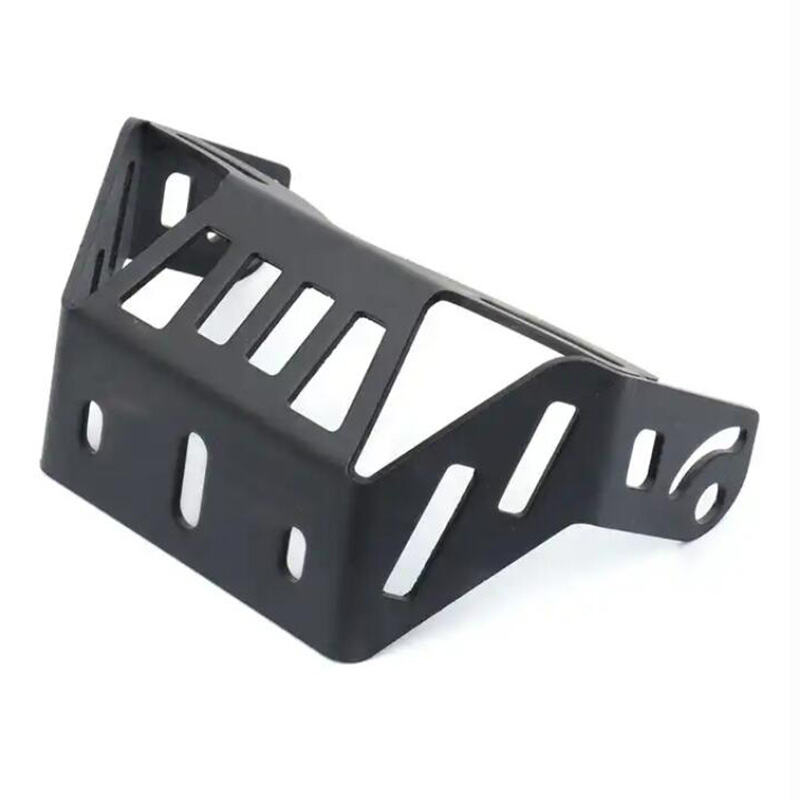
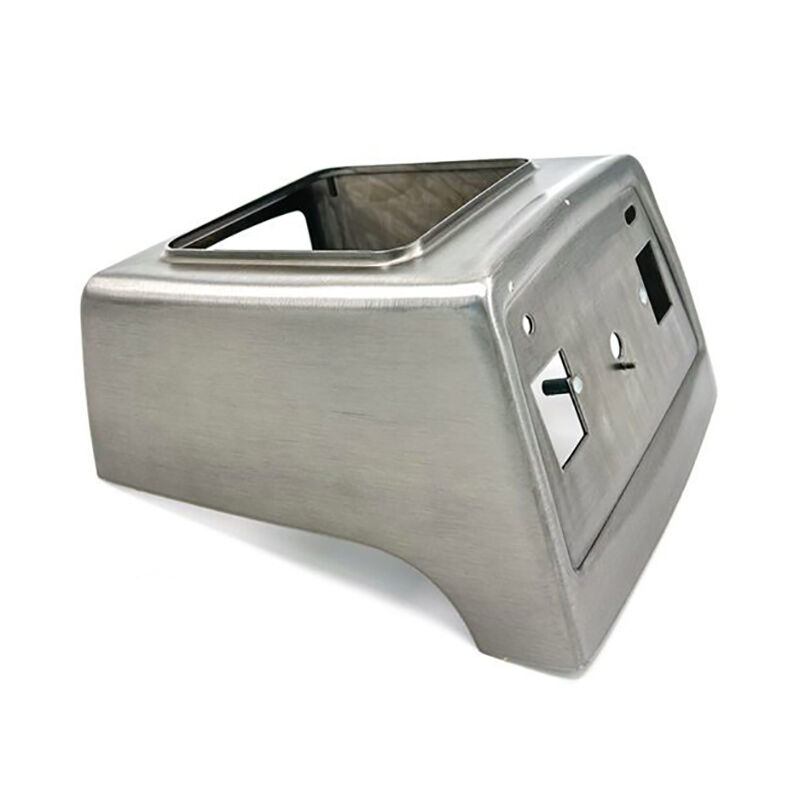
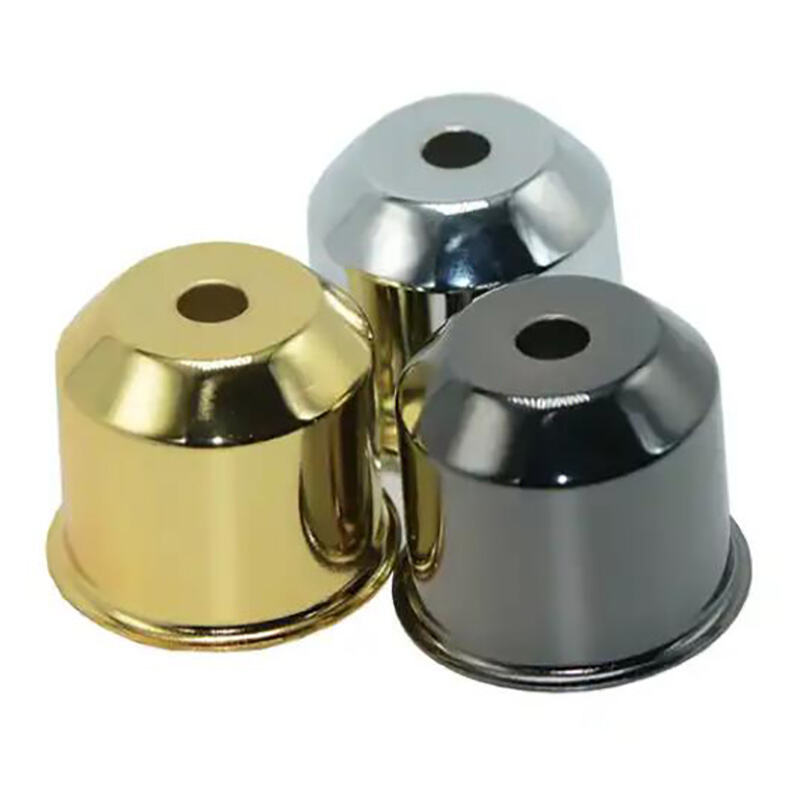
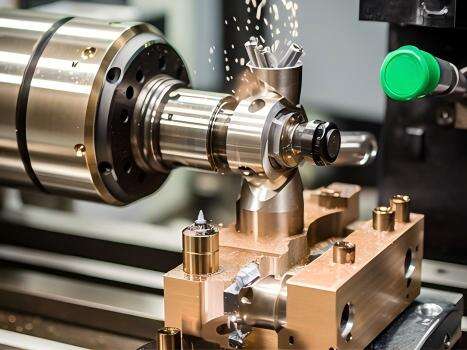
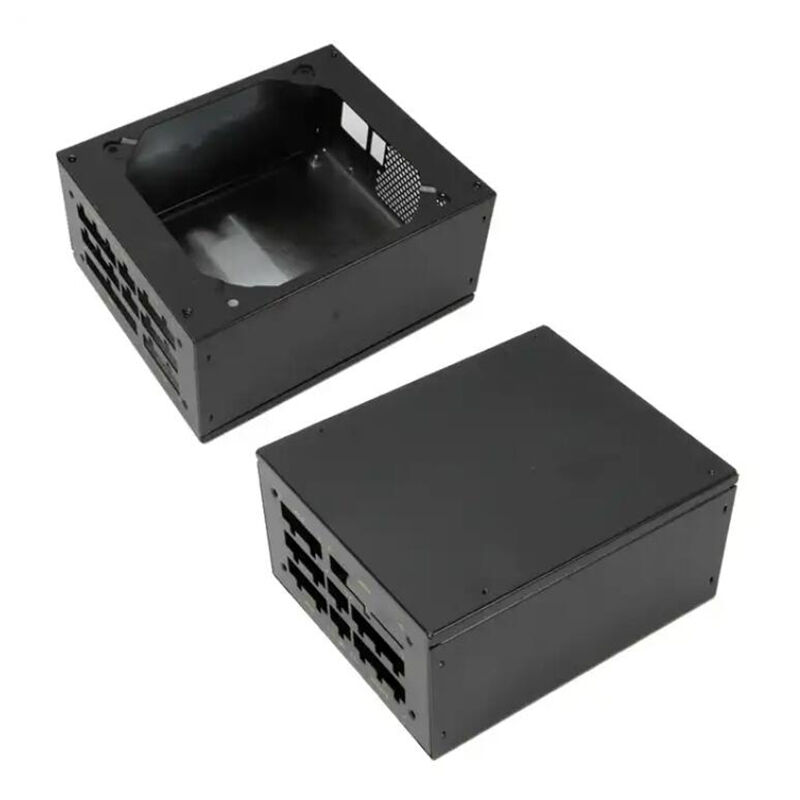
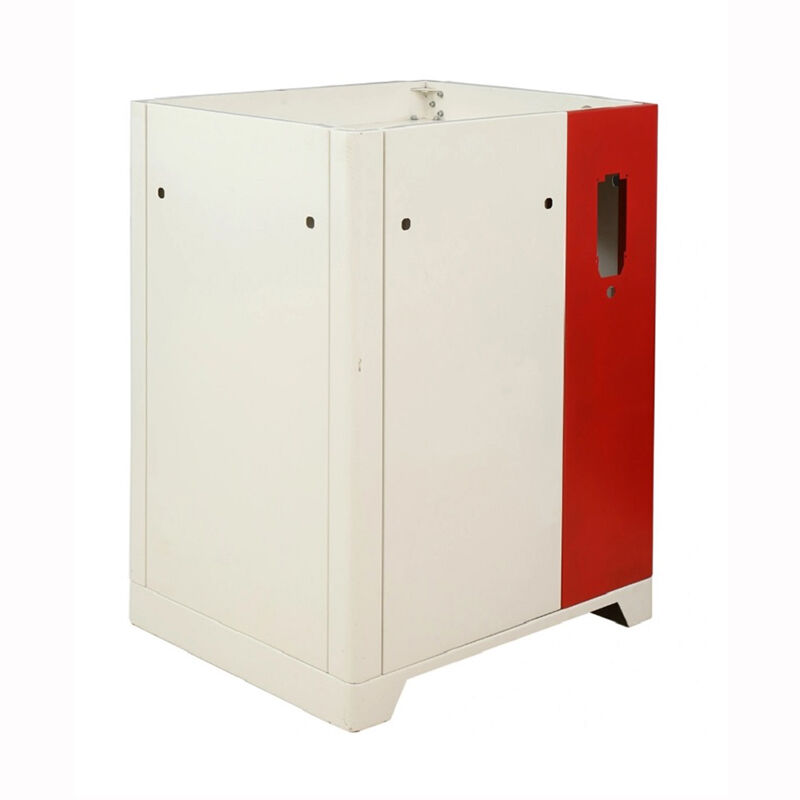
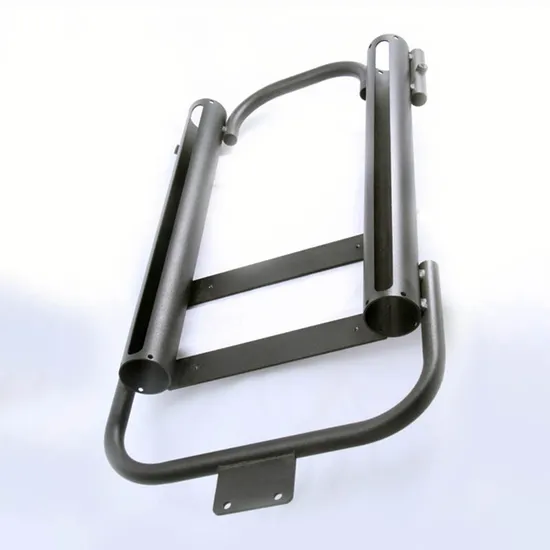
Precision steel fabrication represents a sophisticated manufacturing process that transforms raw steel materials into highly accurate, custom-engineered components and structures. This advanced metalworking discipline combines cutting-edge technology with skilled craftsmanship to produce steel products that meet exact specifications and stringent quality standards. The primary functions of precision steel fabrication encompass cutting, forming, welding, machining, and finishing operations that create components with tolerances measured in fractions of millimeters. Modern precision steel fabrication facilities utilize computer-controlled machinery, including CNC plasma cutters, laser cutting systems, and automated welding equipment to ensure consistent quality and dimensional accuracy across all manufactured parts. The technological features that define precision steel fabrication include advanced CAD/CAM software integration, real-time quality monitoring systems, and precise material handling equipment that maintains product integrity throughout the manufacturing process. These systems enable fabricators to work with various steel grades, from standard carbon steel to specialized alloy compositions, creating products that meet specific mechanical properties and performance requirements. Applications for precision steel fabrication span numerous industries, including aerospace, automotive, construction, energy, and medical device manufacturing. In aerospace applications, precision steel fabrication produces critical structural components that must withstand extreme conditions while maintaining exact weight specifications. The automotive industry relies on precision steel fabrication for chassis components, engine parts, and safety systems that require precise fitment and consistent performance. Construction projects utilize precision steel fabrication for structural frameworks, architectural elements, and specialized building components that form the backbone of modern infrastructure. Energy sector applications include components for power generation equipment, pipeline systems, and renewable energy installations that demand exceptional durability and performance under harsh operating conditions.

New Products

The advantages of precision steel fabrication deliver significant value to customers across multiple dimensions of their business operations. Superior accuracy stands as the most compelling benefit, with precision steel fabrication achieving tolerances within 0.001 inches, ensuring perfect fit and function in critical applications. This level of accuracy eliminates costly rework, reduces assembly time, and guarantees optimal performance in final applications. Quality consistency represents another major advantage, as precision steel fabrication employs standardized processes and rigorous quality control measures that produce identical results across large production runs. Customers benefit from reduced variability in their supply chain, improved product reliability, and enhanced reputation with their own clients. Cost efficiency emerges through optimized material utilization, reduced waste, and streamlined production processes that lower overall manufacturing costs. Precision steel fabrication minimizes material waste through advanced nesting software and precise cutting techniques, passing these savings directly to customers. Time savings constitute a crucial advantage, with precision steel fabrication completing projects faster than traditional methods through automated processes and efficient workflow management. Customers receive their products sooner, enabling faster time-to-market and improved project schedules. Design flexibility allows customers to create complex geometries and innovative solutions that would be impossible with conventional fabrication methods. Precision steel fabrication accommodates intricate designs, multiple material combinations, and specialized finishes that meet unique application requirements. Enhanced durability results from precise welding techniques, proper material selection, and quality finishing processes that extend product lifespan and reduce maintenance costs. Customers experience lower total cost of ownership through reduced replacement frequency and minimal repair requirements. Scalability benefits enable customers to adjust order quantities from prototype development through full-scale production without compromising quality or delivery schedules. Precision steel fabrication facilities maintain capacity flexibility that accommodates changing customer demands and market conditions. Technical support provides customers with engineering expertise throughout the design and manufacturing process, ensuring optimal solutions and successful project outcomes.

Practical Tips

Custom Metal Fabrication for Agricultural Machinery

18

Aug

Custom Metal Fabrication for Agricultural Machinery

Project Overview Date: June 2024 - September 2024Industry: Agricultural MachineryClient: Jan TheilierLocation: Germany   Project Description We were approached by a leading agricultural machinery manufacturer to develop a series of custom m...
View More

Get a Free Quote

Our engineers will provide you with a professional reply.
Your Name
Mobile
Email Address
WhatsApp
Subject
Attachment
Upload drawings or 3D model to see instant pricing, lead time and DFM feedback.
Up to 3 files,more 30mb,suppor jpg、jpeg、png、pdf、doc、docx、xls、xlsx、csv、txt
Message
0/1000

precision steel fabrication

Advanced CNC Technology Integration

Advanced CNC Technology Integration

The integration of advanced CNC technology in precision steel fabrication revolutionizes manufacturing capabilities and delivers unprecedented accuracy for complex steel components. Computer Numerical Control systems utilize sophisticated programming to guide cutting, forming, and machining operations with mathematical precision that exceeds human capabilities. This technology eliminates human error variables while maintaining consistent quality standards across thousands of manufactured parts. CNC plasma cutting systems can process steel sheets up to several inches thick while maintaining cutting tolerances within 0.005 inches, creating clean edges that require minimal finishing work. Laser cutting integration extends these capabilities further, enabling intricate patterns, fine details, and complex geometries that traditional cutting methods cannot achieve. The programmable nature of CNC systems allows for rapid design modifications without expensive tooling changes, providing customers with unprecedented flexibility in product development cycles. Multi-axis CNC machining centers perform complex three-dimensional operations that create finished components requiring minimal secondary processing. This comprehensive approach reduces handling time, minimizes potential damage during transfer between operations, and ensures dimensional stability throughout the manufacturing process. Real-time monitoring systems continuously track cutting parameters, tool wear, and dimensional accuracy, automatically adjusting operations to maintain optimal performance standards. Data collection capabilities provide detailed documentation of manufacturing processes, creating traceable quality records that meet stringent industry compliance requirements. The integration of CAD/CAM software enables seamless transition from design concepts to finished products, reducing programming time and eliminating potential translation errors between engineering and manufacturing departments. Automated tool changing systems maintain continuous production capabilities while ensuring optimal cutting performance through fresh tooling deployment. These technological advantages translate directly into customer benefits through reduced lead times, improved quality consistency, and enhanced design possibilities that support innovation in their respective markets.
Material Versatility and Specialized Processing

Material Versatility and Specialized Processing

Precision steel fabrication excels in processing diverse steel grades and specialized materials that meet unique application requirements across multiple industries. This material versatility encompasses everything from standard structural steels to exotic alloys designed for extreme service conditions. Carbon steel processing capabilities range from low-carbon grades suitable for general fabrication to high-carbon compositions requiring specialized heat treatment protocols. Stainless steel fabrication expertise includes austenitic, ferritic, and martensitic grades that provide corrosion resistance, high-temperature performance, and specific magnetic properties. Tool steel processing delivers hardened components capable of withstanding wear, impact, and repeated loading cycles in demanding applications. Alloy steel fabrication incorporates elements like chromium, molybdenum, and nickel to achieve enhanced strength, toughness, and environmental resistance properties. Specialized processing techniques accommodate materials with unique handling requirements, including proper storage, cutting parameters, and welding procedures that preserve material properties. Heat treatment capabilities include annealing, normalizing, quenching, and tempering processes that optimize mechanical properties for specific applications. Surface treatment options encompass galvanizing, powder coating, painting, and specialized platings that provide enhanced corrosion protection and aesthetic appeal. Quality testing procedures verify material properties through hardness testing, tensile strength evaluation, and chemical composition analysis that ensures compliance with specification requirements. Traceability systems maintain detailed records of material sources, processing parameters, and test results that support quality assurance programs and regulatory compliance needs. Material optimization services help customers select appropriate steel grades based on application requirements, environmental conditions, and cost considerations. Expert metallurgical knowledge guides material selection decisions and processing protocols that maximize component performance while minimizing costs. This comprehensive approach to material handling and processing provides customers with confidence in component reliability and long-term performance in their intended applications.
Quality Assurance and Compliance Standards

Quality Assurance and Compliance Standards

Comprehensive quality assurance programs in precision steel fabrication ensure consistent product excellence while meeting stringent industry compliance requirements across diverse market sectors. These systematic quality control measures begin with incoming material inspection that verifies chemical composition, mechanical properties, and dimensional specifications before processing begins. Advanced measurement equipment including coordinate measuring machines, optical comparators, and laser scanning systems provide precise dimensional verification throughout manufacturing processes. Statistical process control methods monitor key quality parameters in real-time, identifying potential variations before they impact product quality and enabling immediate corrective actions. Welding quality assurance programs employ certified welders working under documented procedures that ensure structural integrity and compliance with relevant codes and standards. Non-destructive testing capabilities including ultrasonic inspection, magnetic particle testing, and dye penetrant examination verify weld quality and detect potential defects before component delivery. Documentation systems maintain comprehensive records of all quality control activities, material certifications, and test results that support customer quality requirements and regulatory compliance needs. Calibration programs ensure measurement equipment maintains accuracy standards through regular verification against certified reference standards. Quality management systems certified to ISO 9001 standards provide structured approaches to continuous improvement and customer satisfaction enhancement. Supplier qualification programs evaluate material sources and subcontractors to ensure consistent quality throughout the entire supply chain. Final inspection procedures verify dimensional accuracy, surface finish quality, and overall workmanship before component packaging and shipment. Customer quality requirements receive specific attention through customized inspection plans that address unique specifications and performance criteria. Corrective action procedures address any quality issues promptly and systematically to prevent recurrence and maintain customer confidence. Quality training programs ensure personnel understand current procedures, standards, and best practices that support consistent quality delivery. These comprehensive quality assurance measures provide customers with confidence in component reliability, regulatory compliance, and long-term performance in critical applications where failure is not acceptable.

Get a Free Quote

Our engineers will provide you with a professional reply.
Your Name
Mobile
Email Address
WhatsApp
Subject
Attachment
Upload drawings or 3D model to see instant pricing, lead time and DFM feedback.
Up to 3 files,more 30mb,support jpg、jpeg、png、pdf、doc、docx、xls、xlsx、csv、txt、stp、step、igs、x_t、dxf、prt、sldprt、sat、rar、zip
Message
0/1000