plate steel fabrication
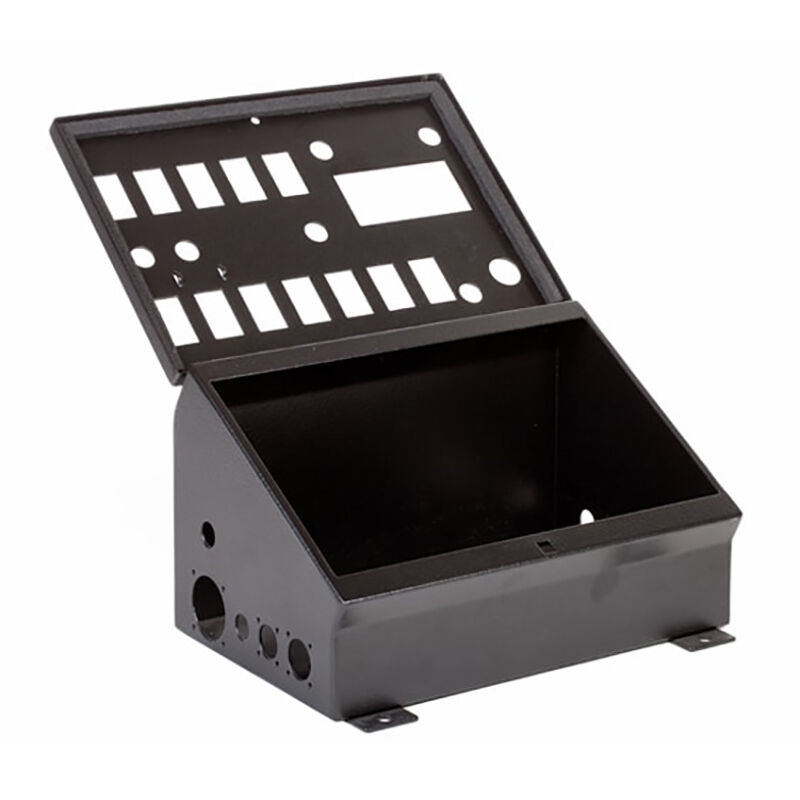
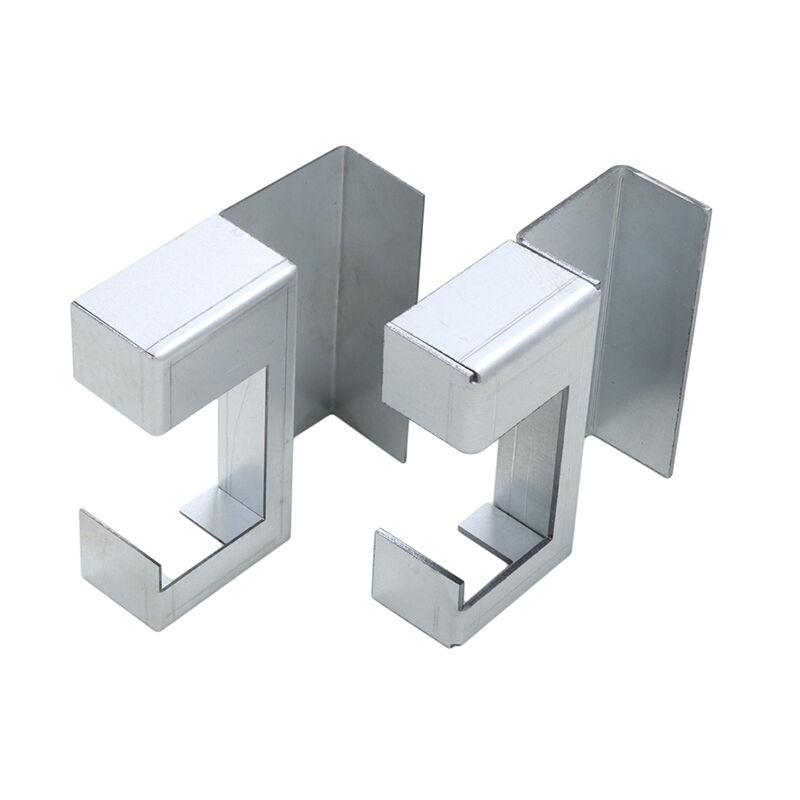
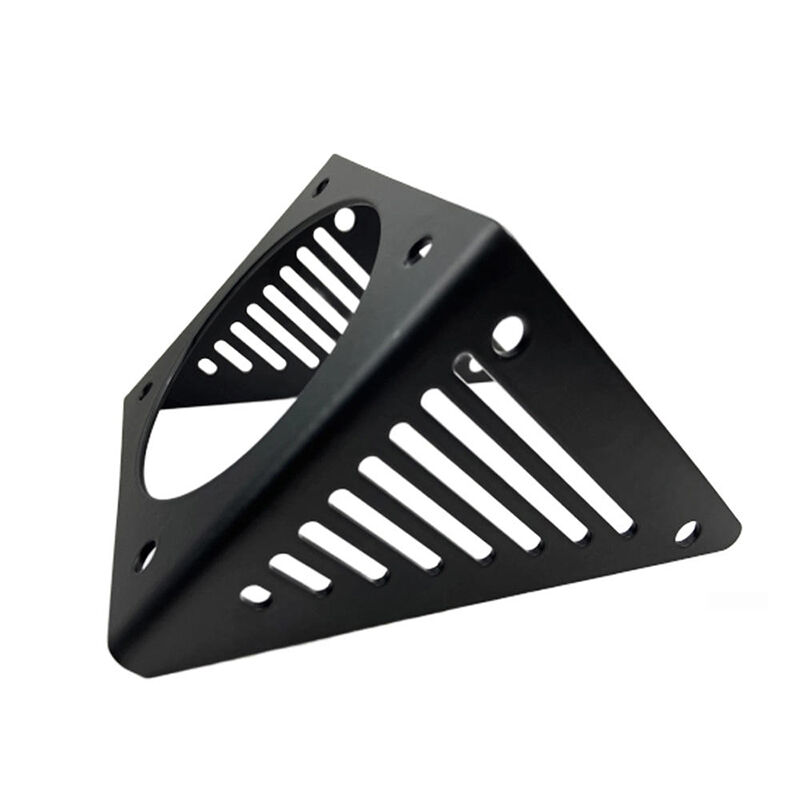
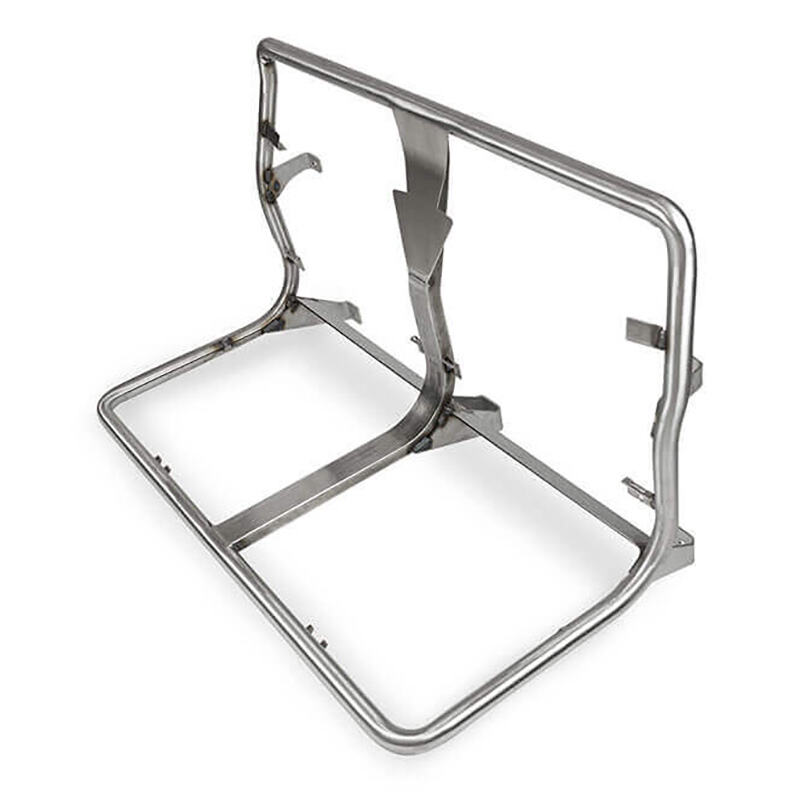
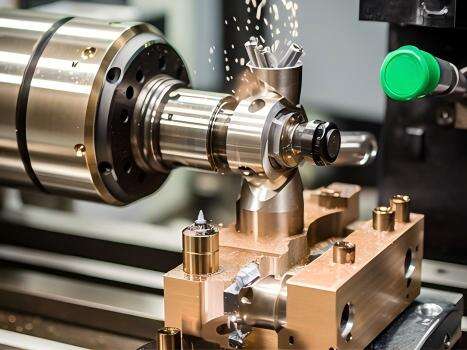
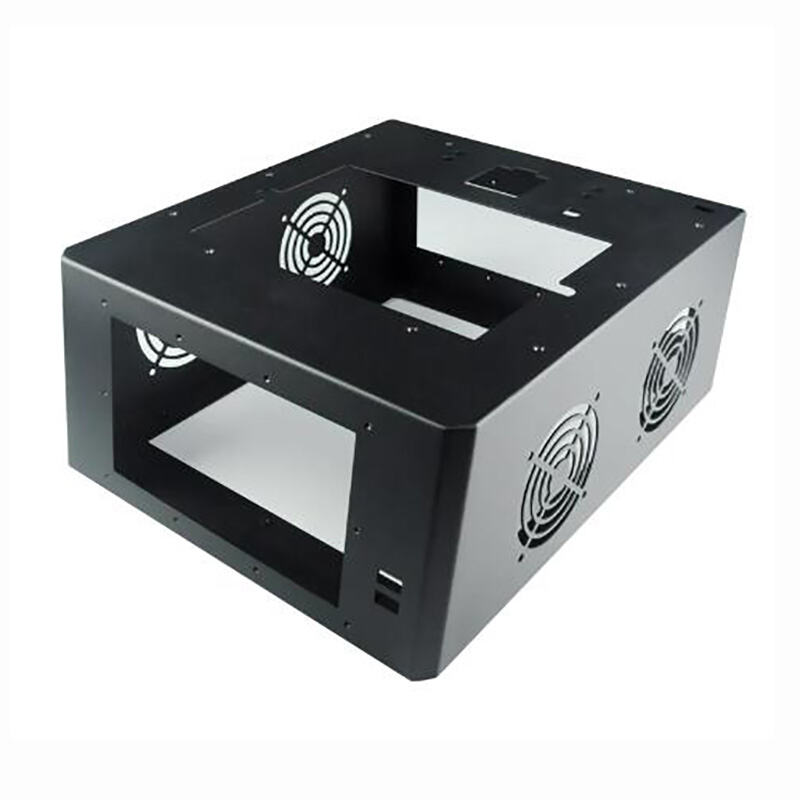
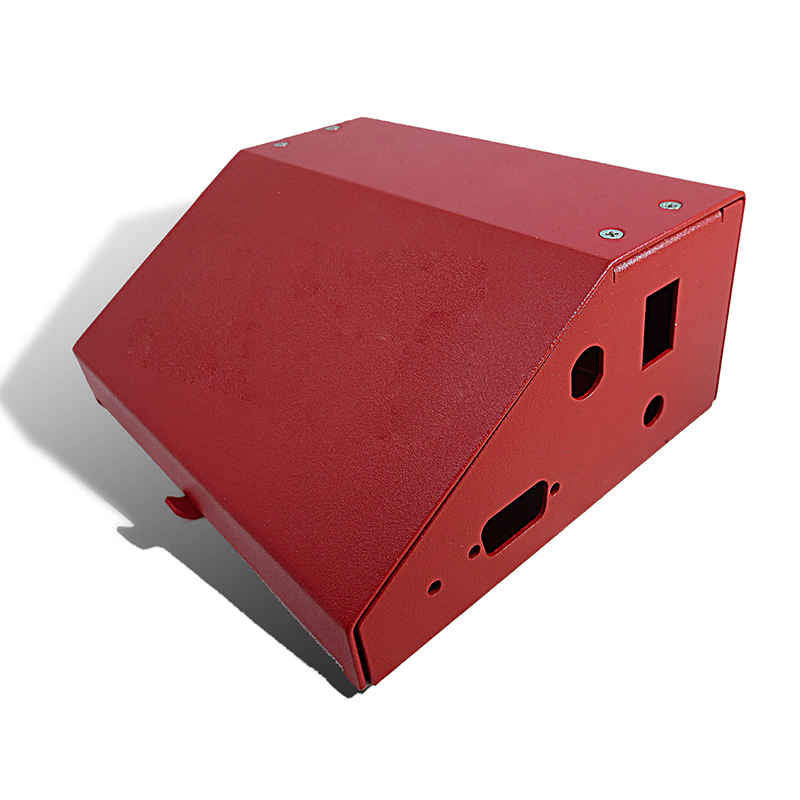
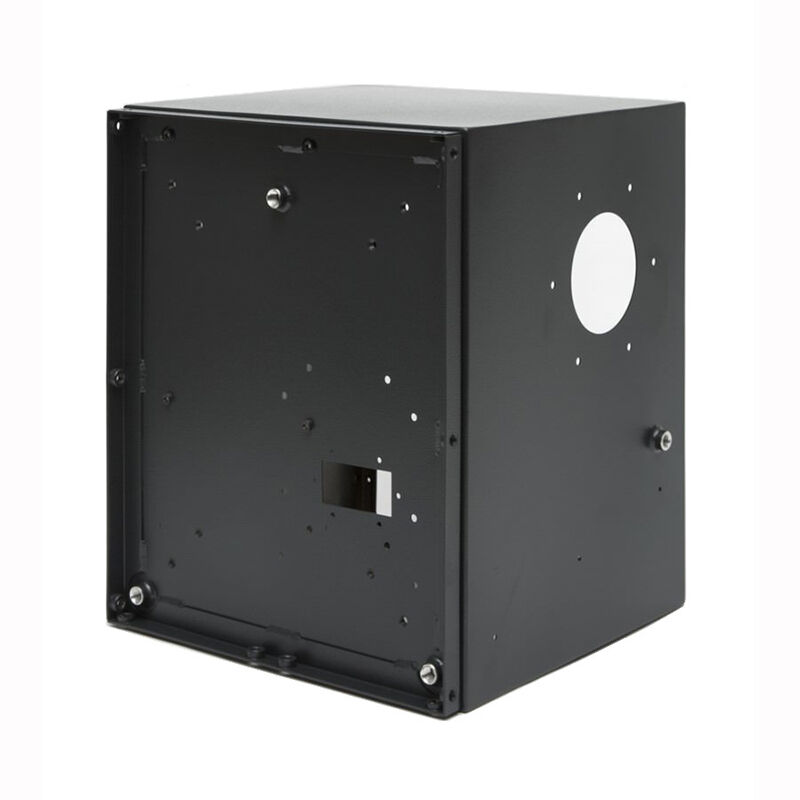
Plate steel fabrication represents a comprehensive manufacturing process that transforms raw steel plates into engineered structures and components for diverse industrial applications. This sophisticated metalworking technique involves cutting, shaping, welding, and assembling steel plates to create custom products that meet specific design requirements and performance standards. The main functions of plate steel fabrication include structural engineering, precision machining, surface treatment, and quality assurance testing. Modern plate steel fabrication facilities utilize advanced technologies such as computer numerical control cutting systems, automated welding equipment, and three-dimensional modeling software to ensure accuracy and efficiency throughout the production process. The technological features of plate steel fabrication encompass plasma cutting capabilities, laser cutting precision, robotic welding systems, and comprehensive inspection protocols. These advanced manufacturing methods enable fabricators to work with various steel grades, including carbon steel, stainless steel, and specialized alloy compositions. The applications of plate steel fabrication span multiple industries, including construction, oil and gas, marine engineering, power generation, and heavy machinery manufacturing. In construction projects, plate steel fabrication produces structural beams, columns, and architectural elements that form the backbone of commercial and industrial buildings. The oil and gas sector relies on plate steel fabrication for pressure vessels, storage tanks, and pipeline components that withstand extreme operating conditions. Marine applications include ship hulls, offshore platforms, and port infrastructure that require exceptional durability and corrosion resistance. Power generation facilities depend on plate steel fabrication for boiler components, turbine housings, and transmission structures that ensure reliable energy production. The versatility of plate steel fabrication makes it an essential manufacturing process for creating custom solutions that meet stringent engineering specifications while maintaining cost-effectiveness and production efficiency.
 EN
EN