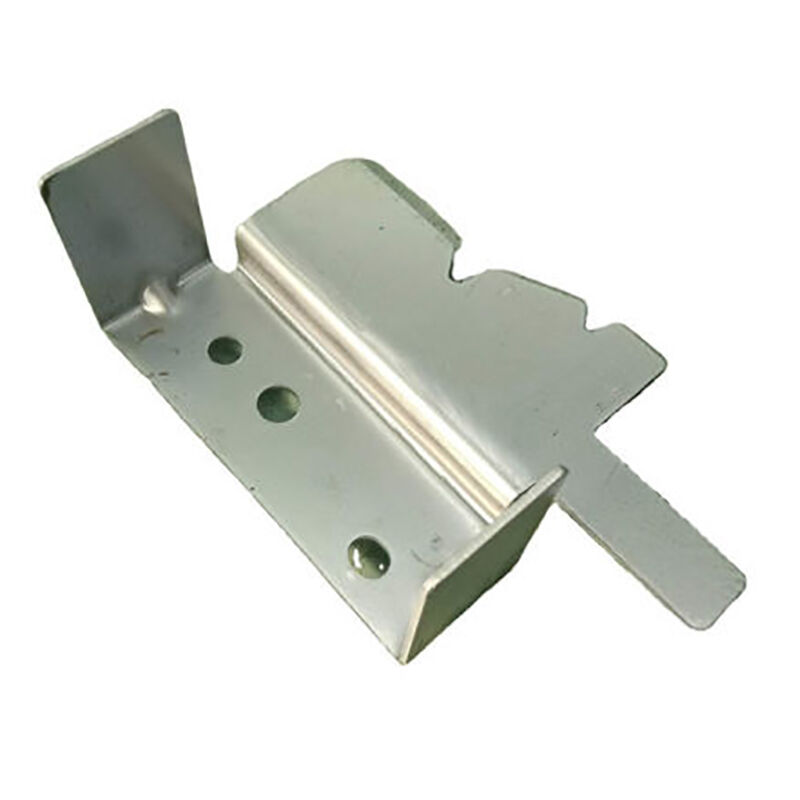
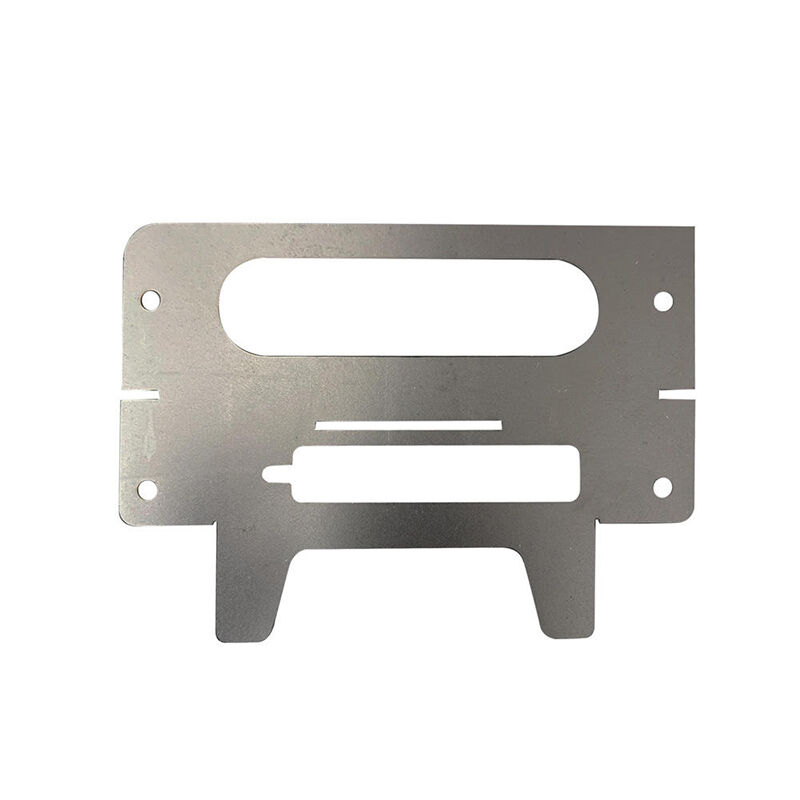
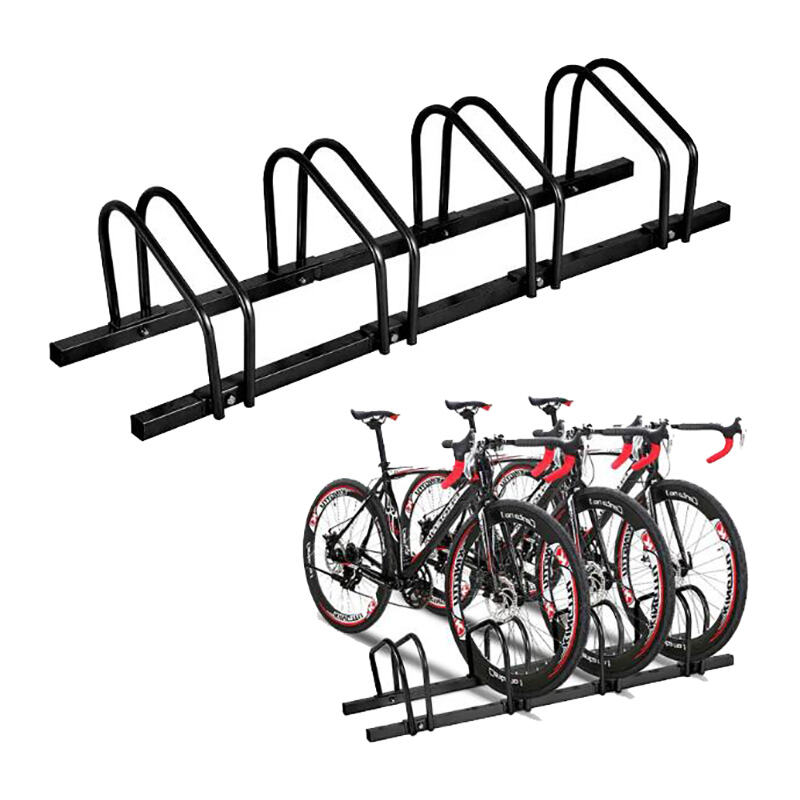
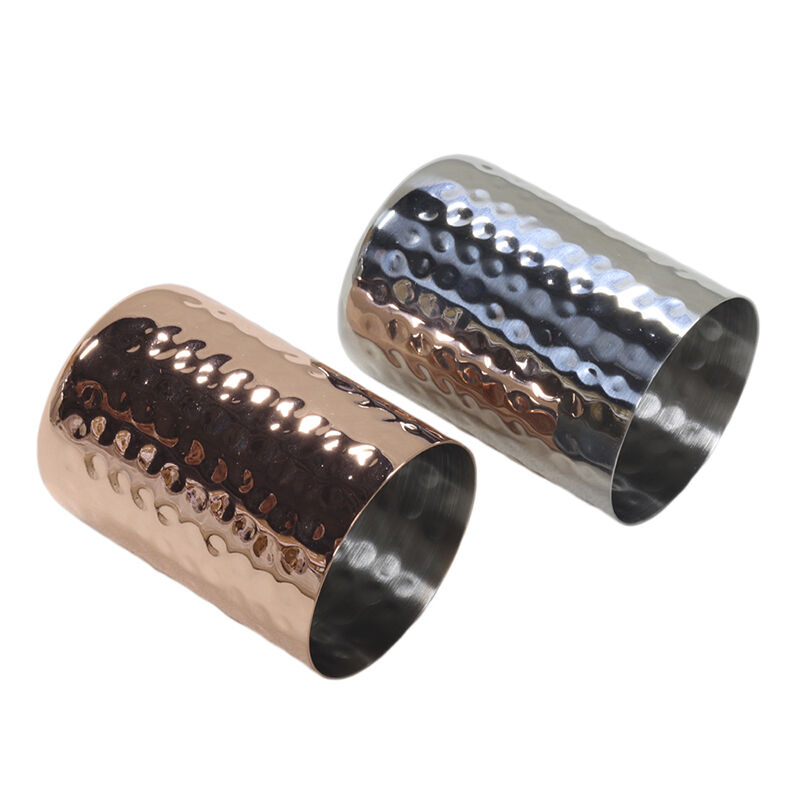
Professional Steel Fabrication Welding Services - Superior Strength & Precision Joining Solutions

Get a Free Quote

Our engineers will provide you with a professional reply.
Your Name
Mobile
Email Address
WhatsApp
Subject
Attachment
Upload drawings or 3D model to see instant pricing, lead time and DFM feedback.
Up to 3 files,more 30mb,support jpg、jpeg、png、pdf、doc、docx、xls、xlsx、csv、txt、stp、step、igs、x_t、dxf、prt、sldprt、sat、rar、zip
Message
0/1000

steel fabrication welding

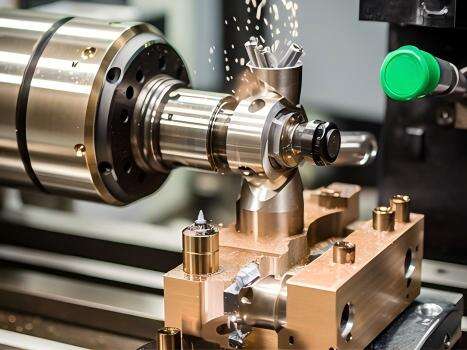
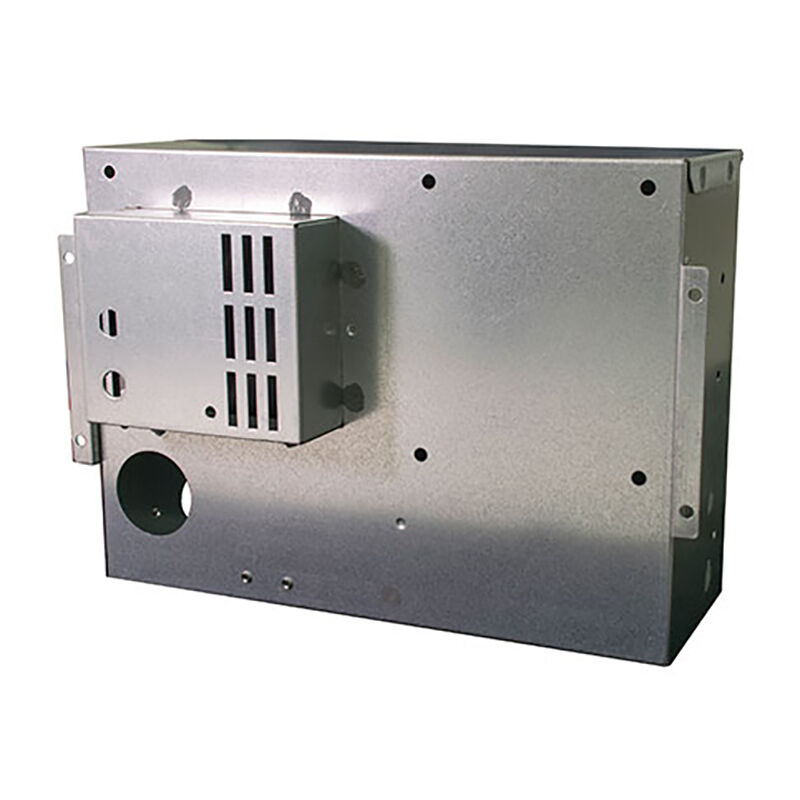
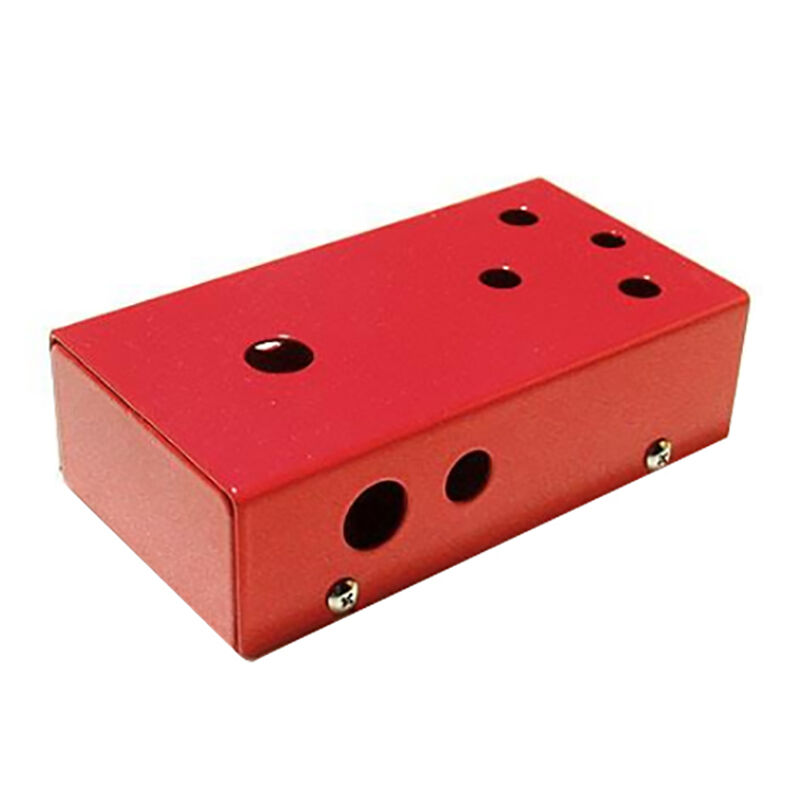
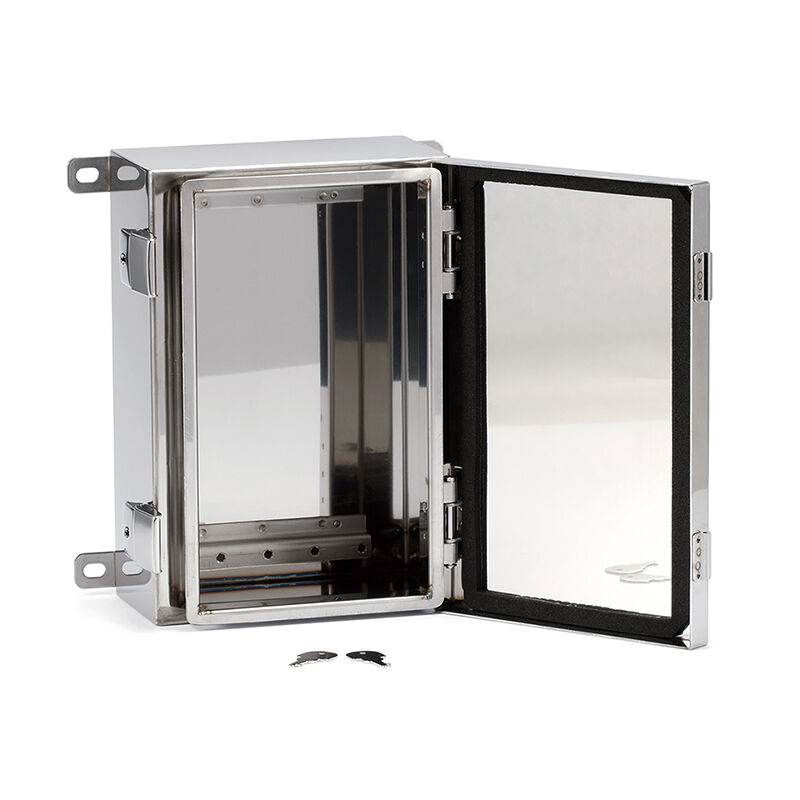
Steel fabrication welding represents a cornerstone process in modern manufacturing and construction industries, serving as the primary method for joining steel components to create durable, reliable structures. This specialized technique involves the fusion of steel materials through controlled heat application, creating permanent bonds that often exceed the strength of the original base materials. Steel fabrication welding encompasses various methodologies including arc welding, MIG welding, TIG welding, and stick welding, each tailored to specific project requirements and material specifications. The process begins with precise preparation of steel surfaces, followed by the application of intense heat that melts the steel edges, allowing them to fuse together as they cool and solidify. Modern steel fabrication welding operations utilize advanced equipment and cutting-edge technologies to ensure consistent quality and precision in every joint. The technological features of steel fabrication welding include computer-controlled welding systems, automated positioning equipment, and sophisticated monitoring devices that track temperature, penetration depth, and weld quality in real-time. These systems enable welders to achieve exceptional accuracy while maintaining productivity standards essential for commercial operations. Quality control measures in steel fabrication welding involve non-destructive testing methods such as ultrasonic inspection, radiographic examination, and magnetic particle testing to verify weld integrity. The applications of steel fabrication welding span numerous industries including construction of skyscrapers, bridges, and industrial facilities, manufacturing of heavy machinery, automotive components, shipbuilding, pipeline construction, and aerospace applications. In architectural projects, steel fabrication welding enables the creation of complex structural frameworks that support massive loads while maintaining aesthetic appeal. Industrial applications rely on steel fabrication welding for creating pressure vessels, storage tanks, and processing equipment that must withstand extreme conditions and corrosive environments.

Popular Products

Steel fabrication welding offers numerous compelling advantages that make it the preferred choice for joining steel components across diverse industries and applications. The primary benefit lies in creating exceptionally strong joints that often surpass the strength characteristics of the original steel materials, ensuring long-lasting structural integrity under demanding conditions. This superior strength-to-weight ratio makes steel fabrication welding ideal for applications where maximum performance with minimal material usage is essential. Cost-effectiveness represents another significant advantage, as steel fabrication welding eliminates the need for additional fasteners, adhesives, or mechanical joining methods, reducing both material costs and labor expenses. The process allows for precise control over joint geometry and penetration depth, enabling engineers to optimize designs for specific load requirements while maintaining safety margins. Versatility stands out as a key strength, with steel fabrication welding capable of joining various steel grades, thicknesses, and configurations, from thin sheet metal to massive structural beams weighing several tons. The permanent nature of welded joints eliminates concerns about loosening fasteners or degrading adhesives over time, providing maintenance-free connections that retain their strength throughout the structure's service life. Speed and efficiency in production make steel fabrication welding highly attractive for commercial operations, as skilled welders can complete joints rapidly while maintaining consistent quality standards. The process adapts easily to both automated production lines and custom fabrication projects, offering flexibility that meets diverse manufacturing requirements. Environmental benefits include the recyclability of welded steel structures and the elimination of consumable fasteners that might require replacement over time. Quality assurance capabilities through advanced testing methods ensure that every weld meets or exceeds specified performance criteria, providing confidence in structural reliability. Design freedom represents another advantage, as steel fabrication welding enables complex geometries and innovative architectural features that would be impossible with mechanical fastening systems. The process also provides excellent resistance to dynamic loading, vibration, and fatigue conditions that commonly affect steel structures in service. Economic benefits extend beyond initial construction costs to include reduced maintenance requirements, extended service life, and enhanced property values for structures utilizing high-quality steel fabrication welding techniques.

Latest News

Custom Metal Fabrication for Agricultural Machinery

18

Aug

Custom Metal Fabrication for Agricultural Machinery

Project Overview Date: June 2024 - September 2024Industry: Agricultural MachineryClient: Jan TheilierLocation: Germany   Project Description We were approached by a leading agricultural machinery manufacturer to develop a series of custom m...
View More

Get a Free Quote

Our engineers will provide you with a professional reply.
Your Name
Mobile
Email Address
WhatsApp
Subject
Attachment
Upload drawings or 3D model to see instant pricing, lead time and DFM feedback.
Up to 3 files,more 30mb,suppor jpg、jpeg、png、pdf、doc、docx、xls、xlsx、csv、txt
Message
0/1000

steel fabrication welding

Unmatched Structural Integrity and Load-Bearing Capacity

Unmatched Structural Integrity and Load-Bearing Capacity

Steel fabrication welding delivers unparalleled structural integrity through the creation of molecular-level bonds between steel components, resulting in joints that frequently exceed the strength of the base materials themselves. This remarkable characteristic stems from the fusion process that occurs during welding, where intense heat causes the steel molecules to intermingle and form a continuous crystalline structure across the joint interface. The resulting connection behaves as a single, unified piece of steel rather than two separate components held together by external means. This molecular fusion creates exceptional resistance to tensile, compressive, and shear forces, making steel fabrication welding the optimal choice for critical structural applications where failure is not an option. The load-bearing capacity of properly executed steel fabrication welding often allows engineers to reduce material usage while maintaining safety factors, leading to more efficient and economical designs. Advanced welding techniques ensure complete penetration through the material thickness, eliminating weak points that could compromise structural performance under extreme loading conditions. The consistency of strength across the entire welded joint provides predictable performance characteristics that engineers can rely upon for precise calculations and safe design practices. Steel fabrication welding also demonstrates exceptional resistance to fatigue loading, a critical consideration for structures subjected to repetitive stress cycles such as bridges, cranes, and industrial machinery. The homogeneous nature of welded joints prevents stress concentrations that commonly occur at mechanical fastener locations, significantly extending the service life of welded structures. Quality control measures including ultrasonic testing and radiographic inspection verify the internal soundness of each weld, ensuring that the full load-bearing potential is realized in every application. This superior structural integrity translates directly into enhanced safety margins, reduced insurance costs, and increased confidence in the long-term performance of steel structures utilizing professional steel fabrication welding services.
Exceptional Versatility and Design Freedom

Exceptional Versatility and Design Freedom

Steel fabrication welding provides unprecedented versatility and design freedom that enables engineers and architects to realize complex visions while maintaining structural efficiency and aesthetic appeal. This flexibility stems from the ability to join steel components of varying sizes, shapes, and grades using appropriate welding techniques tailored to specific material properties and application requirements. Unlike mechanical fastening systems that require standardized connection points and predetermined geometries, steel fabrication welding adapts to virtually any configuration, allowing for seamless integration of curved elements, angular transitions, and custom profiles that would be impossible to achieve through conventional joining methods. The process accommodates steel thicknesses ranging from thin gauge sheet metal to massive structural sections exceeding several inches in thickness, providing solutions for applications spanning delicate architectural details to heavy industrial frameworks. Advanced steel fabrication welding techniques enable the joining of dissimilar steel grades, expanding design possibilities by allowing engineers to optimize material selection for specific performance requirements within a single structure. This capability proves particularly valuable in applications where different sections experience varying stress levels, temperatures, or corrosive conditions. The absence of bulky connection hardware associated with bolted or riveted joints creates clean, streamlined appearances that enhance aesthetic appeal while reducing maintenance requirements. Steel fabrication welding also facilitates the creation of hollow structural sections and enclosed spaces that would be extremely difficult or impossible to achieve using mechanical fasteners. The process enables efficient material utilization by eliminating the need for reinforcement plates, gussets, and other connection hardware required by alternative joining methods. Custom fabrication capabilities allow for the creation of unique architectural features, artistic elements, and specialized industrial components that meet exact specifications while maintaining structural integrity. The design freedom provided by steel fabrication welding extends to repair and modification applications, where existing structures can be enhanced, reinforced, or adapted to new requirements without compromising their fundamental integrity or requiring complete reconstruction.
Superior Cost-Effectiveness and Long-Term Value

Superior Cost-Effectiveness and Long-Term Value

Steel fabrication welding delivers exceptional cost-effectiveness and long-term value through multiple economic advantages that benefit both initial construction budgets and lifecycle ownership costs. The elimination of mechanical fasteners such as bolts, rivets, and connecting plates significantly reduces material expenses while simultaneously decreasing labor requirements associated with drilling, fitting, and installation of these components. This streamlined approach to joining steel components translates into faster project completion times, reducing overall construction costs and enabling earlier project occupancy or production startup. The permanent nature of welded connections eliminates ongoing maintenance expenses related to fastener inspection, tightening, and replacement that plague mechanically joined structures throughout their service lives. Steel fabrication welding creates weatherproof seals that prevent moisture infiltration and corrosion at connection points, extending the overall lifespan of steel structures and reducing protective coating requirements. The superior fatigue resistance of welded joints compared to bolted connections results in extended service life and reduced replacement costs over the structure's operational period. Quality welding practices ensure that repairs and maintenance focus on predictable wear items rather than unexpected connection failures, enabling more accurate budgeting and planning for facility management. The efficiency gains achieved through steel fabrication welding compound over time, as the reduced maintenance requirements free up resources for productive activities rather than constant structural upkeep. Insurance benefits often accompany structures utilizing professional steel fabrication welding due to the enhanced reliability and safety characteristics of properly welded connections. The resale value of buildings and equipment featuring high-quality steel fabrication welding typically exceeds that of comparable structures using alternative joining methods, providing additional return on investment. Energy efficiency improvements result from the superior sealing characteristics of welded joints, reducing air infiltration and improving thermal performance in climate-controlled environments. The scalability of steel fabrication welding operations allows for cost optimization across projects of varying sizes, from small custom fabrications to large industrial installations, ensuring competitive pricing regardless of project scope while maintaining consistent quality standards that protect long-term value investments.

Get a Free Quote

Our engineers will provide you with a professional reply.
Your Name
Mobile
Email Address
WhatsApp
Subject
Attachment
Upload drawings or 3D model to see instant pricing, lead time and DFM feedback.
Up to 3 files,more 30mb,support jpg、jpeg、png、pdf、doc、docx、xls、xlsx、csv、txt、stp、step、igs、x_t、dxf、prt、sldprt、sat、rar、zip
Message
0/1000