Professional Metal Steel Fabrication Services - Custom Design & Manufacturing Solutions

Get a Free Quote

Our engineers will provide you with a professional reply.
Your Name
Mobile
Email Address
WhatsApp
Subject
Attachment
Upload drawings or 3D model to see instant pricing, lead time and DFM feedback.
Up to 3 files,more 30mb,support jpg、jpeg、png、pdf、doc、docx、xls、xlsx、csv、txt、stp、step、igs、x_t、dxf、prt、sldprt、sat、rar、zip
Message
0/1000

metal steel fabrication

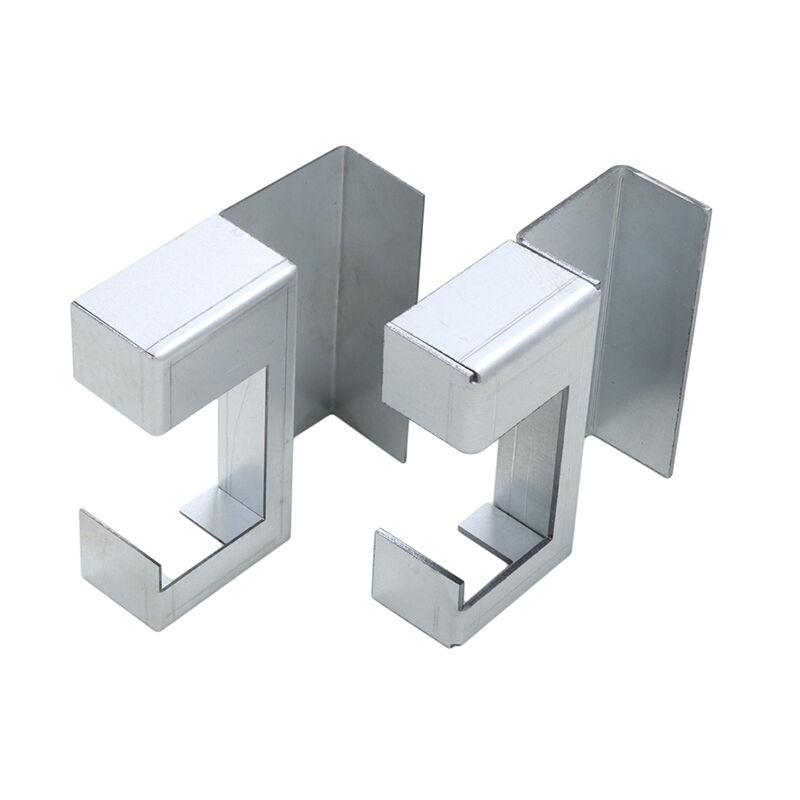
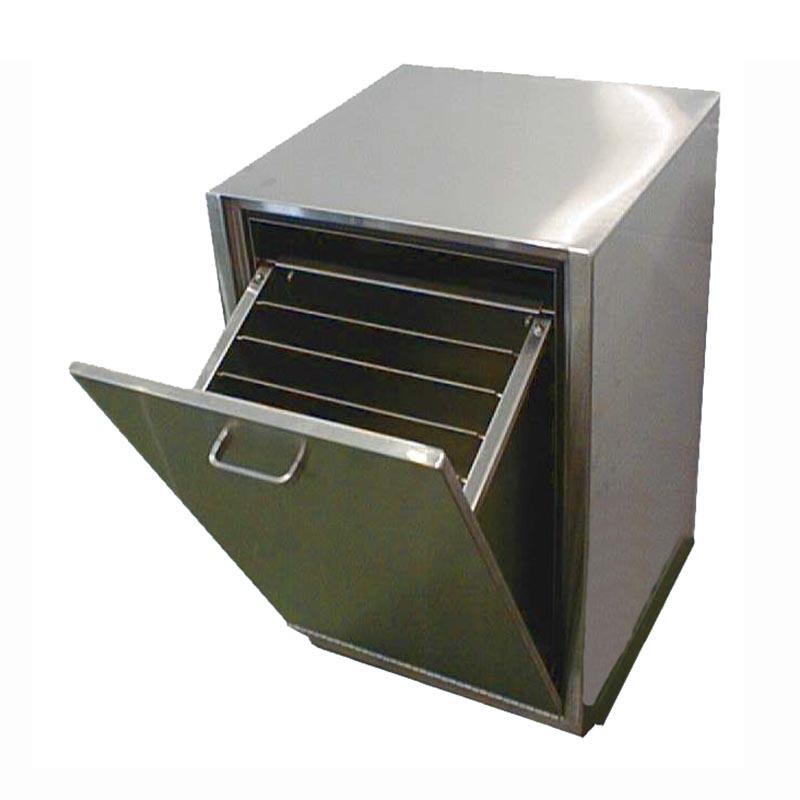
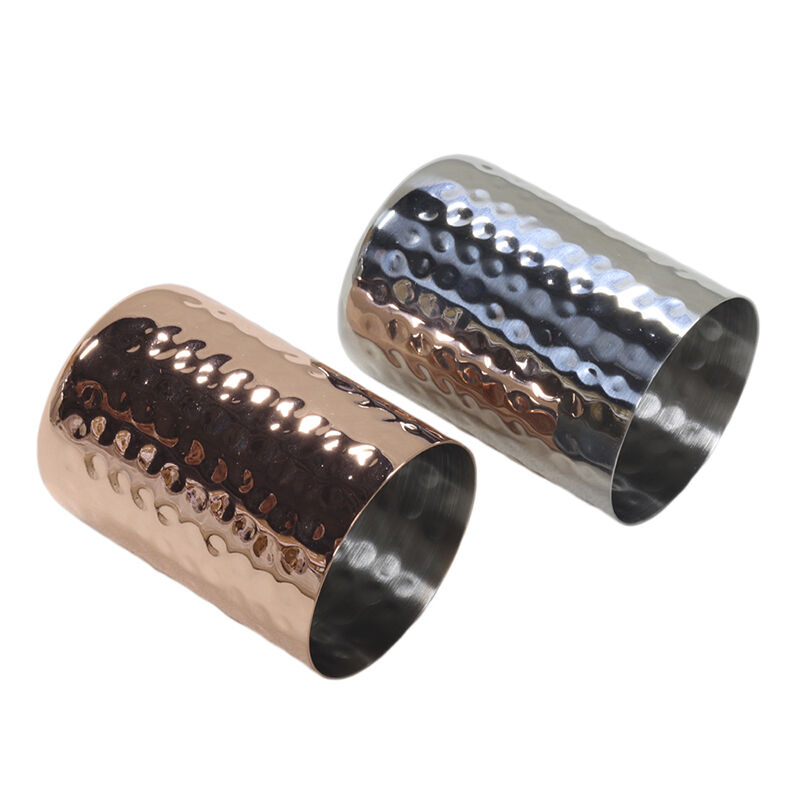
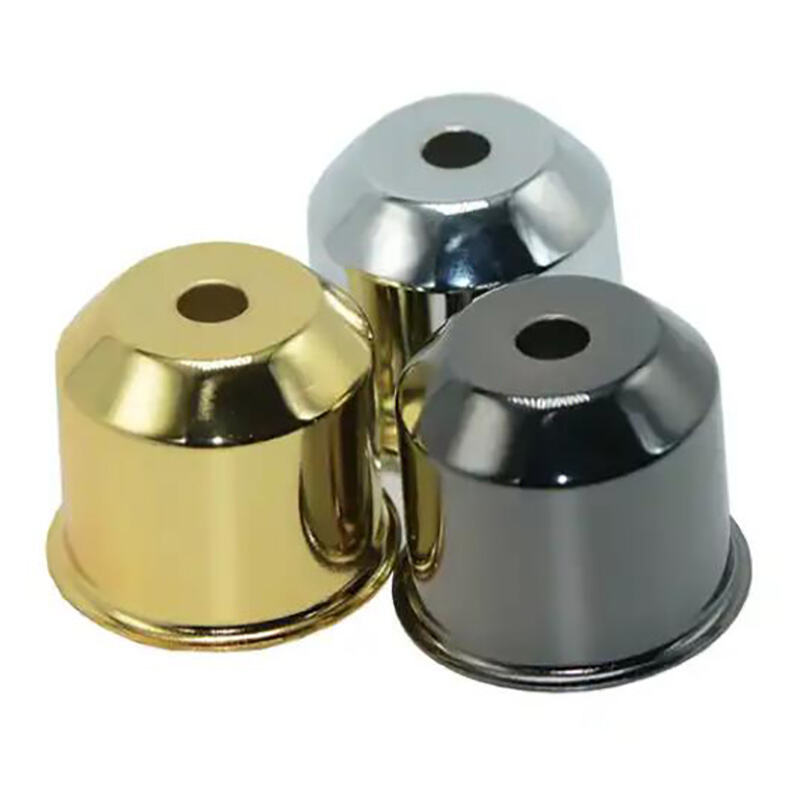
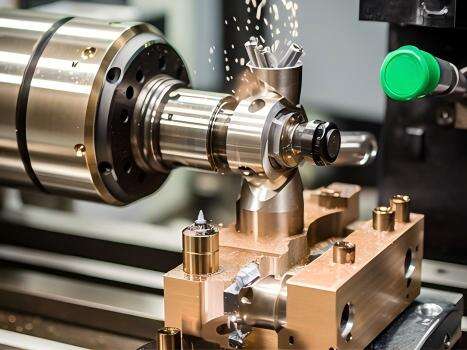
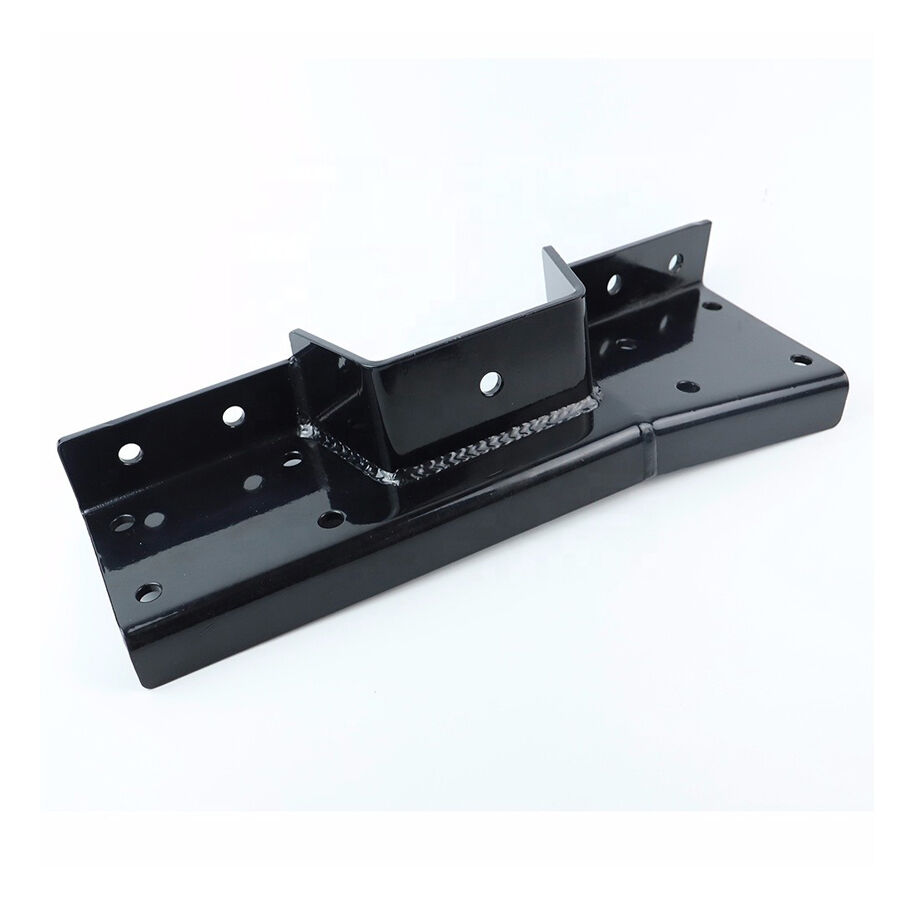
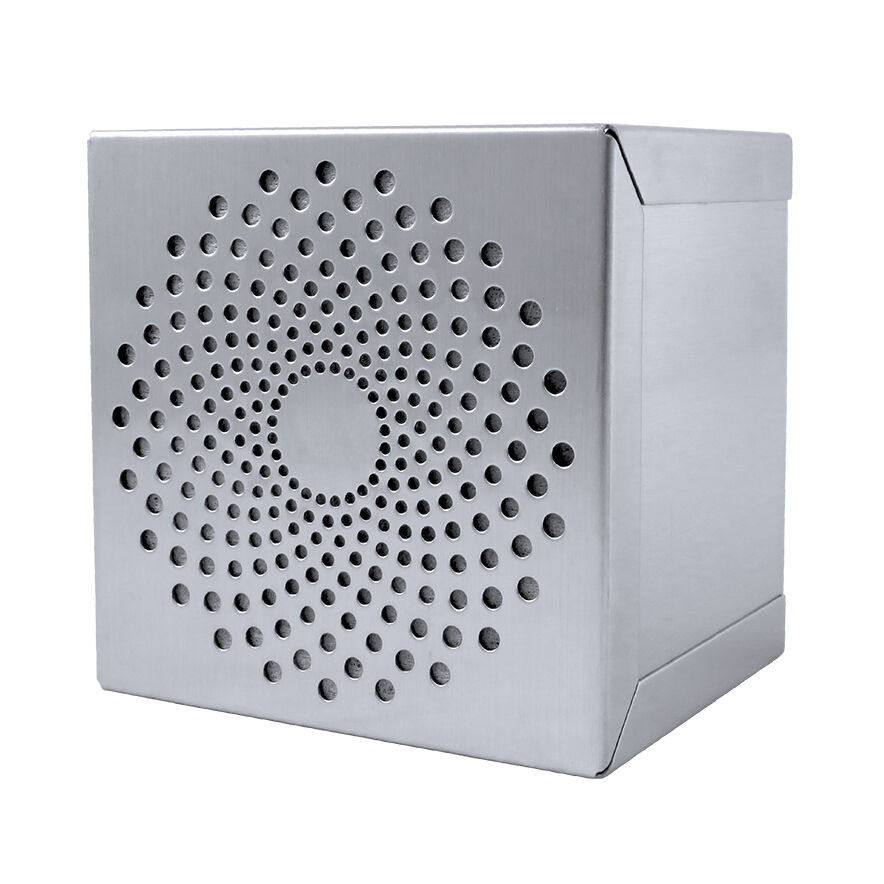
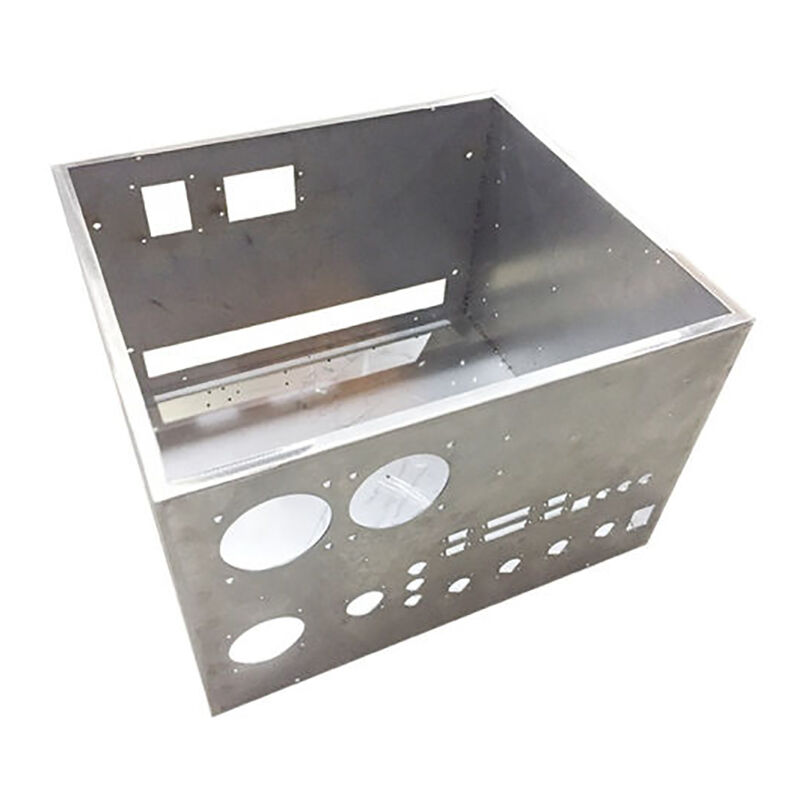
Metal steel fabrication represents a comprehensive manufacturing process that transforms raw steel materials into finished products through cutting, shaping, welding, and assembly techniques. This industrial process serves as the backbone of modern construction, infrastructure development, and manufacturing across diverse sectors. Metal steel fabrication combines traditional craftsmanship with advanced technology to create structures ranging from simple brackets to complex architectural frameworks. The process begins with detailed engineering drawings and specifications, followed by material selection based on strength requirements, environmental conditions, and cost considerations. Skilled fabricators utilize various techniques including plasma cutting, laser cutting, press brake forming, and precision welding to achieve desired specifications. The technological features of metal steel fabrication include computer-aided design (CAD) software integration, automated cutting systems, and quality control mechanisms that ensure dimensional accuracy and structural integrity. Modern fabrication facilities employ state-of-the-art equipment such as CNC machines, robotic welding systems, and advanced material handling equipment to enhance productivity and precision. The applications of metal steel fabrication span numerous industries including construction, automotive, aerospace, marine, oil and gas, and renewable energy sectors. In construction, metal steel fabrication produces structural beams, columns, staircases, railings, and architectural elements that form the skeleton of buildings and infrastructure projects. The automotive industry relies on metal steel fabrication for chassis components, body panels, and safety structures. Aerospace applications demand high-precision fabrication for aircraft frames, engine components, and landing gear systems. The process also supports the manufacturing of industrial equipment, machinery components, storage tanks, and transportation infrastructure. Environmental considerations have led to increased focus on sustainable practices within metal steel fabrication, including recycling initiatives and energy-efficient production methods that minimize waste and reduce environmental impact.

New Products

Metal steel fabrication offers numerous compelling advantages that make it an indispensable choice for modern manufacturing and construction projects. The primary benefit lies in the exceptional strength-to-weight ratio that steel provides, enabling the creation of robust structures while maintaining manageable weight considerations. This characteristic allows engineers and designers to develop innovative solutions that were previously impossible with other materials. The durability of fabricated steel products ensures long-term performance in demanding environments, reducing maintenance costs and extending service life significantly. Unlike other materials that may deteriorate quickly under stress or environmental exposure, properly fabricated steel maintains its structural integrity for decades. Cost-effectiveness represents another major advantage of metal steel fabrication, as steel remains one of the most economical materials for large-scale projects. The efficiency of the fabrication process allows for rapid production of components, reducing project timelines and labor costs. Bulk purchasing of steel materials and streamlined manufacturing processes contribute to overall project savings. The versatility of metal steel fabrication enables customization to meet specific project requirements, regardless of complexity or scale. Fabricators can create unique designs, modify existing plans, and accommodate special specifications without compromising quality or performance. This flexibility extends to various finishing options, including galvanizing, powder coating, and specialized treatments that enhance appearance and corrosion resistance. Quality control measures inherent in professional metal steel fabrication ensure consistent results that meet or exceed industry standards. Rigorous testing procedures, dimensional inspections, and material certifications provide confidence in the final product. The recyclability of steel makes metal steel fabrication an environmentally responsible choice, as steel can be recycled multiple times without losing its fundamental properties. This sustainability aspect aligns with modern environmental initiatives and green building practices. The speed of metal steel fabrication allows for faster project completion compared to alternative materials and methods. Pre-fabrication capabilities enable simultaneous site preparation and component manufacturing, significantly reducing overall project duration. The compatibility of steel with various joining methods, including welding, bolting, and riveting, provides flexibility in assembly and future modifications. Professional fabrication services offer comprehensive project management, from initial design consultation through final installation, ensuring seamless execution and customer satisfaction.

Tips And Tricks

Custom Metal Fabrication for Agricultural Machinery

18

Aug

Custom Metal Fabrication for Agricultural Machinery

Project Overview Date: June 2024 - September 2024Industry: Agricultural MachineryClient: Jan TheilierLocation: Germany   Project Description We were approached by a leading agricultural machinery manufacturer to develop a series of custom m...
View More

Get a Free Quote

Our engineers will provide you with a professional reply.
Your Name
Mobile
Email Address
WhatsApp
Subject
Attachment
Upload drawings or 3D model to see instant pricing, lead time and DFM feedback.
Up to 3 files,more 30mb,suppor jpg、jpeg、png、pdf、doc、docx、xls、xlsx、csv、txt
Message
0/1000

metal steel fabrication

Advanced Precision Manufacturing Technology

Advanced Precision Manufacturing Technology

Metal steel fabrication has evolved dramatically with the integration of advanced precision manufacturing technology that revolutionizes traditional production methods. Modern fabrication facilities employ computer numerical control (CNC) machinery that delivers unprecedented accuracy in cutting, shaping, and forming steel components. These automated systems utilize sophisticated software programs that translate complex engineering drawings into precise machine instructions, eliminating human error and ensuring consistent dimensional accuracy across all produced components. Laser cutting technology represents a significant advancement in metal steel fabrication, offering clean, precise cuts with minimal material waste and exceptional edge quality. This technology enables fabricators to work with intricate designs and tight tolerances that would be challenging or impossible with conventional cutting methods. Plasma cutting systems provide efficient processing of thick steel sections while maintaining cost-effectiveness for high-volume production runs. The integration of robotic welding systems ensures consistent weld quality, reduces production time, and enhances worker safety by automating repetitive tasks in controlled environments. These robotic systems can operate continuously with minimal supervision, significantly increasing production capacity while maintaining superior quality standards. Advanced material handling equipment, including automated storage and retrieval systems, streamlines workflow and reduces manual handling requirements, minimizing the risk of material damage and improving overall efficiency. Quality assurance technology, such as coordinate measuring machines (CMM) and non-destructive testing equipment, enables comprehensive inspection of fabricated components to verify compliance with specifications and industry standards. Real-time monitoring systems track production parameters and automatically adjust processes to maintain optimal performance, reducing scrap rates and ensuring consistent output quality. The implementation of enterprise resource planning (ERP) systems integrates all aspects of the fabrication process, from material procurement through final delivery, providing complete project visibility and enabling proactive management of timelines and resources. This technological infrastructure supports metal steel fabrication operations in delivering superior products with enhanced reliability, reduced lead times, and competitive pricing that benefits customers across all market segments.
Exceptional Structural Integrity and Durability

Exceptional Structural Integrity and Durability

The exceptional structural integrity and durability inherent in metal steel fabrication make it the preferred choice for critical applications where safety, reliability, and long-term performance are paramount. Steel's fundamental material properties, including high tensile strength, excellent fatigue resistance, and predictable behavior under various loading conditions, provide engineers with confidence in designing structures that must withstand extreme forces and environmental challenges. The crystalline structure of steel allows it to distribute loads efficiently throughout the fabricated component, preventing localized stress concentrations that could lead to premature failure. Professional metal steel fabrication processes enhance these natural characteristics through controlled heating and cooling cycles, precise forming techniques, and expert welding procedures that maintain material integrity while achieving desired shapes and configurations. The consistency of steel's mechanical properties enables accurate engineering calculations and reliable performance predictions, essential factors in critical applications such as bridges, high-rise buildings, and industrial equipment. Fabricated steel components demonstrate remarkable resistance to dynamic loading conditions, including wind forces, seismic activity, and operational vibrations, making them ideal for structures subject to variable environmental conditions. The ductility of steel allows fabricated components to deform gradually under extreme loads, providing warning signs before catastrophic failure and enabling safe evacuation or corrective measures. Corrosion resistance can be significantly enhanced through various protective treatments applied during the metal steel fabrication process, including hot-dip galvanizing, specialized coatings, and alloying techniques that extend service life in harsh environments. The repairability of steel structures represents a significant advantage over alternative materials, as damaged sections can often be repaired or replaced without compromising the entire structure's integrity. Fire resistance properties of steel can be enhanced through fireproofing treatments applied during fabrication, ensuring compliance with building codes and safety regulations. The dimensional stability of properly fabricated steel components prevents warping, shrinking, or expansion that could affect structural performance over time. Temperature resistance enables steel fabrications to maintain their properties across a wide range of operating conditions, from arctic environments to high-temperature industrial applications, ensuring reliable performance regardless of environmental challenges.
Comprehensive Design Flexibility and Customization

Comprehensive Design Flexibility and Customization

Metal steel fabrication offers unparalleled design flexibility and customization capabilities that enable architects, engineers, and designers to realize their most ambitious visions while meeting specific functional requirements. The malleability of steel during the fabrication process allows for the creation of complex geometries, curved elements, and intricate details that would be prohibitively expensive or impossible with other materials. This flexibility extends from simple structural components to elaborate architectural features that serve both functional and aesthetic purposes. Professional fabricators work closely with design teams to optimize component configurations, suggesting modifications that can improve performance, reduce costs, or simplify installation while maintaining design intent. The ability to combine different steel grades and alloys within a single fabrication project enables optimization of material properties for specific applications, such as using high-strength steel for load-bearing elements while incorporating corrosion-resistant alloys for exposed components. Advanced forming techniques, including press brake operations, roll forming, and stretch forming, enable the creation of complex three-dimensional shapes that meet exact specifications while maintaining structural integrity. Welding capabilities allow for the joining of dissimilar materials and the creation of hybrid structures that leverage the best characteristics of different steel types. Surface preparation and finishing options provide extensive customization possibilities, from mill finishes for industrial applications to highly polished surfaces for architectural installations. Powder coating, galvanizing, and specialized paint systems offer protection and aesthetic enhancement while allowing for virtually unlimited color and texture options. The modular nature of metal steel fabrication enables the creation of standardized components that can be combined in various configurations to meet diverse project requirements, reducing design time and manufacturing costs. Prefabrication capabilities allow for the creation of complete assemblies in controlled factory environments, improving quality while reducing on-site construction time and associated costs. The scalability of metal steel fabrication processes accommodates projects ranging from single custom components to large-scale production runs, providing cost-effective solutions regardless of quantity requirements. Integration capabilities with other building systems, including mechanical, electrical, and plumbing components, can be incorporated during the fabrication process, reducing field coordination requirements and potential conflicts during installation. This comprehensive approach to customization ensures that each metal steel fabrication project delivers optimal performance while meeting specific aesthetic, functional, and budgetary requirements.

Get a Free Quote

Our engineers will provide you with a professional reply.
Your Name
Mobile
Email Address
WhatsApp
Subject
Attachment
Upload drawings or 3D model to see instant pricing, lead time and DFM feedback.
Up to 3 files,more 30mb,support jpg、jpeg、png、pdf、doc、docx、xls、xlsx、csv、txt、stp、step、igs、x_t、dxf、prt、sldprt、sat、rar、zip
Message
0/1000