Premium Steel Fabrication Parts - Custom Engineered Components for Industrial Applications

Get a Free Quote

Our engineers will provide you with a professional reply.
Your Name
Mobile
Email Address
WhatsApp
Subject
Attachment
Upload drawings or 3D model to see instant pricing, lead time and DFM feedback.
Up to 3 files,more 30mb,support jpg、jpeg、png、pdf、doc、docx、xls、xlsx、csv、txt、stp、step、igs、x_t、dxf、prt、sldprt、sat、rar、zip
Message
0/1000

steel fabrication parts

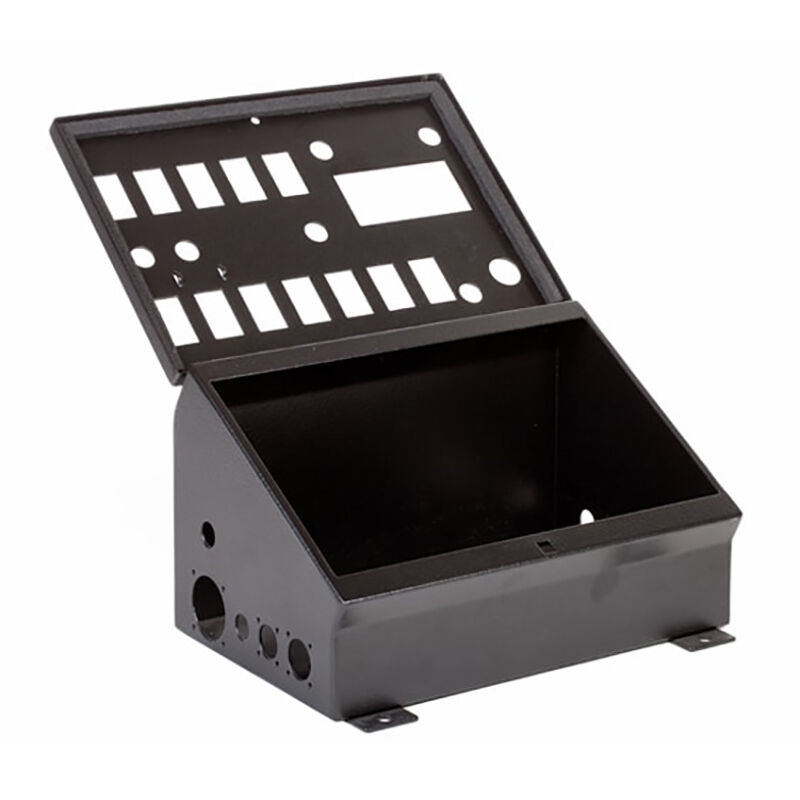
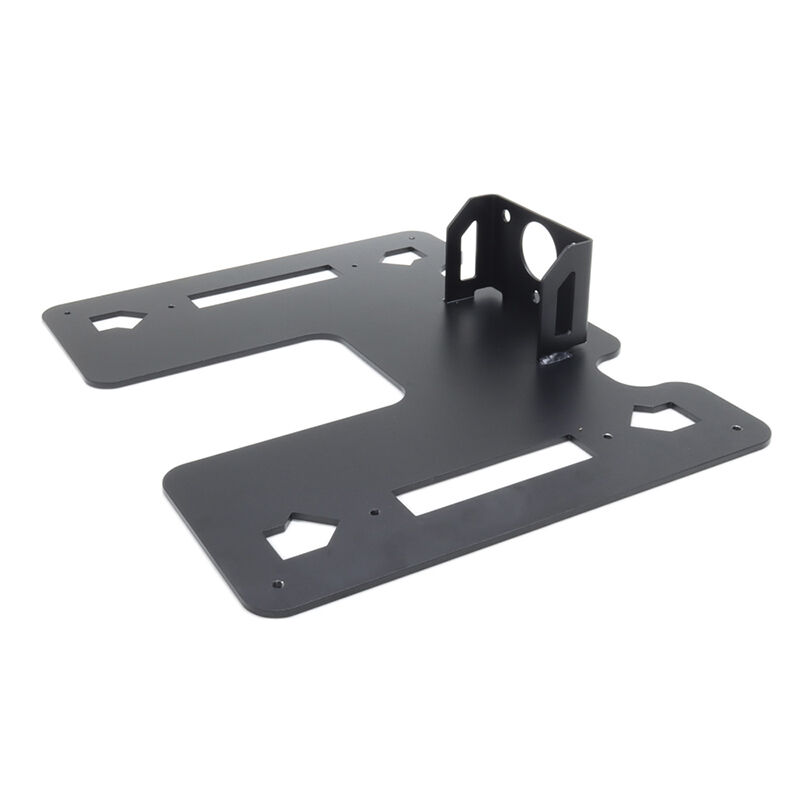
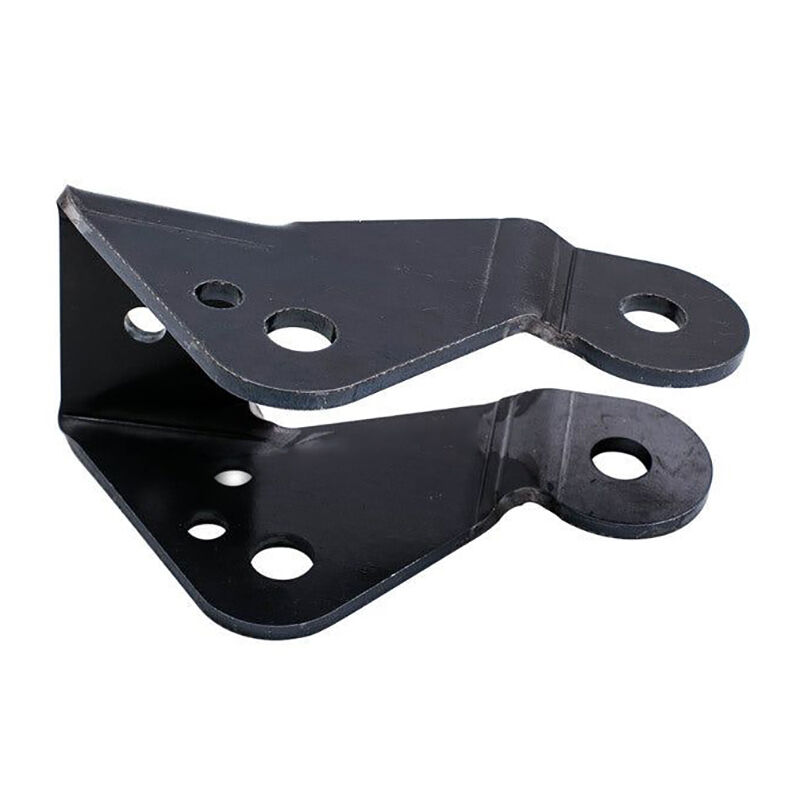
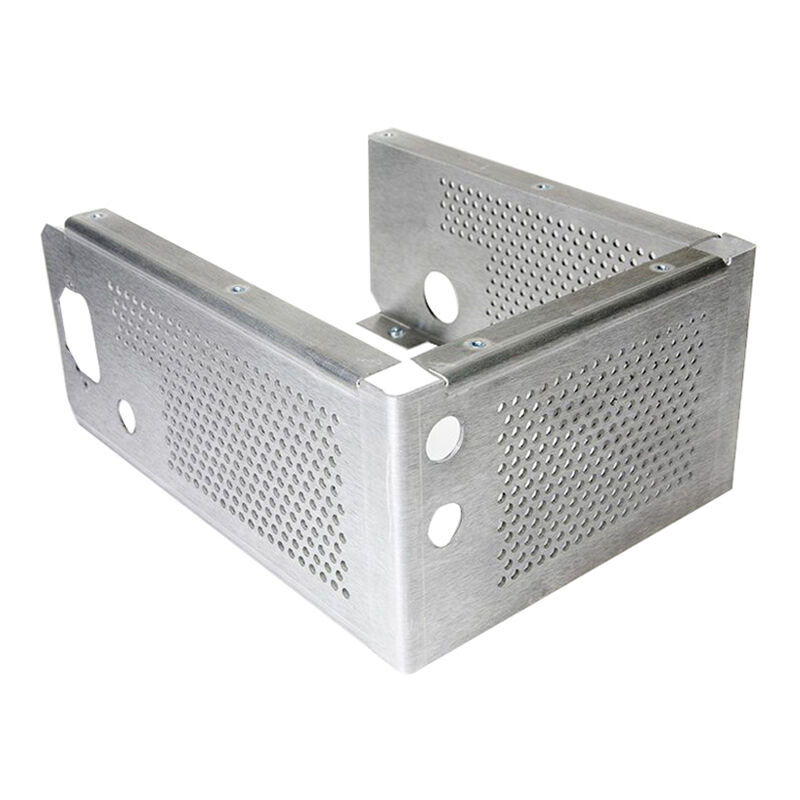
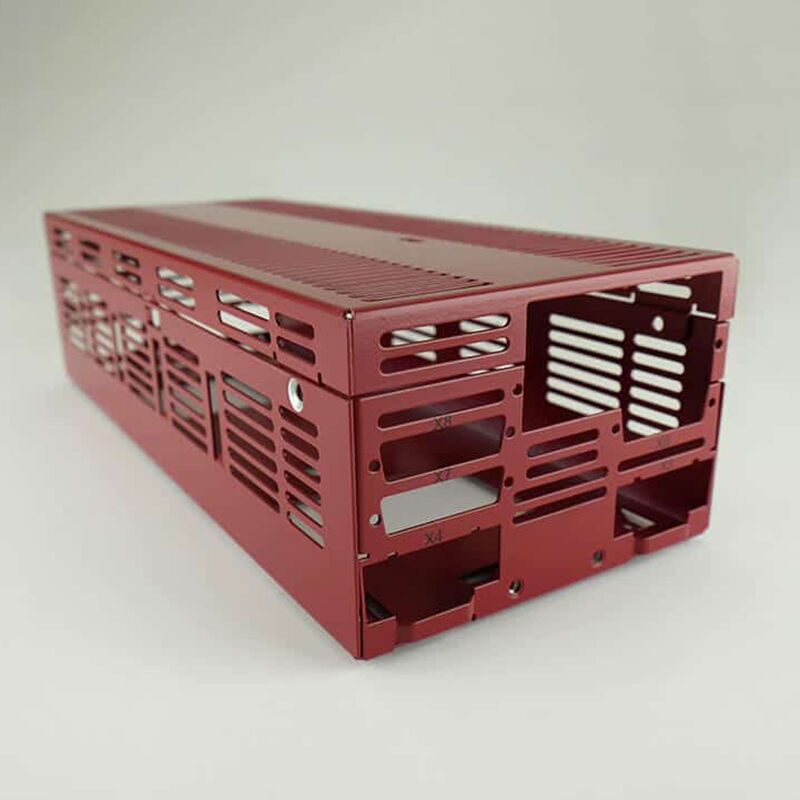
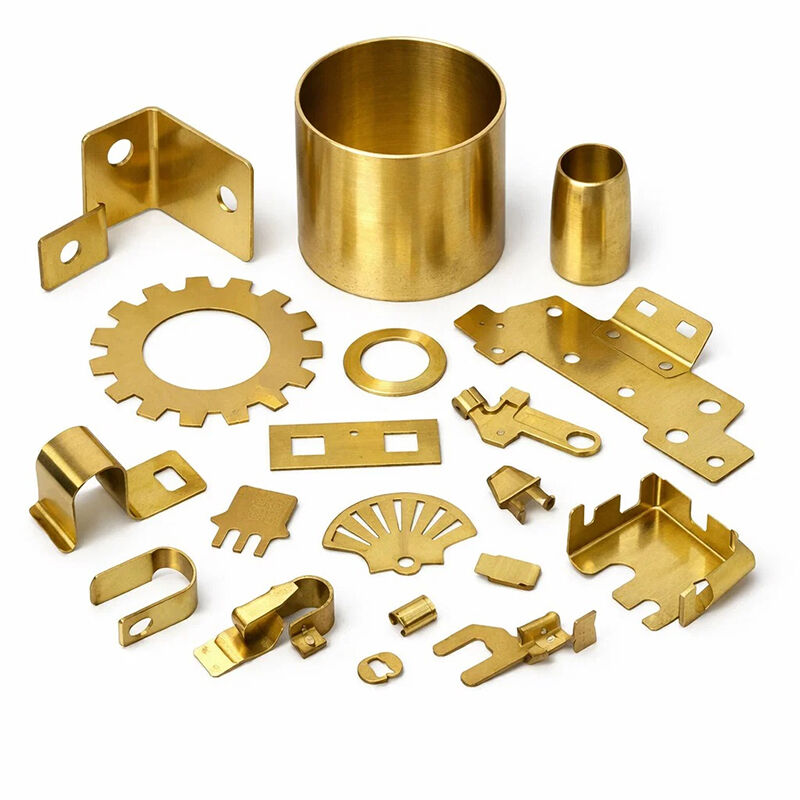
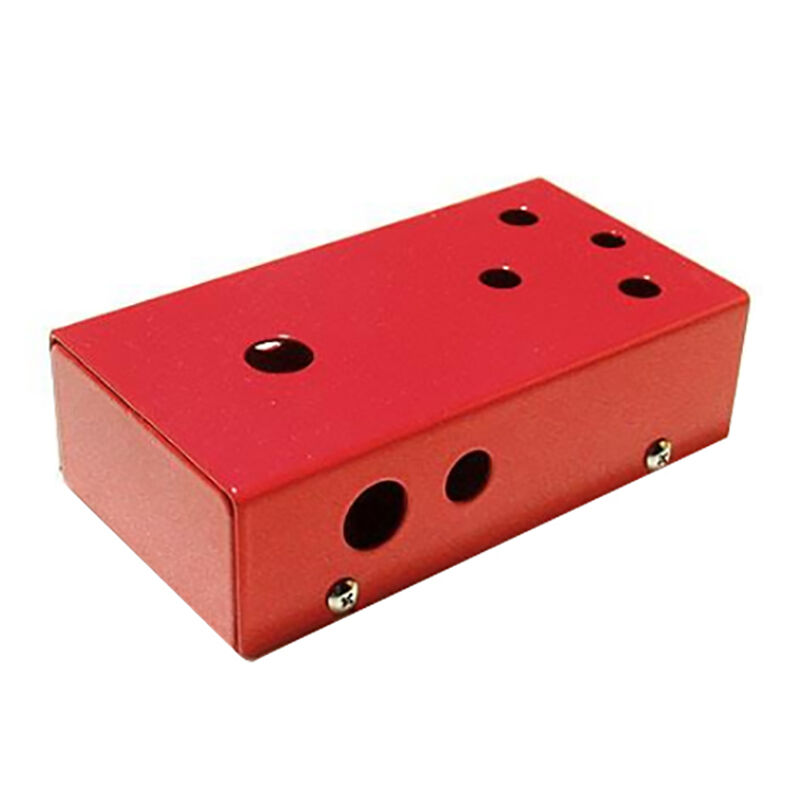
Steel fabrication parts represent the cornerstone of modern industrial manufacturing, encompassing a comprehensive range of custom-engineered components that serve critical functions across countless applications. These precision-crafted elements are produced through sophisticated metalworking processes that transform raw steel materials into specialized components designed to meet exact specifications and performance requirements. The main functions of steel fabrication parts include providing structural integrity, mechanical support, connection interfaces, and operational components for machinery, buildings, infrastructure projects, and industrial equipment. Steel fabrication parts are manufactured using advanced technological features that ensure superior quality and performance. Computer-aided design systems enable precise engineering calculations and dimensional accuracy, while automated cutting technologies such as laser cutting, plasma cutting, and waterjet cutting deliver clean, precise edges with minimal material waste. Welding processes utilize state-of-the-art equipment including MIG, TIG, and arc welding systems to create strong, durable joints that meet stringent industry standards. Modern fabrication facilities incorporate quality control measures including dimensional inspection, material testing, and surface finish verification to guarantee that each steel fabrication part meets specified requirements. The applications for steel fabrication parts span numerous industries and sectors. Construction projects rely heavily on structural steel fabrication parts for building frameworks, bridges, and architectural elements. Manufacturing operations utilize custom steel fabrication parts for machinery components, conveyor systems, and production equipment. The automotive industry depends on precision steel fabrication parts for chassis components, brackets, and specialized tooling. Energy sector applications include steel fabrication parts for power generation equipment, transmission structures, and renewable energy installations. Marine and offshore industries require corrosion-resistant steel fabrication parts for vessels, platforms, and subsea equipment. Agricultural machinery manufacturers incorporate robust steel fabrication parts into farming equipment designed to withstand harsh operating conditions.

Popular Products

Steel fabrication parts offer numerous compelling advantages that make them the preferred choice for demanding industrial applications. The exceptional strength-to-weight ratio of steel fabrication parts provides superior structural performance while maintaining reasonable component weights, enabling efficient transportation and installation procedures. This characteristic proves particularly valuable in construction projects where steel fabrication parts must support substantial loads while minimizing overall structure weight. The durability of steel fabrication parts ensures long-term reliability and cost-effectiveness, as these components resist wear, fatigue, and environmental degradation far better than alternatives manufactured from lesser materials. Steel fabrication parts demonstrate remarkable versatility in design and application possibilities. Manufacturers can create complex geometries, intricate details, and specialized features that would be impossible or prohibitively expensive using other materials. This flexibility allows engineers to optimize steel fabrication parts for specific performance requirements, whether prioritizing strength, weight reduction, corrosion resistance, or aesthetic appeal. The customization capabilities of steel fabrication parts enable perfect integration with existing systems and equipment, eliminating the compromises often necessary when using standard off-the-shelf components. Cost efficiency represents another significant advantage of steel fabrication parts, particularly when considering total lifecycle costs. While initial investment may vary depending on specifications, the longevity and minimal maintenance requirements of properly designed steel fabrication parts deliver exceptional value over time. The recyclability of steel fabrication parts contributes to environmental sustainability while providing potential material recovery value at end-of-life. Manufacturing efficiency benefits from the predictable properties and consistent quality of steel fabrication parts, reducing production uncertainties and quality control issues. The availability of various steel grades and alloy compositions allows manufacturers to select optimal materials for specific applications, ensuring that steel fabrication parts deliver required performance characteristics without unnecessary over-engineering. Rapid prototyping capabilities enable quick development and testing of new steel fabrication parts designs, accelerating product development cycles and reducing time-to-market for innovative solutions.

Tips And Tricks

Custom Metal Fabrication for Agricultural Machinery

18

Aug

Custom Metal Fabrication for Agricultural Machinery

Project Overview Date: June 2024 - September 2024Industry: Agricultural MachineryClient: Jan TheilierLocation: Germany   Project Description We were approached by a leading agricultural machinery manufacturer to develop a series of custom m...
View More

Get a Free Quote

Our engineers will provide you with a professional reply.
Your Name
Mobile
Email Address
WhatsApp
Subject
Attachment
Upload drawings or 3D model to see instant pricing, lead time and DFM feedback.
Up to 3 files,more 30mb,suppor jpg、jpeg、png、pdf、doc、docx、xls、xlsx、csv、txt
Message
0/1000

steel fabrication parts

Precision Engineering Excellence

Precision Engineering Excellence

The precision engineering capabilities inherent in modern steel fabrication parts manufacturing represent a revolutionary advancement in industrial component production. Advanced computer-controlled machining centers and cutting-edge fabrication technologies enable the creation of steel fabrication parts with tolerances measured in thousandths of an inch, ensuring perfect fit and optimal performance in critical applications. This precision engineering excellence extends throughout every aspect of the manufacturing process, from initial material selection through final inspection and quality verification. Laser cutting systems integrated into steel fabrication parts production facilities can achieve edge qualities and dimensional accuracies that were previously impossible, eliminating secondary machining operations and reducing overall production costs. The implementation of advanced welding techniques ensures that joints in steel fabrication parts exhibit strength characteristics equal to or exceeding those of the base materials, creating seamless integration between component sections. Computer-aided design software enables engineers to optimize steel fabrication parts for specific loading conditions, environmental factors, and operational requirements, resulting in components that deliver maximum performance with minimal material usage. Three-dimensional modeling capabilities allow comprehensive stress analysis and finite element modeling before physical production begins, ensuring that steel fabrication parts will perform reliably under real-world conditions. This precision engineering approach significantly reduces the risk of premature failure, unexpected maintenance requirements, and costly downtime in critical applications. Quality control systems integrated throughout the steel fabrication parts manufacturing process include coordinate measuring machines, ultrasonic testing equipment, and surface finish verification instruments that ensure every component meets specified requirements. The precision engineering excellence achieved in modern steel fabrication parts manufacturing enables customers to specify exact requirements with confidence that delivered components will perform precisely as intended.
Superior Material Properties

Superior Material Properties

Steel fabrication parts benefit from the inherently superior material properties of steel alloys that have been refined and optimized through decades of metallurgical advancement. The exceptional tensile strength of steel fabrication parts enables these components to withstand substantial mechanical loads while maintaining dimensional stability and structural integrity over extended service periods. High-strength steel grades used in specialized steel fabrication parts can achieve yield strengths exceeding 100,000 pounds per square inch, making them suitable for the most demanding structural and mechanical applications. The ductility of steel fabrication parts provides important safety characteristics, as these components exhibit visible deformation before ultimate failure, providing warning signs that enable preventive maintenance actions. Fatigue resistance represents another critical advantage of steel fabrication parts, particularly in applications involving cyclic loading or vibration exposure. Modern steel fabrication parts can endure millions of load cycles without developing crack propagation or structural degradation, ensuring reliable long-term performance in dynamic operating environments. Corrosion resistance can be enhanced through various surface treatments and protective coatings applied to steel fabrication parts, extending service life in harsh environmental conditions including marine environments, chemical processing facilities, and outdoor installations. The thermal properties of steel fabrication parts enable these components to maintain structural integrity across wide temperature ranges, from cryogenic applications to high-temperature industrial processes. Weldability characteristics of steel fabrication parts facilitate field repairs and modifications when necessary, providing operational flexibility that is often unavailable with alternative materials. The magnetic properties of steel fabrication parts can be advantageous in applications requiring electromagnetic compatibility or magnetic shielding characteristics. Impact resistance ensures that steel fabrication parts can absorb sudden shock loads without brittle fracture, providing enhanced safety margins in critical applications.
Comprehensive Manufacturing Capabilities

Comprehensive Manufacturing Capabilities

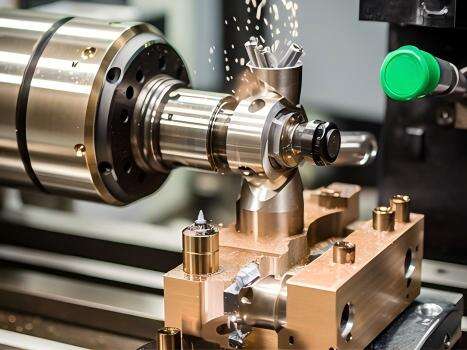
The comprehensive manufacturing capabilities available for steel fabrication parts production encompass every aspect of component creation from raw material processing through final finishing and quality verification. Modern fabrication facilities possess extensive equipment inventories including multiple cutting technologies, forming equipment, welding systems, and machining centers that enable the production of steel fabrication parts with virtually unlimited complexity and variety. Cutting capabilities for steel fabrication parts include laser cutting systems capable of processing materials up to several inches thick with edge qualities suitable for immediate welding or assembly operations. Plasma cutting equipment provides rapid processing of thicker sections while maintaining acceptable edge quality for most steel fabrication parts applications. Waterjet cutting technology enables the production of steel fabrication parts with complex internal geometries and precise dimensional tolerances without introducing heat-affected zones that might compromise material properties. Forming capabilities include press brake operations for creating precise bends and angles in sheet steel fabrication parts, as well as rolling equipment for producing curved sections and cylindrical components. Welding capabilities encompass all major processes including gas metal arc welding, gas tungsten arc welding, and submerged arc welding systems capable of producing high-quality joints in steel fabrication parts of all sizes and configurations. Machining capabilities enable the addition of precise holes, threads, and surface features to steel fabrication parts after primary forming and welding operations are completed. Surface finishing options for steel fabrication parts include sandblasting, grinding, polishing, and various coating application processes that enhance both appearance and corrosion resistance. Assembly capabilities allow the production of complex steel fabrication parts consisting of multiple components joined through welding, bolting, or other mechanical fastening methods. Quality control capabilities include non-destructive testing methods such as magnetic particle inspection, dye penetrant testing, and ultrasonic examination that verify the integrity of steel fabrication parts without compromising their functionality.

Get a Free Quote

Our engineers will provide you with a professional reply.
Your Name
Mobile
Email Address
WhatsApp
Subject
Attachment
Upload drawings or 3D model to see instant pricing, lead time and DFM feedback.
Up to 3 files,more 30mb,support jpg、jpeg、png、pdf、doc、docx、xls、xlsx、csv、txt、stp、step、igs、x_t、dxf、prt、sldprt、sat、rar、zip
Message
0/1000