Professional Mild Steel Fabrication Services - Custom Manufacturing Solutions

Get a Free Quote

Our engineers will provide you with a professional reply.
Your Name
Mobile
Email Address
WhatsApp
Subject
Attachment
Upload drawings or 3D model to see instant pricing, lead time and DFM feedback.
Up to 3 files,more 30mb,support jpg、jpeg、png、pdf、doc、docx、xls、xlsx、csv、txt、stp、step、igs、x_t、dxf、prt、sldprt、sat、rar、zip
Message
0/1000

mild steel fabrication

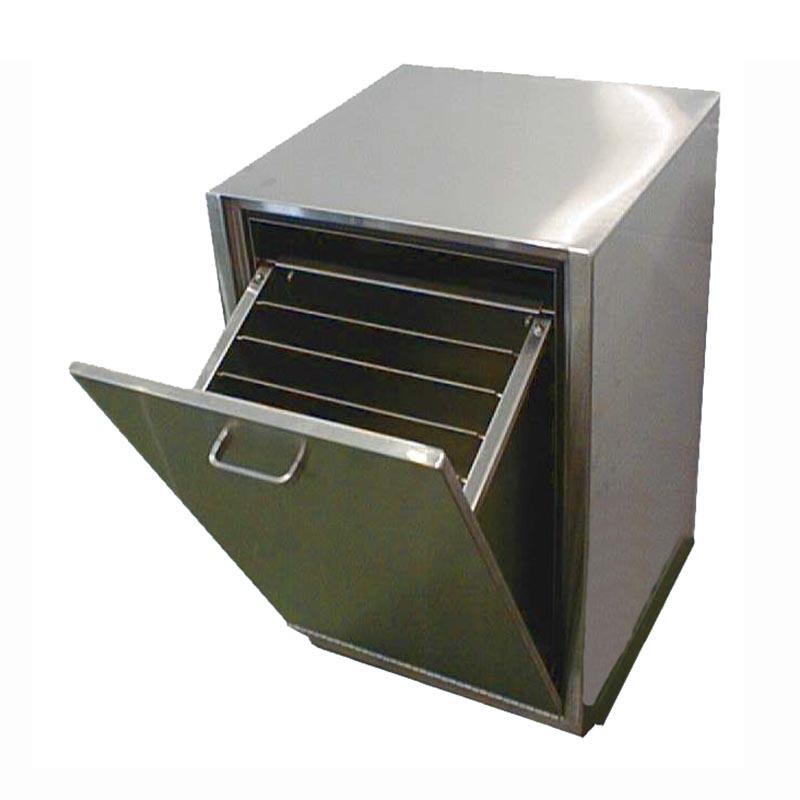
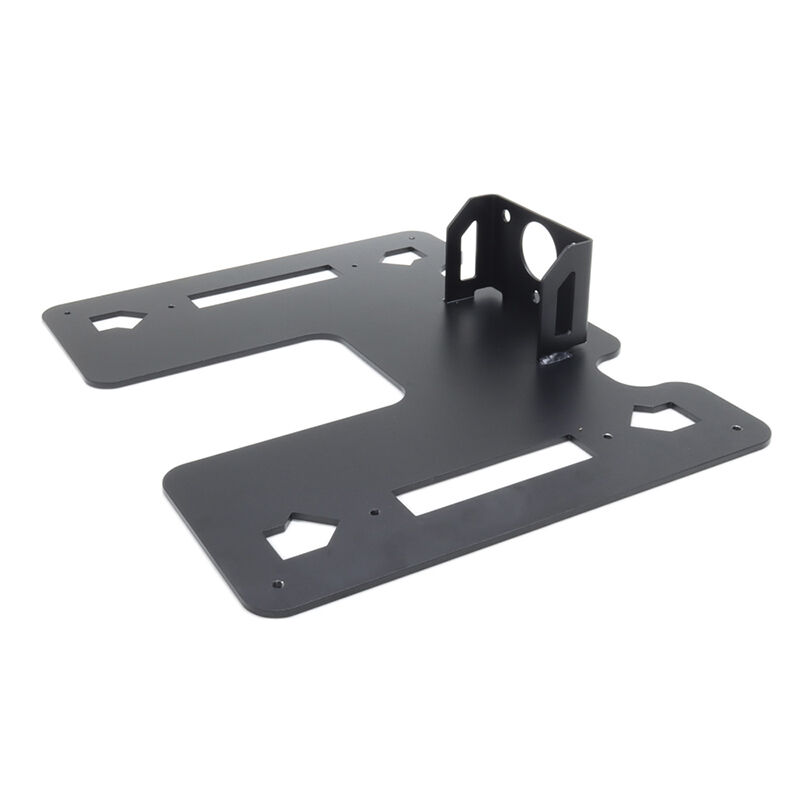
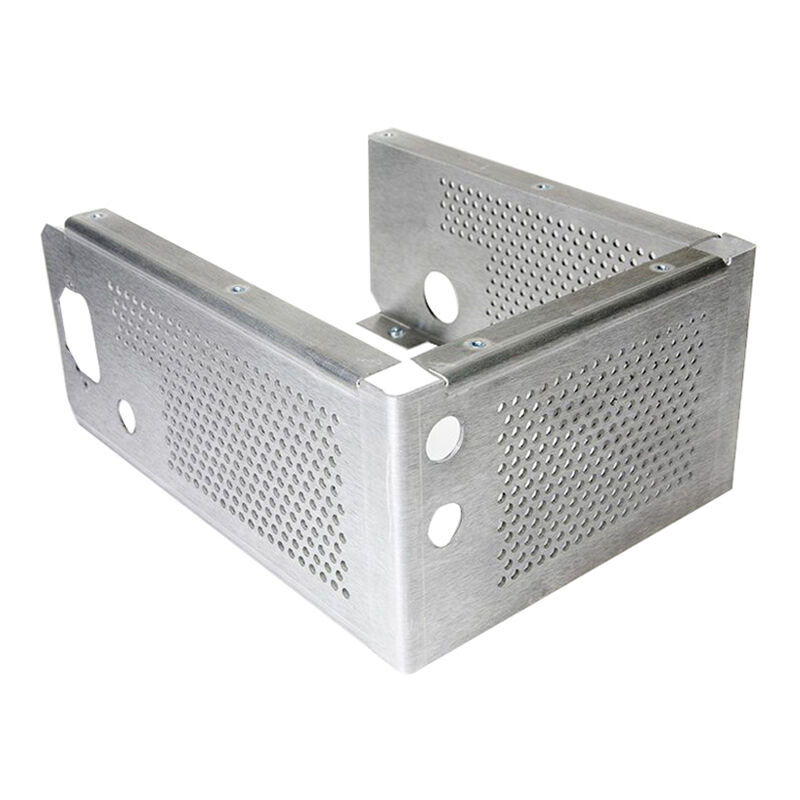
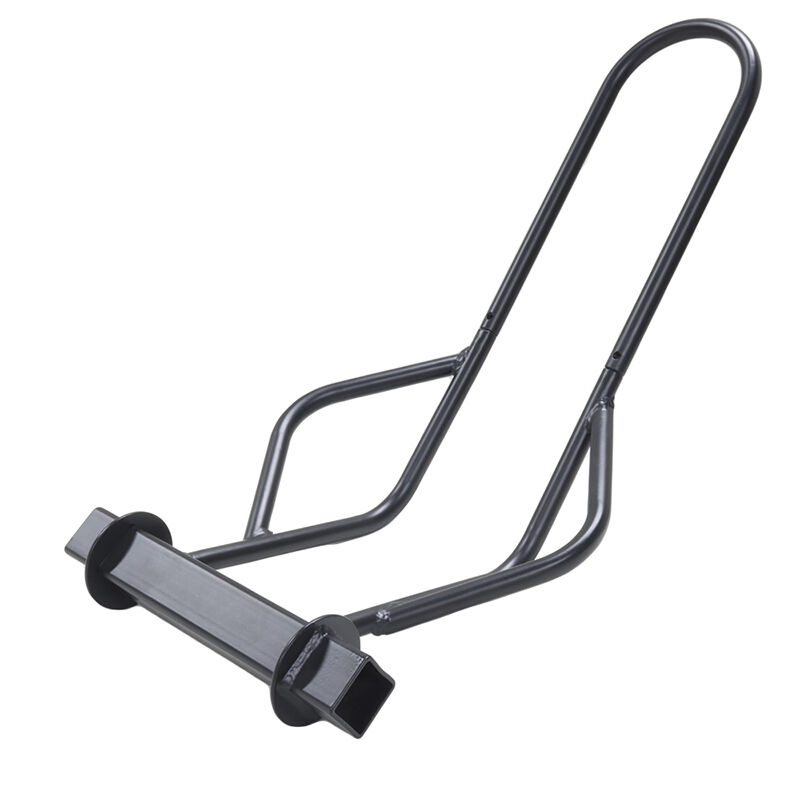
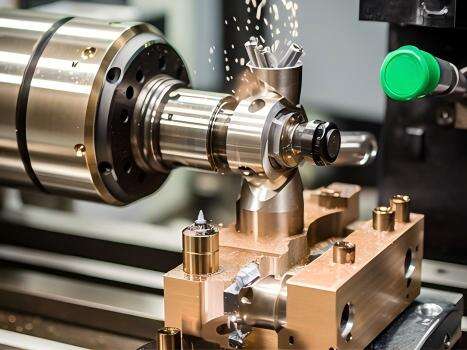
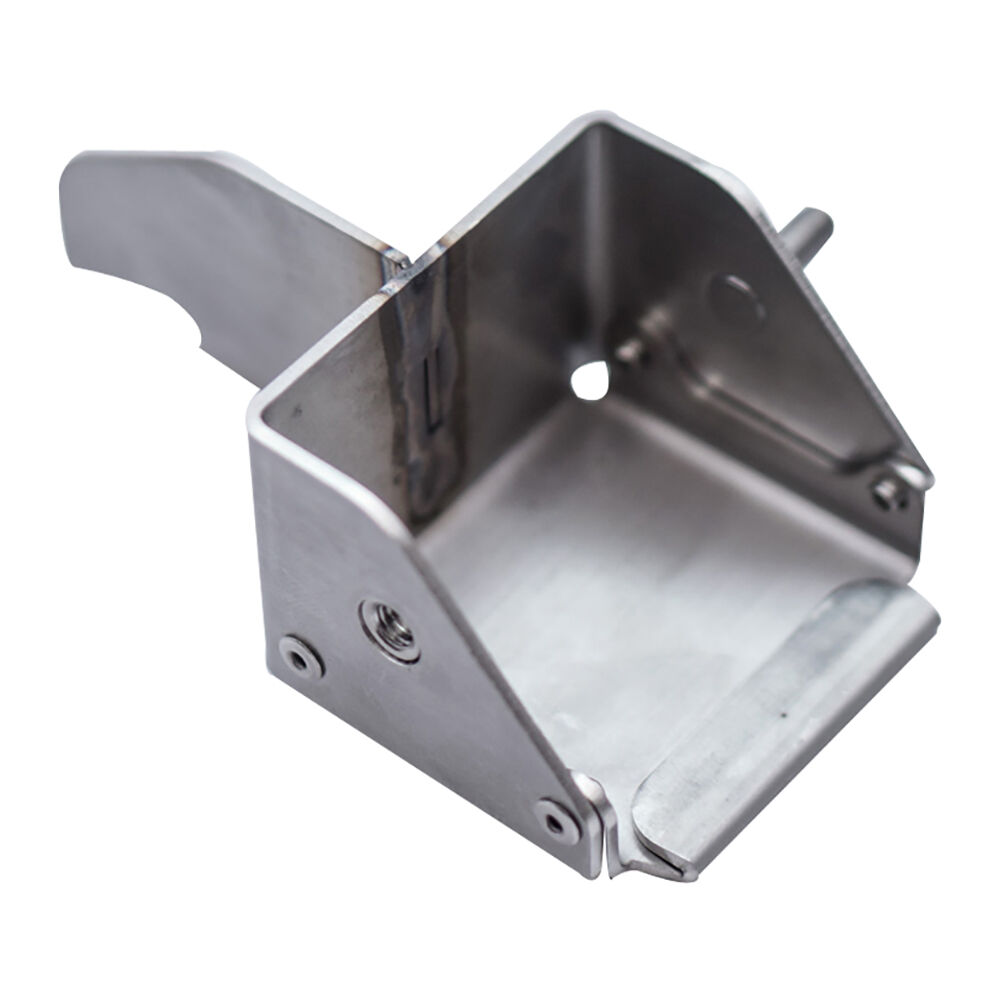
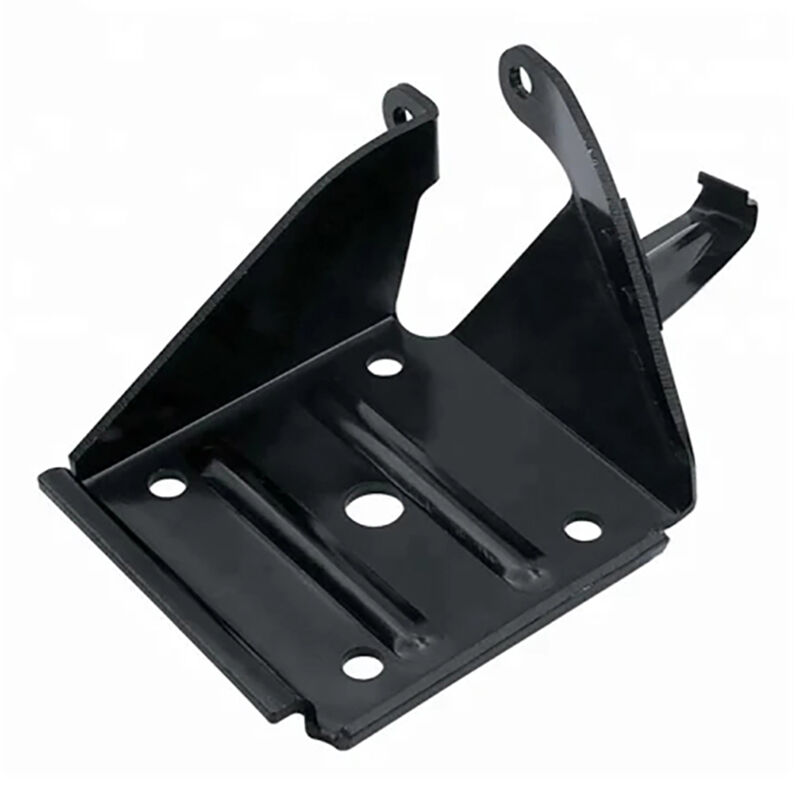
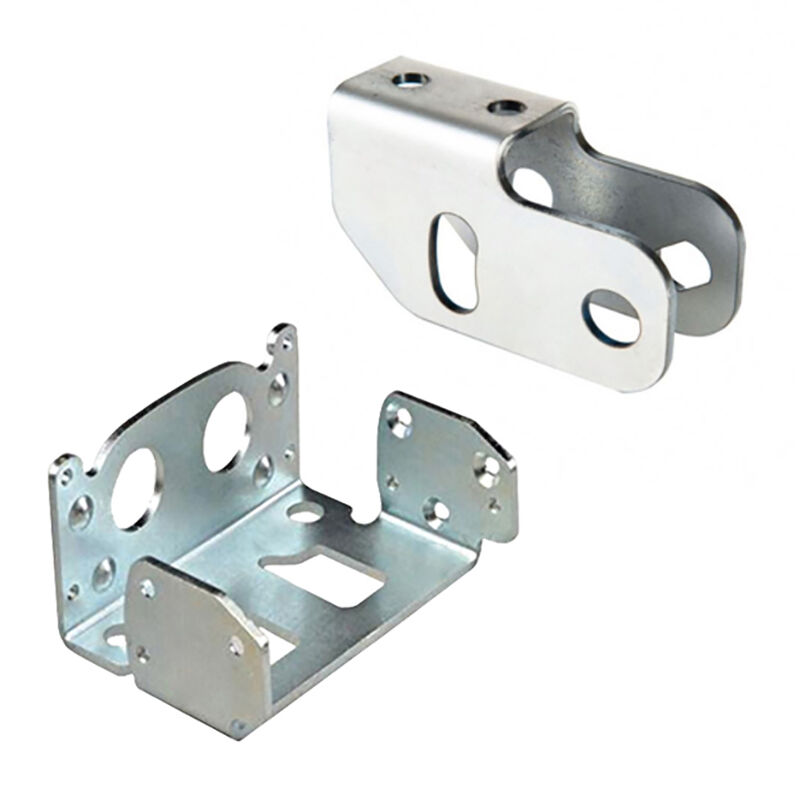
Mild steel fabrication represents a cornerstone of modern industrial manufacturing, encompassing the comprehensive process of transforming raw mild steel materials into precise, functional components and structures. This specialized manufacturing approach involves cutting, bending, welding, machining, and assembling mild steel to create custom products that meet specific dimensional and performance requirements. Mild steel fabrication serves as the backbone for countless industries, providing essential components that form the structural framework of buildings, machinery, automotive parts, and infrastructure projects. The primary function of mild steel fabrication extends beyond simple metalworking, incorporating advanced engineering principles to deliver solutions that balance strength, durability, and cost-effectiveness. Technological features of mild steel fabrication include computer-aided design systems, precision laser cutting equipment, automated welding processes, and quality control mechanisms that ensure consistent results. Modern fabrication facilities utilize CNC machinery, plasma cutting technology, and robotic welding systems to achieve superior accuracy and repeatability in production processes. The versatility of mild steel fabrication makes it suitable for applications ranging from architectural steelwork and industrial equipment to agricultural machinery and transportation components. Construction industries rely heavily on mild steel fabrication for structural beams, columns, frames, and reinforcement elements that provide essential load-bearing capabilities. Manufacturing sectors utilize fabricated mild steel components in production machinery, conveyor systems, storage solutions, and processing equipment. The automotive industry depends on mild steel fabrication for chassis components, brackets, supports, and various structural elements that contribute to vehicle safety and performance. Marine applications benefit from fabricated mild steel components in shipbuilding, offshore structures, and port facilities where corrosion resistance and structural integrity are paramount considerations.

New Product Recommendations

Mild steel fabrication offers numerous compelling advantages that make it the preferred choice for countless manufacturing and construction applications across diverse industries. The cost-effectiveness of mild steel fabrication stands out as a primary benefit, providing exceptional value through affordable raw material costs combined with efficient processing methods that minimize production expenses without compromising quality standards. This economic advantage allows businesses to achieve their project goals while maintaining budget constraints and maximizing return on investment. The exceptional workability of mild steel fabrication enables manufacturers to create complex geometries and intricate designs with relative ease, accommodating custom specifications and unique requirements that other materials might struggle to achieve. Fabricators can easily cut, bend, drill, weld, and machine mild steel using standard equipment and techniques, reducing production time and labor costs significantly. The strength-to-weight ratio of mild steel fabrication delivers outstanding structural performance, providing robust load-bearing capabilities while maintaining manageable weight characteristics that simplify transportation, installation, and handling procedures. This balance between strength and weight makes mild steel fabrication ideal for applications requiring durability without excessive bulk. The versatility of mild steel fabrication accommodates a wide range of finishing options, including painting, galvanizing, powder coating, and plating processes that enhance appearance, corrosion resistance, and longevity. These surface treatment options allow manufacturers to customize products according to specific environmental conditions and aesthetic requirements. The availability of mild steel fabrication materials ensures consistent supply chains and reliable delivery schedules, eliminating concerns about material shortages or extended lead times that could disrupt production schedules. The compatibility of mild steel fabrication with standard welding processes enables efficient assembly and repair procedures, reducing maintenance costs and extending service life. The recyclability of mild steel fabrication supports sustainable manufacturing practices, allowing end-of-life products to be processed and reused in new applications, contributing to environmental conservation efforts while reducing waste disposal costs.

Practical Tips

Custom Metal Fabrication for Agricultural Machinery

18

Aug

Custom Metal Fabrication for Agricultural Machinery

Project Overview Date: June 2024 - September 2024Industry: Agricultural MachineryClient: Jan TheilierLocation: Germany   Project Description We were approached by a leading agricultural machinery manufacturer to develop a series of custom m...
View More

Get a Free Quote

Our engineers will provide you with a professional reply.
Your Name
Mobile
Email Address
WhatsApp
Subject
Attachment
Upload drawings or 3D model to see instant pricing, lead time and DFM feedback.
Up to 3 files,more 30mb,suppor jpg、jpeg、png、pdf、doc、docx、xls、xlsx、csv、txt
Message
0/1000

mild steel fabrication

Superior Durability and Longevity Performance

Superior Durability and Longevity Performance

Mild steel fabrication delivers exceptional durability and longevity performance that significantly outperforms alternative materials in demanding applications, making it the ideal choice for projects requiring long-term reliability and structural integrity. The inherent strength characteristics of mild steel fabrication ensure that fabricated components can withstand substantial mechanical stresses, including tension, compression, bending, and impact forces, without experiencing failure or deformation. This remarkable durability stems from the crystalline structure of mild steel, which provides excellent resistance to fatigue loading and cyclic stresses that commonly occur in industrial environments. The longevity benefits of mild steel fabrication extend far beyond initial installation, as properly designed and fabricated components can provide decades of reliable service with minimal maintenance requirements. The predictable behavior of mild steel fabrication under various loading conditions allows engineers to design structures with confidence, knowing that the material will perform consistently throughout its intended service life. The resistance to environmental factors, when properly treated, ensures that mild steel fabrication maintains its structural properties even in challenging conditions such as temperature fluctuations, humidity variations, and exposure to industrial atmospheres. The ability of mild steel fabrication to maintain dimensional stability over time prevents issues such as warping, creeping, or structural changes that could compromise performance or safety. The proven track record of mild steel fabrication in countless applications demonstrates its reliability across diverse industries, from construction and manufacturing to transportation and energy production. The consistent quality of modern mild steel fabrication processes ensures that each component meets stringent performance standards, reducing the risk of premature failure and unexpected maintenance costs. The durability advantages of mild steel fabrication translate directly into economic benefits for end users, as longer service life reduces replacement costs, minimizes downtime, and improves overall operational efficiency.
Exceptional Cost-Effectiveness and Economic Value

Exceptional Cost-Effectiveness and Economic Value

Mild steel fabrication provides unmatched cost-effectiveness and economic value that makes it the optimal choice for budget-conscious projects without sacrificing quality, performance, or reliability standards. The affordability of raw mild steel materials significantly reduces initial project costs compared to alternative metals such as stainless steel, aluminum, or specialty alloys, allowing organizations to allocate resources more efficiently across their operations. The widespread availability of mild steel fabrication materials ensures stable pricing and eliminates the price volatility associated with rare or specialized metals, providing predictable project budgeting and cost control. The efficiency of mild steel fabrication processes contributes substantially to overall cost savings, as the material's excellent workability allows for faster cutting, forming, welding, and machining operations that reduce labor hours and production time. The compatibility of mild steel fabrication with standard manufacturing equipment eliminates the need for specialized tooling or processing machinery, reducing capital investment requirements and operational costs. The lower energy requirements for processing mild steel fabrication compared to harder materials result in reduced utility costs and improved production efficiency. The ease of working with mild steel fabrication means that standard welding procedures, cutting techniques, and forming methods can be employed, reducing the need for specialized training or certification requirements that increase labor costs. The repair and modification capabilities of mild steel fabrication provide additional economic benefits, as components can be easily welded, reinforced, or altered to accommodate changing requirements without complete replacement. The recycling value of mild steel fabrication ensures that end-of-life components retain monetary value, offsetting disposal costs and contributing to overall project economics. The proven performance history of mild steel fabrication reduces risk factors and insurance costs associated with material failure or unexpected maintenance requirements. The economic advantages of mild steel fabrication extend throughout the entire product lifecycle, from initial procurement and fabrication through installation, operation, maintenance, and eventual recycling or disposal.
Versatile Design Flexibility and Customization Capabilities

Versatile Design Flexibility and Customization Capabilities

Mild steel fabrication offers exceptional design flexibility and customization capabilities that enable manufacturers to create precisely tailored solutions meeting the most demanding and specific application requirements across diverse industries and projects. The inherent malleability and formability of mild steel fabrication allow for the creation of complex geometries, intricate shapes, and custom configurations that would be difficult or impossible to achieve with other materials or manufacturing methods. This design versatility enables engineers and designers to optimize component performance by creating shapes that efficiently distribute loads, minimize material usage, and maximize structural efficiency. The welding characteristics of mild steel fabrication facilitate the assembly of complex structures through reliable joining methods, allowing for the creation of large-scale assemblies from smaller fabricated components while maintaining structural continuity and strength. The machining properties of mild steel fabrication support the incorporation of precise features such as threaded holes, mounting surfaces, bearing seats, and dimensional tolerances that ensure proper fit and function in assembly applications. The ability to combine different mild steel fabrication techniques within a single project allows for the optimization of each component based on its specific function and requirements, resulting in overall system performance improvements. The compatibility of mild steel fabrication with various surface treatments and coatings provides extensive customization options for appearance, corrosion resistance, and functional properties such as wear resistance or electrical conductivity. The scalability of mild steel fabrication processes accommodates projects ranging from small precision components to massive structural assemblies, providing consistent quality and performance across all size ranges. The adaptability of mild steel fabrication to changing design requirements during the development process reduces project risks and allows for iterative improvements without significant cost penalties. The standardization of mild steel fabrication processes and materials ensures that custom solutions can be efficiently produced while maintaining quality standards and delivery schedules. The design freedom offered by mild steel fabrication enables innovative solutions that optimize performance, reduce costs, and improve functionality compared to off-the-shelf alternatives or other material options.

Get a Free Quote

Our engineers will provide you with a professional reply.
Your Name
Mobile
Email Address
WhatsApp
Subject
Attachment
Upload drawings or 3D model to see instant pricing, lead time and DFM feedback.
Up to 3 files,more 30mb,support jpg、jpeg、png、pdf、doc、docx、xls、xlsx、csv、txt、stp、step、igs、x_t、dxf、prt、sldprt、sat、rar、zip
Message
0/1000