Advanced CNC Steel Fabrication Services - Precision Manufacturing Solutions

Get a Free Quote

Our engineers will provide you with a professional reply.
Your Name
Mobile
Email Address
WhatsApp
Subject
Attachment
Upload drawings or 3D model to see instant pricing, lead time and DFM feedback.
Up to 3 files,more 30mb,support jpg、jpeg、png、pdf、doc、docx、xls、xlsx、csv、txt、stp、step、igs、x_t、dxf、prt、sldprt、sat、rar、zip
Message
0/1000

cnc steel fabrication

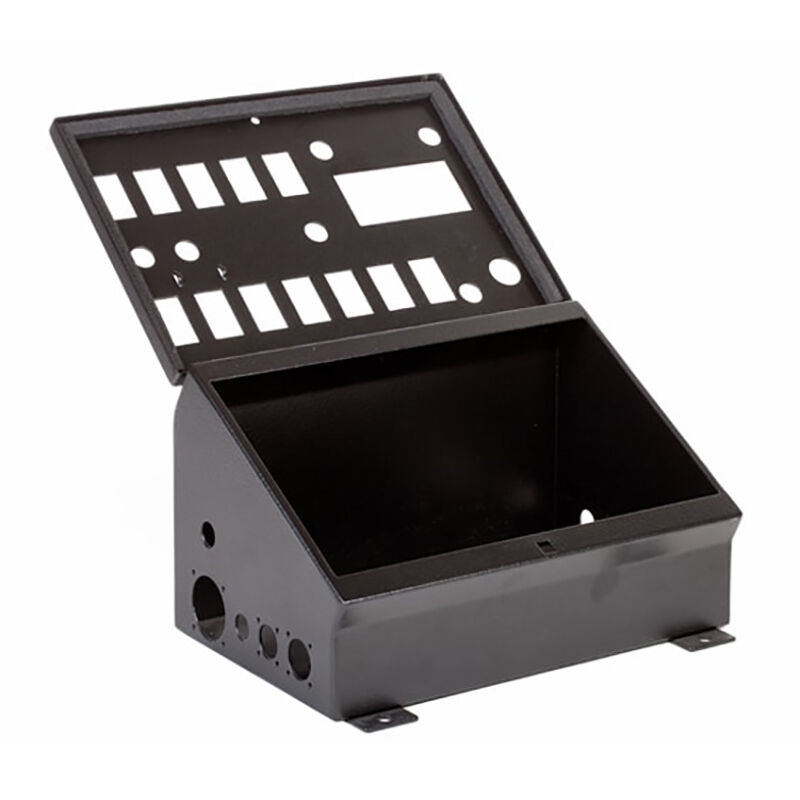
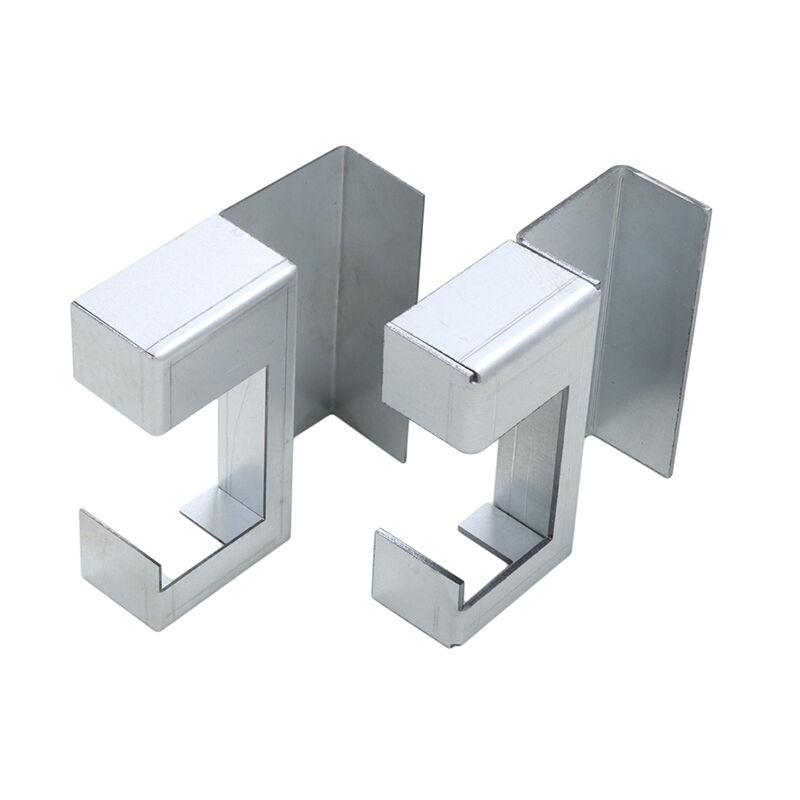
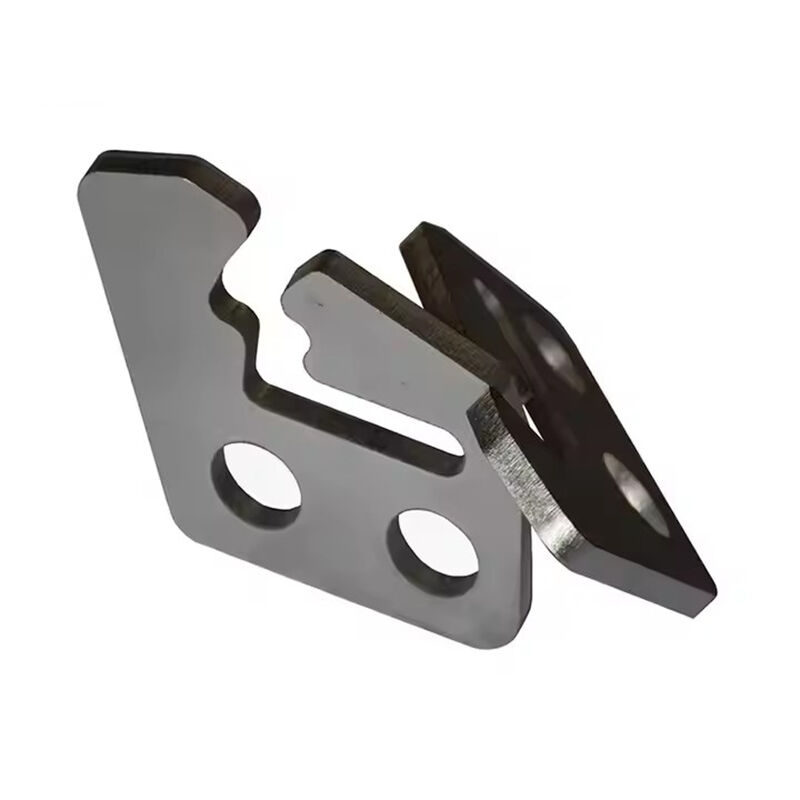
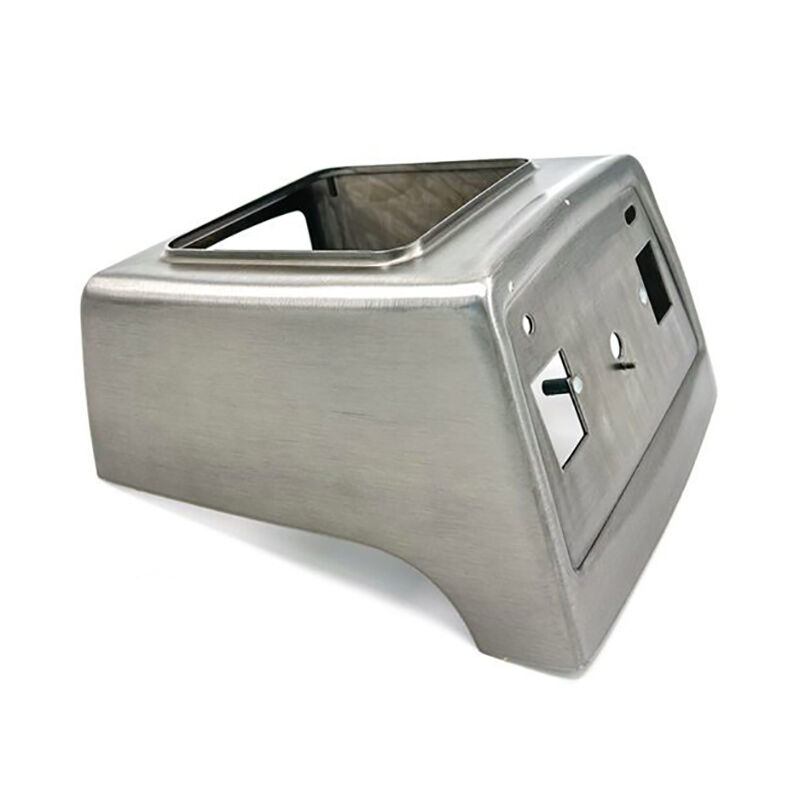
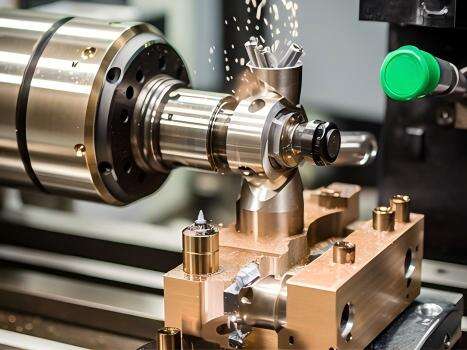
CNC steel fabrication represents a revolutionary approach to metalworking that combines computer-controlled precision with traditional steelworking techniques. This advanced manufacturing process utilizes Computer Numerical Control technology to automate cutting, shaping, drilling, and machining operations on steel materials. The CNC steel fabrication process begins with digital design files that provide exact specifications for the desired components, ensuring consistent quality and dimensional accuracy across all production runs. Modern CNC steel fabrication equipment includes plasma cutters, laser cutting machines, waterjet cutters, and multi-axis milling machines that can handle various steel grades from mild carbon steel to high-strength alloys. The technological features of CNC steel fabrication include programmable tool paths, automatic tool changes, real-time monitoring systems, and quality control sensors that detect deviations during production. These systems can process complex geometries, intricate patterns, and tight tolerances that would be impossible to achieve through manual fabrication methods. The applications for CNC steel fabrication span numerous industries including aerospace, automotive, construction, energy, medical devices, and industrial machinery. In construction, CNC steel fabrication produces structural beams, custom brackets, architectural elements, and reinforcement components. The automotive industry relies on this technology for chassis components, engine parts, and body panels that require precise fitment and consistent quality. Energy sector applications include wind turbine components, oil rig structures, and pipeline fittings that must withstand extreme environmental conditions. Medical device manufacturing utilizes CNC steel fabrication for surgical instruments, implant components, and diagnostic equipment housings. The process offers exceptional material utilization efficiency, reducing waste and optimizing raw material costs while maintaining superior surface finishes and dimensional stability throughout production cycles.

Popular Products

CNC steel fabrication delivers exceptional precision that surpasses traditional manufacturing methods, with tolerances achievable within thousandths of an inch. This precision eliminates costly rework and ensures parts fit perfectly during assembly, reducing production delays and quality control issues. The automated nature of CNC steel fabrication significantly reduces labor costs while increasing production speed and consistency. Operators can run multiple machines simultaneously, maximizing productivity and reducing per-unit manufacturing costs. The technology provides remarkable flexibility in design modifications, allowing engineers to update specifications without retooling entire production lines. Design changes can be implemented quickly through software updates, enabling rapid prototyping and product development cycles. CNC steel fabrication ensures consistent quality across large production runs, eliminating human error and variability associated with manual fabrication processes. Every component meets identical specifications, reducing assembly complications and warranty claims. The process maximizes material utilization through optimized nesting algorithms that minimize waste, resulting in significant cost savings on raw materials. Complex geometries and intricate details can be achieved with CNC steel fabrication that would be impossible or prohibitively expensive using conventional methods. This capability opens new design possibilities and allows for innovative product development. The technology supports various steel grades and thicknesses, providing versatility for diverse applications and industry requirements. Production scheduling becomes more predictable with CNC steel fabrication, as automated processes eliminate delays caused by worker availability or skill level variations. Quality documentation and traceability improve dramatically through digital record-keeping systems that track every aspect of the fabrication process. Maintenance requirements are minimal compared to traditional fabrication equipment, reducing downtime and operational costs. The technology scales efficiently from prototype quantities to high-volume production without significant setup changes. Surface finish quality remains consistent throughout production runs, eliminating secondary finishing operations in many applications. CNC steel fabrication integrates seamlessly with modern manufacturing execution systems, providing real-time production data and inventory management capabilities that optimize overall operational efficiency.

Latest News

Custom Metal Fabrication for Agricultural Machinery

18

Aug

Custom Metal Fabrication for Agricultural Machinery

Project Overview Date: June 2024 - September 2024Industry: Agricultural MachineryClient: Jan TheilierLocation: Germany   Project Description We were approached by a leading agricultural machinery manufacturer to develop a series of custom m...
View More

Get a Free Quote

Our engineers will provide you with a professional reply.
Your Name
Mobile
Email Address
WhatsApp
Subject
Attachment
Upload drawings or 3D model to see instant pricing, lead time and DFM feedback.
Up to 3 files,more 30mb,suppor jpg、jpeg、png、pdf、doc、docx、xls、xlsx、csv、txt
Message
0/1000

cnc steel fabrication

Unmatched Precision and Repeatability

Unmatched Precision and Repeatability

CNC steel fabrication sets the industry standard for precision manufacturing, delivering dimensional accuracy that consistently meets the most demanding specifications. This technology achieves tolerances within ±0.001 inches across complex geometries, ensuring every component meets exact design requirements without deviation. The computer-controlled systems eliminate human error factors that typically affect manual fabrication processes, resulting in parts that fit perfectly during assembly operations. Advanced servo motors and feedback systems continuously monitor cutting positions, automatically correcting for any detected variations to maintain consistent quality throughout extended production runs. This precision capability proves especially valuable in critical applications where component failure could result in safety hazards or expensive system downtime. Industries such as aerospace and medical device manufacturing rely on this accuracy for components that must meet strict regulatory standards and performance criteria. The repeatability aspect ensures that every part produced matches the first article exactly, regardless of production quantity or timing. This consistency eliminates the need for extensive quality control inspections and reduces assembly complications that arise from dimensional variations. Manufacturers can confidently quote tight tolerances knowing that CNC steel fabrication will deliver consistent results, enabling them to compete for high-precision contracts that require guaranteed dimensional stability. The technology maintains accuracy even when processing hardened steel grades or complex three-dimensional shapes that would challenge conventional fabrication methods. Temperature compensation systems account for thermal expansion during extended cutting operations, maintaining dimensional integrity even in varying environmental conditions. This precision advantage translates directly into reduced assembly time, improved product performance, and enhanced customer satisfaction through superior fit and finish quality.
Exceptional Speed and Efficiency

Exceptional Speed and Efficiency

CNC steel fabrication revolutionizes production speed through automated processes that operate continuously with minimal human intervention. Modern CNC equipment can run unattended for hours, producing high-quality components while operators focus on setup and quality assurance tasks. The technology processes multiple parts simultaneously through efficient nesting patterns that maximize material utilization and minimize cycle times. Advanced cutting speeds, particularly with fiber laser systems, can process thin to medium gauge steel at rates exceeding 2000 inches per minute while maintaining excellent edge quality. Automated tool changing capabilities eliminate manual intervention between different cutting operations, allowing complex parts to be completed in single setups that would traditionally require multiple machines and processes. The efficiency extends beyond raw cutting speed to include reduced handling time, as parts can be processed from raw material to finished components with minimal manual intervention. Programming software optimizes tool paths to minimize travel time and reduce unnecessary movements, further enhancing overall cycle efficiency. Quick setup capabilities allow for rapid changeovers between different jobs, making CNC steel fabrication economically viable for both large production runs and small batch quantities. The technology eliminates time-consuming layout and marking operations required in traditional fabrication, as parts are cut directly from digital files with automatic positioning systems. Material handling automation, including sheet loaders and part sorting systems, further reduces cycle times and labor requirements. Production scheduling becomes highly predictable with CNC steel fabrication, enabling manufacturers to commit to tight delivery schedules with confidence. The combination of high-speed processing and minimal setup requirements allows manufacturers to respond quickly to customer demands and market changes while maintaining cost competitiveness in challenging market conditions.
Versatile Design Capabilities and Innovation

Versatile Design Capabilities and Innovation

CNC steel fabrication unlocks unprecedented design freedom that enables engineers and designers to create innovative solutions previously impossible with conventional manufacturing methods. The technology processes complex geometries, intricate patterns, and sophisticated three-dimensional shapes with equal ease, opening new possibilities for product development and optimization. Advanced CAD/CAM integration allows designers to visualize and test concepts digitally before committing to production, reducing development costs and time-to-market for new products. The capability to cut complex contours, precise holes, slots, and notches in single operations eliminates assembly complications while reducing component count and overall product weight. Multi-axis machining capabilities enable the creation of complex features such as angled cuts, beveled edges, and three-dimensional profiles that enhance both functionality and aesthetics. This versatility proves particularly valuable in architectural applications where unique design elements and custom structural components create distinctive building features. The technology accommodates various steel grades from basic carbon steel to exotic alloys, allowing designers to select optimal materials for specific performance requirements without manufacturing constraints. Rapid prototyping capabilities enable quick evaluation of design concepts, allowing for iterative improvements before committing to full production tooling and processes. Custom fixtures and specialized tooling can be incorporated to handle unique part geometries or specialized processing requirements, extending the technology's versatility even further. The ability to process multiple thicknesses and material types in single setups provides design flexibility that traditional methods cannot match. Advanced nesting algorithms optimize material usage while accommodating mixed part sizes and quantities, reducing waste and enabling economical production of diverse component families. This design versatility supports just-in-time manufacturing strategies that respond quickly to changing customer requirements without extensive retooling or setup changes, providing competitive advantages in dynamic market environments.

Get a Free Quote

Our engineers will provide you with a professional reply.
Your Name
Mobile
Email Address
WhatsApp
Subject
Attachment
Upload drawings or 3D model to see instant pricing, lead time and DFM feedback.
Up to 3 files,more 30mb,support jpg、jpeg、png、pdf、doc、docx、xls、xlsx、csv、txt、stp、step、igs、x_t、dxf、prt、sldprt、sat、rar、zip
Message
0/1000