Custom Steel Fabrication Services: Precision Engineering Solutions for Industrial Applications

Get a Free Quote

Our engineers will provide you with a professional reply.
Your Name
Mobile
Email Address
WhatsApp
Subject
Attachment
Upload drawings or 3D model to see instant pricing, lead time and DFM feedback.
Up to 3 files,more 30mb,support jpg、jpeg、png、pdf、doc、docx、xls、xlsx、csv、txt、stp、step、igs、x_t、dxf、prt、sldprt、sat、rar、zip
Message
0/1000

custom steel fabrication

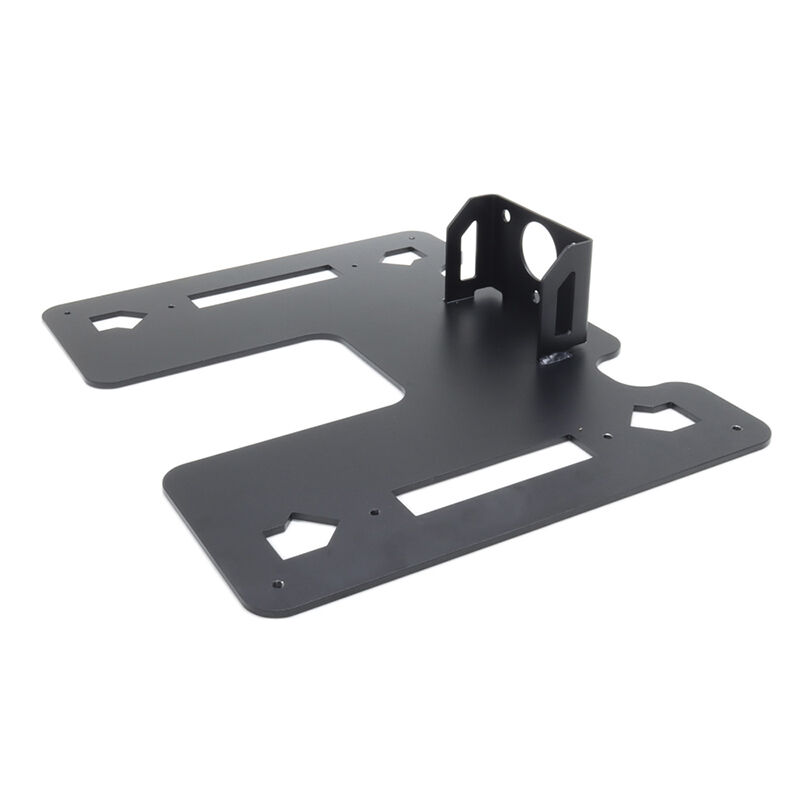
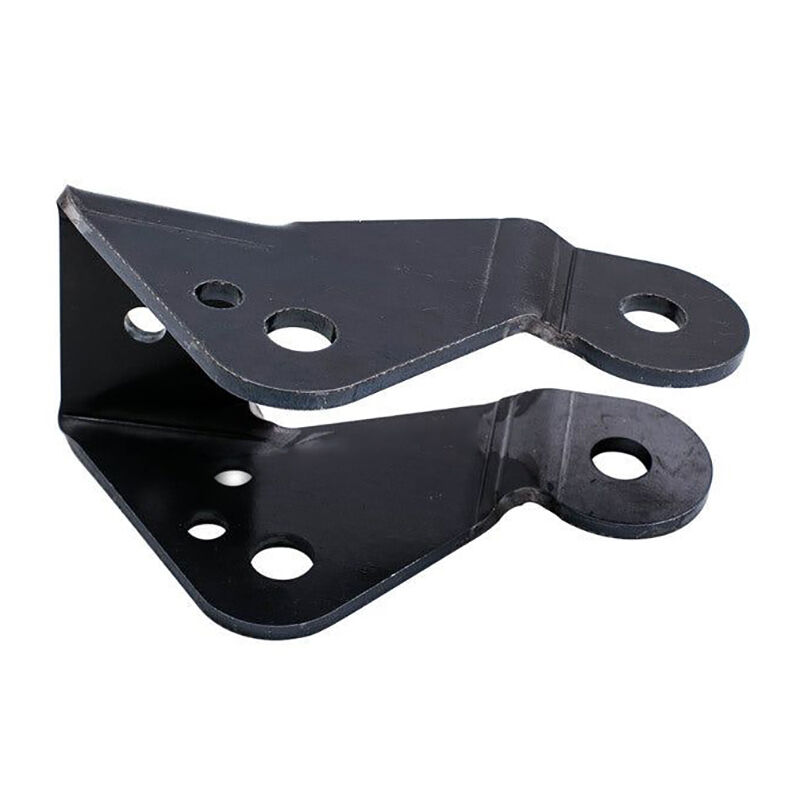
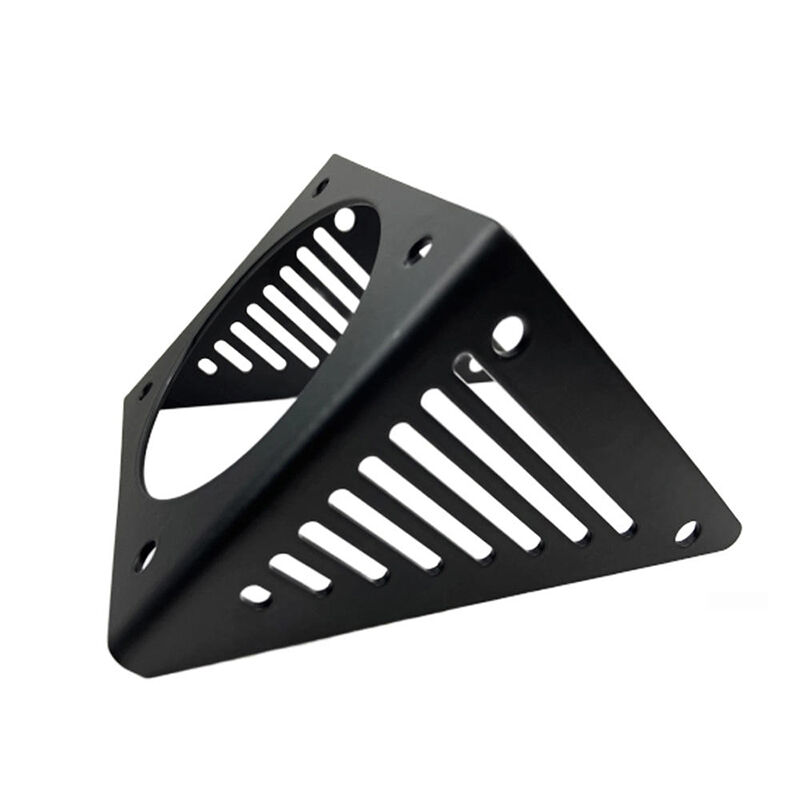
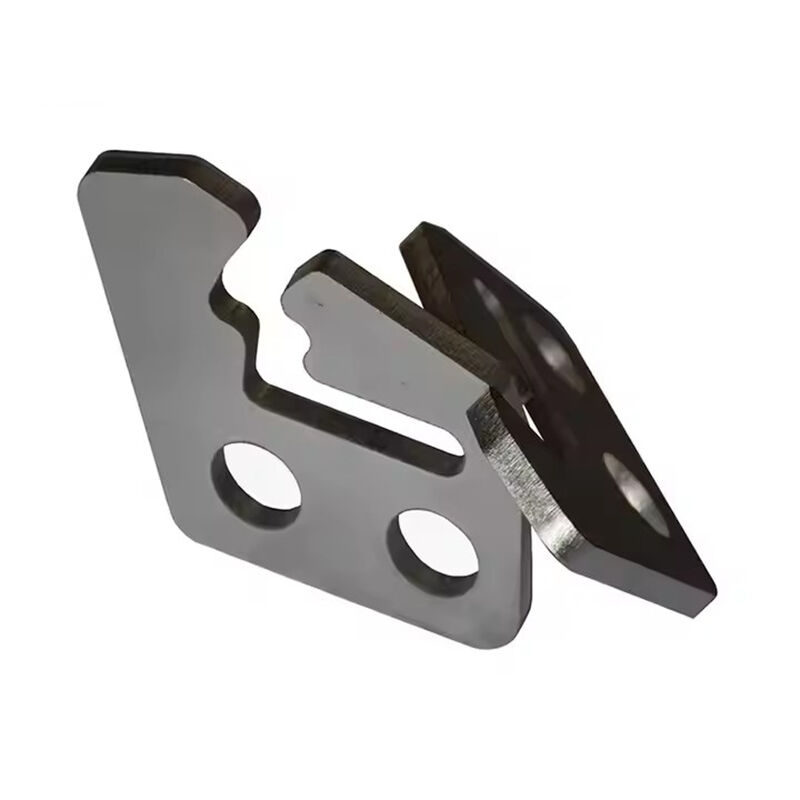
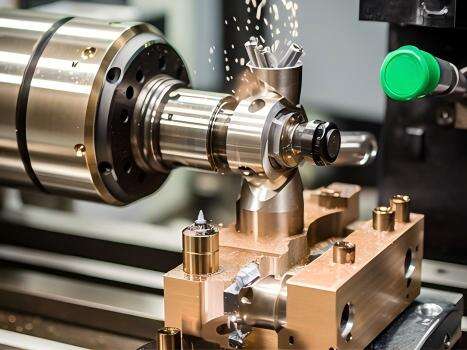
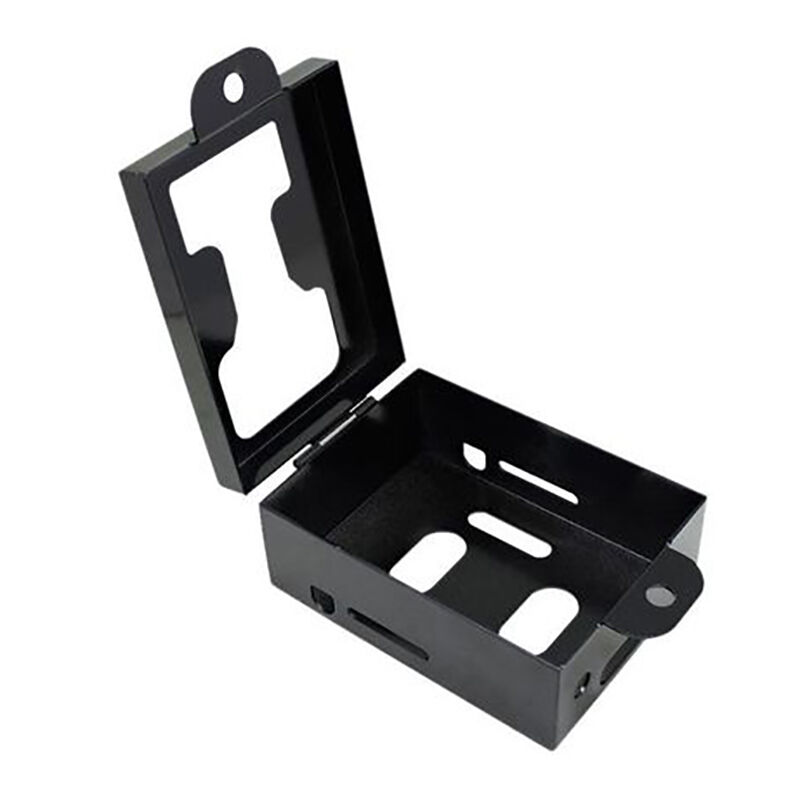
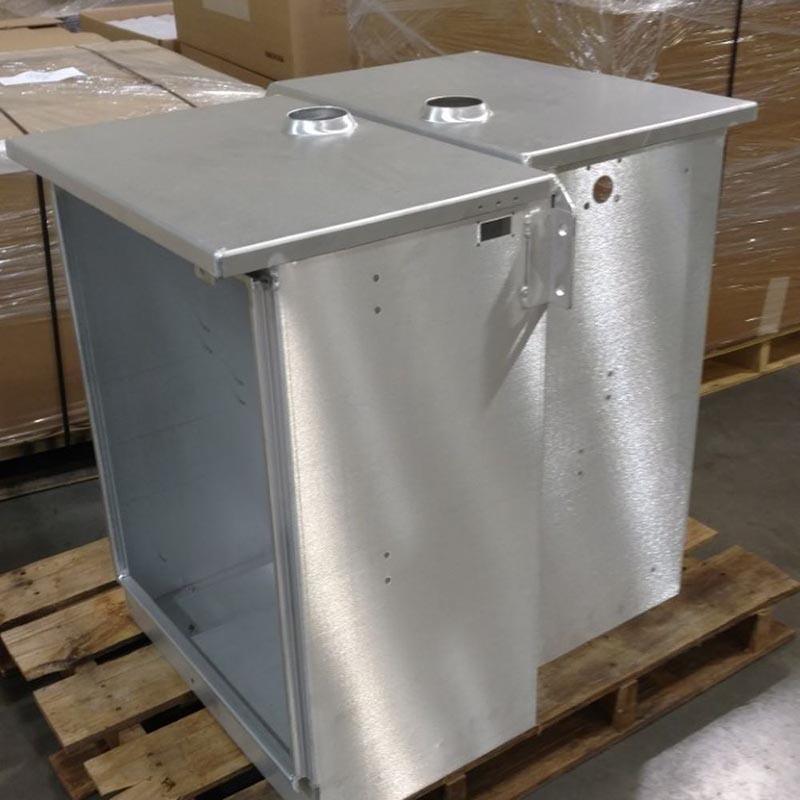
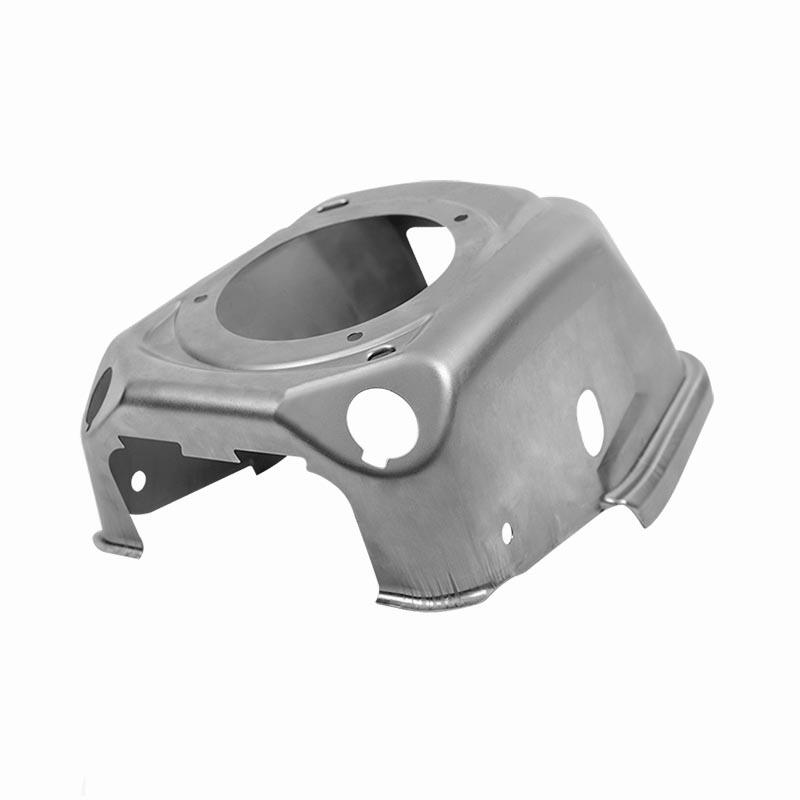
Custom steel fabrication represents a specialized manufacturing process that transforms raw steel materials into precisely engineered components and structures tailored to meet specific project requirements. This comprehensive service encompasses cutting, welding, forming, machining, and assembling steel elements to create everything from architectural frameworks to industrial machinery components. The process begins with detailed engineering drawings and specifications, which skilled fabricators interpret to produce components that match exact dimensional tolerances and performance criteria. Modern custom steel fabrication facilities utilize advanced technologies including computer-controlled plasma cutting systems, automated welding equipment, and precision machining centers to ensure consistent quality and accuracy. The fabrication process involves multiple stages, starting with material selection where engineers choose appropriate steel grades based on strength requirements, environmental conditions, and application demands. Cutting operations employ various techniques such as plasma cutting, laser cutting, or waterjet cutting to achieve precise dimensions and clean edges. Forming operations shape the steel through bending, rolling, or pressing to create desired profiles and configurations. Welding procedures join multiple components using certified techniques that ensure structural integrity and meet industry standards. Quality control measures throughout the fabrication process include dimensional inspections, non-destructive testing, and material certifications to verify compliance with project specifications. Custom steel fabrication serves diverse industries including construction, manufacturing, energy, transportation, and infrastructure development. The versatility of steel as a material, combined with advanced fabrication techniques, enables the creation of complex geometries, heavy-duty structures, and precision components that would be impossible to achieve through standard manufacturing processes. This specialized service provides solutions for unique engineering challenges while maintaining cost-effectiveness and project timeline requirements.

New Products

Custom steel fabrication delivers exceptional value through precise engineering solutions that standard manufacturing cannot match. Companies benefit from tailored designs that perfectly fit their specific operational requirements, eliminating the compromises often necessary with off-the-shelf products. This precision approach reduces installation time and costs while ensuring optimal performance in the intended application. The strength and durability of fabricated steel components provide long-term reliability that minimizes maintenance requirements and extends equipment lifespan. Steel's inherent properties, including high tensile strength, corrosion resistance when properly treated, and fire resistance, make custom fabricated components ideal for demanding environments and critical applications. Cost efficiency emerges as a significant advantage because custom steel fabrication eliminates material waste through optimized designs and precise cutting techniques. Manufacturers can produce exactly what customers need without excess material or unnecessary features that increase costs. The scalability of custom fabrication allows for both single prototype production and large-scale manufacturing runs, providing flexibility to meet varying project demands. Speed of delivery often surpasses traditional manufacturing timelines because custom fabrication eliminates supply chain delays associated with sourcing specific components from multiple vendors. Quality control throughout the fabrication process ensures consistent results that meet or exceed industry standards and project specifications. This attention to quality reduces the risk of component failure and associated downtime costs. Environmental benefits include the recyclability of steel materials and the ability to optimize designs for minimal material usage while maintaining structural integrity. The local nature of many custom steel fabrication operations reduces transportation costs and supports regional economic development. Versatility stands out as another key advantage, as custom fabrication can accommodate complex geometries, specialized connections, and unique material requirements that standard products cannot address. Technical expertise from experienced fabricators provides valuable engineering support throughout the design and production process, helping optimize designs for both performance and manufacturability. This collaborative approach often leads to innovative solutions that improve project outcomes while controlling costs.

Practical Tips

Custom Metal Fabrication for Agricultural Machinery

18

Aug

Custom Metal Fabrication for Agricultural Machinery

Project Overview Date: June 2024 - September 2024Industry: Agricultural MachineryClient: Jan TheilierLocation: Germany   Project Description We were approached by a leading agricultural machinery manufacturer to develop a series of custom m...
View More

Get a Free Quote

Our engineers will provide you with a professional reply.
Your Name
Mobile
Email Address
WhatsApp
Subject
Attachment
Upload drawings or 3D model to see instant pricing, lead time and DFM feedback.
Up to 3 files,more 30mb,suppor jpg、jpeg、png、pdf、doc、docx、xls、xlsx、csv、txt
Message
0/1000

custom steel fabrication

Precision Engineering and Advanced Manufacturing Technology

Precision Engineering and Advanced Manufacturing Technology

Custom steel fabrication leverages cutting-edge manufacturing technology to achieve unprecedented precision and consistency in component production. Modern fabrication facilities employ computer numerical control systems that translate complex engineering drawings into precise manufacturing instructions, ensuring every component meets exact specifications within tight tolerances. Advanced plasma cutting systems utilize high-temperature plasma arcs to cut through steel with remarkable accuracy, creating clean edges that require minimal finishing work. Laser cutting technology provides even greater precision for intricate designs and thin materials, enabling the production of components with complex geometries that would be impossible to achieve through conventional methods. Automated welding systems ensure consistent weld quality while reducing production time and eliminating human error. These robotic welding systems can perform complex welding sequences repeatedly with identical results, ensuring structural integrity across all fabricated components. Computer-aided design software integration allows for seamless transition from concept to production, with three-dimensional modeling capabilities that enable thorough design validation before manufacturing begins. This technology integration reduces errors, minimizes material waste, and accelerates project timelines while maintaining the highest quality standards. Quality assurance systems incorporate real-time monitoring and inspection protocols that verify dimensional accuracy, material properties, and structural integrity at every production stage. Non-destructive testing methods, including ultrasonic inspection and magnetic particle testing, ensure weld quality and detect potential defects before components leave the fabrication facility. Material traceability systems track steel components from raw material receipt through final delivery, providing complete documentation of material properties and manufacturing processes. This comprehensive approach to precision engineering ensures that custom steel fabrication projects meet the most demanding specifications while providing reliable performance in critical applications.
Versatile Design Solutions for Diverse Industrial Applications

Versatile Design Solutions for Diverse Industrial Applications

The versatility of custom steel fabrication enables innovative solutions across a wide spectrum of industrial applications, from architectural structures to specialized manufacturing equipment. This adaptability stems from steel's exceptional material properties combined with advanced fabrication techniques that can accommodate virtually any design requirement. In the construction industry, custom steel fabrication creates unique architectural elements, structural frameworks, and building components that standard products cannot provide. Complex building designs often require specialized connections, unusual beam configurations, or decorative elements that only custom fabrication can deliver. Manufacturing facilities benefit from custom-fabricated equipment frames, conveyor systems, and specialized machinery components designed to integrate seamlessly with existing operations. The energy sector relies heavily on custom steel fabrication for power generation equipment, transmission structures, and renewable energy installations where standard components cannot withstand harsh environmental conditions or meet specific performance requirements. Transportation infrastructure projects utilize custom fabricated bridges, railway components, and highway structures engineered to handle specific load requirements and environmental challenges. The flexibility of custom steel fabrication allows engineers to optimize designs for weight reduction while maintaining structural strength, particularly important in aerospace and transportation applications where every pound matters. Material selection versatility enables fabricators to choose from various steel grades, each offering specific properties such as corrosion resistance, high-temperature performance, or enhanced strength characteristics. Surface treatment options further enhance component performance through protective coatings, specialized finishes, or heat treatments that extend service life in challenging environments. Custom fabrication also accommodates mixed-material designs that combine steel with other materials like aluminum, stainless steel, or composite materials to achieve optimal performance characteristics. This design flexibility extends to connection methods, allowing for welded, bolted, or hybrid assembly techniques that best suit the application requirements and maintenance considerations. The ability to create modular designs enables efficient installation and future modifications while maintaining structural integrity throughout the component lifecycle.
Economic Efficiency and Sustainable Manufacturing Practices

Economic Efficiency and Sustainable Manufacturing Practices

Custom steel fabrication delivers remarkable economic efficiency through optimized material utilization, reduced waste generation, and streamlined production processes that benefit both manufacturers and customers. Unlike mass production methods that often result in material waste and inventory carrying costs, custom fabrication produces exactly what customers need, eliminating excess material and reducing overall project costs. Advanced nesting software optimizes material layouts to maximize steel utilization from each sheet or plate, significantly reducing waste and lowering material costs. This precision approach extends to inventory management, where custom fabrication eliminates the need for customers to maintain extensive parts inventories since components are produced on-demand according to project schedules. Local fabrication capabilities reduce transportation costs and delivery times while supporting regional economic development and reducing environmental impact from long-distance shipping. The durability of custom fabricated steel components provides exceptional long-term value through extended service life and minimal maintenance requirements compared to alternative materials or standard products. Steel's recyclability contributes to sustainable manufacturing practices, as fabricated components can be recycled at the end of their service life without losing material properties. Energy efficiency improvements result from optimized designs that reduce material usage while maintaining structural performance, contributing to lower carbon footprints for projects and facilities. Custom fabrication enables value engineering opportunities where experienced fabricators collaborate with customers to optimize designs for both performance and cost-effectiveness. This collaborative approach often identifies alternative materials, simplified manufacturing processes, or design modifications that reduce costs without compromising functionality. Quality assurance practices inherent in custom fabrication reduce the risk of component failure and associated costs including downtime, replacement parts, and emergency repairs. The ability to incorporate future expansion requirements into initial designs provides long-term economic benefits by avoiding costly modifications or replacements as operational needs evolve. Just-in-time delivery capabilities reduce storage costs and improve cash flow by delivering components precisely when needed for installation or assembly operations.

Get a Free Quote

Our engineers will provide you with a professional reply.
Your Name
Mobile
Email Address
WhatsApp
Subject
Attachment
Upload drawings or 3D model to see instant pricing, lead time and DFM feedback.
Up to 3 files,more 30mb,support jpg、jpeg、png、pdf、doc、docx、xls、xlsx、csv、txt、stp、step、igs、x_t、dxf、prt、sldprt、sat、rar、zip
Message
0/1000