stainless sheet metal fabrication
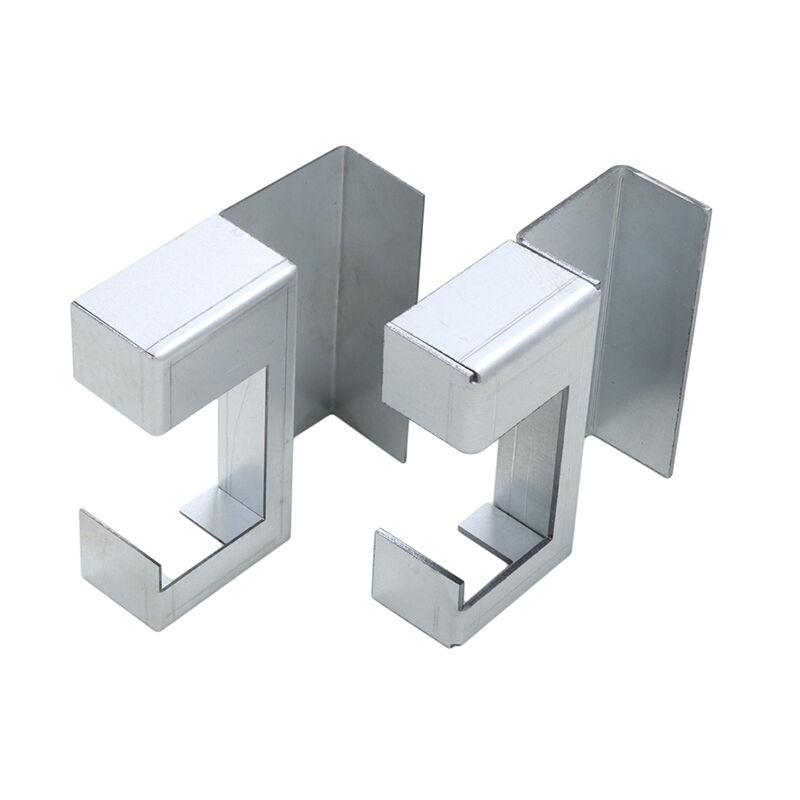
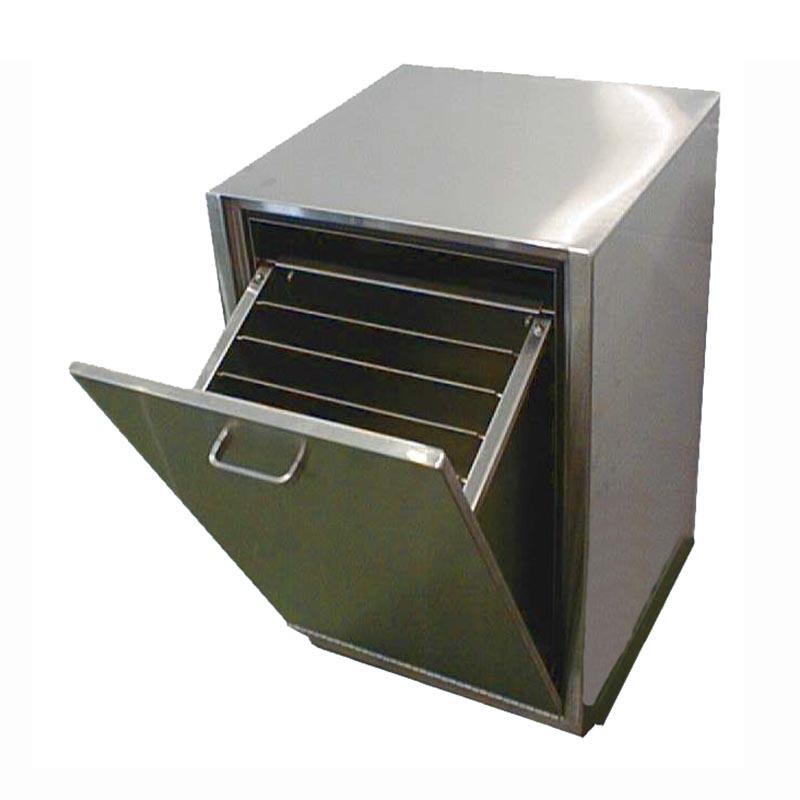
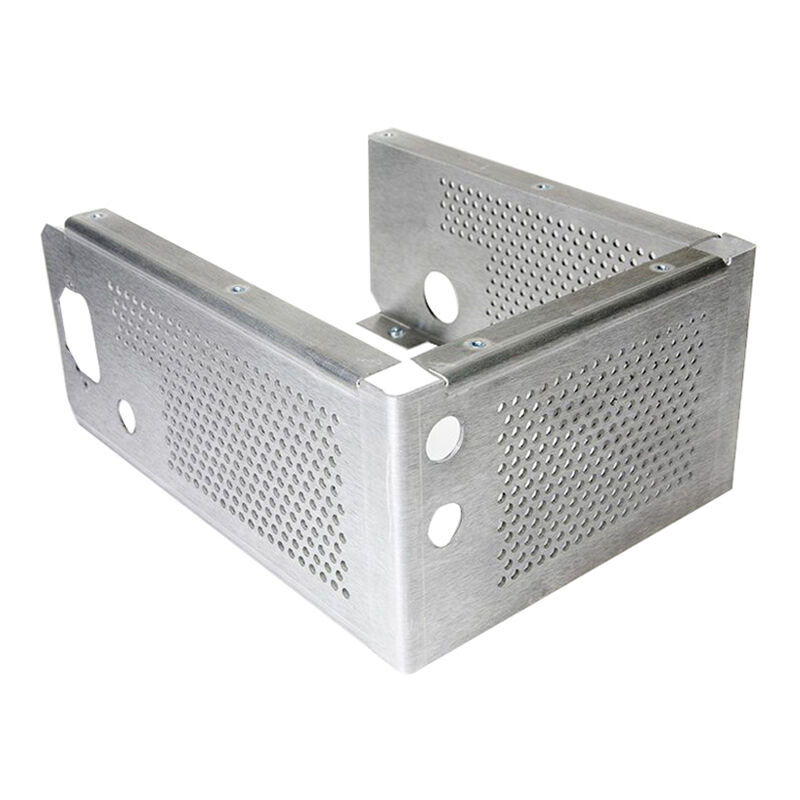
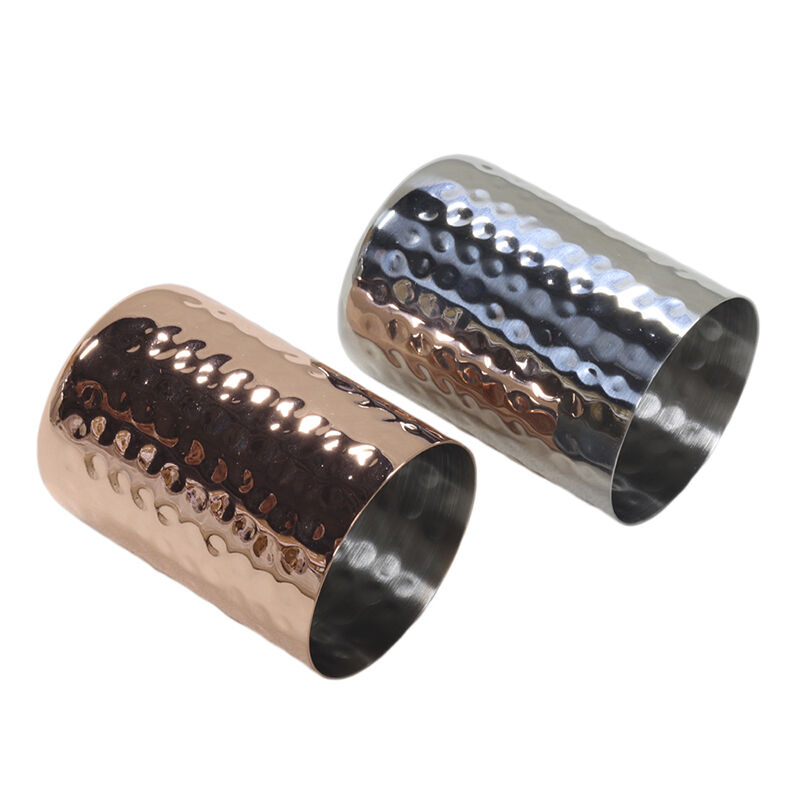
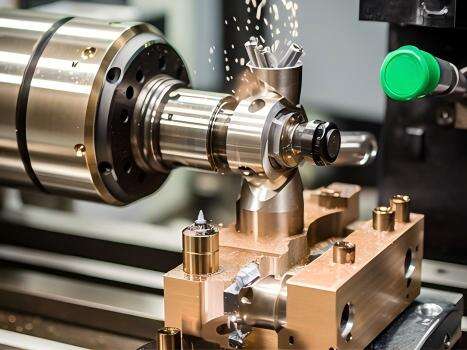
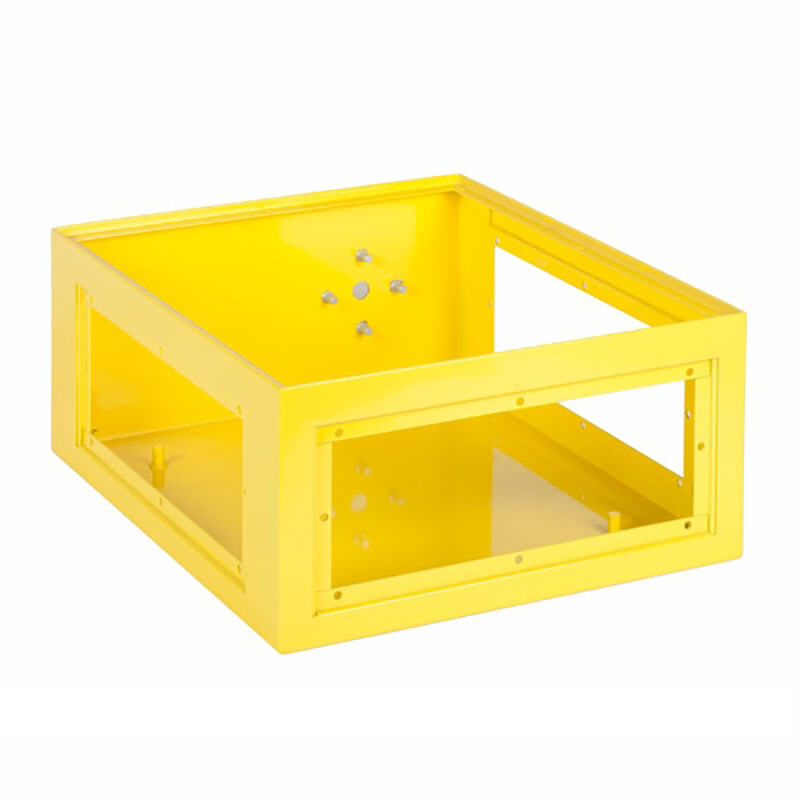
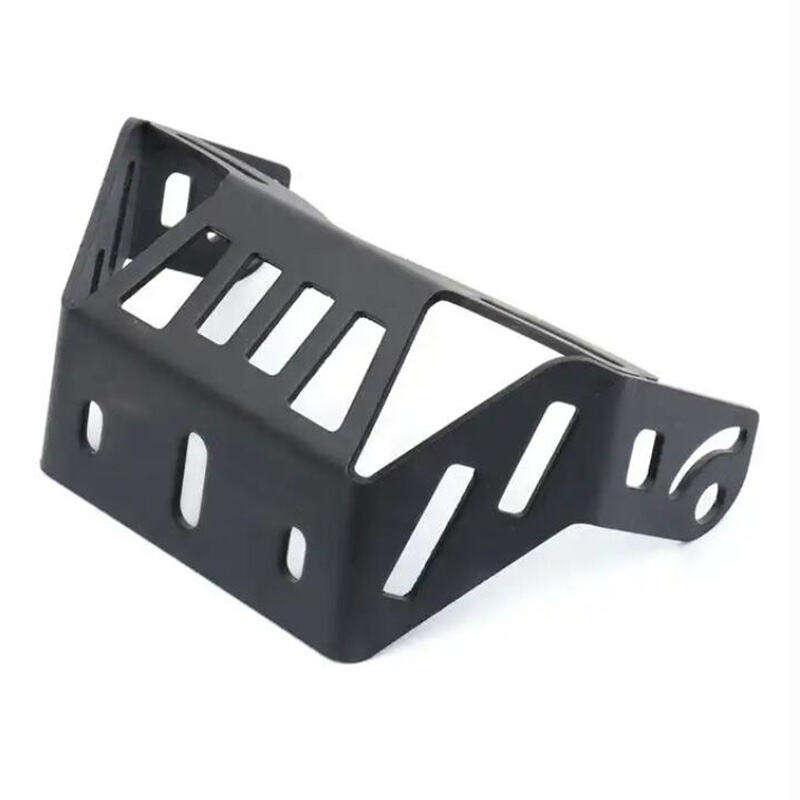
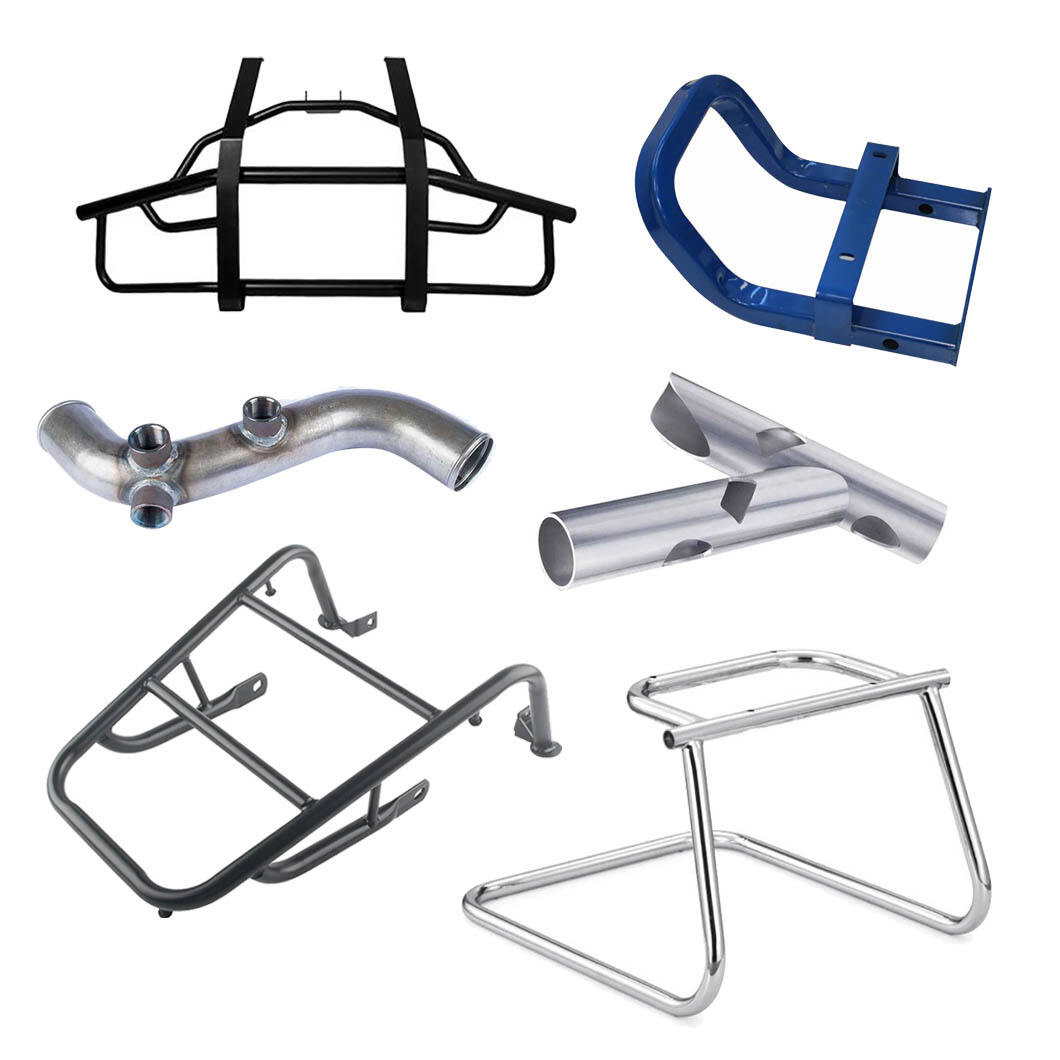
Stainless sheet metal fabrication represents a comprehensive manufacturing process that transforms raw stainless steel sheets into custom-designed components and products for various industries. This sophisticated manufacturing technique combines cutting-edge technology with precision engineering to create durable, corrosion-resistant solutions that meet exact specifications. The main functions of stainless sheet metal fabrication encompass cutting, forming, welding, finishing, and assembly operations that convert flat stainless steel sheets into three-dimensional structures and components. These processes utilize advanced machinery including laser cutters, press brakes, stamping equipment, and automated welding systems to achieve precise tolerances and superior quality finishes. The technological features of stainless sheet metal fabrication include computer-controlled cutting systems that ensure accuracy within thousandths of an inch, sophisticated forming equipment that creates complex geometries without compromising material integrity, and specialized welding techniques that maintain the stainless steel's inherent properties. Modern fabrication facilities employ CAD/CAM software integration, allowing for seamless transition from design concept to finished product while minimizing material waste and production time. Applications for stainless sheet metal fabrication span numerous sectors including food processing, pharmaceutical manufacturing, aerospace engineering, architectural construction, automotive production, and marine environments. In food processing facilities, fabricated stainless steel components ensure hygiene standards while resisting corrosion from cleaning chemicals and moisture. Pharmaceutical companies rely on these fabricated products for equipment housings, storage tanks, and processing machinery that must maintain sterile conditions. The aerospace industry utilizes precision-fabricated stainless steel parts for aircraft components that require exceptional strength-to-weight ratios and resistance to extreme temperatures. Architectural applications include decorative panels, structural elements, and facade systems that combine aesthetic appeal with long-term durability. This versatile manufacturing process continues to evolve with advancing technology, incorporating robotics, artificial intelligence, and sustainable practices to meet growing market demands while maintaining the highest quality standards.
 EN
EN