stainless steel sheet metal fabrication
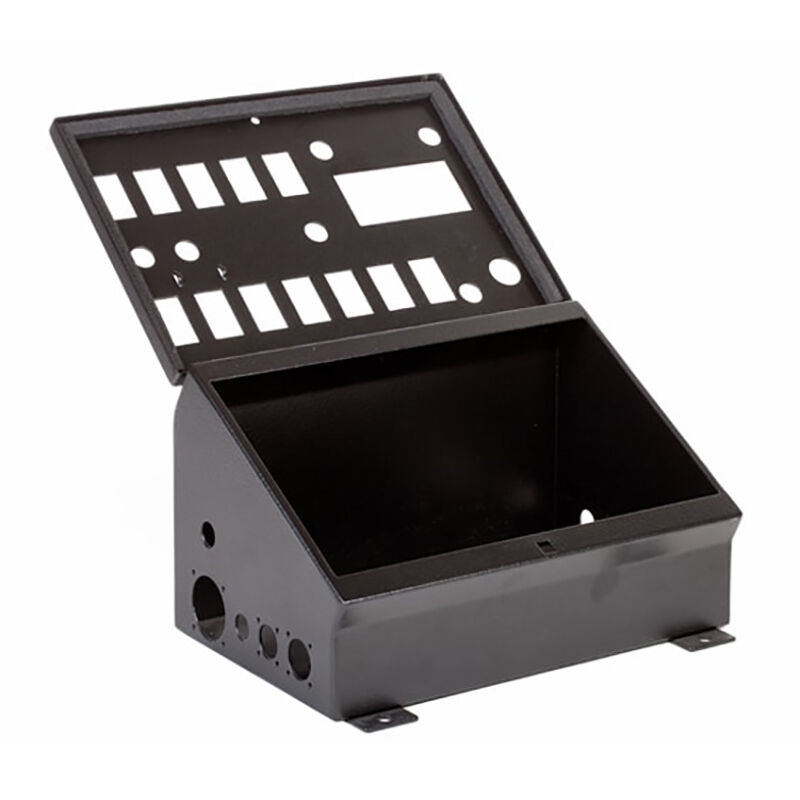
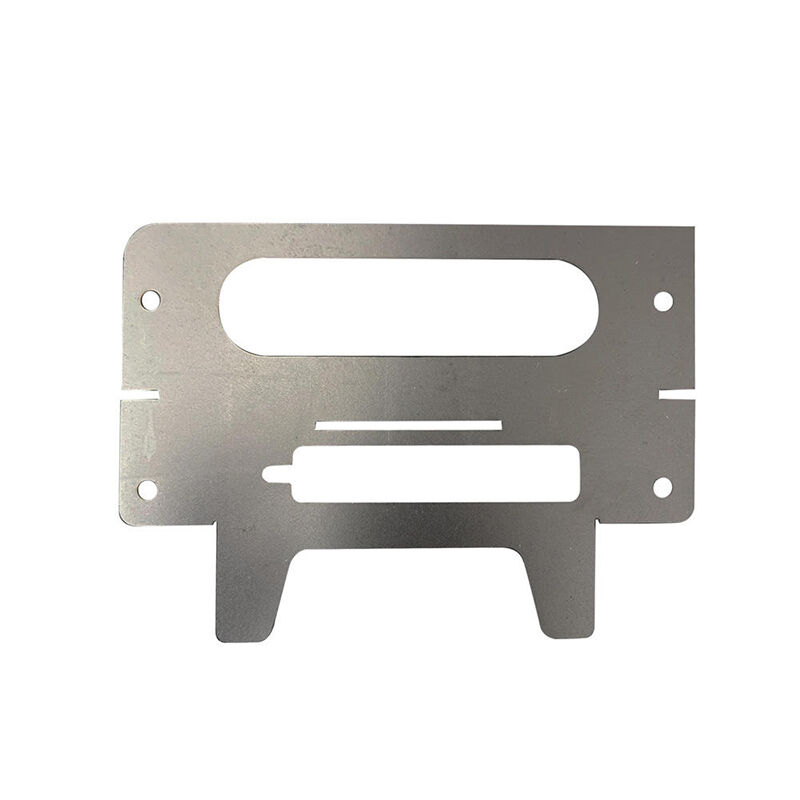
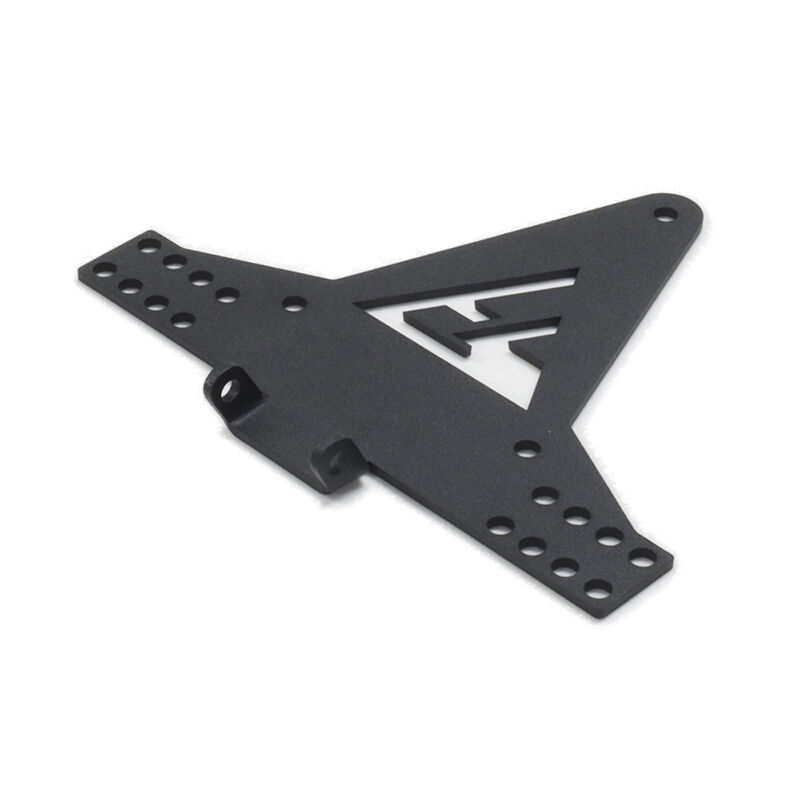
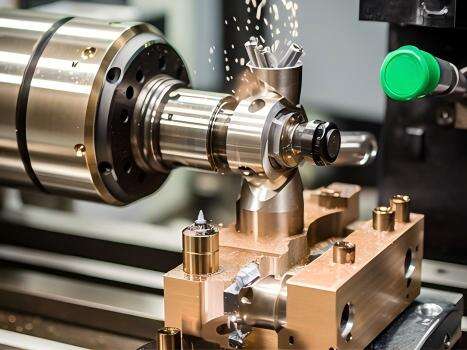
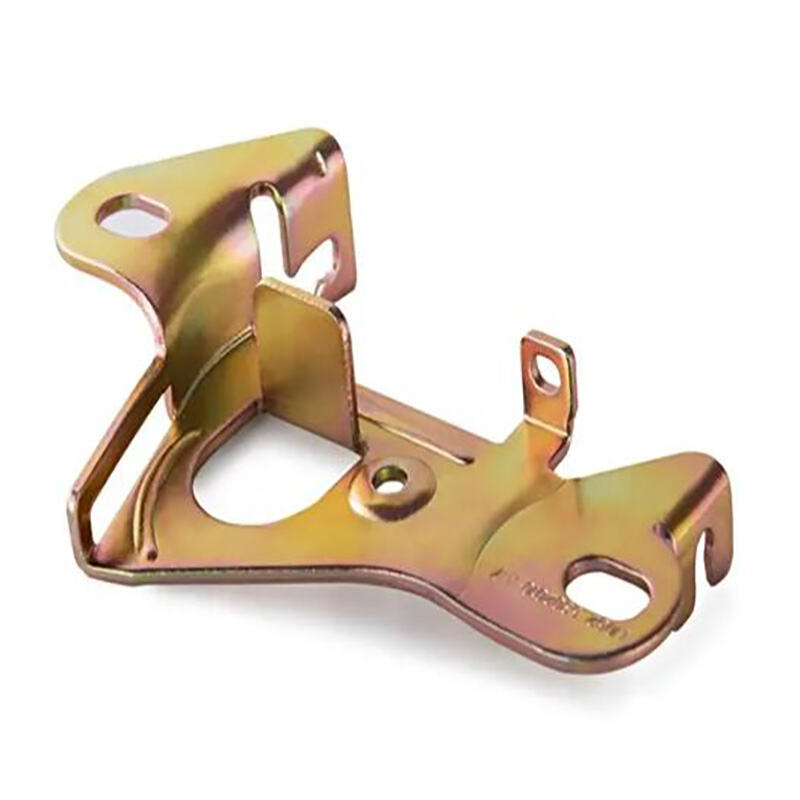
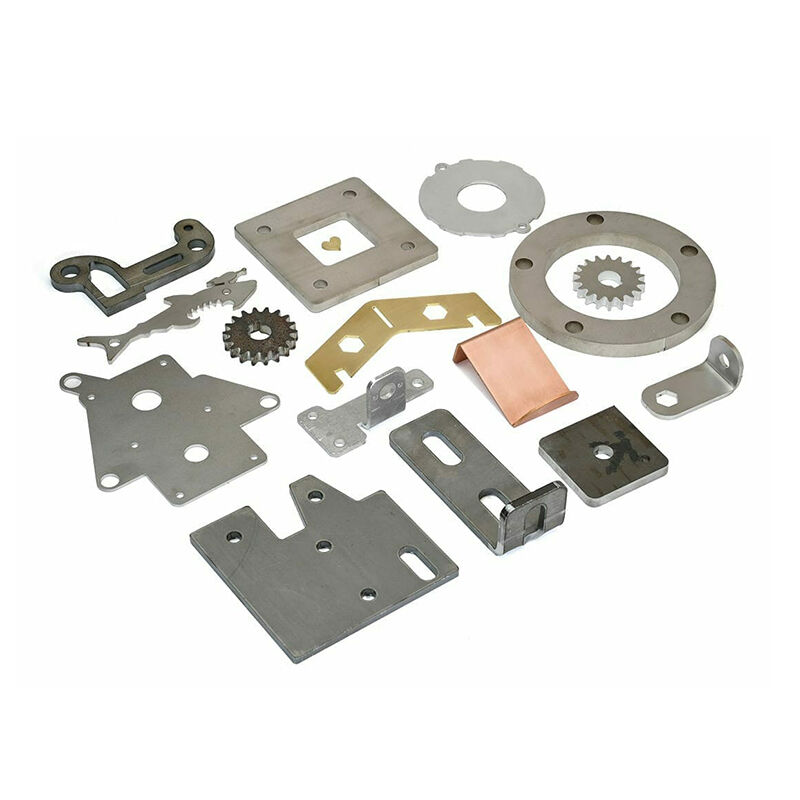
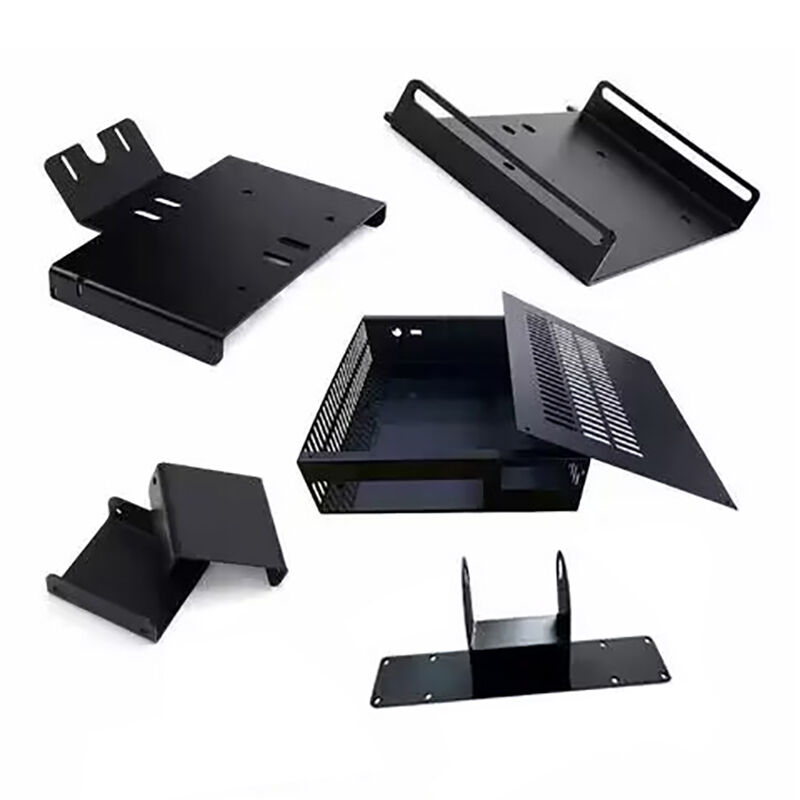
Stainless steel sheet metal fabrication represents a sophisticated manufacturing process that transforms raw stainless steel sheets into precisely engineered components and structures. This versatile fabrication method encompasses multiple specialized techniques including cutting, bending, forming, welding, and finishing operations to create custom metalwork solutions. The process begins with high-grade stainless steel sheets, typically ranging from 0.5mm to 12mm in thickness, which undergo careful preparation and quality inspection before fabrication commences. Modern stainless steel sheet metal fabrication utilizes advanced computer-controlled machinery, laser cutting systems, and precision forming equipment to achieve exceptional accuracy and consistency. The technological features of this fabrication process include CNC programming capabilities, automated material handling systems, and integrated quality control measures that ensure each component meets stringent specifications. Key functions of stainless steel sheet metal fabrication include producing architectural elements, industrial equipment housing, food processing machinery components, medical device enclosures, and decorative panels. The fabrication process incorporates various grades of stainless steel, with 304 and 316 being the most commonly utilized due to their excellent corrosion resistance and mechanical properties. Applications span across diverse industries including healthcare, food service, construction, automotive, aerospace, and marine sectors. The fabrication techniques employed range from traditional methods like brake forming and shearing to contemporary approaches such as waterjet cutting and robotic welding. Surface finishing options include brushed, mirror, and textured finishes that enhance both aesthetic appeal and functional performance. Quality assurance protocols throughout the stainless steel sheet metal fabrication process ensure dimensional accuracy, surface integrity, and structural soundness of the final products.
 EN
EN