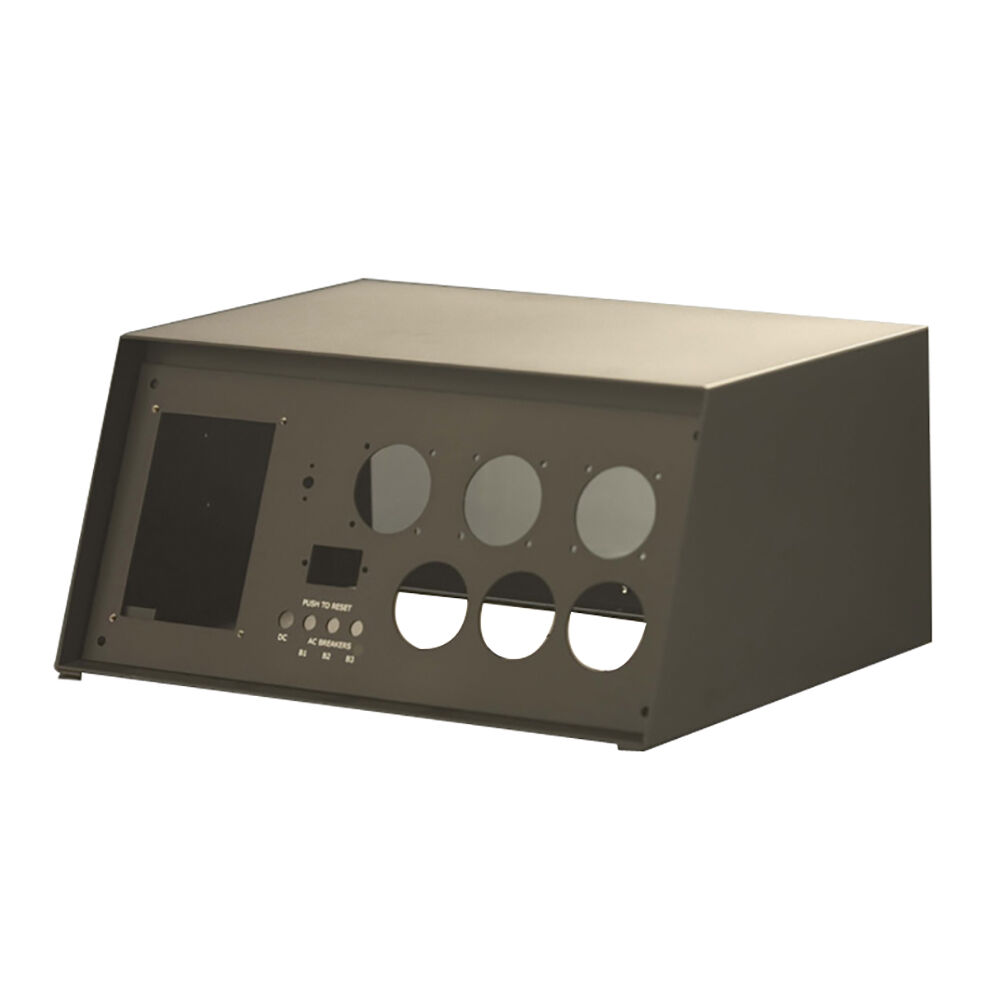
Professional Industrial Sheet Metal Fabrication Services - Precision Manufacturing Solutions

Get a Free Quote

Our engineers will provide you with a professional reply.
Your Name
Mobile
Email Address
WhatsApp
Subject
Attachment
Upload drawings or 3D model to see instant pricing, lead time and DFM feedback.
Up to 3 files,more 30mb,support jpg、jpeg、png、pdf、doc、docx、xls、xlsx、csv、txt、stp、step、igs、x_t、dxf、prt、sldprt、sat、rar、zip
Message
0/1000

industrial sheet metal fabrication

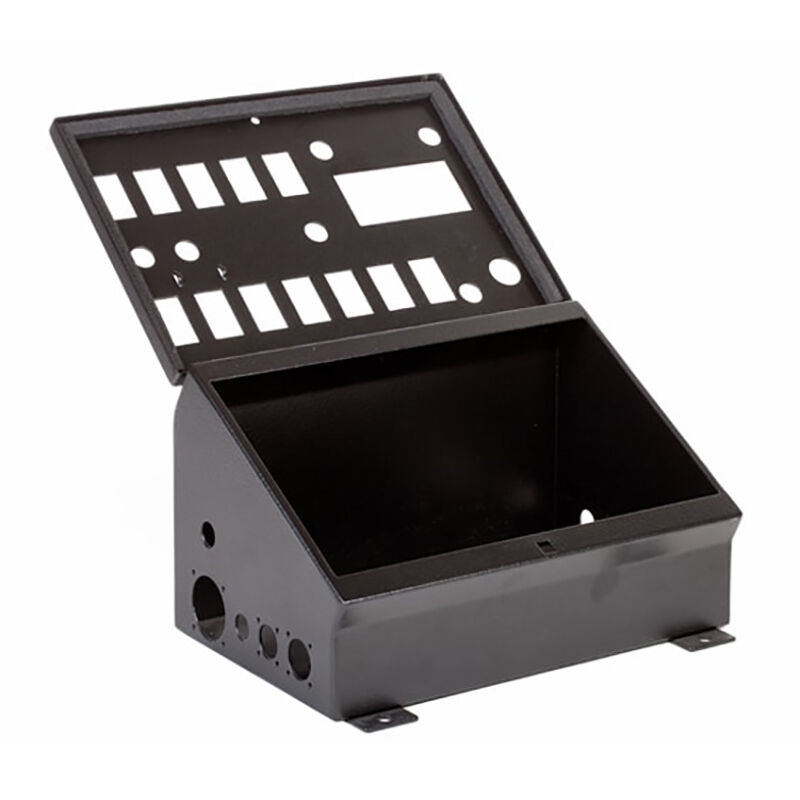
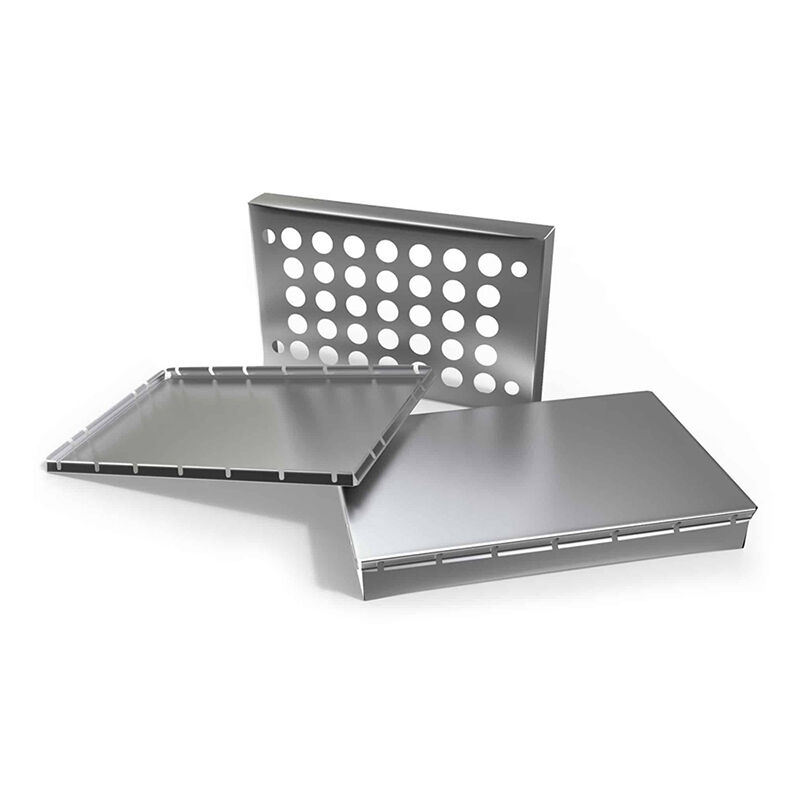
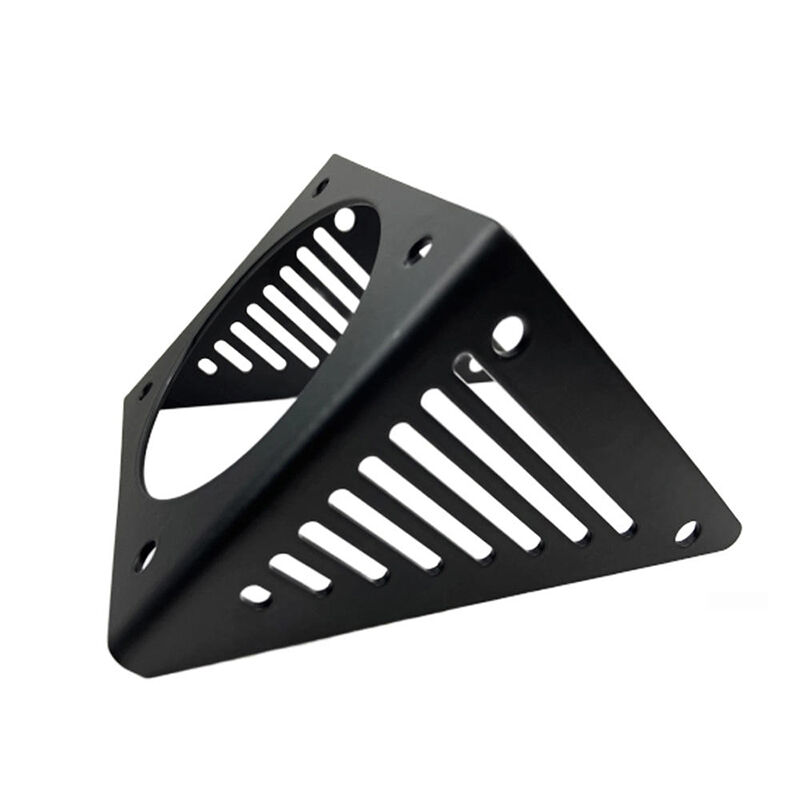
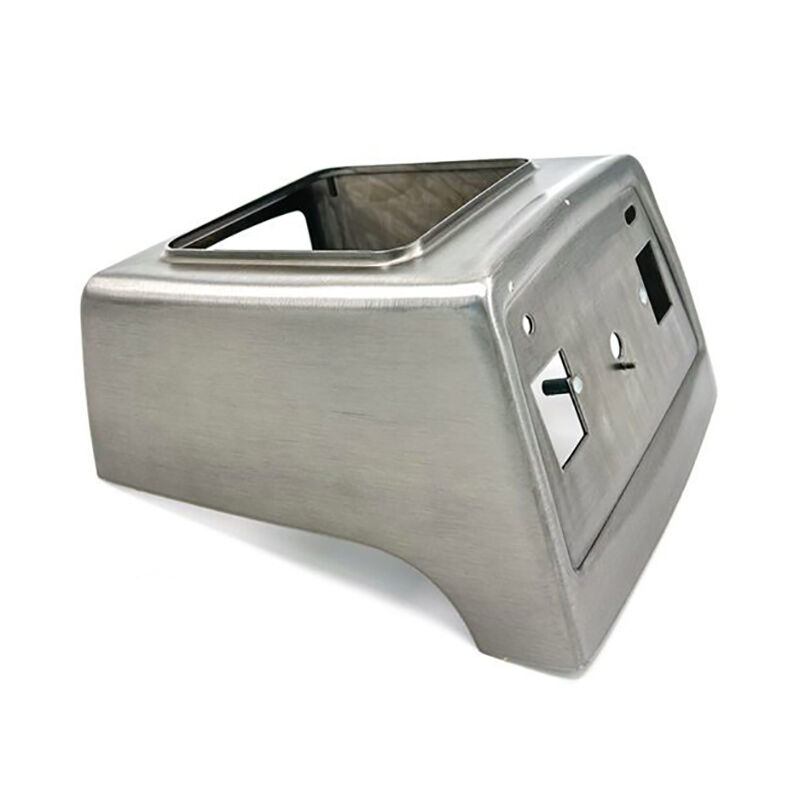
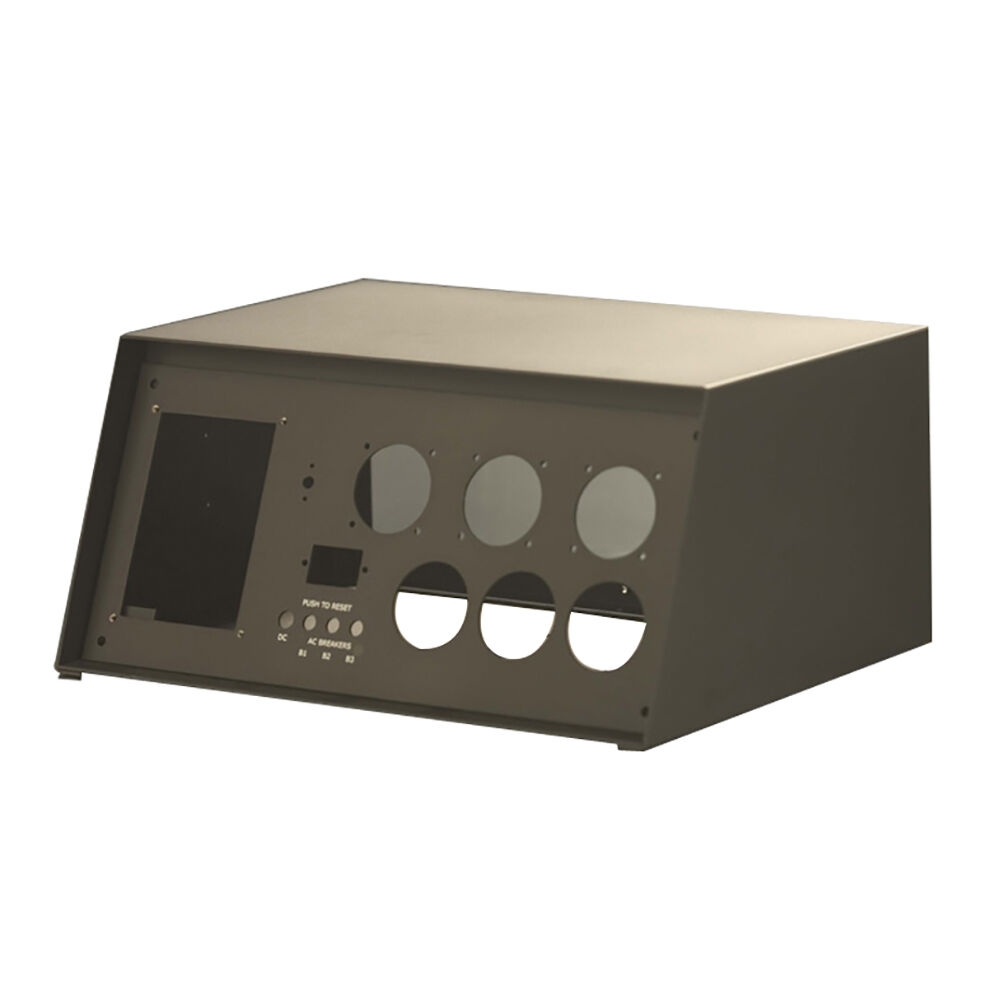
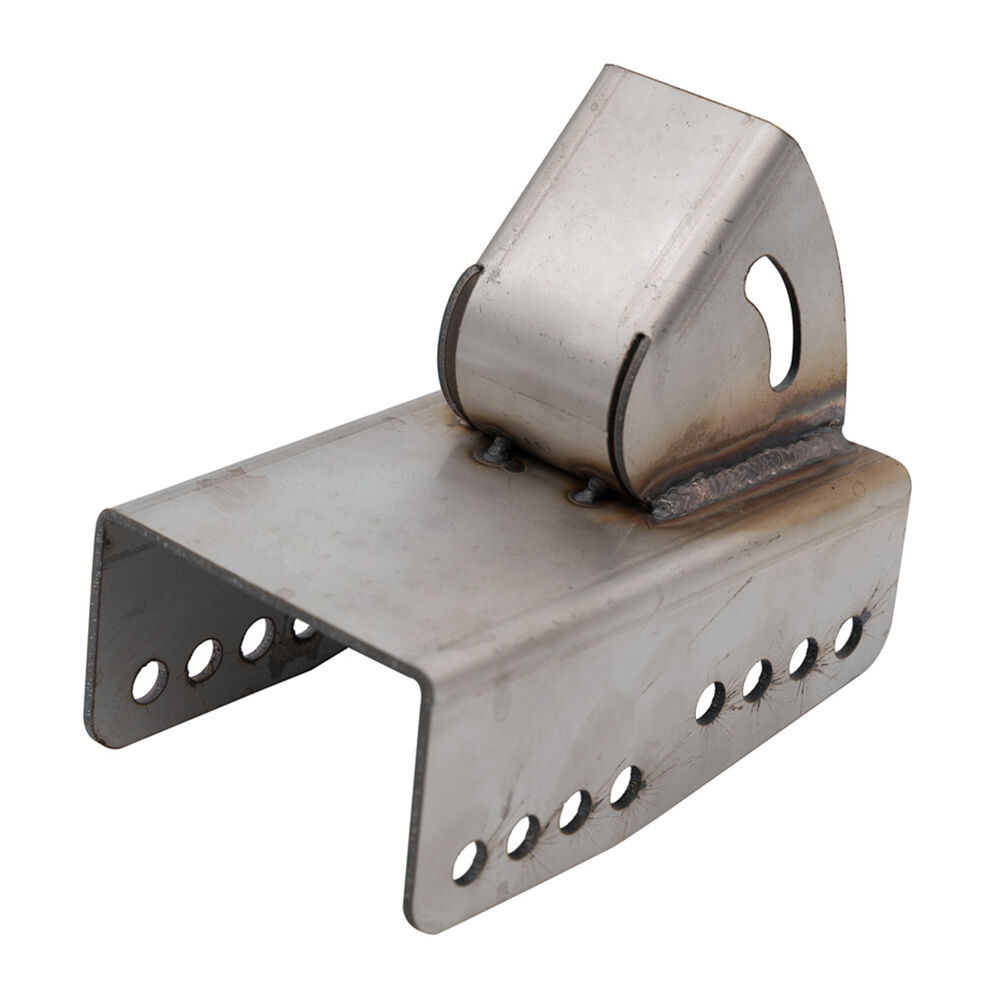
Industrial sheet metal fabrication represents a comprehensive manufacturing process that transforms flat metal sheets into functional components and products through various cutting, forming, and assembly techniques. This sophisticated manufacturing approach serves as the backbone of countless industries, delivering precision-engineered solutions that meet demanding specifications and performance requirements. The primary functions of industrial sheet metal fabrication encompass cutting operations using laser cutting, plasma cutting, and waterjet technology to achieve precise dimensions and clean edges. Forming processes including bending, rolling, and stamping create three-dimensional shapes from flat materials, while welding and joining techniques assemble complex structures and components. The technological features of modern industrial sheet metal fabrication include computer-aided design integration, automated machinery control, and quality assurance systems that ensure consistent results. Advanced fabrication facilities utilize CNC equipment for repeatable accuracy, while specialized tooling enables complex geometries and tight tolerances. Material handling systems streamline workflow efficiency, reducing lead times and production costs. Surface finishing capabilities such as powder coating, anodizing, and plating provide corrosion resistance and aesthetic appeal. Industrial sheet metal fabrication applications span automotive manufacturing, aerospace components, construction materials, electronics enclosures, appliance housings, and architectural elements. The versatility of this manufacturing process accommodates various materials including aluminum, stainless steel, carbon steel, and specialty alloys, each offering unique properties suited to specific applications. Quality control measures throughout the industrial sheet metal fabrication process ensure dimensional accuracy, structural integrity, and surface quality standards. Modern fabrication techniques support both high-volume production runs and custom prototyping, making this manufacturing approach suitable for diverse project requirements across multiple industries.

New Products

Industrial sheet metal fabrication offers significant cost-effectiveness compared to alternative manufacturing methods, reducing material waste through optimized cutting patterns and efficient nesting algorithms. This economic advantage stems from the ability to maximize material utilization while minimizing scrap generation, directly translating to lower production costs for customers. The speed of modern industrial sheet metal fabrication processes enables rapid turnaround times, allowing businesses to meet tight deadlines and respond quickly to market demands. Automated equipment and streamlined workflows reduce manual labor requirements, further contributing to competitive pricing structures. Precision accuracy represents another major advantage, with tolerances achievable within thousandths of an inch through advanced CNC technology and quality control systems. This level of precision eliminates the need for secondary machining operations in many applications, saving both time and additional processing costs. The versatility of industrial sheet metal fabrication accommodates a wide range of materials, thicknesses, and design complexities, providing customers with comprehensive solutions under one roof. From thin gauge decorative panels to heavy structural components, this manufacturing process adapts to diverse project requirements without compromising quality or efficiency. Scalability advantages allow seamless transitions from prototype quantities to full production volumes, supporting business growth and changing market demands. The consistency of industrial sheet metal fabrication ensures identical parts across production runs, maintaining quality standards and reducing assembly complications. Environmental benefits include material recyclability and energy-efficient processes that align with sustainable manufacturing practices. Advanced equipment reduces energy consumption while producing minimal waste, supporting corporate environmental responsibility initiatives. Customization capabilities enable tailored solutions that meet specific customer requirements, from unique geometries to specialized finishes and assembly configurations. The durability of fabricated sheet metal components provides long-term value through extended service life and minimal maintenance requirements. Quick design modifications and engineering changes can be implemented efficiently, supporting iterative development processes and continuous improvement initiatives. These combined advantages make industrial sheet metal fabrication an ideal choice for businesses seeking reliable, cost-effective manufacturing solutions.

Latest News

Custom Metal Fabrication for Agricultural Machinery

18

Aug

Custom Metal Fabrication for Agricultural Machinery

Project Overview Date: June 2024 - September 2024Industry: Agricultural MachineryClient: Jan TheilierLocation: Germany   Project Description We were approached by a leading agricultural machinery manufacturer to develop a series of custom m...
View More

Get a Free Quote

Our engineers will provide you with a professional reply.
Your Name
Mobile
Email Address
WhatsApp
Subject
Attachment
Upload drawings or 3D model to see instant pricing, lead time and DFM feedback.
Up to 3 files,more 30mb,suppor jpg、jpeg、png、pdf、doc、docx、xls、xlsx、csv、txt
Message
0/1000

industrial sheet metal fabrication

Advanced Precision Manufacturing Technology

Advanced Precision Manufacturing Technology

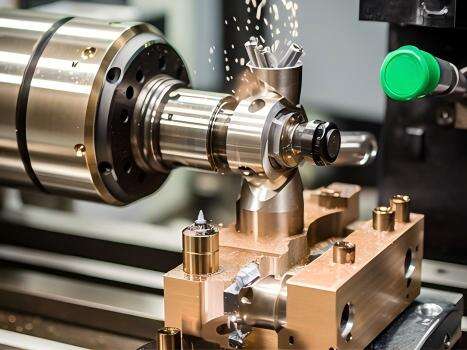
The cornerstone of modern industrial sheet metal fabrication lies in its advanced precision manufacturing technology, which delivers unparalleled accuracy and consistency across all production processes. State-of-the-art CNC laser cutting systems achieve tolerances within ±0.001 inches, ensuring that every component meets exact specifications without variation. This precision technology utilizes fiber laser systems that can cut through various materials with incredible accuracy while maintaining clean, burr-free edges that often eliminate the need for secondary finishing operations. The integration of CAD/CAM software enables seamless transition from design concepts to finished products, reducing human error and maximizing efficiency throughout the manufacturing process. Automated material handling systems work in conjunction with precision cutting equipment to maintain consistent positioning and eliminate manual handling variations that could affect dimensional accuracy. The technological advancement extends to forming operations, where computer-controlled press brakes deliver consistent bend angles and radii across thousands of parts. Advanced tooling systems automatically adjust for material variations and springback characteristics, ensuring that every bend meets specified requirements. Quality control systems integrate real-time measurement and feedback mechanisms that monitor critical dimensions during production, immediately flagging any deviations from specifications. This technology-driven approach to industrial sheet metal fabrication provides customers with the confidence that their components will fit perfectly in final assemblies, reducing costly rework and assembly delays. The precision manufacturing technology also enables complex geometries and intricate designs that would be impossible or prohibitively expensive with traditional manufacturing methods. Multi-axis forming equipment creates complex three-dimensional shapes in single operations, reducing assembly requirements and improving structural integrity. This technological capability opens new possibilities for product design optimization, allowing engineers to create more efficient and functional components while maintaining cost-effectiveness.
Comprehensive Material Expertise and Versatility

Comprehensive Material Expertise and Versatility

Industrial sheet metal fabrication offers unmatched material expertise and versatility, accommodating an extensive range of metals and alloys to meet diverse application requirements across multiple industries. This comprehensive material capability includes aluminum alloys for lightweight applications, stainless steel grades for corrosion resistance, carbon steel for structural strength, and specialty alloys for extreme environment applications. Material expertise extends beyond basic properties to include understanding of forming characteristics, weldability, surface finishing requirements, and long-term performance expectations. Experienced metallurgists and engineers provide guidance on optimal material selection, considering factors such as cost, performance requirements, environmental conditions, and manufacturing constraints. The versatility of industrial sheet metal fabrication processes accommodates material thicknesses ranging from ultra-thin foils to heavy plate materials, enabling solutions for applications from delicate electronic enclosures to robust industrial equipment housings. Advanced material handling systems prevent damage and contamination during processing, maintaining material integrity and surface quality throughout the manufacturing process. Specialized cutting techniques are optimized for different materials, with laser parameters adjusted for aluminum's reflective properties, plasma settings configured for thick steel sections, and waterjet systems utilized for materials sensitive to heat-affected zones. Forming expertise includes understanding of grain direction effects, spring-back compensation, and work-hardening characteristics that affect final part geometry and properties. Surface preparation techniques are tailored to specific materials and intended applications, from mechanical finishing for improved paint adhesion to electropolishing for pharmaceutical equipment components. The comprehensive material expertise enables cost optimization through strategic material selection and processing parameter optimization. Alternative material suggestions can reduce costs while maintaining performance requirements, or upgrade recommendations can enhance durability and service life. This material versatility and expertise provide customers with confidence that their industrial sheet metal fabrication partner can handle any material challenge while delivering optimal results for their specific application requirements.
Streamlined Production and Quality Assurance Systems

Streamlined Production and Quality Assurance Systems

The streamlined production and quality assurance systems of modern industrial sheet metal fabrication ensure consistent delivery of high-quality components while maintaining efficient throughput and competitive lead times. Integrated production planning software optimizes workflow scheduling, material utilization, and equipment utilization to maximize efficiency while minimizing waste and idle time. Real-time production tracking systems provide visibility into project status and delivery schedules, enabling proactive communication and schedule management. Quality assurance begins with incoming material inspection, where certified materials are verified for chemistry, dimensions, and surface quality before entering production. In-process quality controls monitor critical parameters throughout each manufacturing operation, from cut edge quality and dimensional accuracy to bend angles and surface finish specifications. Statistical process control systems track quality metrics and identify trends before they result in non-conforming products, ensuring consistent quality across all production runs. Final inspection procedures utilize coordinate measuring machines, optical comparators, and specialized gauges to verify that finished components meet all specified requirements. Documented quality procedures ensure traceability and repeatability, with detailed records maintained for each production lot. The streamlined production system integrates lean manufacturing principles to eliminate waste and reduce cycle times while maintaining quality standards. Cellular manufacturing layouts minimize material handling and reduce work-in-process inventory, improving cash flow and reducing lead times. Cross-trained operators provide flexibility to adapt to changing production demands while maintaining quality consistency. Preventive maintenance programs ensure equipment reliability and consistent performance, minimizing unexpected downtime and quality variations. Continuous improvement initiatives regularly evaluate processes and implement enhancements that benefit both quality and efficiency. Customer feedback systems capture performance data and improvement opportunities, driving ongoing refinements to production and quality systems. This comprehensive approach to streamlined production and quality assurance provides customers with reliable delivery schedules, consistent quality, and competitive pricing that supports their business objectives and market competitiveness.

Get a Free Quote

Our engineers will provide you with a professional reply.
Your Name
Mobile
Email Address
WhatsApp
Subject
Attachment
Upload drawings or 3D model to see instant pricing, lead time and DFM feedback.
Up to 3 files,more 30mb,support jpg、jpeg、png、pdf、doc、docx、xls、xlsx、csv、txt、stp、step、igs、x_t、dxf、prt、sldprt、sat、rar、zip
Message
0/1000