Professional Aluminum Sheet Metal Fabrication Services - Custom Solutions & Manufacturing

Get a Free Quote

Our engineers will provide you with a professional reply.
Your Name
Mobile
Email Address
WhatsApp
Subject
Attachment
Upload drawings or 3D model to see instant pricing, lead time and DFM feedback.
Up to 3 files,more 30mb,support jpg、jpeg、png、pdf、doc、docx、xls、xlsx、csv、txt、stp、step、igs、x_t、dxf、prt、sldprt、sat、rar、zip
Message
0/1000

aluminum sheet metal fabrication

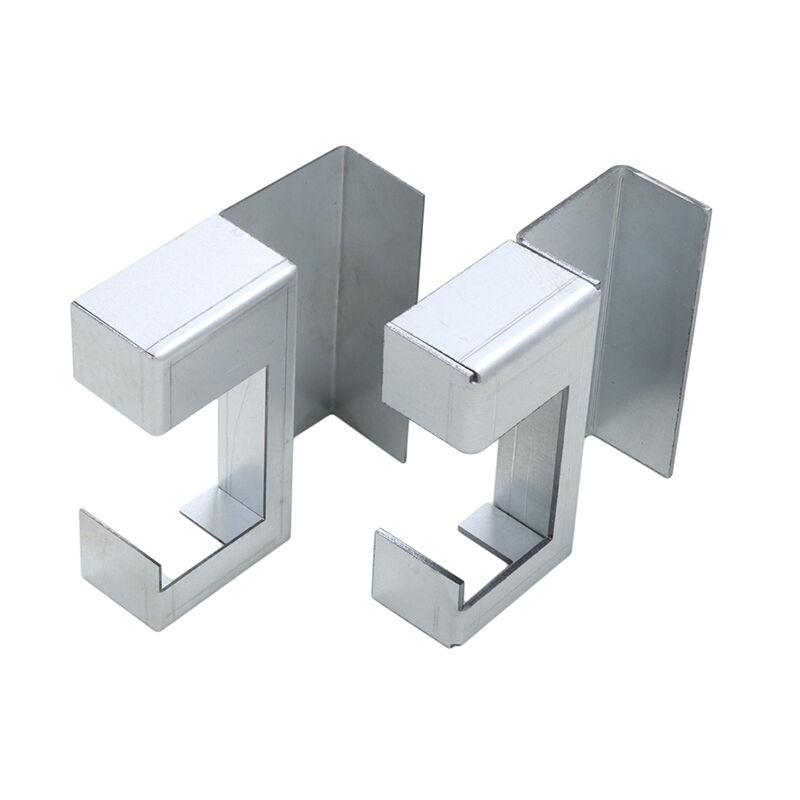
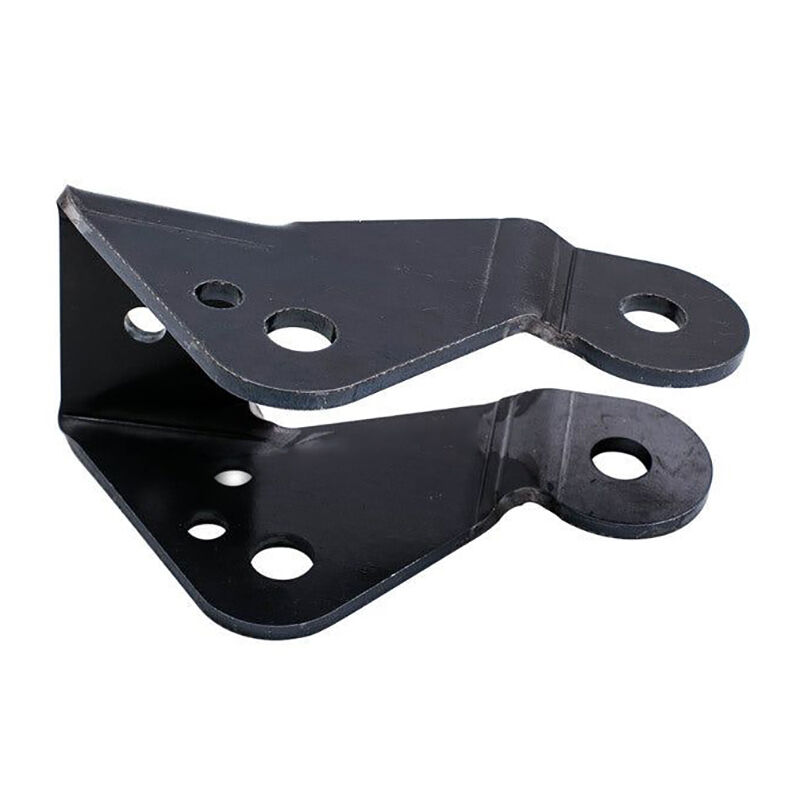
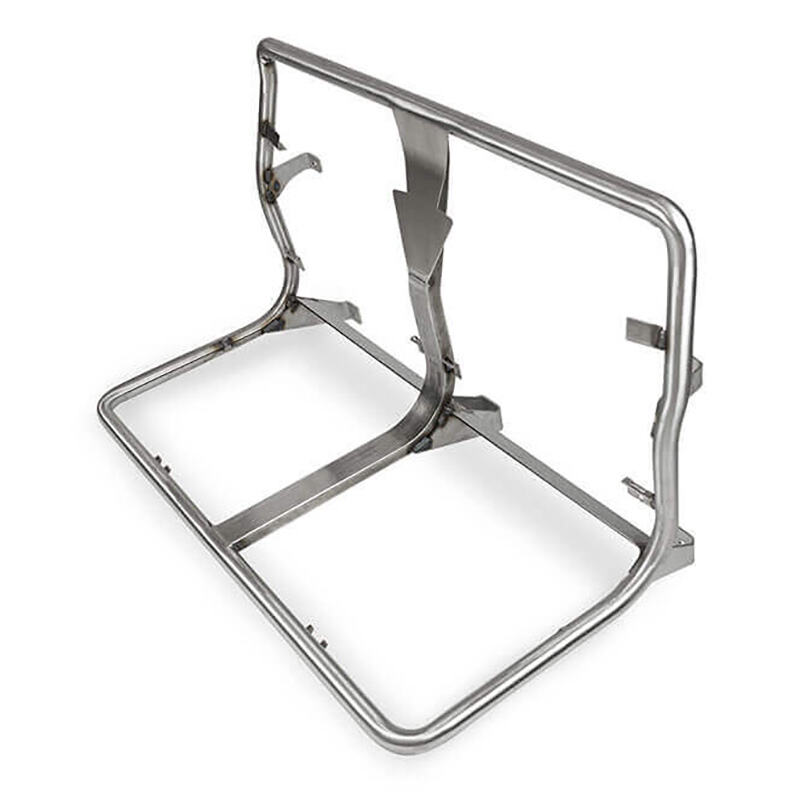
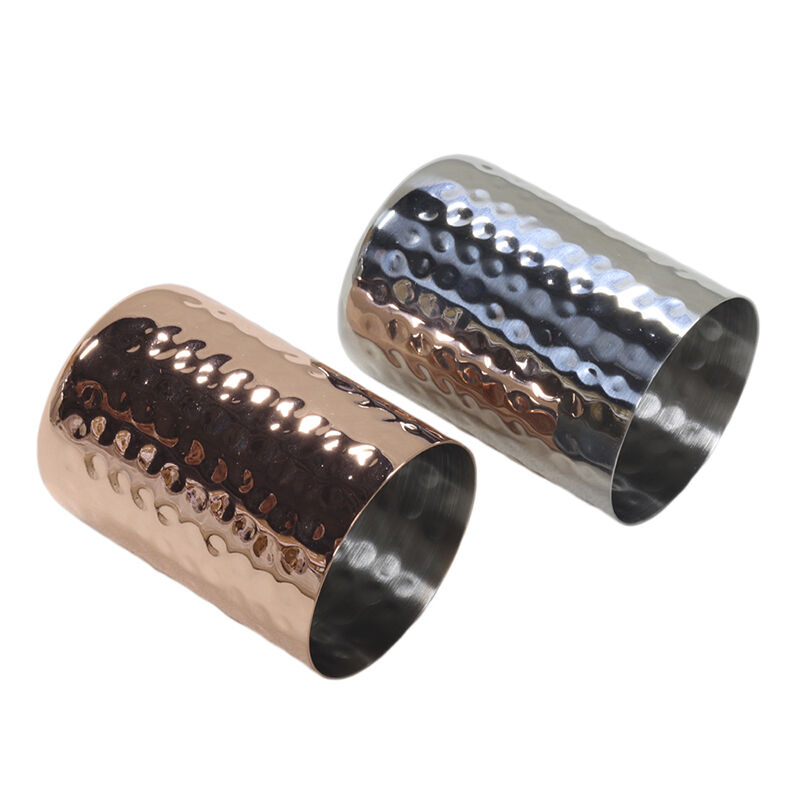
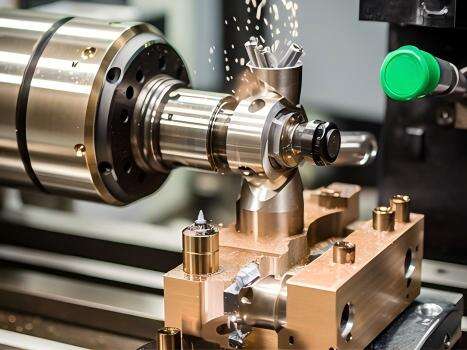
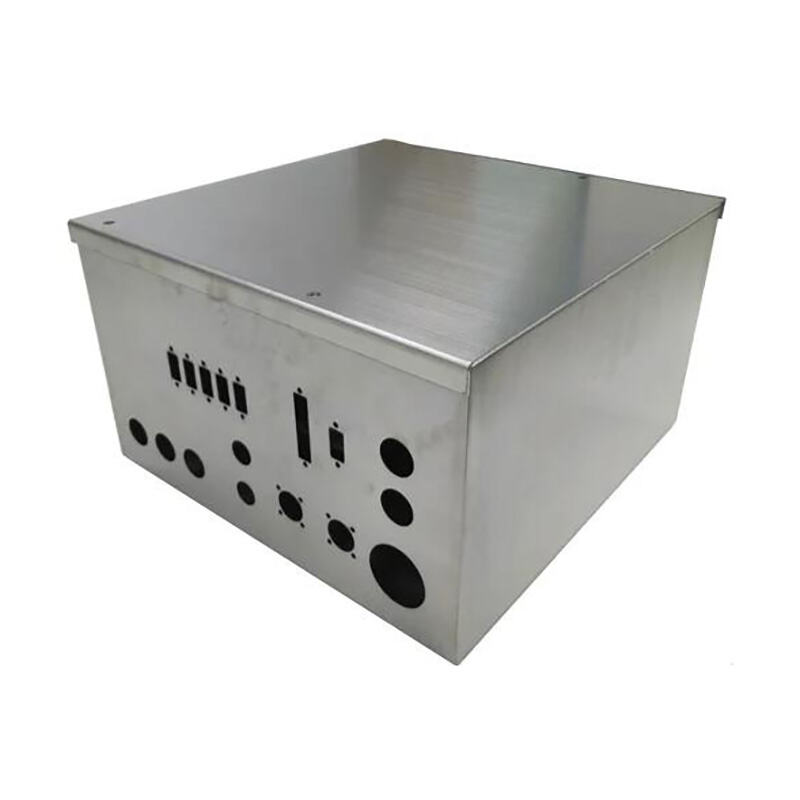
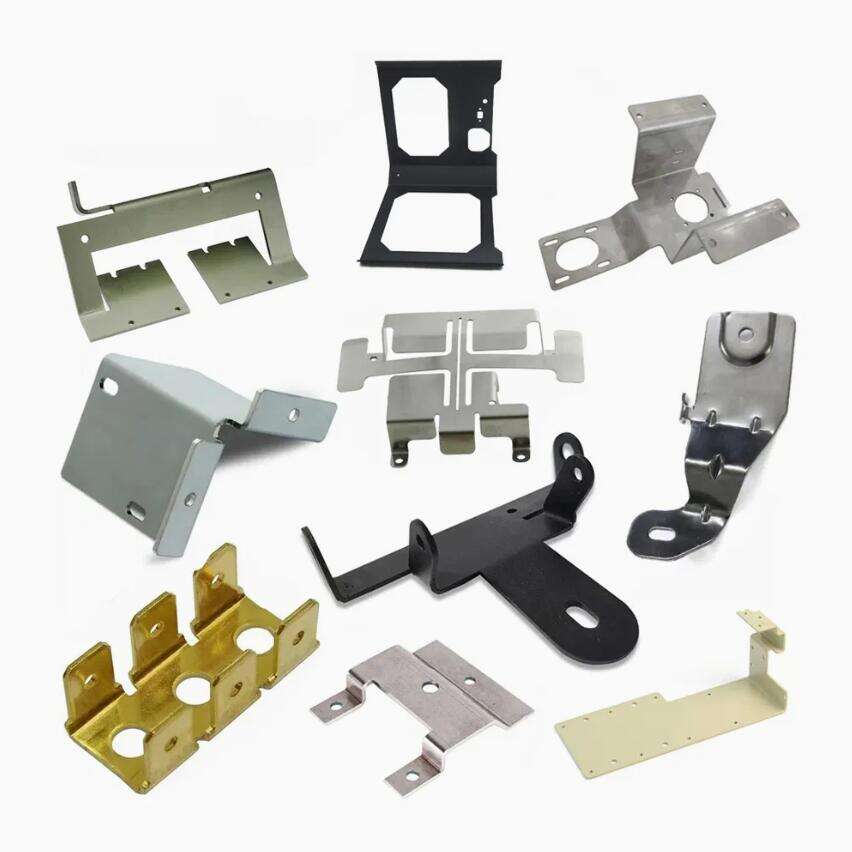
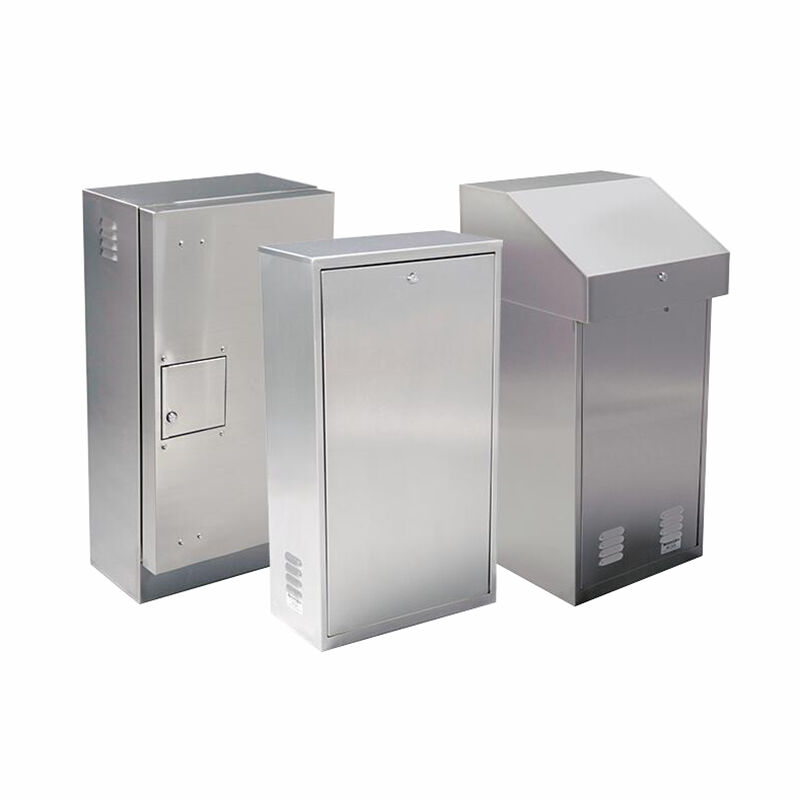
Aluminum sheet metal fabrication represents a comprehensive manufacturing process that transforms raw aluminum sheets into precise, functional components for diverse industrial applications. This sophisticated manufacturing technique encompasses cutting, bending, forming, welding, and finishing operations to create custom parts that meet exact specifications. The primary function of aluminum sheet metal fabrication involves converting flat aluminum materials into three-dimensional structures through various mechanical and thermal processes. Modern fabrication facilities utilize advanced computer-controlled machinery, including laser cutting systems, CNC punch presses, and precision brake forming equipment to achieve exceptional accuracy and repeatability. The technological features of aluminum sheet metal fabrication include plasma cutting capabilities, TIG welding processes, and automated material handling systems that ensure consistent quality throughout production. These fabrication methods support thickness ranges from thin gauge materials to heavy plate applications, accommodating projects from intricate electronic enclosures to large structural components. The process begins with material selection, where engineers choose appropriate aluminum alloys based on strength requirements, corrosion resistance needs, and final application demands. Advanced CAD software integration enables seamless transition from design concepts to production-ready manufacturing instructions. Quality control measures throughout aluminum sheet metal fabrication include dimensional inspections, material traceability, and surface finish verification to guarantee compliance with industry standards. The applications span across aerospace manufacturing, automotive production, architectural construction, electronics housing, marine equipment, and food processing machinery. Each sector benefits from aluminum's inherent properties when processed through professional fabrication techniques. The versatility of aluminum sheet metal fabrication allows for complex geometries, tight tolerances, and specialized surface treatments that enhance both functionality and aesthetics. Modern fabrication shops employ skilled technicians who understand material behavior, tooling requirements, and finishing processes essential for delivering superior results in aluminum sheet metal fabrication projects.

New Products

Aluminum sheet metal fabrication offers significant weight reduction benefits that directly impact operational efficiency and cost savings across numerous applications. Compared to steel alternatives, aluminum provides approximately 65 percent weight savings while maintaining structural integrity, resulting in reduced shipping costs, easier installation procedures, and improved fuel efficiency in transportation applications. The corrosion resistance properties of aluminum eliminate the need for expensive protective coatings and frequent maintenance schedules, providing long-term value through extended service life. This natural oxidation protection makes aluminum sheet metal fabrication ideal for outdoor installations, marine environments, and chemical processing facilities where traditional materials would require costly upkeep. The excellent thermal conductivity of aluminum enhances heat dissipation in electronic applications, reducing cooling requirements and improving system reliability. Manufacturing flexibility represents another major advantage, as aluminum responds exceptionally well to various forming processes, enabling complex shapes and intricate details that would be challenging with other materials. The recyclability factor of aluminum supports sustainability initiatives while reducing raw material costs, as recycled aluminum retains 100 percent of its original properties and requires only 5 percent of the energy needed for primary production. Aluminum sheet metal fabrication delivers superior surface finish quality, accepting various treatments including anodizing, powder coating, and chemical conversion coatings that enhance appearance and performance characteristics. The material's non-magnetic properties benefit electronic applications where magnetic interference must be minimized. Cost-effectiveness emerges through reduced labor requirements during installation due to aluminum's lightweight nature and ease of handling. The compatibility with automated fabrication processes reduces production time and labor costs while maintaining consistent quality standards. Aluminum's strength-to-weight ratio exceeds many traditional materials, enabling thinner cross-sections that reduce material consumption without compromising structural performance. The design flexibility offered by aluminum sheet metal fabrication allows engineers to optimize component configurations, integrate multiple functions into single parts, and achieve aesthetic goals while meeting technical requirements. These combined advantages position aluminum sheet metal fabrication as the preferred choice for modern manufacturing applications requiring performance, economy, and reliability.

Latest News

Custom Metal Fabrication for Agricultural Machinery

18

Aug

Custom Metal Fabrication for Agricultural Machinery

Project Overview Date: June 2024 - September 2024Industry: Agricultural MachineryClient: Jan TheilierLocation: Germany   Project Description We were approached by a leading agricultural machinery manufacturer to develop a series of custom m...
View More

Get a Free Quote

Our engineers will provide you with a professional reply.
Your Name
Mobile
Email Address
WhatsApp
Subject
Attachment
Upload drawings or 3D model to see instant pricing, lead time and DFM feedback.
Up to 3 files,more 30mb,suppor jpg、jpeg、png、pdf、doc、docx、xls、xlsx、csv、txt
Message
0/1000

aluminum sheet metal fabrication

Superior Strength-to-Weight Performance

Superior Strength-to-Weight Performance

The exceptional strength-to-weight ratio achieved through aluminum sheet metal fabrication delivers unmatched performance advantages that revolutionize product design and operational efficiency across industries. This fundamental characteristic stems from aluminum's unique crystalline structure, which provides impressive tensile strength while maintaining significantly lower density compared to steel and other traditional metals. Advanced aluminum alloys used in sheet metal fabrication can achieve strength levels comparable to mild steel while weighing approximately one-third as much, enabling engineers to design lighter structures without sacrificing load-bearing capacity or durability requirements. The fabrication process itself enhances these natural properties through controlled forming operations that can introduce beneficial work hardening effects, further improving material strength in critical stress areas. This strength-to-weight advantage translates into substantial cost savings throughout the product lifecycle, beginning with reduced raw material requirements and extending through transportation, installation, and operational phases. In aerospace applications, aluminum sheet metal fabrication enables aircraft manufacturers to reduce overall vehicle weight, directly improving fuel efficiency and payload capacity while maintaining strict safety standards. Automotive manufacturers leverage this property to meet increasingly stringent fuel economy regulations while preserving crash protection and structural integrity. The construction industry benefits from easier handling during installation, reduced foundation requirements, and improved seismic performance in earthquake-prone regions. Electronic equipment manufacturers utilize aluminum's strength characteristics to create robust enclosures that protect sensitive components while minimizing overall system weight for portable applications. The fabrication flexibility allows for strategic material placement, using thicker sections only where maximum strength is required while employing thinner gauges in less critical areas, optimizing both performance and material usage. Quality control measures during aluminum sheet metal fabrication ensure consistent strength properties throughout fabricated components, with testing protocols that verify mechanical properties meet design specifications. This reliability enables engineers to confidently specify aluminum components in demanding applications where performance predictability is essential for safety and operational success.
Exceptional Corrosion Resistance and Longevity

Exceptional Corrosion Resistance and Longevity

Aluminum sheet metal fabrication provides outstanding corrosion resistance that significantly extends component service life while reducing maintenance requirements and total ownership costs. This superior corrosion protection results from aluminum's natural ability to form a protective oxide layer when exposed to atmospheric conditions, creating a self-healing barrier that prevents further oxidation and maintains structural integrity over decades of service. The fabrication process preserves and enhances this natural protection through careful handling procedures and appropriate surface preparation techniques that optimize oxide layer formation. Unlike ferrous materials that require expensive protective coatings, primers, and regular maintenance to prevent rust formation, aluminum maintains its protective properties throughout its service life without additional chemical treatments. This inherent corrosion resistance makes aluminum sheet metal fabrication particularly valuable in marine environments, chemical processing facilities, outdoor installations, and coastal regions where salt exposure would rapidly degrade other materials. The economic benefits extend beyond initial material costs to encompass reduced lifecycle expenses through eliminated coating requirements, decreased inspection frequencies, and extended replacement intervals. Fabricated aluminum components maintain their structural properties and aesthetic appearance even after years of exposure to harsh environmental conditions, including UV radiation, temperature extremes, and chemical contaminants. The fabrication process can incorporate additional protective measures such as anodizing treatments that further enhance corrosion resistance while providing decorative color options and improved wear characteristics. These treatments penetrate the aluminum surface to create an integral protective layer that cannot chip, peel, or separate like applied coatings on other materials. Quality aluminum sheet metal fabrication ensures proper alloy selection based on specific environmental exposure conditions, with marine-grade alloys providing enhanced protection for saltwater applications and architectural alloys optimized for building exterior use. The predictable corrosion behavior of aluminum enables accurate service life calculations, allowing engineers to specify components with confidence in their long-term performance. This reliability reduces unexpected maintenance costs and service interruptions that can impact operational efficiency and customer satisfaction in critical applications.
Design Flexibility and Manufacturing Versatility

Design Flexibility and Manufacturing Versatility

The remarkable design flexibility offered by aluminum sheet metal fabrication empowers engineers and designers to create innovative solutions that optimize functionality, aesthetics, and manufacturing efficiency simultaneously. This versatility stems from aluminum's exceptional formability characteristics, which allow complex three-dimensional shapes to be created through various fabrication techniques including deep drawing, stretch forming, roll forming, and precision bending operations. The material's ductility enables tight radius bends, intricate contours, and detailed features that would be impossible or economically prohibitive with less malleable materials. Advanced aluminum sheet metal fabrication facilities utilize sophisticated forming equipment that can produce complex geometries in single operations, reducing assembly requirements and potential failure points while improving structural integrity. The compatibility with multiple joining methods, including welding, mechanical fastening, adhesive bonding, and clinching processes, provides designers with numerous options for component assembly and integration. This flexibility extends to surface finishing capabilities, where aluminum readily accepts various treatments including powder coating, anodizing, chemical conversion coatings, and mechanical finishes that enhance both appearance and functional properties. The fabrication process accommodates a wide range of aluminum alloys, each offering specific characteristics such as enhanced strength, improved formability, better corrosion resistance, or superior thermal properties, allowing material selection optimization for specific application requirements. Computer-aided design integration streamlines the transition from concept to production, with advanced nesting software maximizing material utilization and minimizing waste during cutting operations. The precision achievable through modern aluminum sheet metal fabrication enables tight tolerances and consistent repeatability essential for high-volume production and interchangeable component requirements. Rapid prototyping capabilities allow design validation and refinement before full-scale production, reducing development time and costs while ensuring optimal performance characteristics. The scalability of aluminum fabrication processes supports both low-volume custom applications and high-production manufacturing scenarios, providing economic solutions across diverse market segments. This manufacturing versatility enables just-in-time production strategies that reduce inventory carrying costs while maintaining delivery schedule flexibility essential for modern supply chain management approaches.

Get a Free Quote

Our engineers will provide you with a professional reply.
Your Name
Mobile
Email Address
WhatsApp
Subject
Attachment
Upload drawings or 3D model to see instant pricing, lead time and DFM feedback.
Up to 3 files,more 30mb,support jpg、jpeg、png、pdf、doc、docx、xls、xlsx、csv、txt、stp、step、igs、x_t、dxf、prt、sldprt、sat、rar、zip
Message
0/1000