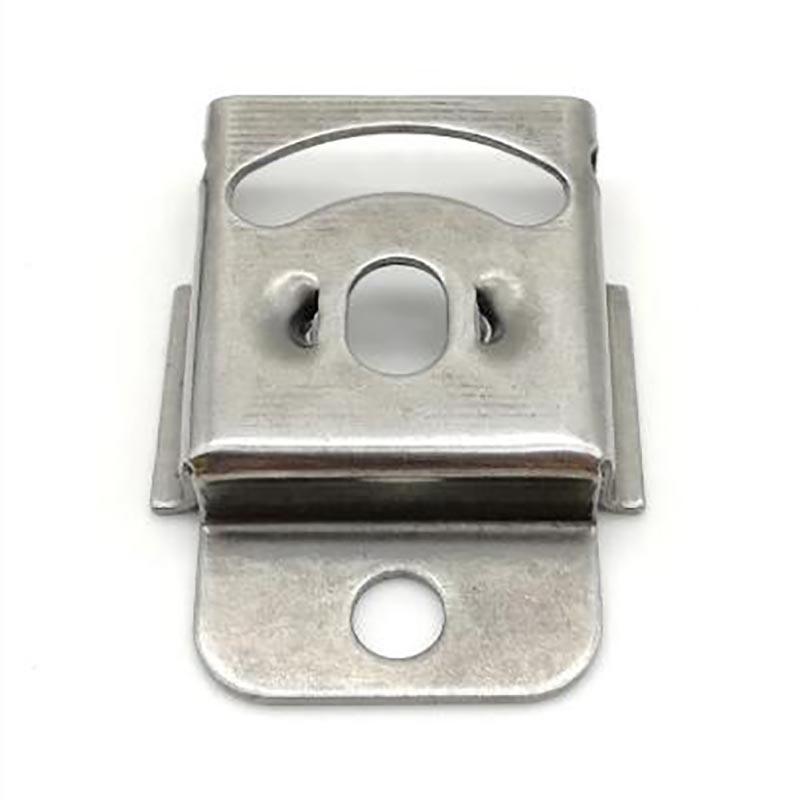
oem sheet metal fabrication
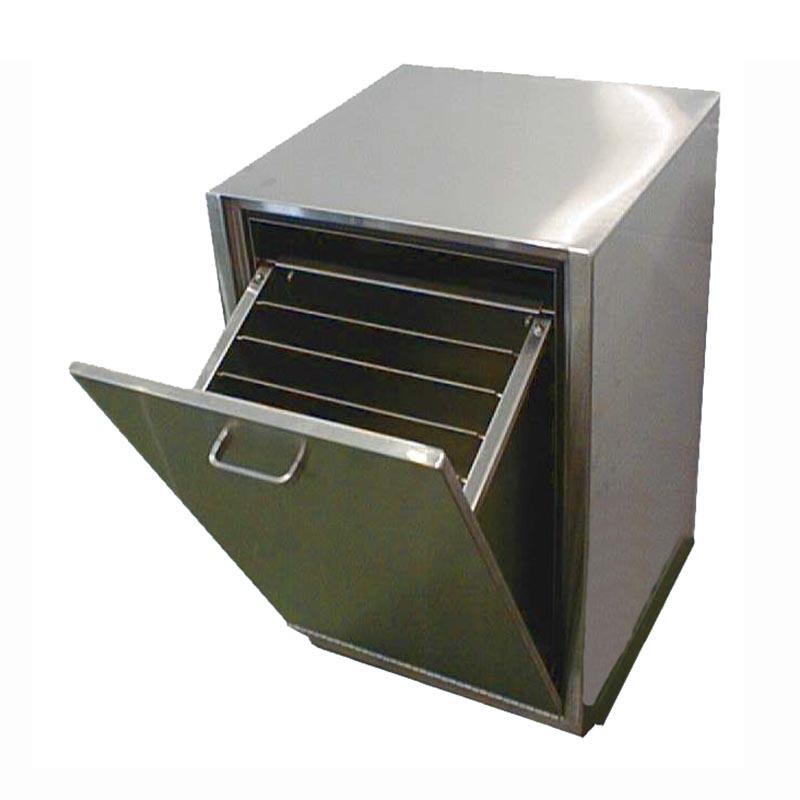
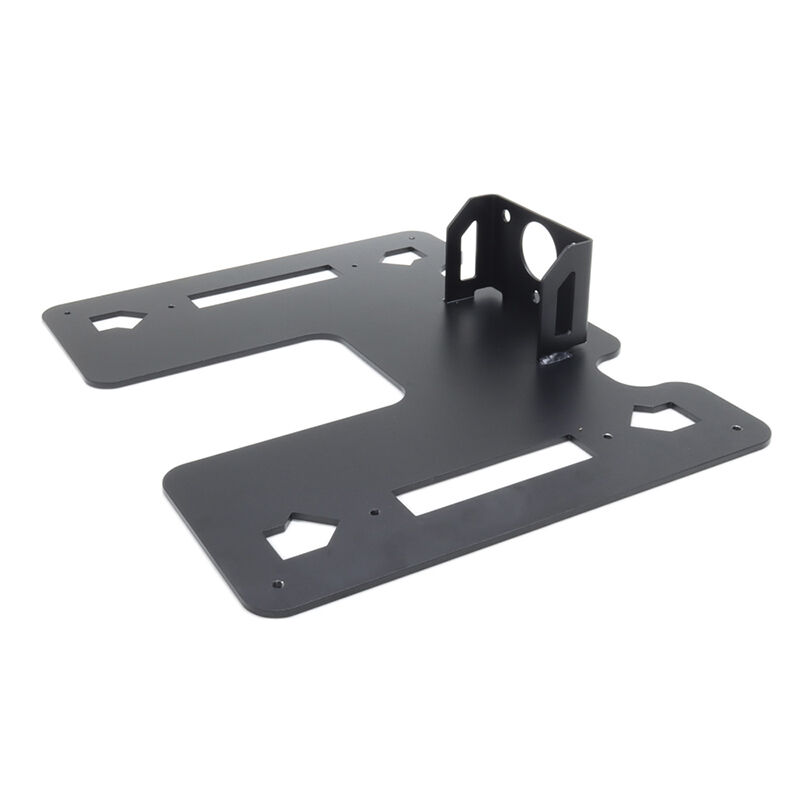
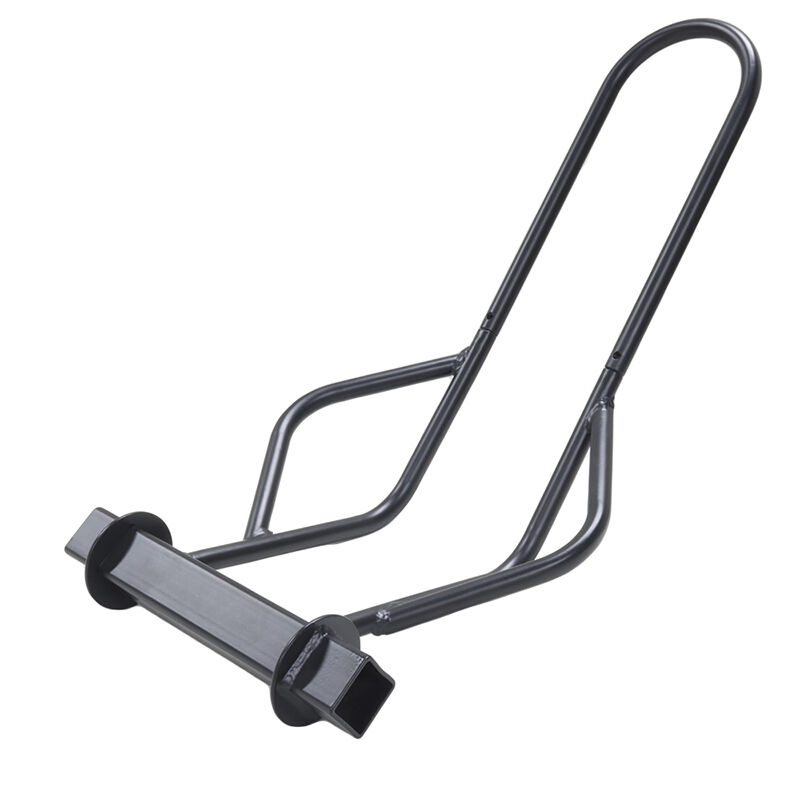
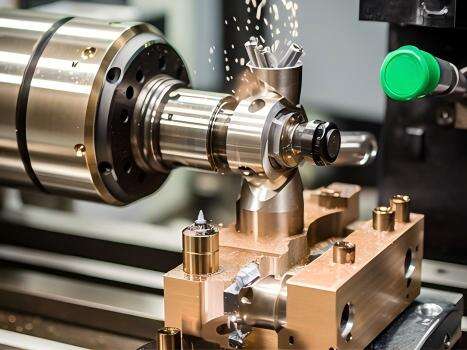
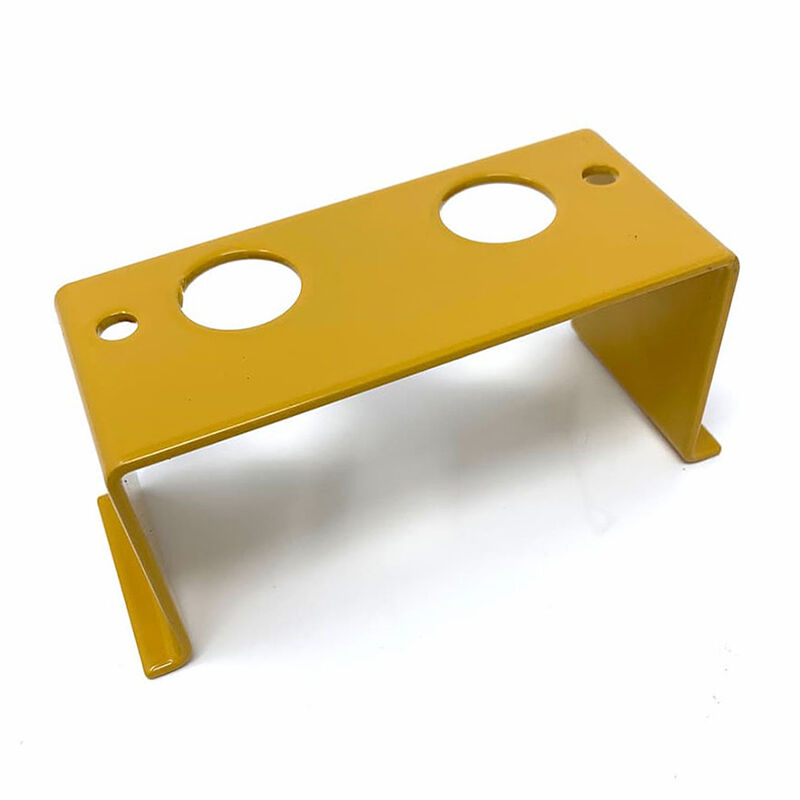
OEM sheet metal fabrication represents a specialized manufacturing process that transforms flat metal sheets into custom-designed components according to original equipment manufacturer specifications. This comprehensive service encompasses cutting, bending, forming, welding, and finishing operations to create precise metal parts for various industries. The process begins with detailed engineering drawings and specifications provided by clients, which fabrication specialists use to determine the most efficient production methods and material requirements. Modern OEM sheet metal fabrication facilities utilize advanced computer-controlled machinery including laser cutters, plasma cutters, CNC punch presses, and precision brake presses to achieve exceptional accuracy and consistency. The technological features of OEM sheet metal fabrication include sophisticated CAD software integration that enables seamless translation of digital designs into physical products. Automated nesting software optimizes material usage by strategically arranging cutting patterns to minimize waste and reduce costs. Quality control systems incorporate measurement tools and inspection protocols to ensure every component meets strict dimensional tolerances and surface finish requirements. The fabrication process accommodates various materials including stainless steel, aluminum, carbon steel, and specialty alloys, with thickness ranges from thin gauge sheets to heavy plate materials. Applications for OEM sheet metal fabrication span numerous sectors including automotive manufacturing, aerospace components, medical equipment housings, telecommunications infrastructure, industrial machinery, and architectural elements. The versatility of this manufacturing approach allows for both prototype development and high-volume production runs, making it suitable for companies at different stages of product development. Surface treatment options such as powder coating, anodizing, galvanizing, and painting provide enhanced durability and aesthetic appeal. The integration of robotic welding systems ensures consistent joint quality while reducing production time and labor costs.
 EN
EN