aluminium sheet metal fabrication
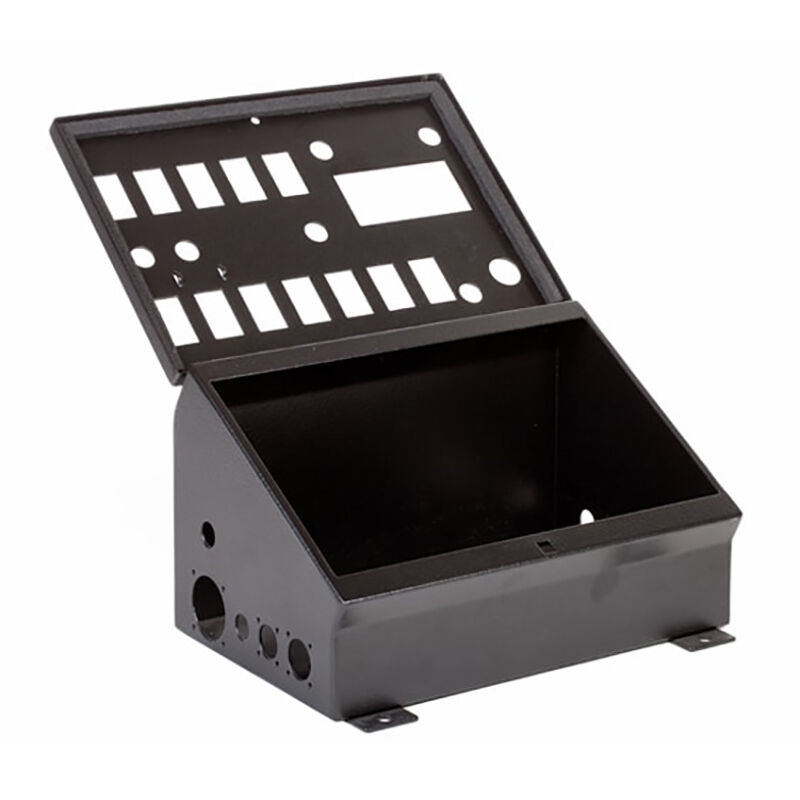
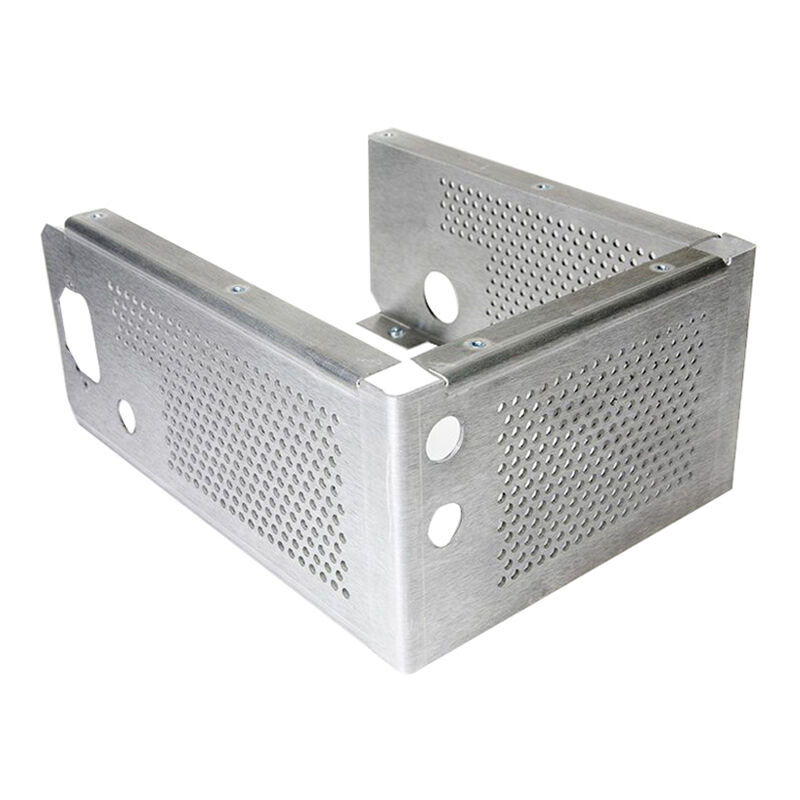
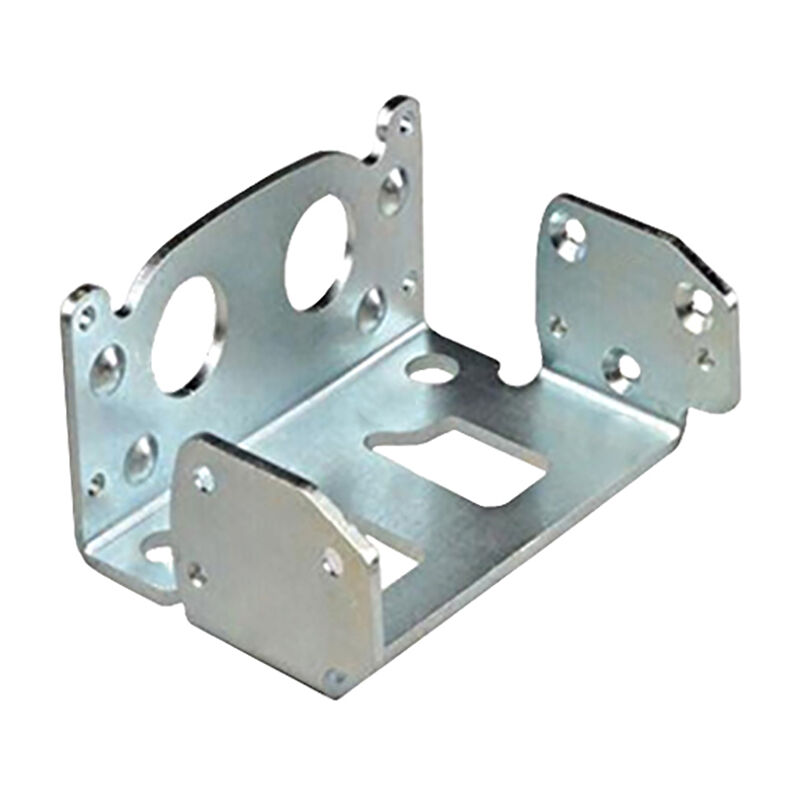
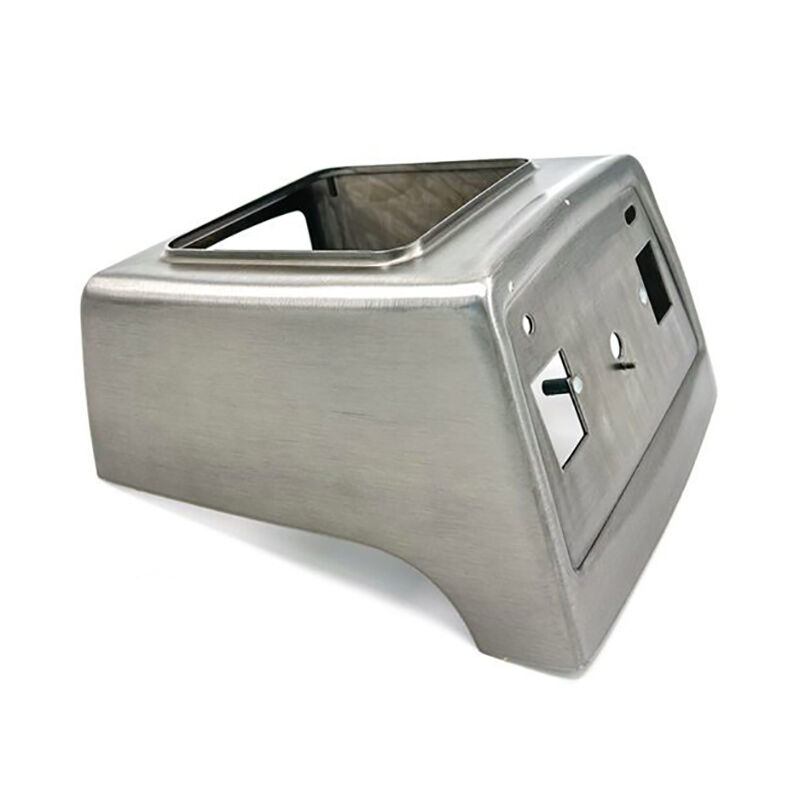
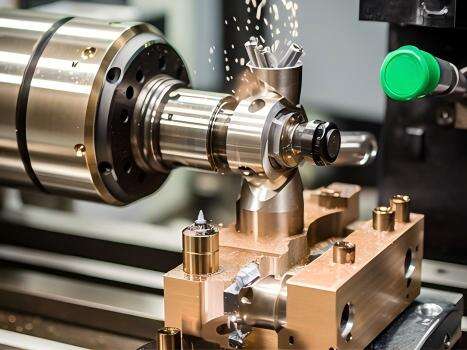
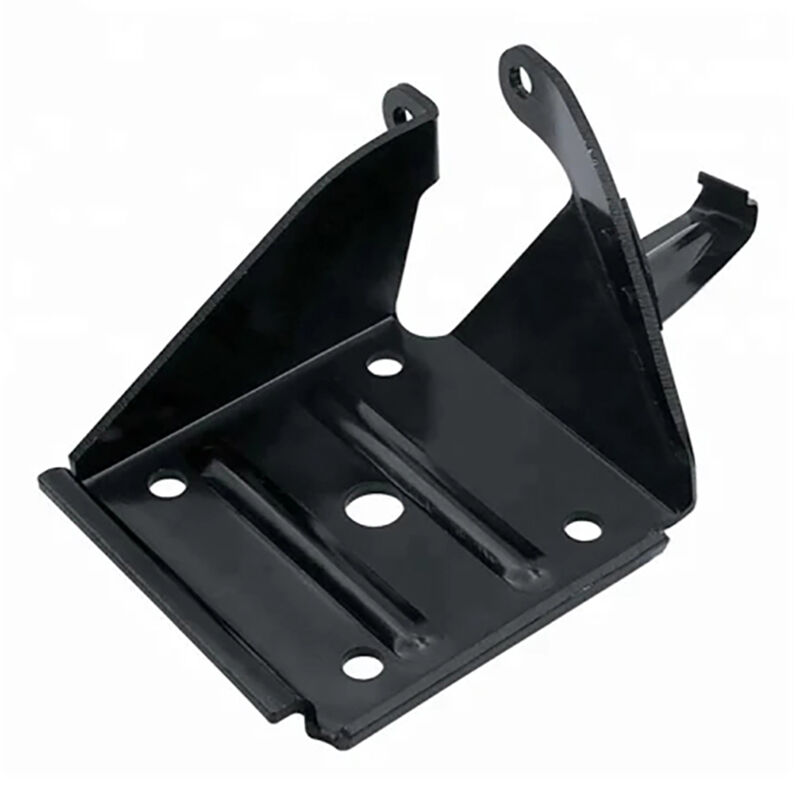
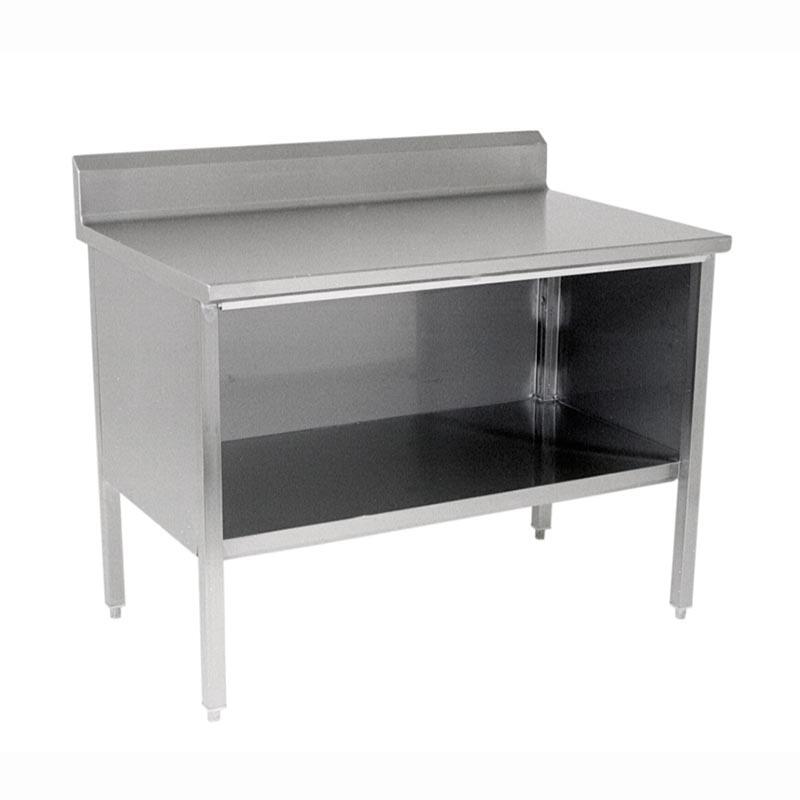
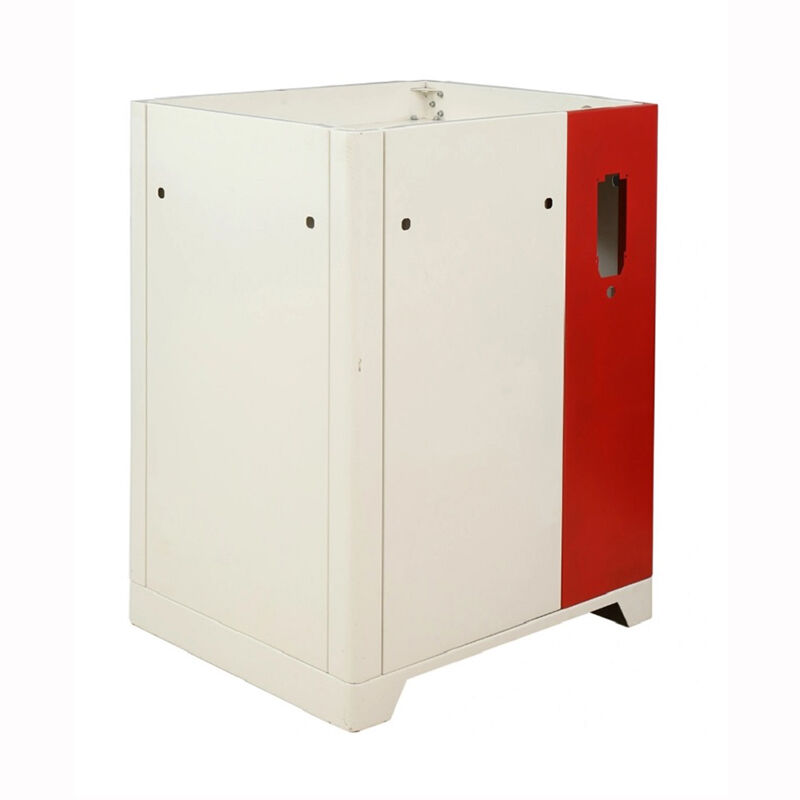
Aluminium sheet metal fabrication represents a comprehensive manufacturing process that transforms raw aluminium sheets into precise, functional components through various cutting-edge techniques. This specialized fabrication method encompasses multiple technological approaches including laser cutting, punching, bending, welding, and forming operations that shape aluminium materials according to specific design requirements. The main functions of aluminium sheet metal fabrication center around creating lightweight yet durable components for diverse industrial applications. The process begins with computer-aided design systems that ensure dimensional accuracy and optimal material utilization. Advanced CNC machinery executes precise cuts and forms complex geometries while maintaining tight tolerances throughout production cycles. Modern aluminium sheet metal fabrication facilities employ state-of-the-art equipment including fiber laser systems, turret punch presses, and hydraulic press brakes that deliver consistent quality results. The technological features of this fabrication process include automated material handling systems, real-time quality monitoring, and integrated software platforms that streamline workflow efficiency. These systems enable manufacturers to process various aluminium alloys ranging from 1000 series to 7000 series, each offering distinct properties suitable for specific applications. The fabrication process accommodates sheet thicknesses from ultra-thin gauge materials to heavy-duty plates, providing flexibility for numerous project requirements. Applications for aluminium sheet metal fabrication span across automotive, aerospace, construction, electronics, and renewable energy sectors. In automotive manufacturing, fabricated aluminium components contribute to vehicle weight reduction while maintaining structural integrity. Aerospace industries rely on precision aluminium fabrication for aircraft panels, brackets, and housing assemblies that meet stringent safety standards. Construction projects utilize fabricated aluminium elements for curtain walls, roofing systems, and architectural features that combine functionality with aesthetic appeal. The electronics sector benefits from custom aluminium enclosures and heat sinks that protect sensitive components while facilitating thermal management.
 EN
EN