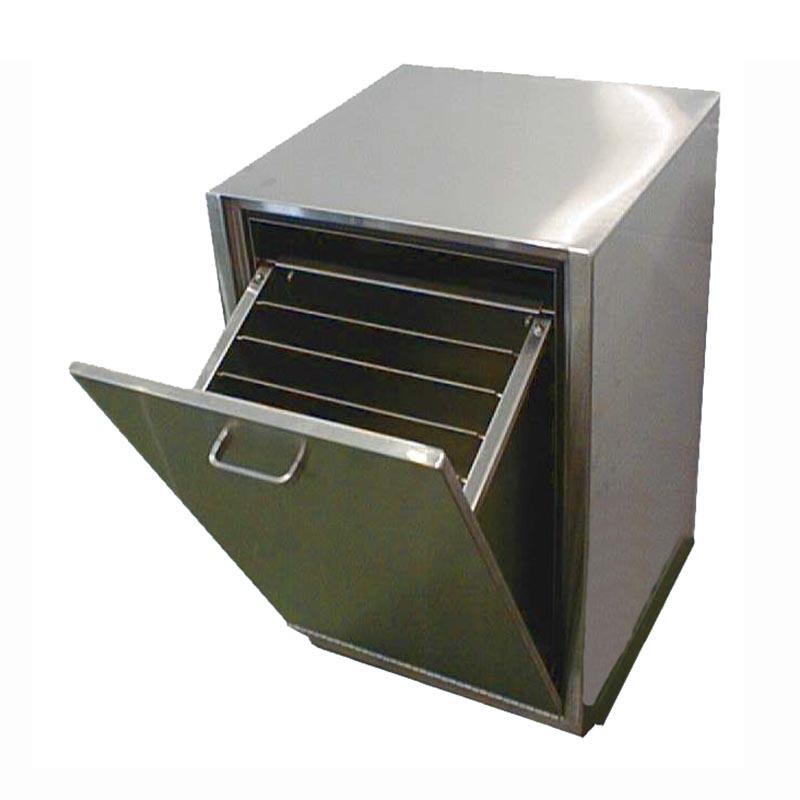
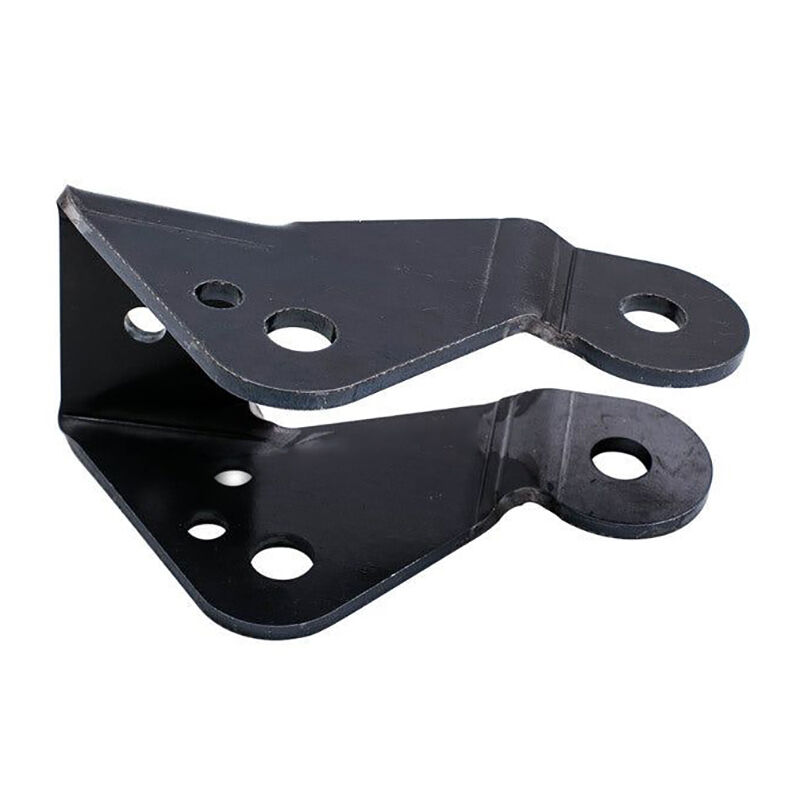
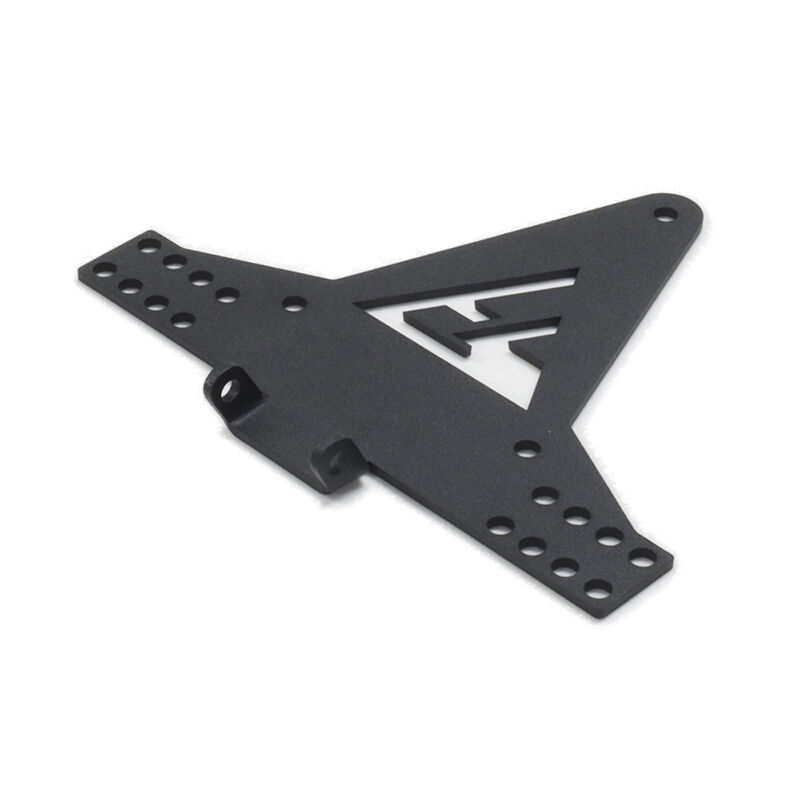
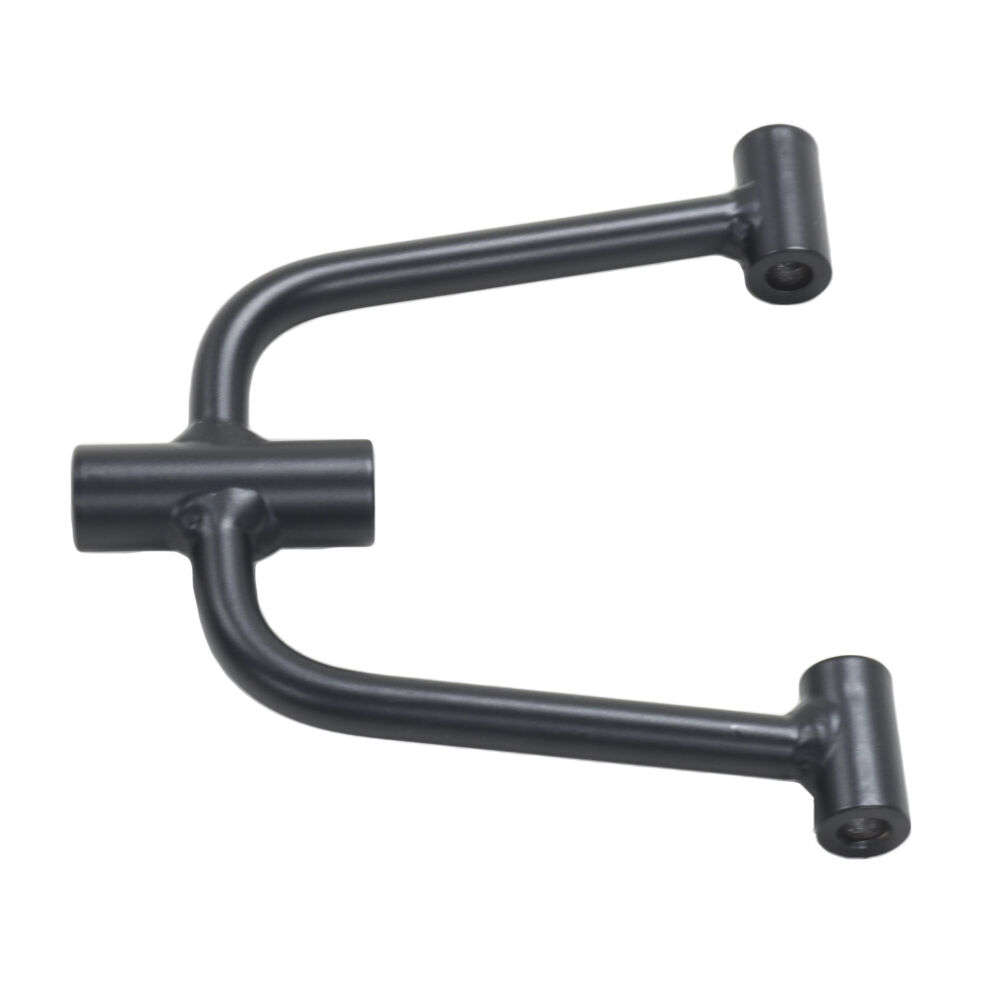
sheet metal fabrication products
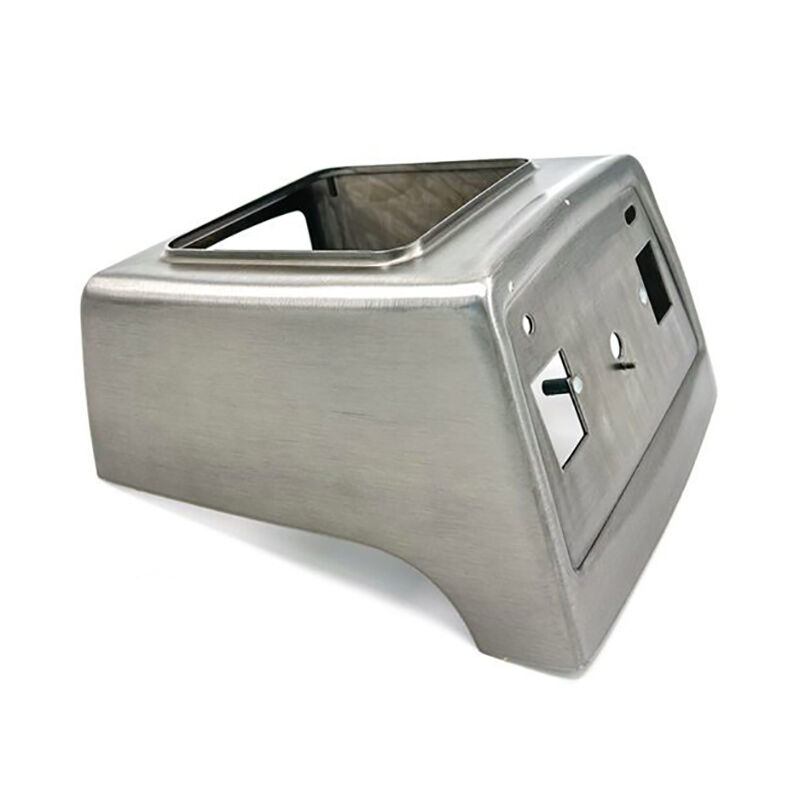
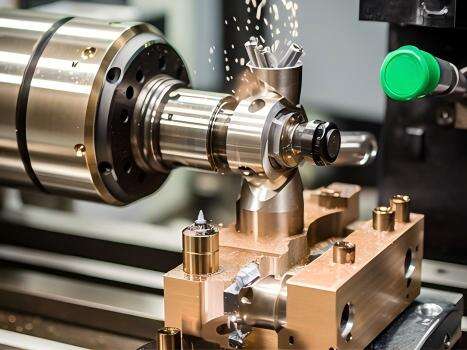
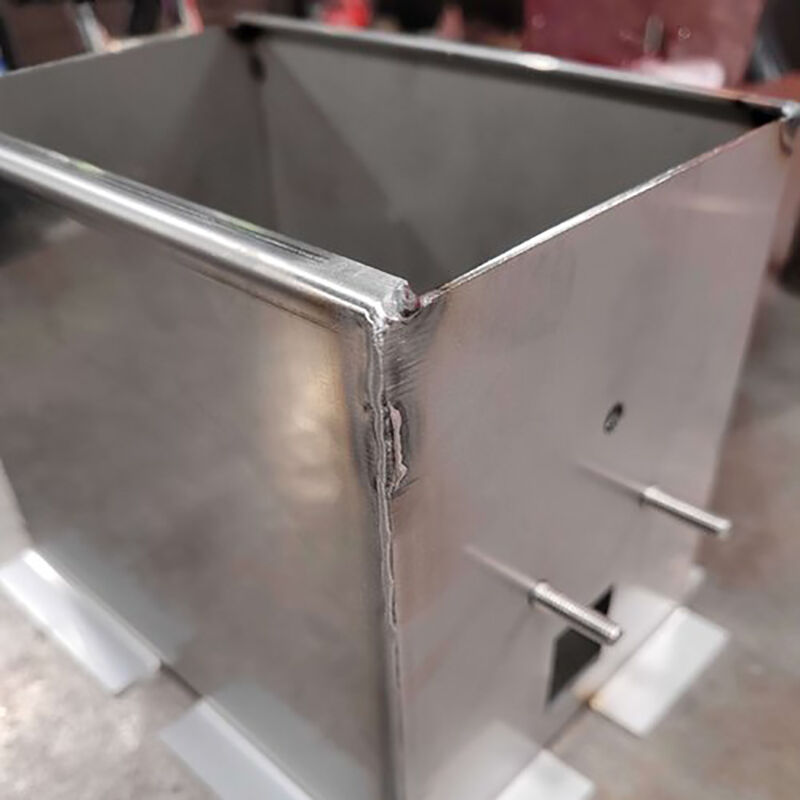
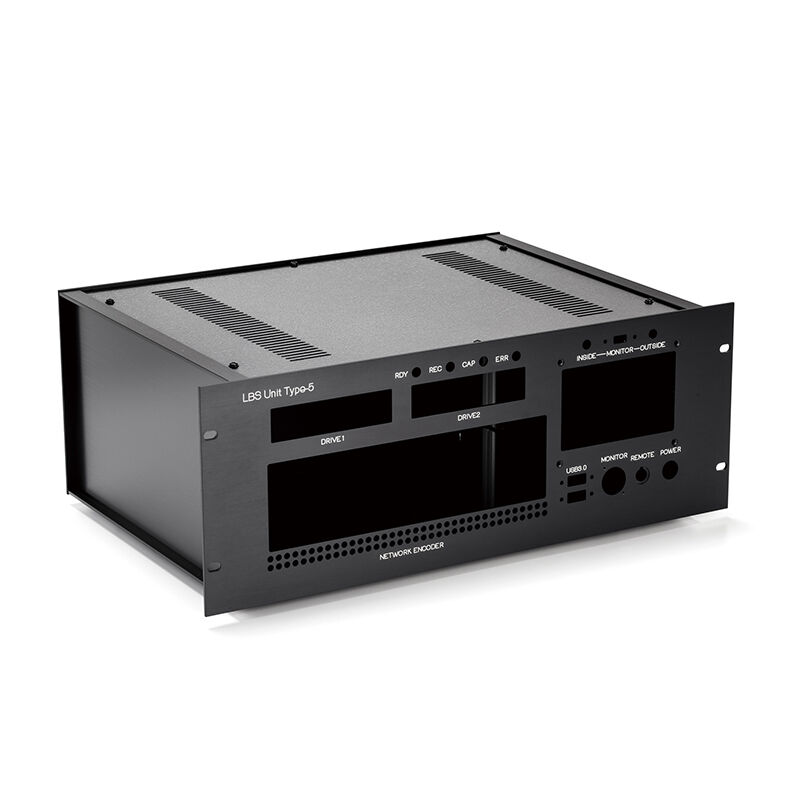
Sheet metal fabrication products represent a cornerstone of modern manufacturing, encompassing a comprehensive range of precision-engineered components created through advanced metalworking processes. These products involve the transformation of flat metal sheets into three-dimensional structures through cutting, bending, forming, welding, and assembly techniques. The primary functions of sheet metal fabrication products include structural support, protective enclosures, decorative elements, and functional components across diverse industries. The technological features of these products showcase remarkable versatility, incorporating computer-aided design integration, laser cutting precision, CNC machining capabilities, and automated forming processes. Advanced sheet metal fabrication products utilize materials ranging from steel and aluminum to specialized alloys, ensuring optimal performance characteristics for specific applications. The fabrication process begins with detailed engineering drawings, followed by material selection, cutting operations using plasma, laser, or waterjet technologies, and subsequent forming through press brake operations, roll forming, or stamping techniques. Quality control measures ensure dimensional accuracy, surface finish standards, and structural integrity throughout production. Applications for sheet metal fabrication products span automotive components including body panels, chassis elements, and exhaust systems, architectural applications such as roofing systems, wall cladding, and decorative facades, industrial equipment housings, HVAC ductwork, electronic enclosures, medical device components, and aerospace structural elements. The manufacturing process incorporates sustainable practices through material optimization, waste reduction strategies, and recycling initiatives. Modern sheet metal fabrication products benefit from advanced coating technologies, providing corrosion resistance, aesthetic enhancement, and functional properties. The integration of robotics and automation in production ensures consistent quality, reduced lead times, and cost-effective manufacturing solutions for both prototype and high-volume production requirements.
 EN
EN