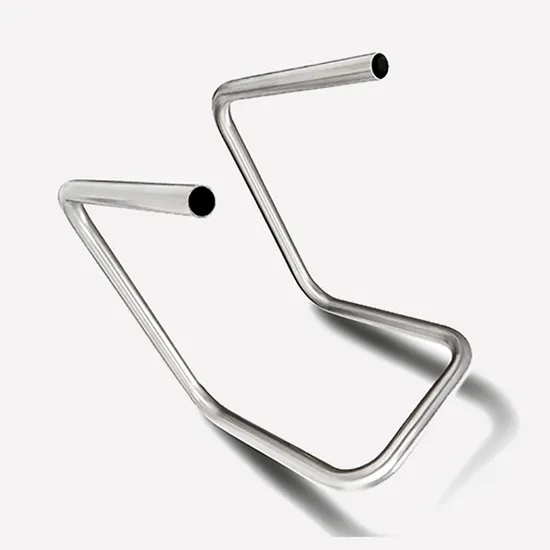
Professional Sheet Metal Fabrication Parts - Custom Solutions for Industrial Applications

Get a Free Quote

Our engineers will provide you with a professional reply.
Your Name
Mobile
Email Address
WhatsApp
Subject
Attachment
Upload drawings or 3D model to see instant pricing, lead time and DFM feedback.
Up to 3 files,more 30mb,support jpg、jpeg、png、pdf、doc、docx、xls、xlsx、csv、txt、stp、step、igs、x_t、dxf、prt、sldprt、sat、rar、zip
Message
0/1000

sheet metal fabrication parts

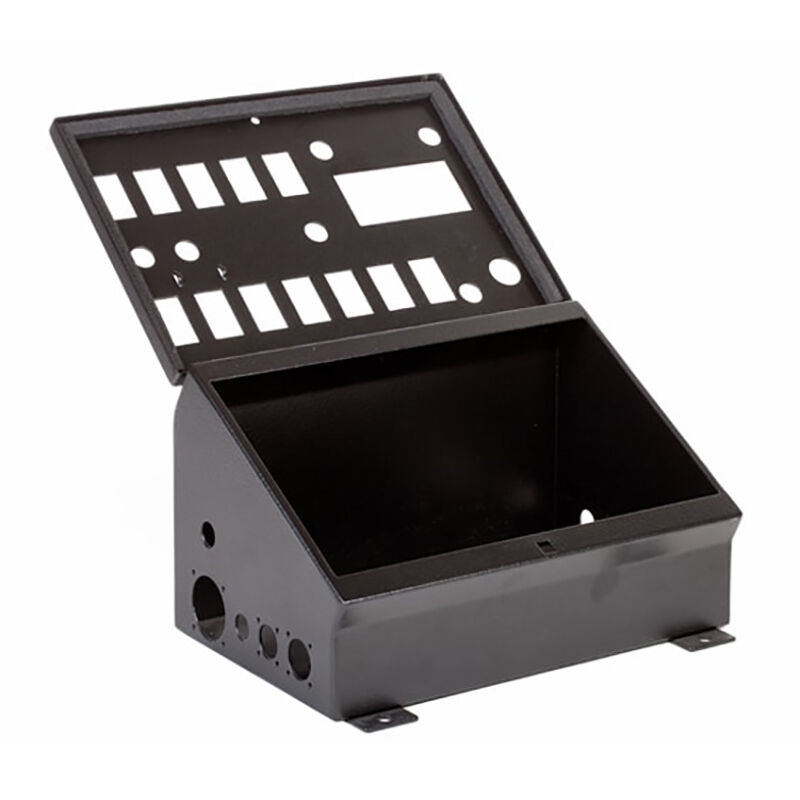
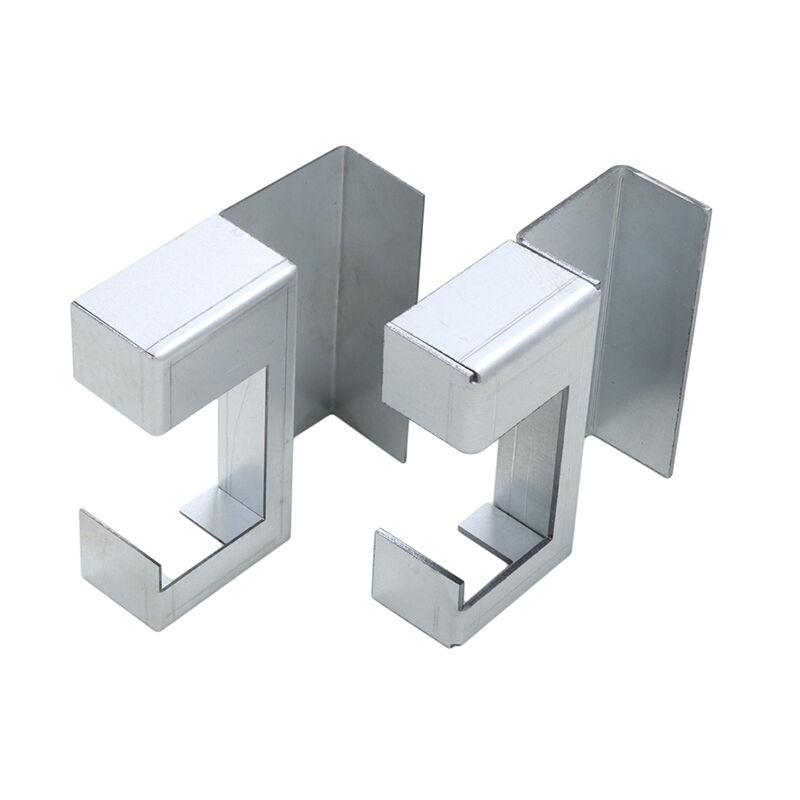
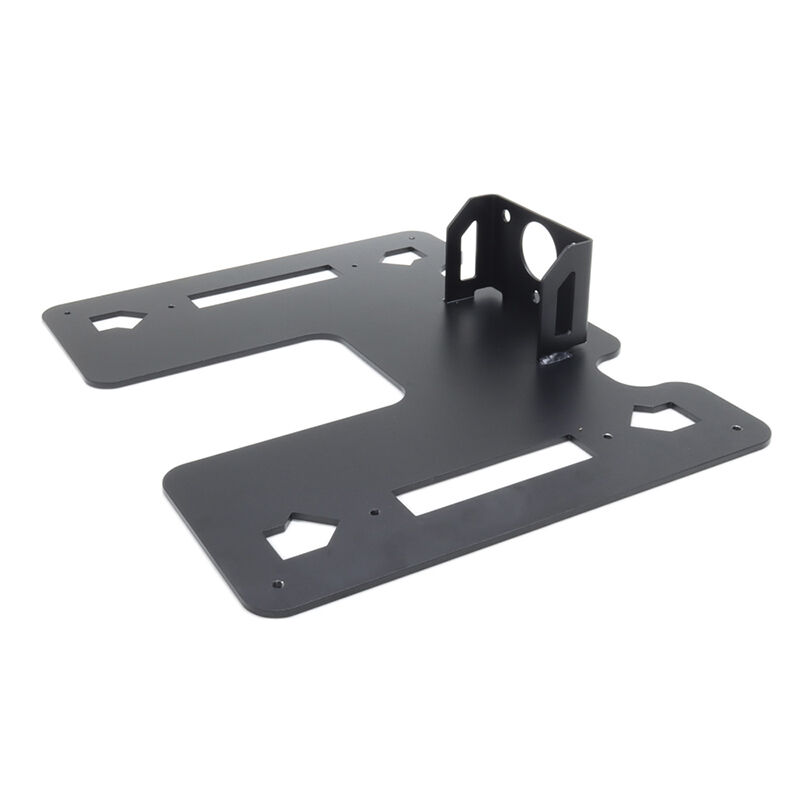
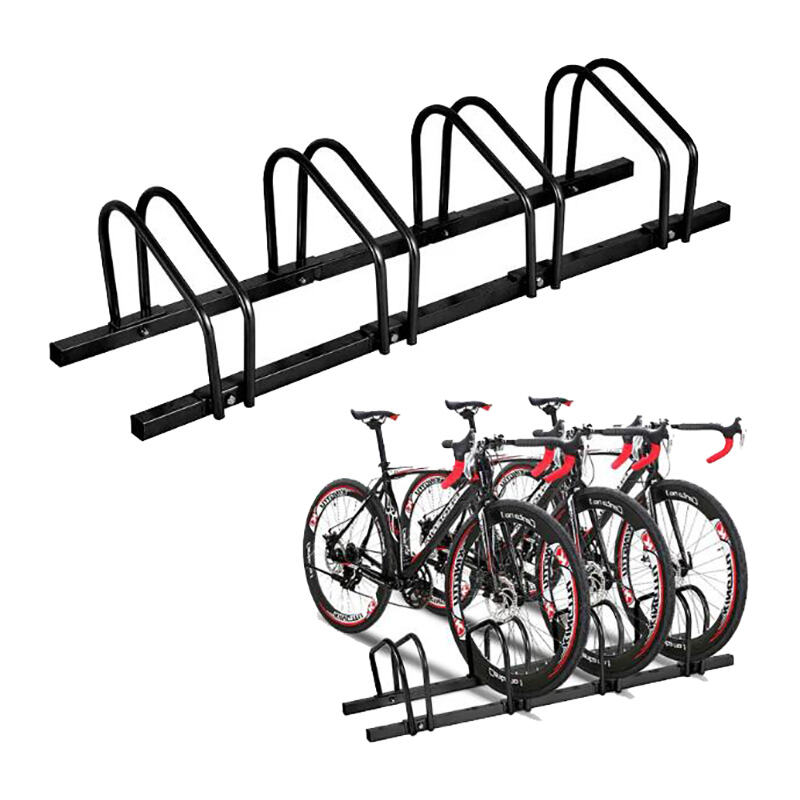
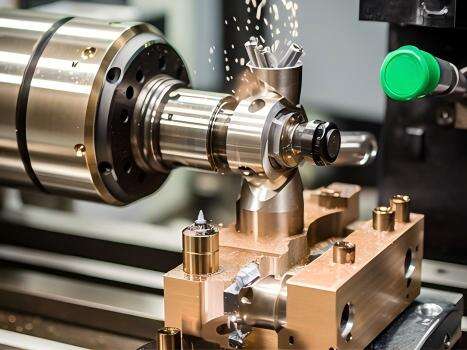
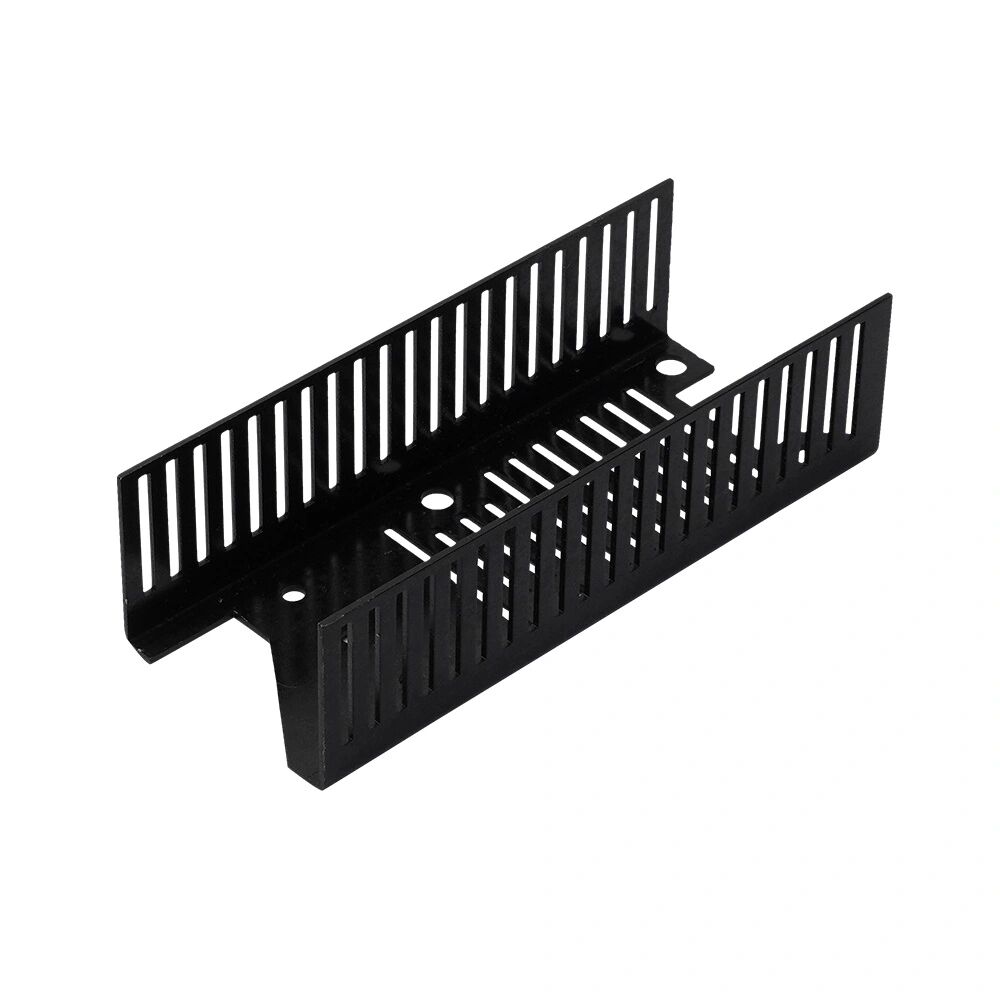
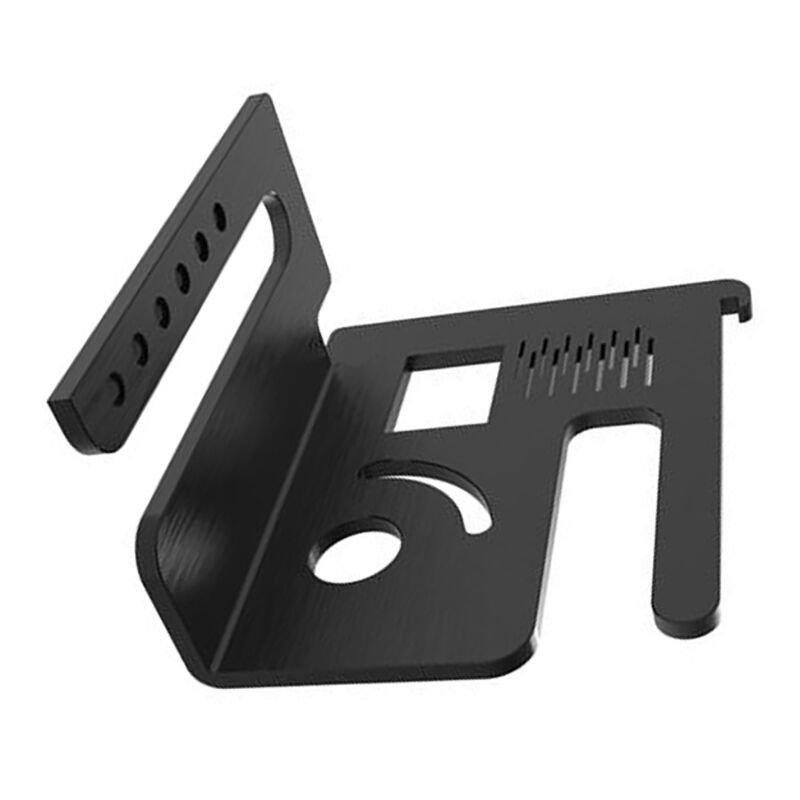
Sheet metal fabrication parts represent a cornerstone of modern manufacturing, encompassing a comprehensive range of components created through precision metalworking processes. These parts are manufactured by cutting, bending, punching, welding, and assembling flat metal sheets into three-dimensional structures that serve countless industrial and commercial applications. The versatility of sheet metal fabrication parts stems from their ability to be customized according to specific dimensional requirements, material specifications, and performance criteria. The primary functions of sheet metal fabrication parts include structural support, protective enclosures, heat dissipation, electrical conductivity, and aesthetic enhancement across diverse industries. From automotive body panels to electronic enclosures, these components provide essential functionality while maintaining cost-effectiveness and reliability. Technological features of sheet metal fabrication parts include precise dimensional accuracy achieved through computer-controlled machinery, consistent material properties maintained throughout the fabrication process, and superior surface finishes that enhance both appearance and corrosion resistance. Advanced manufacturing techniques such as laser cutting, CNC punching, and robotic welding ensure that sheet metal fabrication parts meet stringent quality standards while achieving complex geometries that would be difficult or impossible to create through other manufacturing methods. The material selection for sheet metal fabrication parts encompasses various metals including steel, aluminum, stainless steel, copper, and specialized alloys, each offering unique properties suited to specific applications. Applications for sheet metal fabrication parts span numerous industries including automotive manufacturing, aerospace engineering, construction, electronics, telecommunications, medical devices, and consumer appliances. These components serve critical roles in vehicle chassis, aircraft fuselages, building facades, server racks, medical equipment housings, and household appliances, demonstrating their fundamental importance in modern manufacturing and daily life.

New Product Recommendations

Sheet metal fabrication parts offer exceptional cost-effectiveness compared to alternative manufacturing methods, making them an ideal choice for both small-scale prototypes and large-volume production runs. The efficiency of the fabrication process translates directly into reduced manufacturing costs, allowing businesses to maintain competitive pricing while maximizing profit margins. This economic advantage becomes particularly significant when considering the rapid production capabilities of modern sheet metal fabrication equipment, which can process multiple parts simultaneously while maintaining consistent quality standards. The durability of sheet metal fabrication parts ensures long-term value for customers, as these components resist wear, corrosion, and environmental degradation far better than plastic or composite alternatives. The inherent strength-to-weight ratio of sheet metal fabrication parts provides superior structural integrity while minimizing overall system weight, which is crucial in applications where weight reduction directly impacts performance and efficiency. Customization capabilities represent another significant advantage of sheet metal fabrication parts, as manufacturers can easily modify designs, dimensions, and features to meet specific customer requirements without expensive tooling changes. This flexibility enables rapid prototyping and design iterations, significantly reducing time-to-market for new products and allowing customers to respond quickly to changing market demands. The precision achievable with sheet metal fabrication parts eliminates the need for secondary machining operations in many applications, reducing overall production time and costs while ensuring perfect fit and function in assembly operations. Material versatility allows sheet metal fabrication parts to be produced from the most appropriate metal for each specific application, whether prioritizing corrosion resistance, electrical conductivity, magnetic properties, or thermal management characteristics. The recyclability of sheet metal fabrication parts aligns with modern sustainability initiatives, as these components can be easily recycled at the end of their service life, reducing environmental impact and supporting circular economy principles. Quality consistency remains a hallmark of sheet metal fabrication parts, with modern manufacturing processes ensuring that each component meets identical specifications regardless of production volume or complexity. The scalability of sheet metal fabrication parts production allows customers to start with small quantities and increase volumes as demand grows, without requiring significant changes to manufacturing processes or tooling investments.

Practical Tips

Custom Metal Fabrication for Agricultural Machinery

18

Aug

Custom Metal Fabrication for Agricultural Machinery

Project Overview Date: June 2024 - September 2024Industry: Agricultural MachineryClient: Jan TheilierLocation: Germany   Project Description We were approached by a leading agricultural machinery manufacturer to develop a series of custom m...
View More

Get a Free Quote

Our engineers will provide you with a professional reply.
Your Name
Mobile
Email Address
WhatsApp
Subject
Attachment
Upload drawings or 3D model to see instant pricing, lead time and DFM feedback.
Up to 3 files,more 30mb,suppor jpg、jpeg、png、pdf、doc、docx、xls、xlsx、csv、txt
Message
0/1000

sheet metal fabrication parts

Superior Structural Integrity and Load-Bearing Capacity

Superior Structural Integrity and Load-Bearing Capacity

Sheet metal fabrication parts deliver unmatched structural integrity that surpasses alternative materials through their unique combination of material properties and manufacturing precision. The inherent molecular structure of metals used in sheet metal fabrication parts provides exceptional tensile strength, compressive resistance, and fatigue durability that ensures reliable performance under demanding operational conditions. This structural superiority becomes particularly evident in applications where components must withstand repetitive loading cycles, thermal expansion and contraction, or exposure to harsh environmental conditions. The manufacturing process itself contributes significantly to the structural integrity of sheet metal fabrication parts, as forming operations actually strengthen the material through work hardening, creating components that are stronger than the original flat sheet material. Advanced forming techniques such as roll forming and brake bending create precise geometric shapes with consistent wall thickness and optimal stress distribution, eliminating weak points that could compromise structural performance. The ability to incorporate reinforcing features such as ribs, flanges, and beads directly into sheet metal fabrication parts during the forming process provides additional structural enhancement without requiring secondary operations or additional materials. Quality control measures throughout the fabrication process ensure that sheet metal fabrication parts maintain consistent mechanical properties, with rigorous testing procedures verifying load-bearing capacity, dimensional accuracy, and material integrity. The predictable behavior of sheet metal fabrication parts under stress allows engineers to design with confidence, knowing that components will perform reliably within specified parameters throughout their intended service life. This reliability translates into reduced maintenance requirements, lower total cost of ownership, and enhanced safety margins in critical applications where failure could have serious consequences.
Exceptional Manufacturing Versatility and Design Flexibility

Exceptional Manufacturing Versatility and Design Flexibility

Sheet metal fabrication parts offer unprecedented manufacturing versatility that enables the creation of complex geometries, intricate features, and customized solutions that meet the most demanding design requirements. The adaptability of sheet metal fabrication processes allows manufacturers to produce everything from simple brackets and enclosures to sophisticated multi-component assemblies with integrated functionality. This versatility stems from the wide range of fabrication techniques available, including laser cutting for precise edge quality and intricate patterns, CNC punching for high-speed hole creation and forming operations, brake forming for accurate bends and angles, and welding for permanent assembly of multiple components. The design flexibility of sheet metal fabrication parts enables engineers to optimize component geometry for specific performance requirements, whether prioritizing weight reduction, structural strength, thermal management, or electromagnetic shielding properties. Advanced CAD/CAM integration allows for rapid design modifications and immediate feedback on manufacturability, enabling iterative design improvement without significant time or cost penalties. The ability to incorporate multiple features into single sheet metal fabrication parts reduces assembly complexity and eliminates potential points of failure associated with multi-component designs. Surface treatment options for sheet metal fabrication parts include powder coating, plating, anodizing, and painting, allowing manufacturers to achieve specific aesthetic, corrosion resistance, or functional requirements. The compatibility of sheet metal fabrication parts with automated assembly processes ensures consistent quality and reduces labor costs in high-volume production environments. Prototyping capabilities allow customers to validate designs quickly and cost-effectively before committing to production tooling, minimizing risk and ensuring optimal performance in final applications. The scalability of sheet metal fabrication processes enables seamless transition from prototype quantities to full production volumes without compromising quality or significantly increasing unit costs.
Outstanding Cost-Effectiveness and Production Efficiency

Outstanding Cost-Effectiveness and Production Efficiency

Sheet metal fabrication parts deliver exceptional cost-effectiveness through optimized material utilization, efficient production processes, and minimal waste generation that translates into significant savings for customers across all production volumes. The efficiency of modern sheet metal fabrication equipment enables rapid processing of multiple parts from single sheets, maximizing material utilization and minimizing scrap waste that would otherwise increase production costs. Advanced nesting software optimizes part placement on raw material sheets, often achieving material utilization rates exceeding 90 percent while maintaining optimal cutting paths that reduce processing time. The speed of sheet metal fabrication processes, particularly with laser cutting and CNC punching equipment, enables high-volume production with minimal labor requirements, keeping manufacturing costs competitive even in high-wage environments. The elimination of expensive tooling requirements, which are common in other manufacturing processes such as injection molding or die casting, makes sheet metal fabrication parts particularly cost-effective for low to medium volume production runs where tooling costs would significantly impact unit pricing. The ability to produce sheet metal fabrication parts with minimal setup time enables manufacturers to respond quickly to customer requirements while maintaining competitive pricing structures. Quality consistency inherent in sheet metal fabrication processes reduces scrap rates and eliminates costly rework operations that can significantly impact overall production costs. The durability and longevity of sheet metal fabrication parts provide excellent total cost of ownership, as these components typically require minimal maintenance and replacement throughout their service life. Energy efficiency in modern sheet metal fabrication equipment reduces operating costs while supporting environmental sustainability initiatives. The recyclability of sheet metal fabrication parts provides end-of-life value recovery that further improves overall cost-effectiveness. Supply chain advantages include readily available raw materials, standardized specifications, and global manufacturing capabilities that ensure consistent availability and competitive pricing. The combination of low initial costs, efficient production processes, and long service life makes sheet metal fabrication parts an optimal choice for budget-conscious customers who require reliable, high-quality components.

Get a Free Quote

Our engineers will provide you with a professional reply.
Your Name
Mobile
Email Address
WhatsApp
Subject
Attachment
Upload drawings or 3D model to see instant pricing, lead time and DFM feedback.
Up to 3 files,more 30mb,support jpg、jpeg、png、pdf、doc、docx、xls、xlsx、csv、txt、stp、step、igs、x_t、dxf、prt、sldprt、sat、rar、zip
Message
0/1000