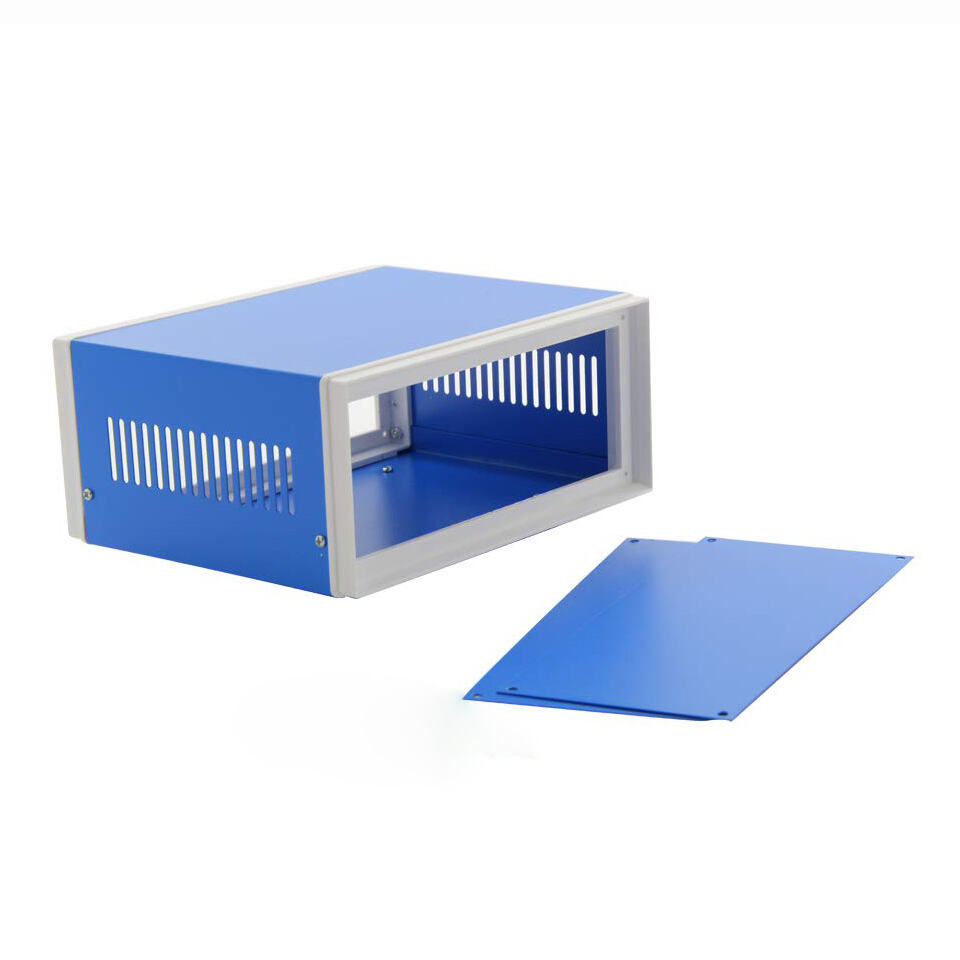
custom metal parts manufacturer
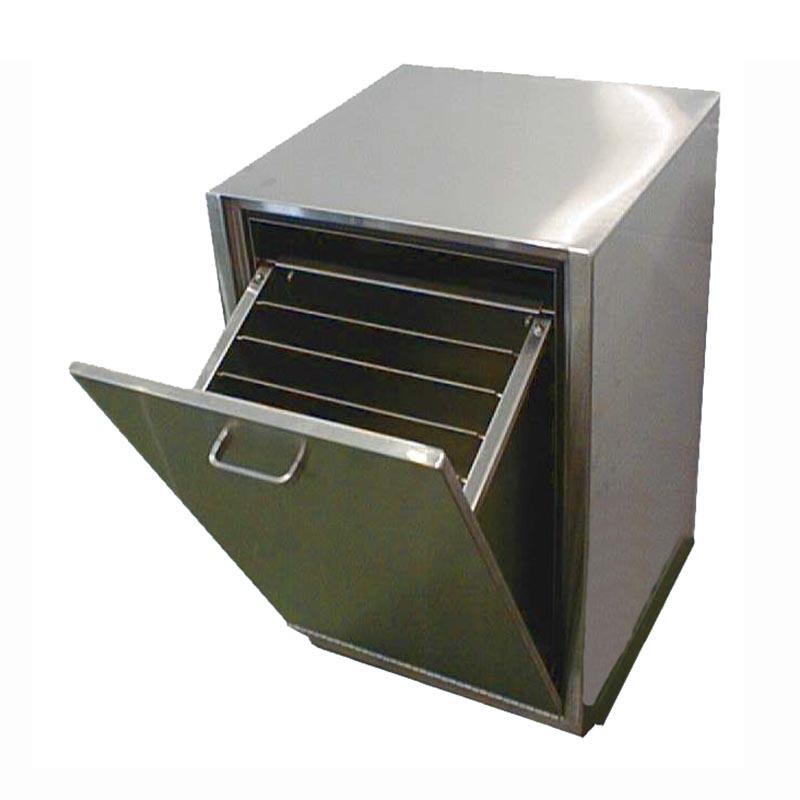
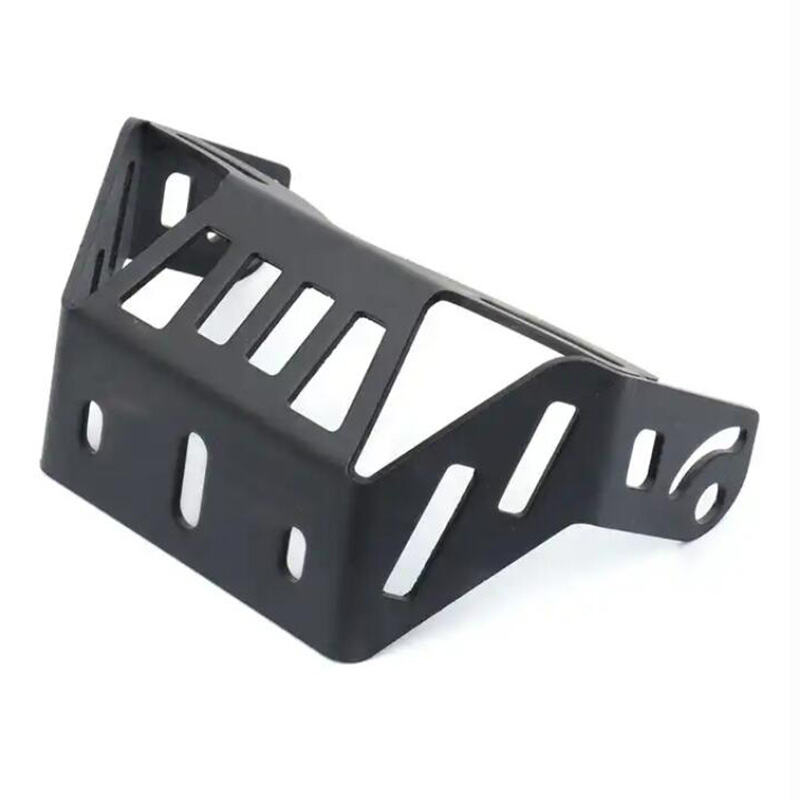
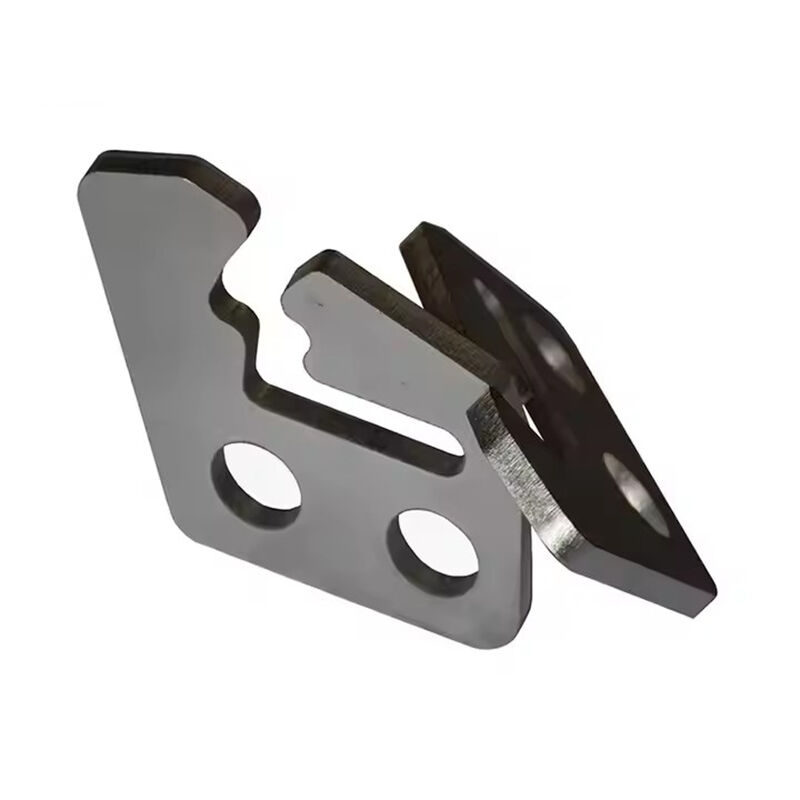
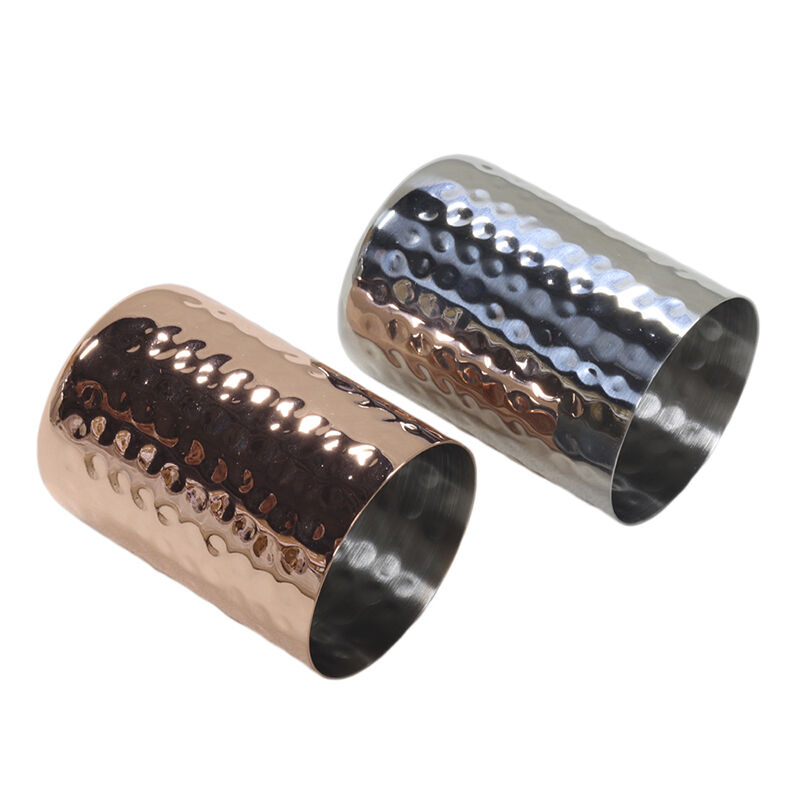
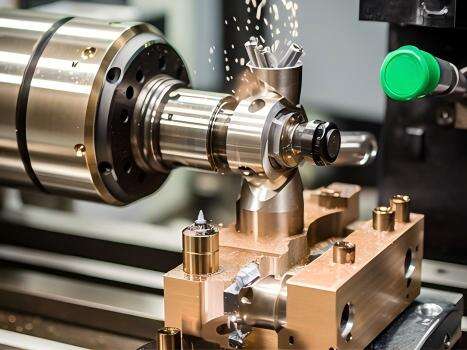
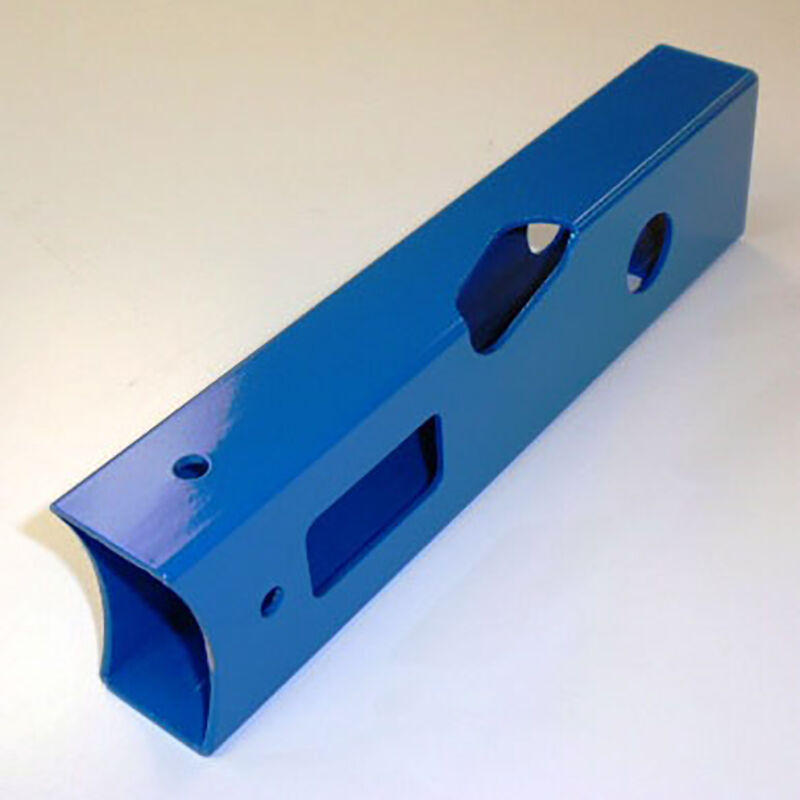
A custom metal parts manufacturer serves as a specialized industrial partner that transforms raw metallic materials into precisely engineered components tailored to specific client requirements. These manufacturing facilities operate sophisticated production systems combining traditional metalworking techniques with cutting-edge technology to deliver components across diverse industries including aerospace, automotive, medical devices, electronics, and construction. The primary function of a custom metal parts manufacturer involves interpreting technical drawings, specifications, and prototypes to produce components that meet exact dimensional tolerances, material properties, and performance standards. The technological backbone of modern custom metal parts manufacturer operations includes computer numerical control (CNC) machining centers, laser cutting systems, waterjet cutting equipment, stamping presses, forming machines, and advanced welding stations. These facilities employ precision measurement tools, coordinate measuring machines, and quality control systems to ensure each component meets stringent specifications. Material capabilities typically encompass stainless steel, carbon steel, aluminum alloys, brass, copper, titanium, and exotic metals depending on application requirements. The manufacturing processes utilized by a custom metal parts manufacturer include precision machining, sheet metal fabrication, casting, forging, stamping, turning, milling, grinding, and finishing operations. Surface treatments such as anodizing, plating, powder coating, and heat treatment are often integrated into the production workflow. Applications for custom metal parts span automotive engine components, aerospace structural elements, medical surgical instruments, electronic enclosures, industrial machinery parts, architectural hardware, and consumer product components. The custom metal parts manufacturer industry has evolved to support rapid prototyping, low-volume production runs, and high-volume manufacturing while maintaining flexibility to accommodate design changes and engineering modifications throughout the product development cycle.
 EN
EN