Custom Aluminium Fabrication Services - Precision Engineering & Manufacturing Solutions

Get a Free Quote

Our engineers will provide you with a professional reply.
Your Name
Mobile
Email Address
WhatsApp
Subject
Attachment
Upload drawings or 3D model to see instant pricing, lead time and DFM feedback.
Up to 3 files,more 30mb,support jpg、jpeg、png、pdf、doc、docx、xls、xlsx、csv、txt、stp、step、igs、x_t、dxf、prt、sldprt、sat、rar、zip
Message
0/1000

custom aluminium fabrication

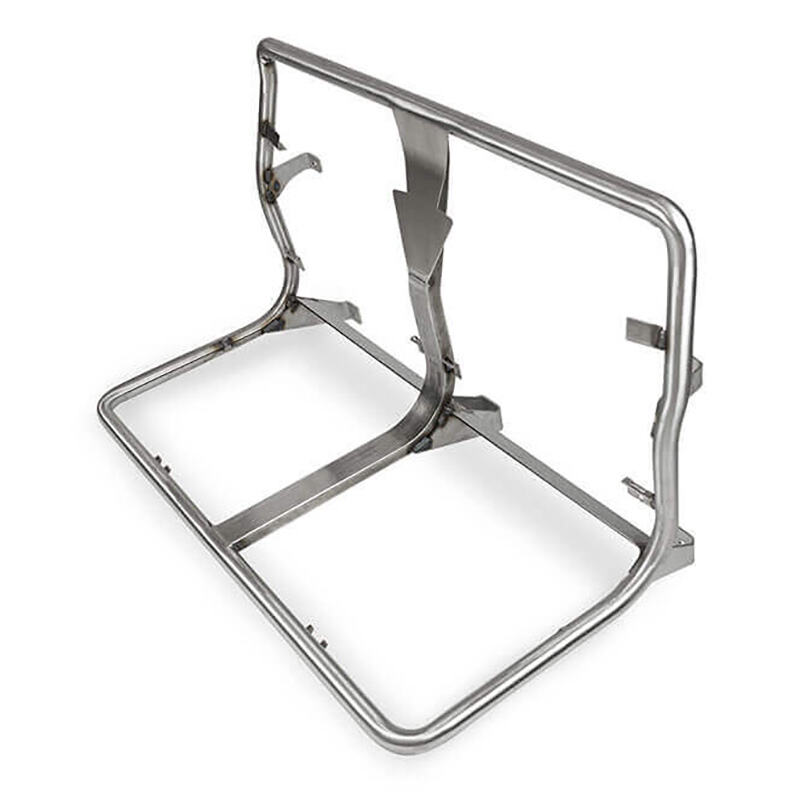
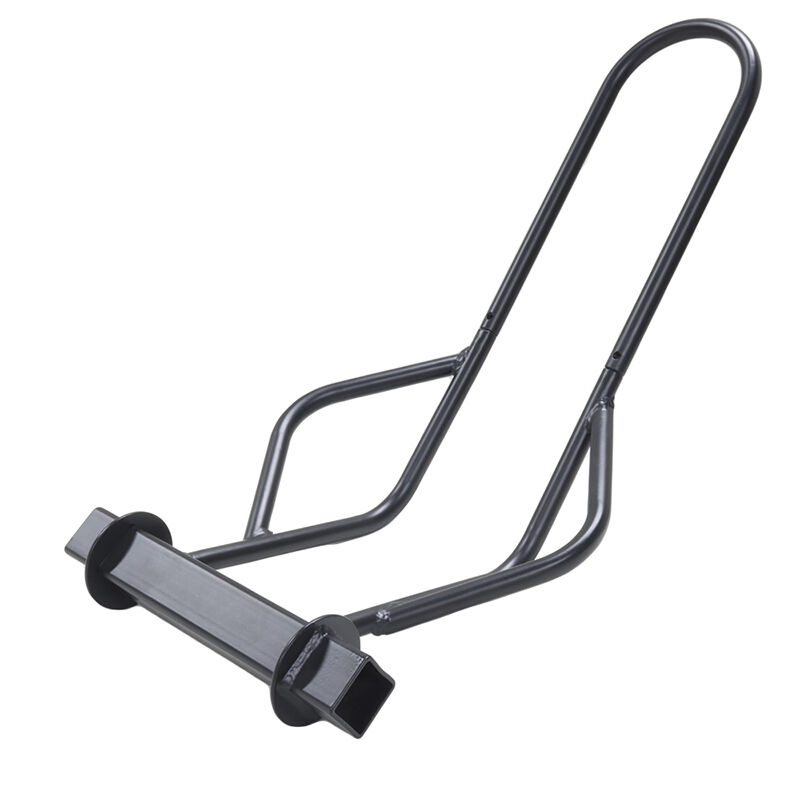
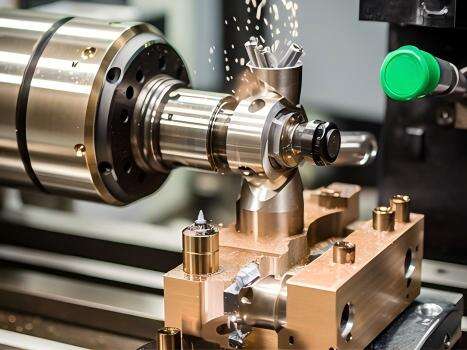
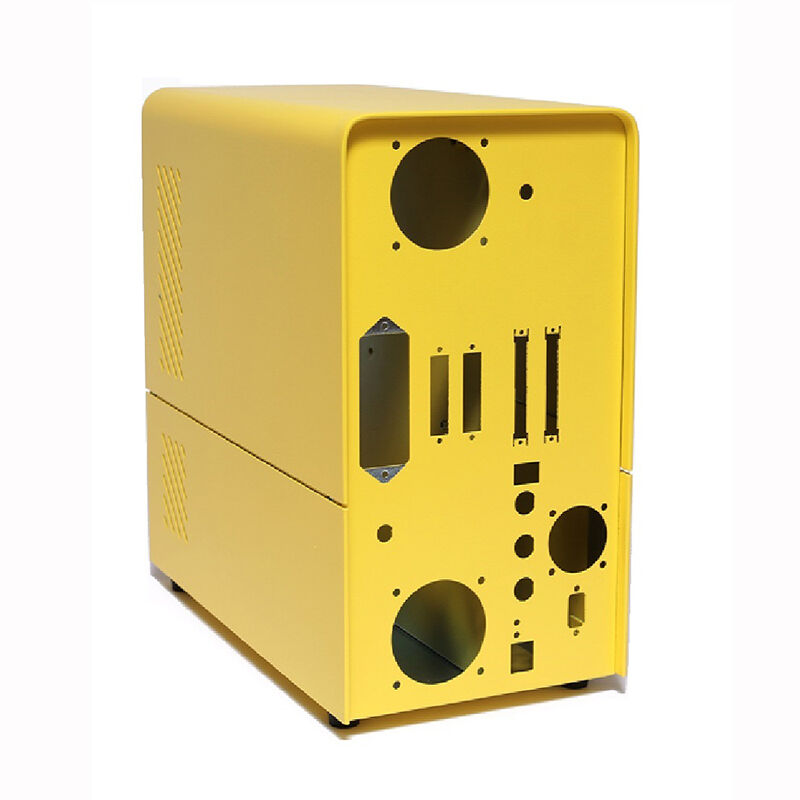
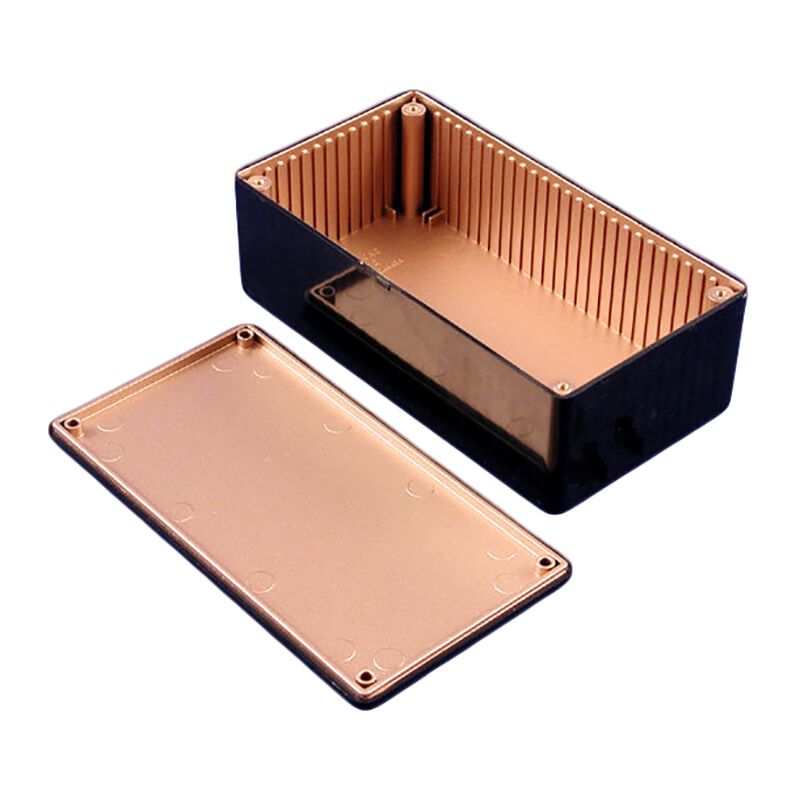
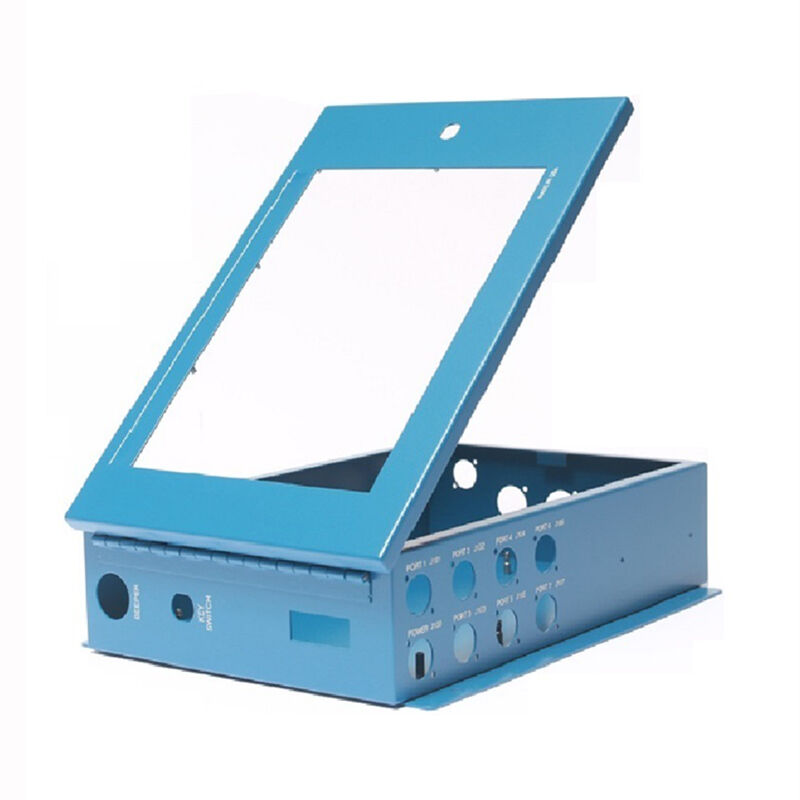
Custom aluminium fabrication represents a specialized manufacturing process that transforms raw aluminium materials into precisely engineered components tailored to specific client requirements. This comprehensive service encompasses the complete design, engineering, cutting, forming, welding, and finishing of aluminium products across diverse industries. The process begins with detailed consultations where fabricators work closely with clients to understand their exact specifications, environmental conditions, and performance expectations. Modern custom aluminium fabrication facilities employ state-of-the-art computer numerical control (CNC) machinery, laser cutting systems, and advanced welding technologies to achieve exceptional precision and consistency. The main functions of custom aluminium fabrication include creating structural components for construction projects, manufacturing architectural elements like window frames and curtain walls, producing specialized equipment housings for industrial applications, and developing custom brackets and supports for various mechanical systems. Technological features of contemporary fabrication processes include automated cutting systems that ensure millimeter-perfect accuracy, robotic welding stations that deliver consistent joint quality, and sophisticated surface treatment capabilities including anodizing, powder coating, and specialized protective finishes. The fabrication process typically involves material selection based on specific aluminium alloys, computer-aided design development, precision cutting and forming operations, expert welding and assembly procedures, quality control inspections, and final surface treatments. Applications for custom aluminium fabrication span numerous sectors including aerospace manufacturing where lightweight yet strong components are essential, marine industry applications requiring corrosion-resistant solutions, automotive manufacturing for both structural and aesthetic elements, commercial construction projects demanding architectural precision, and specialized industrial equipment manufacturing. The versatility of aluminium as a base material, combined with advanced fabrication techniques, enables the creation of complex geometries, intricate assemblies, and highly specialized components that meet the most demanding performance criteria while maintaining cost-effectiveness and environmental sustainability.

New Product Recommendations

Custom aluminium fabrication offers numerous compelling advantages that make it an ideal choice for businesses and individuals seeking high-quality, tailored metal solutions. The primary benefit lies in the exceptional versatility of aluminium as a material, which allows fabricators to create components that perfectly match specific design requirements while maintaining superior strength-to-weight ratios. This lightweight characteristic translates into significant cost savings during transportation, installation, and ongoing maintenance, particularly for large-scale projects where weight considerations directly impact structural requirements and operational efficiency. The corrosion resistance properties of aluminium ensure that custom fabricated components maintain their integrity and appearance for decades, even in challenging environmental conditions including coastal areas with high salt exposure, industrial settings with chemical exposure, and outdoor applications subject to weather extremes. This durability eliminates the need for frequent replacements or extensive maintenance programs, resulting in substantial long-term cost reductions and improved operational reliability. Custom aluminium fabrication provides exceptional design flexibility, enabling the creation of complex shapes, intricate assemblies, and unique configurations that would be impossible or prohibitively expensive with other materials. Modern fabrication techniques allow for precise tolerances and consistent quality across production runs, ensuring that each component meets exact specifications and performs reliably in its intended application. The sustainability aspect of aluminium fabrication represents another significant advantage, as aluminium is infinitely recyclable without losing its material properties, making it an environmentally responsible choice that supports corporate sustainability goals and regulatory compliance requirements. The speed of custom aluminium fabrication processes, particularly when compared to alternative materials like steel or specialized composites, allows for faster project completion times and reduced lead times for critical components. This efficiency extends to the fabrication process itself, where advanced technologies enable rapid prototyping, quick design modifications, and streamlined production workflows that respond effectively to changing project requirements or urgent delivery schedules. Cost-effectiveness remains a crucial advantage, as custom aluminium fabrication often provides superior value compared to off-the-shelf alternatives that may require extensive modifications or compromise on performance characteristics. The ability to integrate multiple functions into single fabricated components reduces assembly requirements, minimizes potential failure points, and simplifies installation procedures, ultimately reducing both initial costs and long-term operational expenses while improving overall system reliability and performance.

Tips And Tricks

Custom Metal Fabrication for Agricultural Machinery

18

Aug

Custom Metal Fabrication for Agricultural Machinery

Project Overview Date: June 2024 - September 2024Industry: Agricultural MachineryClient: Jan TheilierLocation: Germany   Project Description We were approached by a leading agricultural machinery manufacturer to develop a series of custom m...
View More

Get a Free Quote

Our engineers will provide you with a professional reply.
Your Name
Mobile
Email Address
WhatsApp
Subject
Attachment
Upload drawings or 3D model to see instant pricing, lead time and DFM feedback.
Up to 3 files,more 30mb,suppor jpg、jpeg、png、pdf、doc、docx、xls、xlsx、csv、txt
Message
0/1000

custom aluminium fabrication

Precision Engineering and Advanced Manufacturing Capabilities

Precision Engineering and Advanced Manufacturing Capabilities

The foundation of exceptional custom aluminium fabrication lies in precision engineering and state-of-the-art manufacturing capabilities that deliver unmatched accuracy and consistency in every project. Modern fabrication facilities utilize sophisticated computer numerical control machinery, laser cutting systems, and automated forming equipment to achieve tolerances measured in fractions of millimeters, ensuring that every component fits perfectly within complex assemblies and performs exactly as designed. This precision begins with advanced computer-aided design software that allows engineers to create detailed three-dimensional models, perform stress analysis simulations, and optimize designs for both performance and manufacturability before any material is cut or formed. The integration of robotic welding systems ensures consistent joint quality and eliminates human error in critical connection points, while automated material handling systems maintain precise positioning throughout the fabrication process. Quality control measures include coordinate measuring machines that verify dimensional accuracy, non-destructive testing procedures that confirm structural integrity, and comprehensive documentation systems that provide complete traceability for every component. These advanced capabilities enable the fabrication of complex geometries including curved surfaces, intricate cutouts, and multi-axis bends that would be impossible to achieve with traditional manufacturing methods. The precision extends to surface finishing operations where controlled environments and automated processes ensure uniform coating thickness, consistent texture, and superior adhesion of protective finishes. This level of manufacturing sophistication translates directly into superior product performance, extended service life, and reduced maintenance requirements for end users. The ability to maintain tight tolerances across large production runs ensures consistency and reliability, whether fabricating a single prototype component or thousands of identical parts for mass production applications. Investment in cutting-edge technology and continuous process improvement initiatives ensures that custom aluminium fabrication capabilities continue to evolve, incorporating new techniques and technologies that further enhance precision, efficiency, and quality outcomes for increasingly demanding applications across diverse industries.
Comprehensive Design Flexibility and Customization Options

Comprehensive Design Flexibility and Customization Options

Custom aluminium fabrication excels in providing virtually unlimited design flexibility and customization options that allow clients to achieve their exact vision while optimizing performance characteristics for specific applications. This comprehensive approach begins with collaborative design consultations where experienced engineers work closely with clients to understand their unique requirements, environmental constraints, aesthetic preferences, and performance expectations. The inherent properties of aluminium, combined with advanced fabrication techniques, enable the creation of components with complex curves, intricate internal structures, integrated mounting systems, and sophisticated connection mechanisms that seamlessly integrate with existing systems or architectural elements. Customization extends beyond basic dimensional requirements to include specialized surface treatments, decorative finishes, functional coatings, and integrated features such as mounting brackets, cable management systems, or environmental sealing solutions. The ability to work with various aluminium alloys allows fabricators to optimize material properties for specific applications, selecting alloys that provide enhanced strength, improved corrosion resistance, superior thermal conductivity, or specialized magnetic properties depending on the intended use. Design flexibility also encompasses the integration of other materials through hybrid fabrication techniques, incorporating elements such as stainless steel reinforcements, polymer gaskets, glass panels, or electronic components into unified assemblies that provide complete solutions rather than individual components. Advanced forming capabilities enable the creation of components with varying wall thicknesses, complex internal geometries, and integrated reinforcement structures that optimize strength distribution while minimizing material usage and overall weight. The customization process includes extensive prototyping capabilities that allow clients to evaluate and refine designs before committing to full production, ensuring that final products meet all requirements and perform as expected in real-world conditions. This iterative design approach, supported by rapid prototyping technologies, enables quick design modifications and performance optimizations that result in superior final products. The combination of engineering expertise, advanced manufacturing capabilities, and flexible production processes ensures that custom aluminium fabrication can accommodate virtually any design challenge while maintaining cost-effectiveness and practical manufacturability.
Superior Material Performance and Long-Term Value

Superior Material Performance and Long-Term Value

The superior material performance characteristics of custom aluminium fabrication deliver exceptional long-term value that significantly exceeds initial investment costs through extended service life, reduced maintenance requirements, and sustained performance in demanding operating environments. Aluminium's inherent corrosion resistance stems from the formation of a protective oxide layer that naturally develops on exposed surfaces, providing continuous protection against environmental degradation without requiring additional protective treatments or maintenance interventions. This self-protecting characteristic ensures that fabricated components maintain their structural integrity and aesthetic appearance for decades, even when exposed to harsh conditions including marine environments, industrial chemical exposure, extreme temperature variations, and intensive ultraviolet radiation. The exceptional strength-to-weight ratio of aluminium enables the fabrication of components that provide superior load-bearing capabilities while minimizing structural weight, resulting in reduced foundation requirements, simplified installation procedures, and lower transportation costs throughout the project lifecycle. Thermal management properties of aluminium, including excellent heat dissipation and thermal conductivity, make custom fabricated components ideal for applications requiring effective temperature control or heat transfer, such as electronic equipment housings, HVAC system components, or industrial process equipment. The non-magnetic properties of aluminium prevent interference with sensitive electronic systems and measuring instruments, making it the preferred material for precision equipment housings and scientific instrument components. Dimensional stability ensures that custom aluminium fabrication maintains precise tolerances and geometric accuracy throughout extended service periods, preventing performance degradation that could result from material expansion, contraction, or warping under varying environmental conditions. The recyclability of aluminium provides additional long-term value by maintaining material worth at the end of the component's service life, supporting sustainable business practices and providing potential cost recovery opportunities. Fire resistance characteristics of aluminium contribute to enhanced safety performance in building applications, as the material does not burn or release toxic gases when exposed to high temperatures. The combination of these superior material properties with precision fabrication techniques results in components that consistently outperform alternatives in terms of reliability, longevity, and overall lifecycle cost-effectiveness, making custom aluminium fabrication an intelligent investment for applications where long-term performance and value are paramount considerations.

Get a Free Quote

Our engineers will provide you with a professional reply.
Your Name
Mobile
Email Address
WhatsApp
Subject
Attachment
Upload drawings or 3D model to see instant pricing, lead time and DFM feedback.
Up to 3 files,more 30mb,support jpg、jpeg、png、pdf、doc、docx、xls、xlsx、csv、txt、stp、step、igs、x_t、dxf、prt、sldprt、sat、rar、zip
Message
0/1000