Versatile Material Capabilities and Advanced Processing Technologies
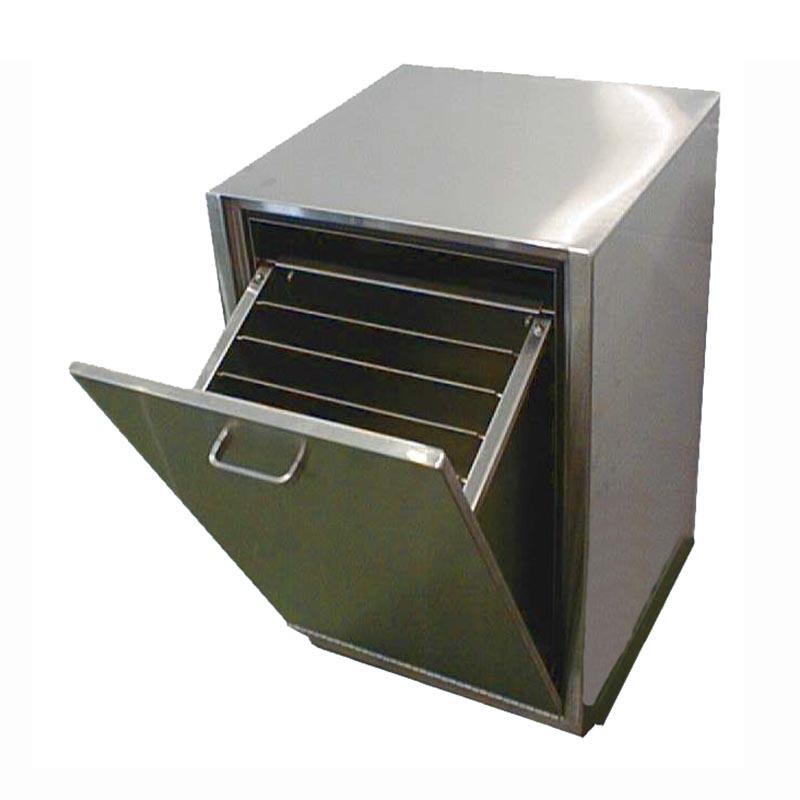
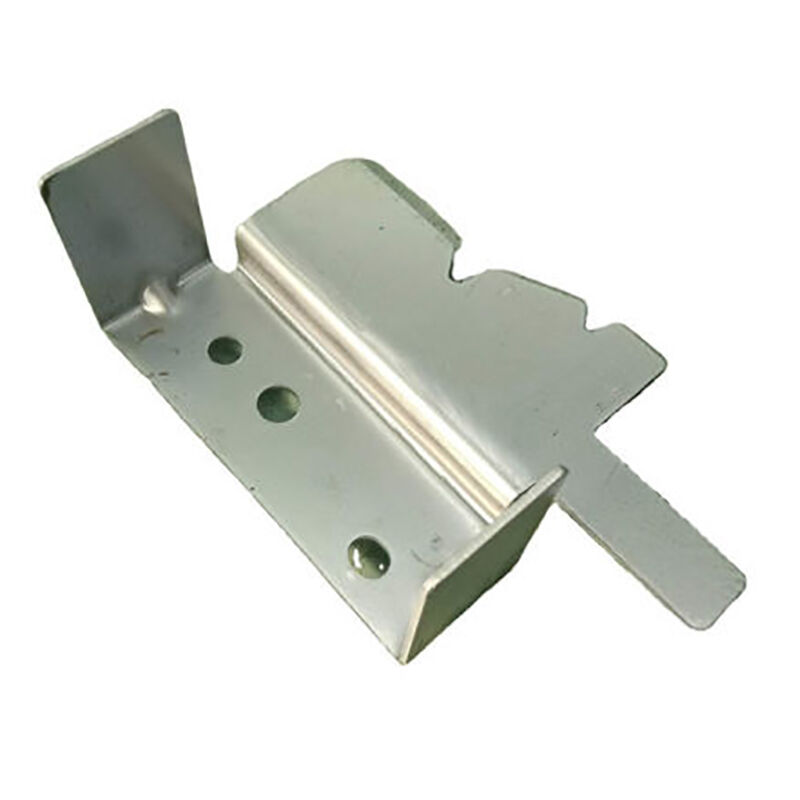
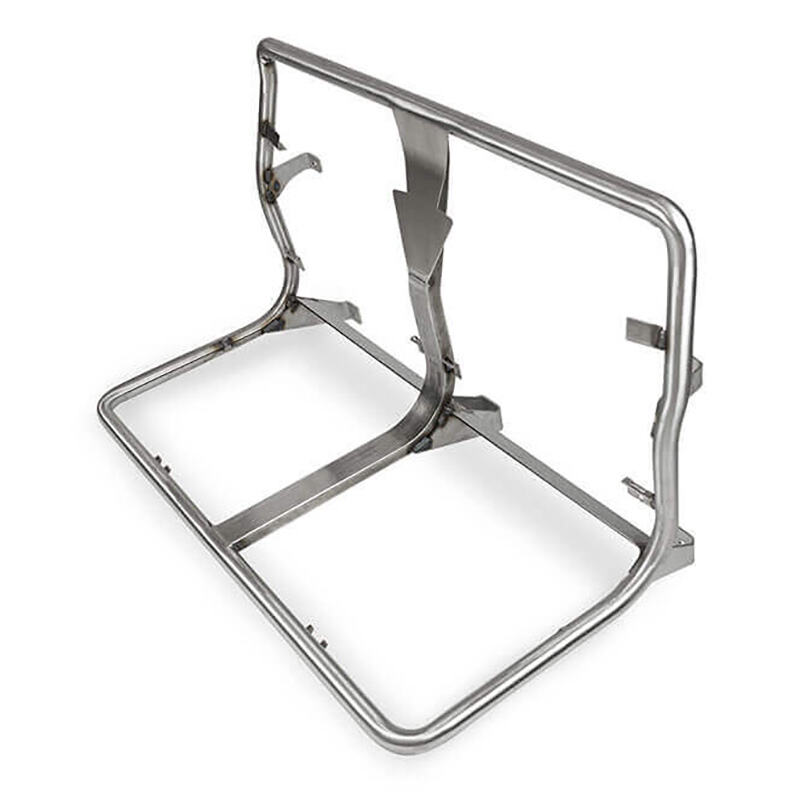
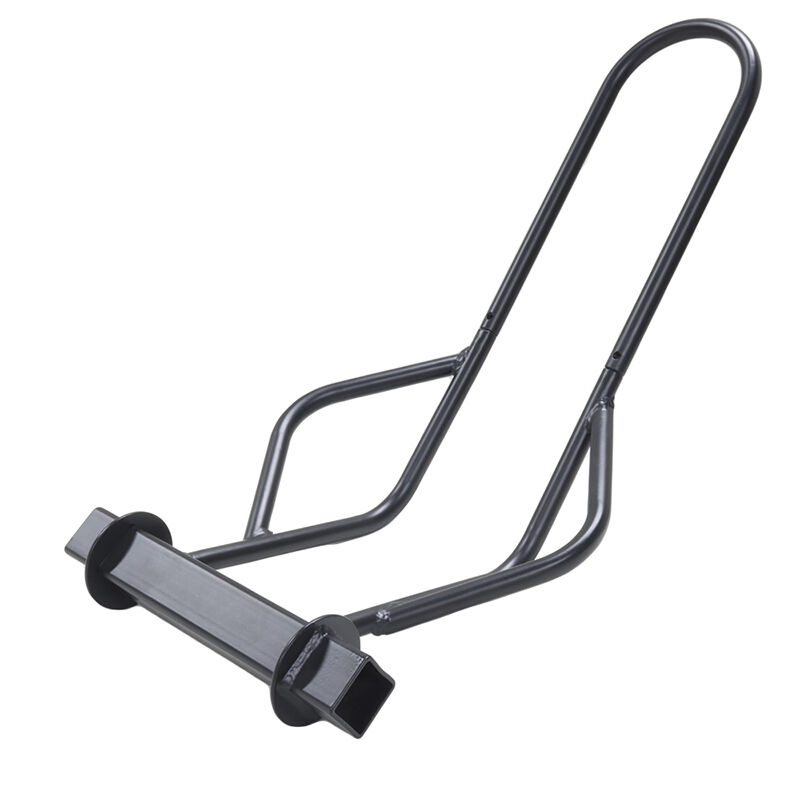
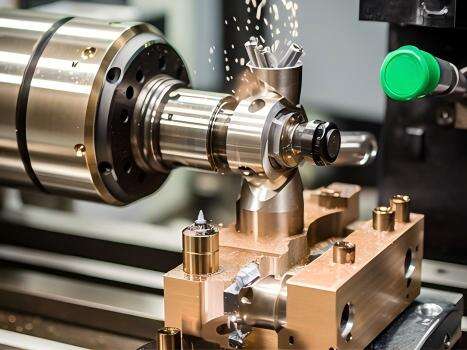
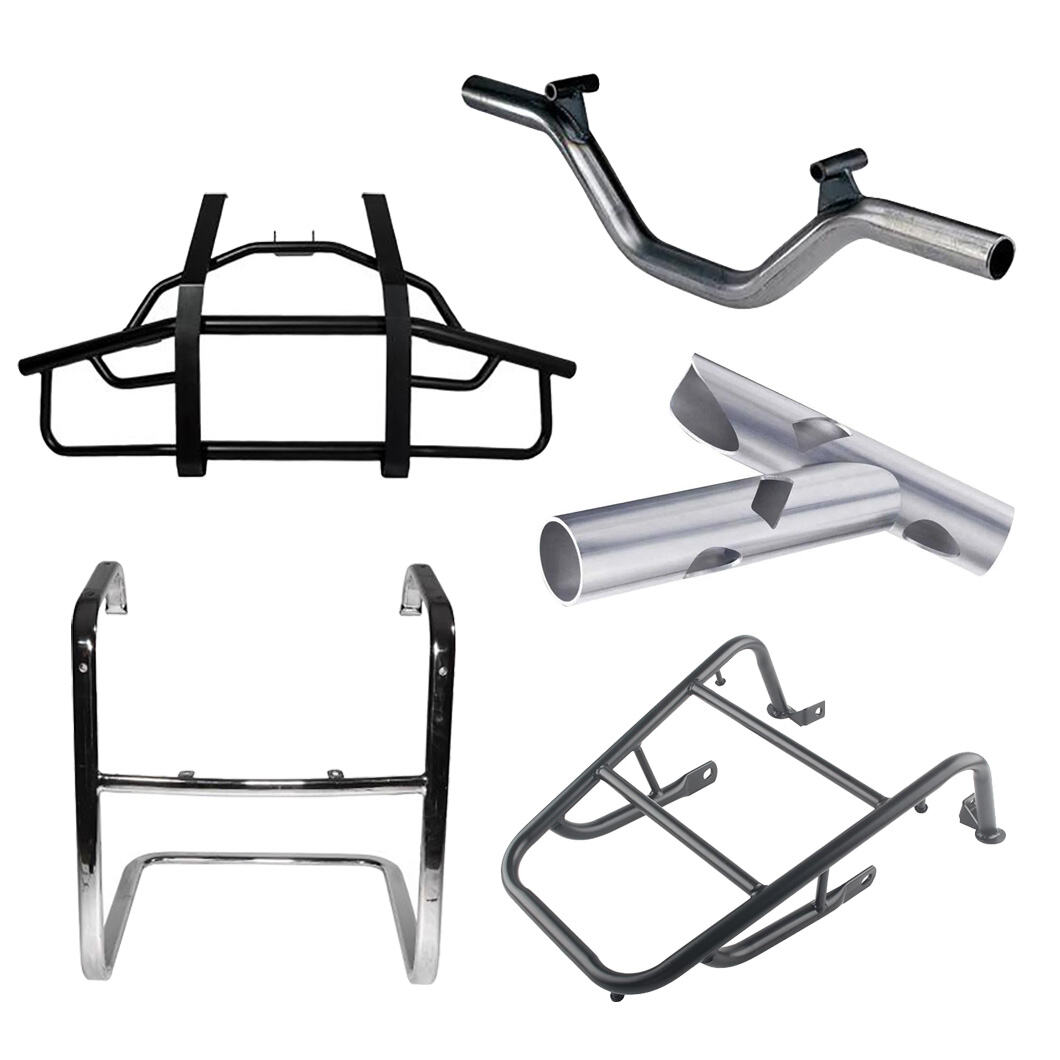
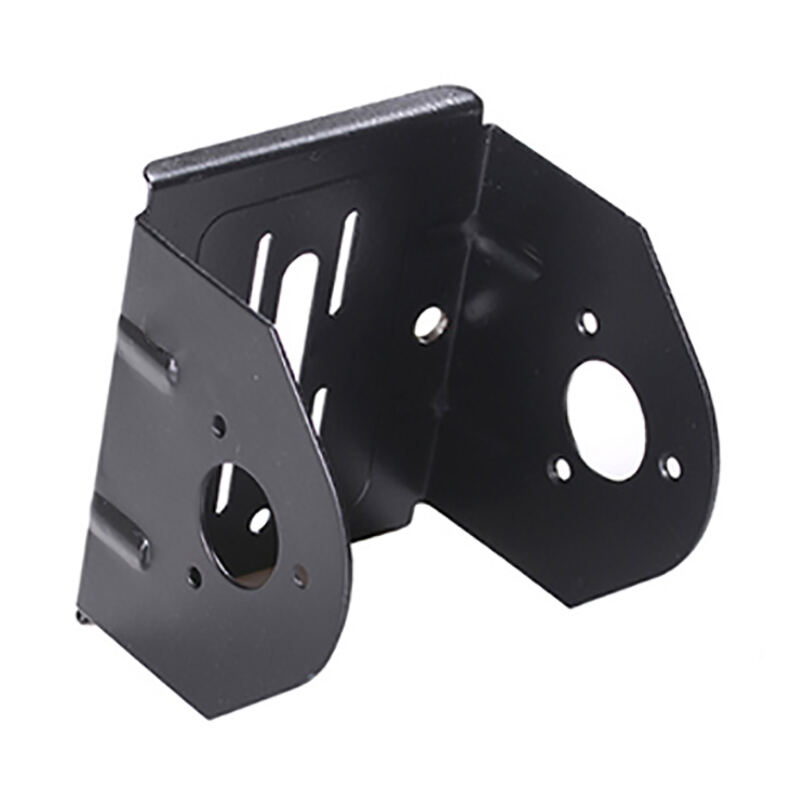
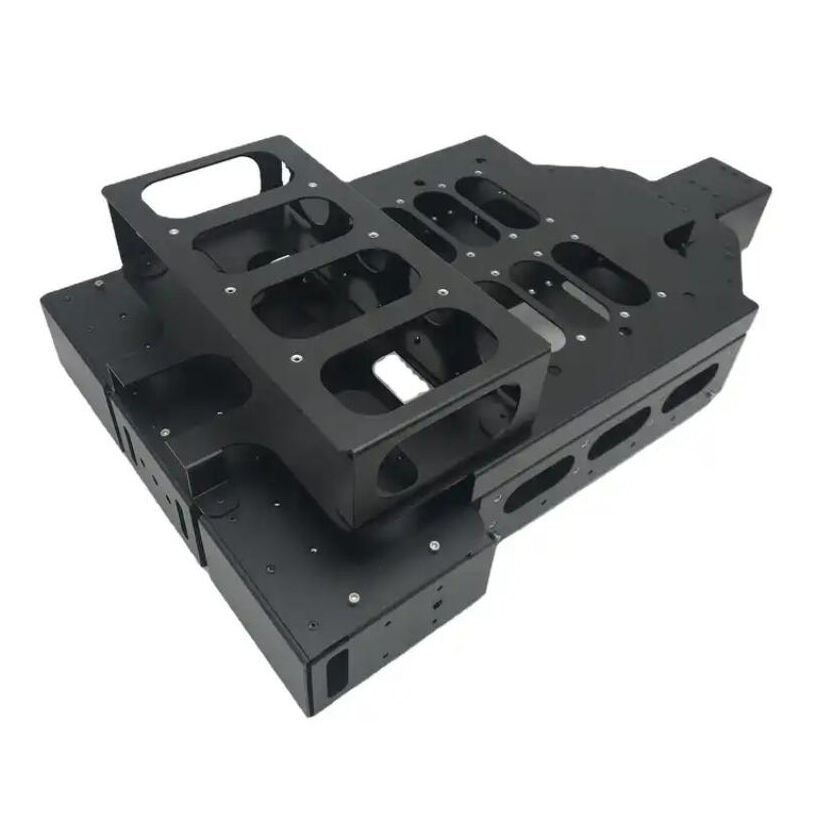
Custom metal fabrication solutions excel in working with an extensive range of materials, from common carbon steels and aluminum alloys to exotic materials including titanium, Inconel, Hastelloy, and specialized composites. This material versatility enables fabricators to select optimal materials for specific applications, considering factors such as strength-to-weight ratios, corrosion resistance, temperature performance, and cost considerations. Advanced processing technologies accommodate diverse material properties and thicknesses, utilizing plasma cutting for thick steel sections, waterjet cutting for materials sensitive to heat-affected zones, and laser processing for intricate details and thin materials. Forming capabilities include press brake operations for precise bending, roll forming for curved sections, and hydroforming for complex three-dimensional shapes that cannot be achieved through conventional methods. Heat treatment processes such as annealing, hardening, tempering, and stress relieving optimize material properties for specific applications, ensuring components perform reliably under demanding operating conditions. Surface preparation techniques including sandblasting, chemical cleaning, and passivation create ideal conditions for subsequent coating applications. Specialized joining methods extend beyond traditional welding to include brazing, soldering, mechanical fastening, and adhesive bonding, allowing fabricators to select the most appropriate technique for each application. Advanced material handling systems protect sensitive alloys from contamination while maintaining proper storage conditions that preserve material properties. Cutting-edge software integration enables seamless transitions between design, nesting optimization, and manufacturing execution, minimizing material waste while maximizing productivity. Non-ferrous material expertise includes aluminum welding techniques that prevent porosity and achieve superior joint strength, stainless steel processing that maintains corrosion resistance properties, and titanium fabrication that requires specialized equipment and environmental controls. Material certification and testing capabilities verify chemical composition, mechanical properties, and compliance with industry specifications, providing customers with complete documentation and traceability for critical applications requiring stringent material performance standards.
 EN
EN