Custom Metal Fabrication Parts: Precision Engineering Solutions for Industrial Applications

Get a Free Quote

Our engineers will provide you with a professional reply.
Your Name
Mobile
Email Address
WhatsApp
Subject
Attachment
Upload drawings or 3D model to see instant pricing, lead time and DFM feedback.
Up to 3 files,more 30mb,support jpg、jpeg、png、pdf、doc、docx、xls、xlsx、csv、txt、stp、step、igs、x_t、dxf、prt、sldprt、sat、rar、zip
Message
0/1000

custom metal fabrication parts

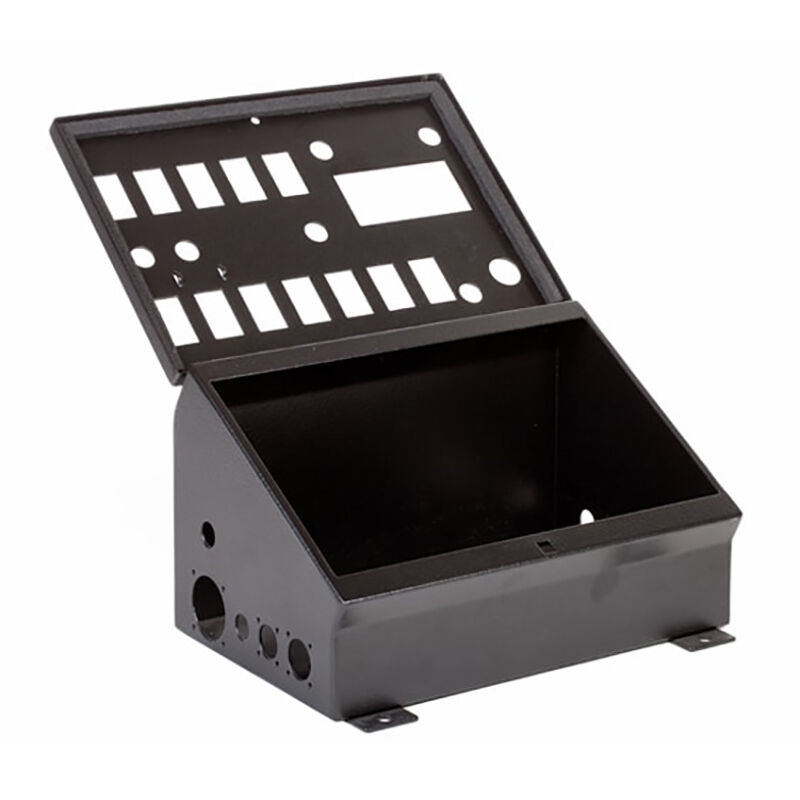
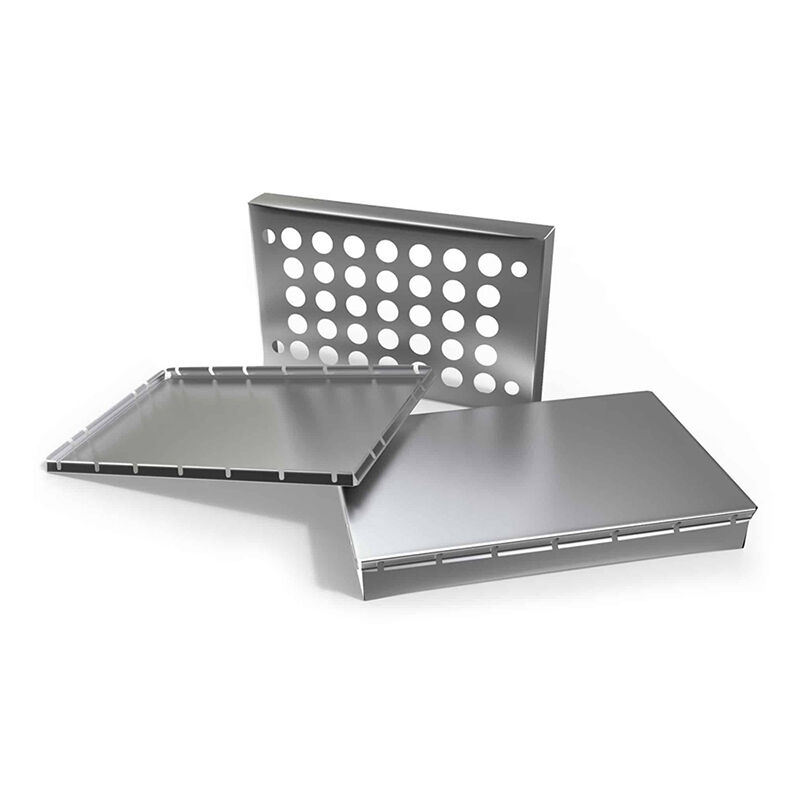
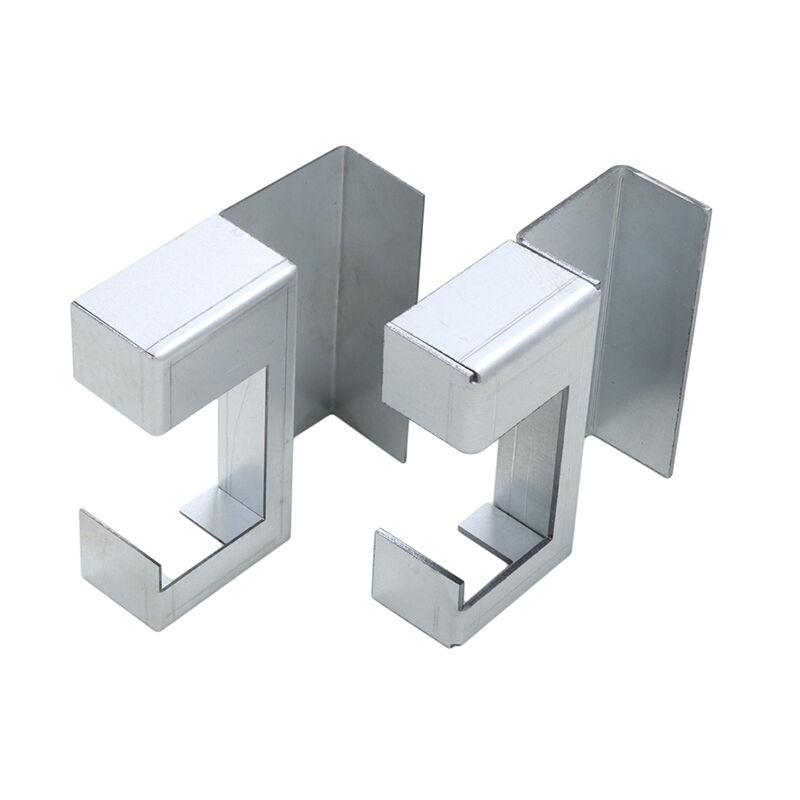
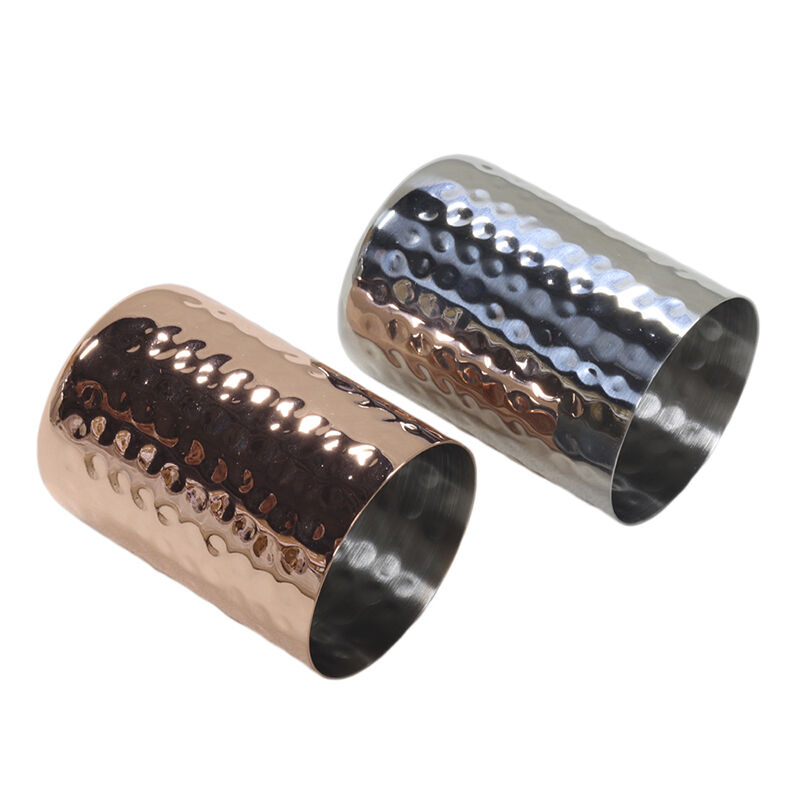
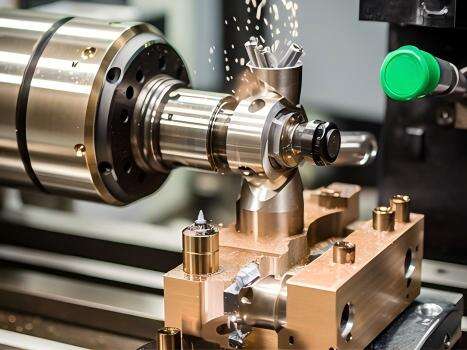
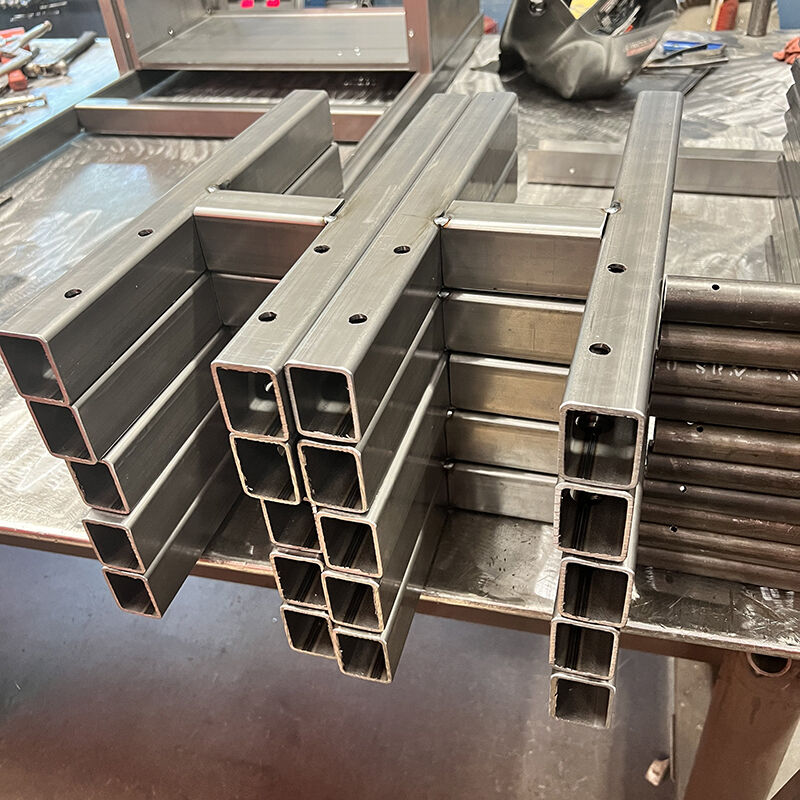
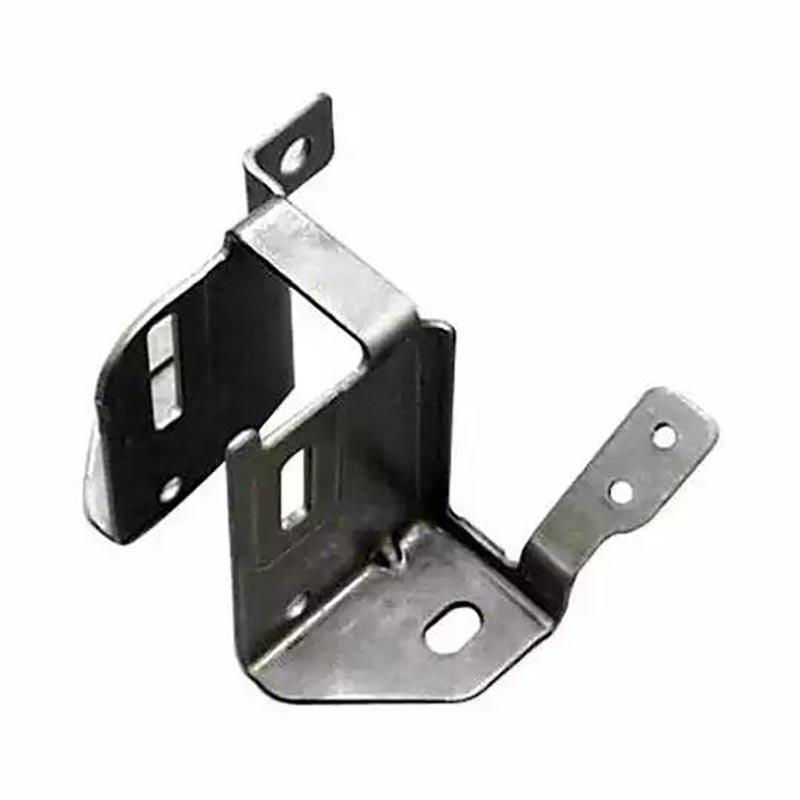
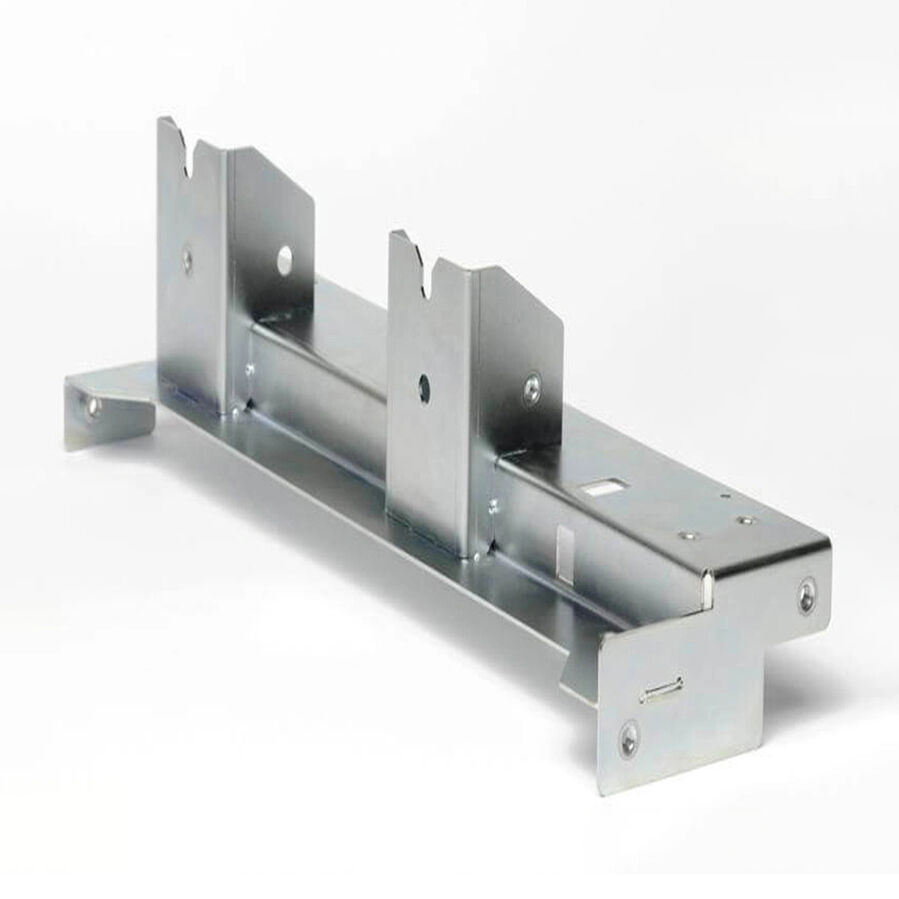
Custom metal fabrication parts represent a specialized manufacturing solution that transforms raw metal materials into precisely engineered components tailored to specific requirements. These parts are created through various metalworking processes including cutting, welding, forming, machining, and assembly to produce unique components that meet exact specifications. The fabrication process begins with detailed engineering drawings and specifications, which guide skilled technicians through the complex manufacturing workflow. Custom metal fabrication parts serve as critical components across numerous industries, from aerospace and automotive to construction and medical equipment manufacturing. The technological features of these parts include precision tolerance control, advanced material selection capabilities, and sophisticated finishing options. Modern fabrication facilities utilize computer-controlled equipment, laser cutting systems, CNC machining centers, and automated welding stations to ensure consistent quality and dimensional accuracy. These parts can be manufactured from various metals including steel, stainless steel, aluminum, titanium, copper, and specialized alloys, each offering distinct properties for specific applications. The main functions of custom metal fabrication parts encompass structural support, mechanical operation, protective housing, heat dissipation, and electrical conductivity depending on their intended use. Applications span from architectural elements and industrial machinery components to medical device housings and electronic enclosures. The fabrication process incorporates quality control measures at every stage, ensuring that each part meets stringent specifications for strength, durability, and performance. Advanced testing methods including dimensional inspection, material verification, and stress testing validate the integrity of these custom metal fabrication parts before delivery to customers.

New Product Releases

Custom metal fabrication parts offer numerous practical benefits that make them an ideal choice for businesses seeking specialized manufacturing solutions. These parts provide perfect fit compatibility since they are engineered specifically for your unique requirements, eliminating the need for modifications or compromises associated with off-the-shelf components. The precision manufacturing process ensures that custom metal fabrication parts meet exact dimensional tolerances, resulting in superior performance and reliability in critical applications. Cost-effectiveness represents another significant advantage, as custom fabrication eliminates waste by producing only the required quantities while avoiding the expenses associated with inventory storage and obsolescence. The flexibility in material selection allows customers to choose the optimal metal type based on specific performance requirements, environmental conditions, and budget considerations. Custom metal fabrication parts can be designed with enhanced functionality by incorporating multiple features into a single component, reducing assembly complexity and potential failure points. The manufacturing process supports rapid prototyping, enabling customers to test and refine designs quickly before committing to full production runs. Quality control throughout the fabrication process ensures consistent results and minimizes defects, leading to reduced maintenance costs and extended service life. These parts can be produced in various quantities, from single prototypes to large production runs, providing scalability to meet changing business needs. The expertise of skilled fabricators results in superior craftsmanship and attention to detail that enhances the overall quality of the finished product. Custom metal fabrication parts can incorporate specialized surface treatments and finishes that improve corrosion resistance, wear characteristics, and aesthetic appearance. The ability to consolidate multiple functions into a single component reduces assembly time and labor costs while improving overall system reliability. Environmental benefits include reduced material waste and the ability to specify recycled materials, supporting sustainability initiatives. The local manufacturing option for custom metal fabrication parts reduces shipping costs and lead times while supporting regional economic development.

Latest News

Custom Metal Fabrication for Agricultural Machinery

18

Aug

Custom Metal Fabrication for Agricultural Machinery

Project Overview Date: June 2024 - September 2024Industry: Agricultural MachineryClient: Jan TheilierLocation: Germany   Project Description We were approached by a leading agricultural machinery manufacturer to develop a series of custom m...
View More

Get a Free Quote

Our engineers will provide you with a professional reply.
Your Name
Mobile
Email Address
WhatsApp
Subject
Attachment
Upload drawings or 3D model to see instant pricing, lead time and DFM feedback.
Up to 3 files,more 30mb,suppor jpg、jpeg、png、pdf、doc、docx、xls、xlsx、csv、txt
Message
0/1000

custom metal fabrication parts

Precision Engineering and Dimensional Accuracy

Precision Engineering and Dimensional Accuracy

The precision engineering capabilities of custom metal fabrication parts deliver exceptional dimensional accuracy that ensures perfect integration into complex systems and assemblies. Modern fabrication facilities employ state-of-the-art computer numerical control (CNC) machinery, laser cutting systems, and coordinate measuring machines to achieve tolerances as tight as plus or minus 0.001 inches. This level of precision is crucial for applications where component fit and function are critical to overall system performance. The engineering process begins with detailed computer-aided design (CAD) models that capture every dimensional requirement and specification. Skilled engineers analyze the design for manufacturability, identifying potential issues and optimizing the geometry for efficient production while maintaining the required precision. Advanced manufacturing techniques including wire EDM, precision grinding, and multi-axis machining enable the creation of complex geometries with exceptional accuracy. Quality control measures throughout the fabrication process include in-process inspection, final dimensional verification, and statistical process control to ensure consistent results. The precision achieved in custom metal fabrication parts eliminates the need for extensive field modifications, reducing installation time and costs. This accuracy is particularly valuable in industries such as aerospace, medical devices, and precision instrumentation where component reliability is paramount. The ability to maintain tight tolerances across production runs ensures interchangeability of parts, simplifying maintenance and replacement procedures. Advanced metrology equipment including laser scanners and optical comparators verify that each custom metal fabrication part meets the specified dimensions. The precision engineering approach also considers thermal expansion, stress relief, and material properties to ensure dimensional stability throughout the component's service life. This commitment to precision engineering makes custom metal fabrication parts the preferred choice for demanding applications where accuracy and reliability cannot be compromised.
Material Versatility and Performance Optimization

Material Versatility and Performance Optimization

The extensive material versatility available in custom metal fabrication parts enables optimal performance characteristics tailored to specific operating conditions and requirements. Fabricators can work with a comprehensive range of metals including carbon steel, stainless steel grades, aluminum alloys, titanium, copper, brass, bronze, and exotic materials such as Inconel and Hastelloy. This material flexibility allows engineers to select the optimal combination of properties including strength, corrosion resistance, thermal conductivity, electrical properties, and weight considerations. The material selection process considers factors such as operating temperature, chemical exposure, mechanical loading, and environmental conditions to ensure long-term performance. Stainless steel options provide excellent corrosion resistance for harsh environments, while aluminum alloys offer superior strength-to-weight ratios for aerospace and automotive applications. Titanium custom metal fabrication parts deliver exceptional strength and biocompatibility for medical implants and aerospace components. The fabrication process can accommodate specialized heat treatments, stress relieving, and surface modifications to enhance material properties. Advanced alloys enable custom metal fabrication parts to operate in extreme conditions including high temperatures, corrosive chemicals, and high-stress environments. The ability to specify material certifications and traceability ensures compliance with industry standards and regulatory requirements. Surface treatments such as anodizing, plating, powder coating, and specialized coatings further enhance material performance and appearance. The material versatility extends to thickness variations, allowing fabricators to optimize weight while maintaining structural integrity. Custom metal fabrication parts can incorporate dissimilar materials through welding or mechanical joining techniques to achieve unique property combinations. The extensive material database and supplier relationships enable fabricators to source specialized alloys and materials for unique applications. This material versatility ensures that custom metal fabrication parts can be optimized for maximum performance, durability, and cost-effectiveness in any application.
Design Flexibility and Functional Integration

Design Flexibility and Functional Integration

The remarkable design flexibility inherent in custom metal fabrication parts empowers engineers to create innovative solutions that integrate multiple functions into optimized components. Unlike standard parts that force design compromises, custom fabrication allows unlimited creative freedom to develop components that perfectly match application requirements. This flexibility encompasses complex geometries, intricate internal features, integrated mounting points, and multi-functional designs that would be impossible with conventional manufacturing approaches. The design process can incorporate features such as internal channels for fluid flow, integrated heat sinks, mounting bosses, access ports, and reinforcement ribs all within a single component. Advanced fabrication techniques including 3D printing for tooling, hydroforming, and multi-axis machining enable the creation of complex shapes and internal geometries. The ability to consolidate multiple separate components into a single custom metal fabrication part reduces assembly complexity, eliminates potential failure points, and decreases overall system costs. Design flexibility also extends to scalability, allowing parts to be easily modified for different sizes or applications without major design changes. The iterative design process enables rapid prototyping and testing to optimize performance before committing to production tooling. Custom metal fabrication parts can incorporate standard hardware such as threaded inserts, bushings, and seals directly into the design, eliminating secondary operations. The flexibility to modify designs based on field experience or changing requirements provides long-term value and adaptability. Advanced simulation software enables engineers to analyze stress distribution, thermal behavior, and fluid dynamics within complex custom metal fabrication parts before manufacturing. This design freedom allows for weight optimization through strategic material placement and hollow construction while maintaining structural integrity. The ability to create unique shapes and configurations enables custom metal fabrication parts to fit into confined spaces or integrate seamlessly with existing equipment. This comprehensive design flexibility makes custom metal fabrication parts the ideal solution for challenging applications that demand innovative engineering approaches.

Get a Free Quote

Our engineers will provide you with a professional reply.
Your Name
Mobile
Email Address
WhatsApp
Subject
Attachment
Upload drawings or 3D model to see instant pricing, lead time and DFM feedback.
Up to 3 files,more 30mb,support jpg、jpeg、png、pdf、doc、docx、xls、xlsx、csv、txt、stp、step、igs、x_t、dxf、prt、sldprt、sat、rar、zip
Message
0/1000