Professional Steel Metal Fabrication Services - Custom Manufacturing Solutions

Get a Free Quote

Our engineers will provide you with a professional reply.
Your Name
Mobile
Email Address
WhatsApp
Subject
Attachment
Upload drawings or 3D model to see instant pricing, lead time and DFM feedback.
Up to 3 files,more 30mb,support jpg、jpeg、png、pdf、doc、docx、xls、xlsx、csv、txt、stp、step、igs、x_t、dxf、prt、sldprt、sat、rar、zip
Message
0/1000

steel metal fabrication

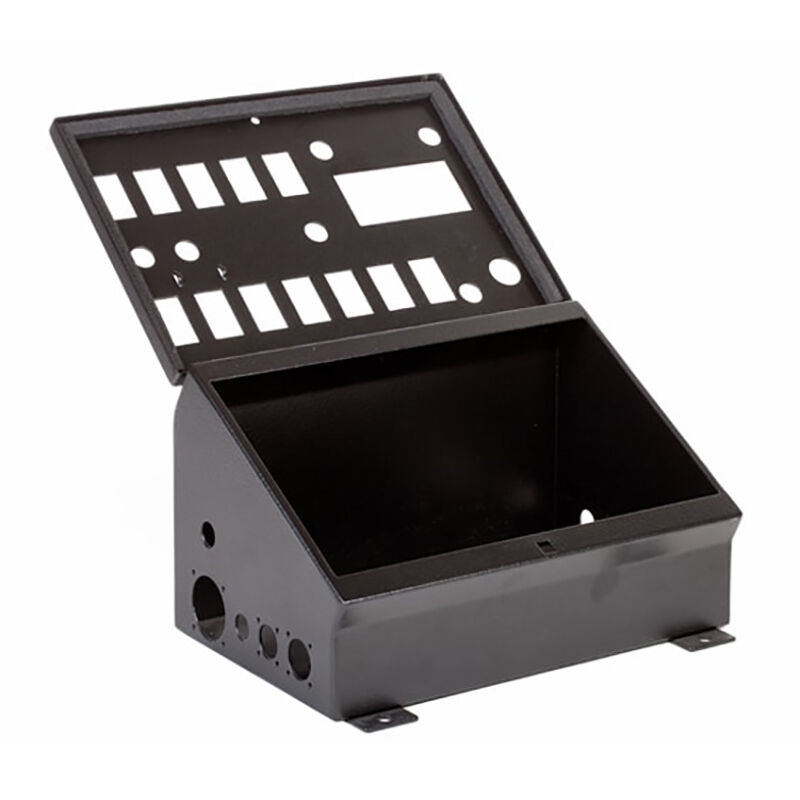
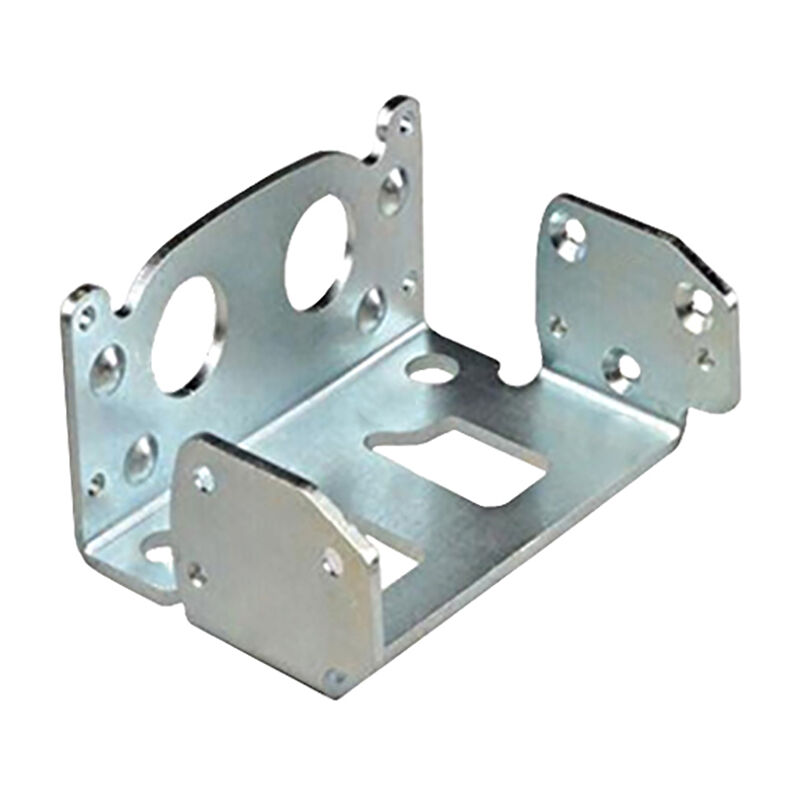
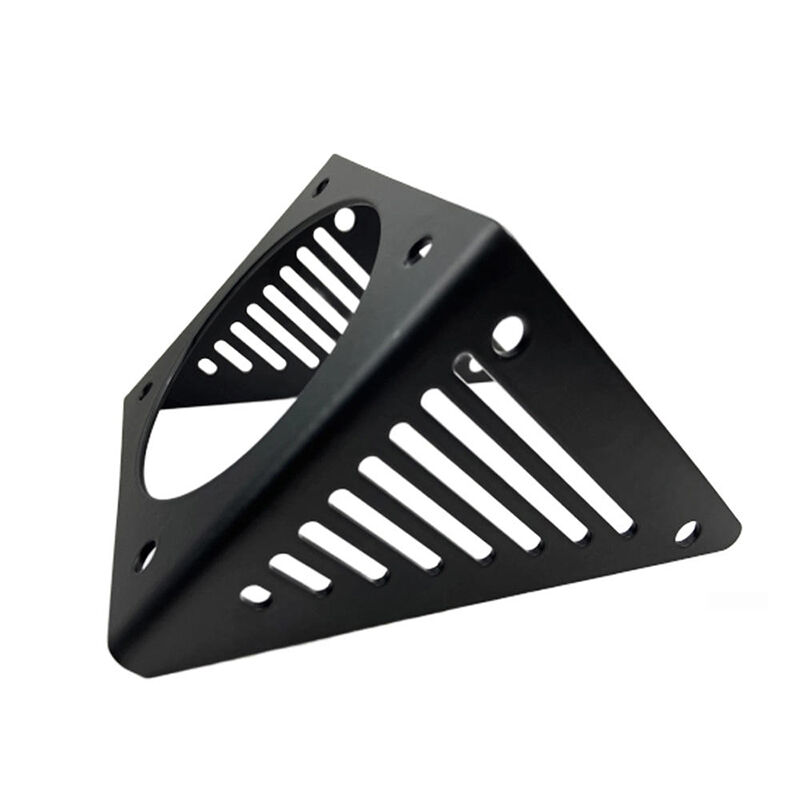
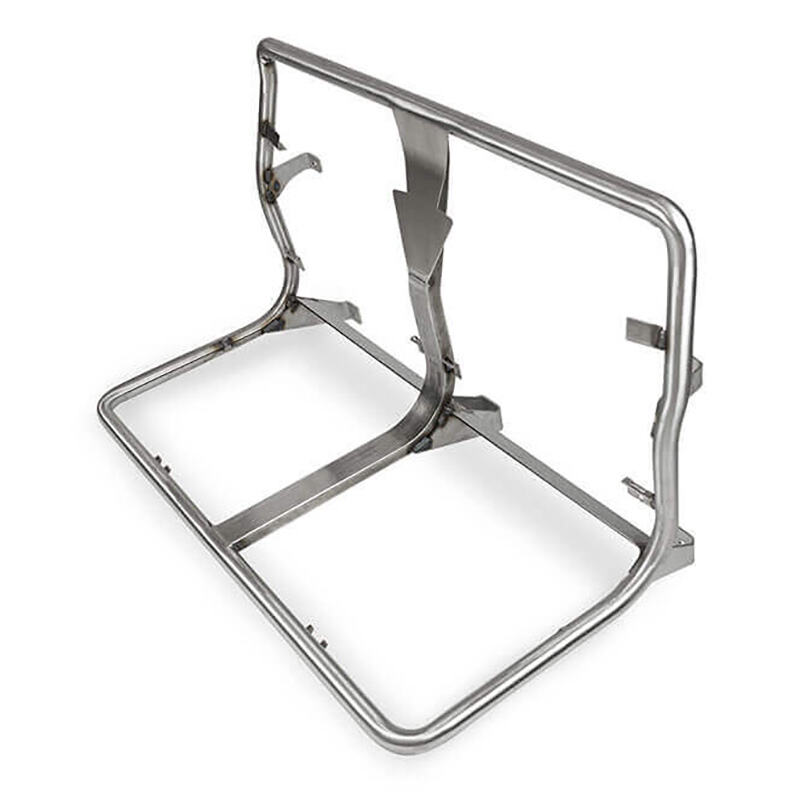
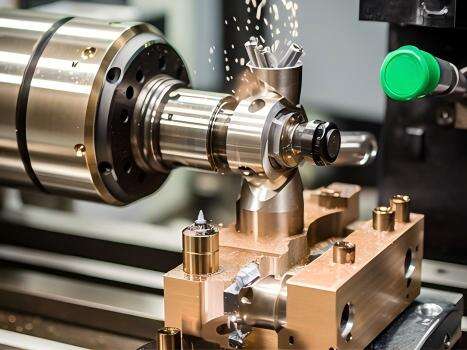
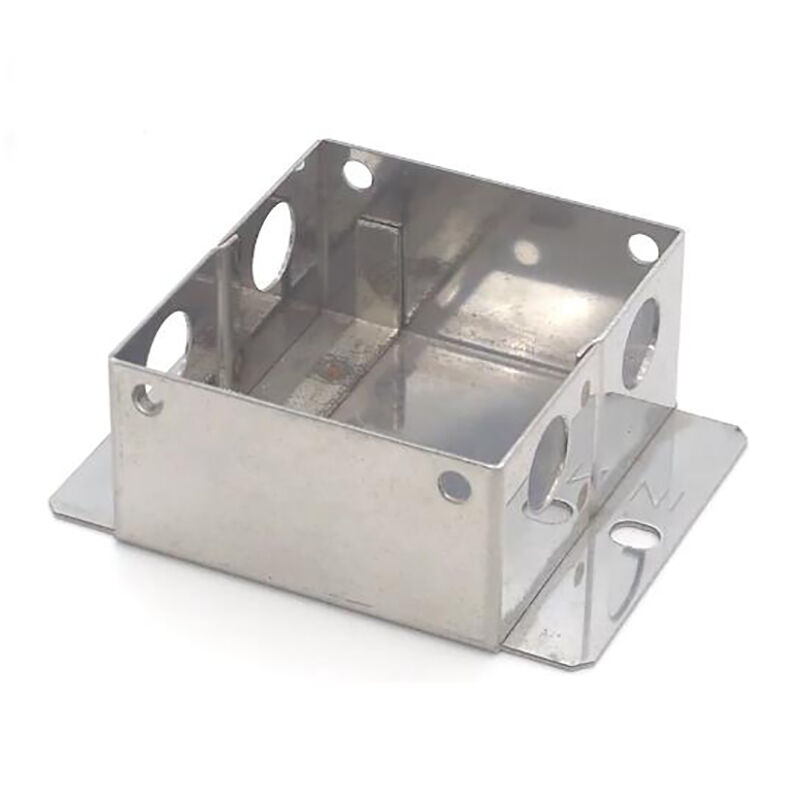
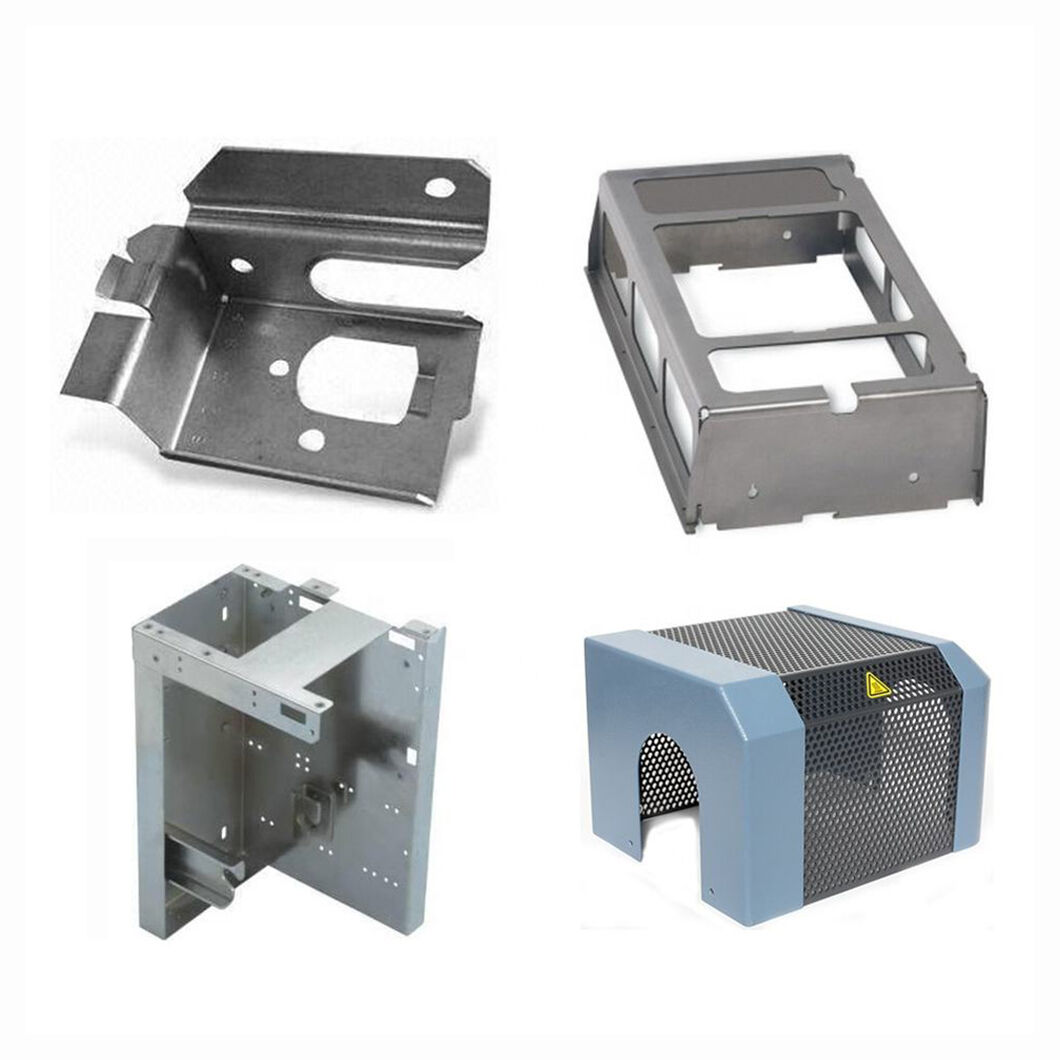
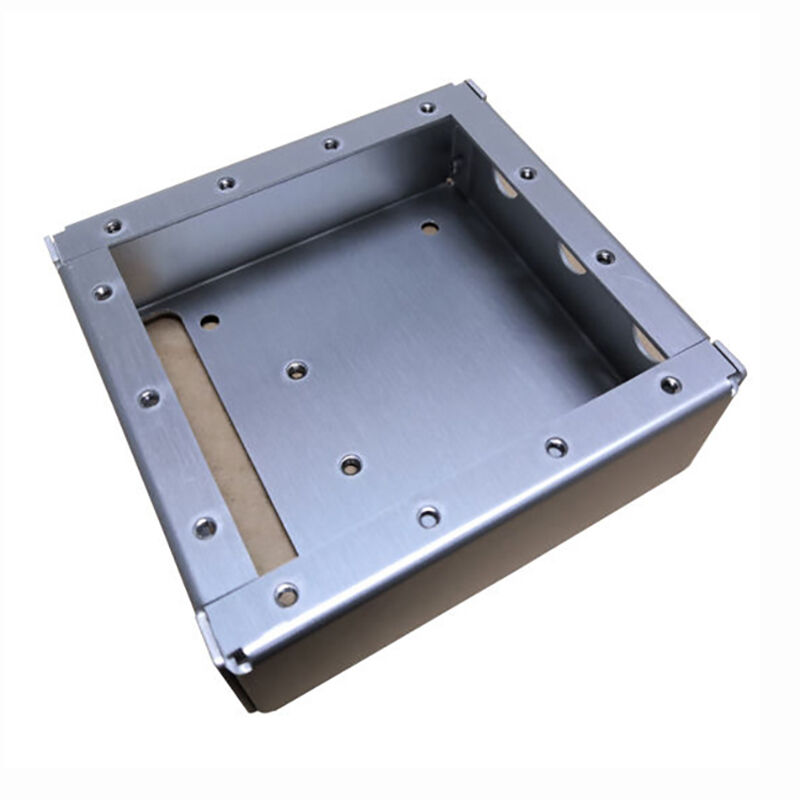
Steel metal fabrication represents a comprehensive manufacturing process that transforms raw steel materials into finished products through cutting, bending, welding, machining, and assembly techniques. This essential industrial process serves as the backbone of modern construction, infrastructure development, and manufacturing industries worldwide. The steel metal fabrication process begins with careful planning and design, where engineers create detailed blueprints and specifications for the final product. Advanced computer-aided design software enables precise measurements and complex geometries that ensure optimal performance and structural integrity. The technological features of steel metal fabrication include state-of-the-art plasma cutting systems, laser cutting technology, and precision machining equipment that can handle various steel grades and thicknesses. Modern fabrication facilities utilize automated welding systems, robotic assembly lines, and quality control instruments that maintain consistent product standards throughout the manufacturing process. Steel metal fabrication applications span across numerous industries, including automotive manufacturing, aerospace engineering, shipbuilding, architectural construction, and heavy machinery production. The process accommodates both large-scale industrial projects and custom fabrication requirements, making it versatile for diverse market demands. Quality assurance protocols in steel metal fabrication involve rigorous testing procedures, dimensional inspections, and material certification processes that ensure compliance with industry standards and regulatory requirements. The integration of advanced metallurgy knowledge allows fabricators to select appropriate steel alloys and heat treatment processes that enhance the mechanical properties of finished products. Environmental considerations in steel metal fabrication include recycling programs, energy-efficient production methods, and sustainable manufacturing practices that minimize waste generation and reduce carbon footprint impacts.

New Product Releases

Steel metal fabrication offers numerous practical benefits that make it an ideal choice for businesses seeking reliable manufacturing solutions. The durability advantage of steel metal fabrication ensures long-lasting products that withstand harsh environmental conditions, extreme temperatures, and heavy mechanical loads without compromising structural integrity. This exceptional strength-to-weight ratio translates into cost-effective solutions that require minimal maintenance over extended service periods. The versatility of steel metal fabrication allows manufacturers to create complex shapes, intricate designs, and customized components that meet specific application requirements across diverse industries. This flexibility enables businesses to adapt quickly to changing market demands and customer specifications without significant retooling investments. Cost-effectiveness represents another significant advantage of steel metal fabrication, as the process optimizes material utilization, reduces waste generation, and streamlines production workflows that lower overall manufacturing costs. The scalability of steel metal fabrication operations accommodates both small-batch custom orders and high-volume production runs, providing businesses with the flexibility to adjust production capacity based on market conditions and customer demands. Speed and efficiency in steel metal fabrication processes enable faster project completion times, shorter lead times, and improved delivery schedules that enhance customer satisfaction and competitive positioning. The precision capabilities of modern steel metal fabrication equipment ensure tight tolerances, consistent quality, and repeatable results that meet stringent engineering specifications and performance standards. Environmental sustainability benefits include the recyclability of steel materials, energy-efficient production methods, and reduced transportation costs due to local fabrication capabilities that minimize carbon footprint impacts. The reliability of steel metal fabrication processes provides predictable outcomes, consistent quality control, and dependable supply chain management that supports business planning and project scheduling requirements. Technical expertise and engineering support available through steel metal fabrication services offer valuable consultation, design optimization, and problem-solving assistance that helps customers achieve optimal results while minimizing development costs and technical risks.

Latest News

Custom Metal Fabrication for Agricultural Machinery

18

Aug

Custom Metal Fabrication for Agricultural Machinery

Project Overview Date: June 2024 - September 2024Industry: Agricultural MachineryClient: Jan TheilierLocation: Germany   Project Description We were approached by a leading agricultural machinery manufacturer to develop a series of custom m...
View More

Get a Free Quote

Our engineers will provide you with a professional reply.
Your Name
Mobile
Email Address
WhatsApp
Subject
Attachment
Upload drawings or 3D model to see instant pricing, lead time and DFM feedback.
Up to 3 files,more 30mb,suppor jpg、jpeg、png、pdf、doc、docx、xls、xlsx、csv、txt
Message
0/1000

steel metal fabrication

Advanced Precision Manufacturing Capabilities

Advanced Precision Manufacturing Capabilities

Steel metal fabrication delivers unmatched precision manufacturing capabilities that set new standards for accuracy and consistency in industrial production. Modern fabrication facilities employ cutting-edge CNC machining centers, laser cutting systems, and automated welding equipment that achieve tolerances as tight as plus or minus 0.005 inches across complex geometries and large-scale components. This precision advantage stems from sophisticated computer-controlled systems that eliminate human error, maintain consistent cutting speeds, and provide repeatable results throughout extended production runs. The integration of advanced measurement technologies, including coordinate measuring machines and laser scanning systems, ensures dimensional accuracy verification at every stage of the steel metal fabrication process. Quality control protocols incorporate real-time monitoring systems that detect deviations immediately and implement corrective actions before defective products enter the supply chain. The precision capabilities extend beyond dimensional accuracy to include surface finish specifications, welding quality standards, and assembly tolerances that meet the most demanding engineering requirements. Advanced steel metal fabrication processes utilize multi-axis machining capabilities that create complex three-dimensional shapes, intricate internal features, and precise hole patterns that would be impossible to achieve through conventional manufacturing methods. The technological sophistication of modern fabrication equipment enables the processing of various steel grades, from standard carbon steels to exotic alloys, while maintaining consistent quality standards across different material properties and thicknesses. This precision manufacturing approach reduces the need for secondary operations, eliminates costly rework procedures, and ensures first-pass quality that accelerates project timelines and reduces overall manufacturing costs for customers across diverse industries.
Exceptional Durability and Structural Performance

Exceptional Durability and Structural Performance

The exceptional durability and structural performance characteristics of steel metal fabrication make it the preferred choice for demanding applications where reliability and longevity are paramount concerns. Steel materials possess inherent mechanical properties that provide superior tensile strength, impact resistance, and fatigue performance compared to alternative materials such as aluminum, plastics, or composite materials. The steel metal fabrication process enhances these natural properties through controlled heat treatment procedures, stress relieving operations, and precision forming techniques that optimize the molecular structure and eliminate internal stresses that could compromise long-term performance. Corrosion resistance capabilities can be further enhanced through various protective coating systems, galvanizing processes, and surface treatment options that extend service life in challenging environmental conditions including marine atmospheres, chemical processing facilities, and outdoor exposure applications. The structural integrity of steel fabricated components remains stable across wide temperature ranges, from cryogenic applications to high-temperature industrial processes, making steel metal fabrication suitable for diverse operating conditions. Fatigue resistance properties ensure reliable performance under cyclic loading conditions, vibration exposure, and dynamic stress applications that are common in machinery, transportation equipment, and infrastructure projects. The predictable behavior of steel materials under various loading conditions enables engineers to design components with confidence, optimize material usage, and achieve desired safety factors without over-engineering or excessive material consumption. Quality assurance testing procedures, including non-destructive examination methods, mechanical property verification, and stress analysis validation, confirm the durability characteristics of steel fabricated products before delivery to customers. This comprehensive approach to durability ensures that steel metal fabrication delivers long-term value through reduced maintenance requirements, extended service intervals, and reliable performance that minimizes operational disruptions and lifecycle costs.

Cost-Effective Manufacturing Solutions

Cost-Effective Manufacturing Solutions

Steel metal fabrication provides highly cost-effective manufacturing solutions that optimize both initial investment costs and long-term operational expenses for businesses across various industries. The economic advantages begin with efficient material utilization strategies that minimize waste generation through advanced nesting software, optimized cutting patterns, and recycling programs that recover value from production scraps and off-cuts. Modern steel metal fabrication processes employ automated equipment and streamlined workflows that reduce labor costs, eliminate repetitive manual operations, and improve production efficiency while maintaining consistent quality standards throughout manufacturing cycles. The scalability of steel fabrication operations allows manufacturers to adjust production volumes based on market demand without significant capital equipment investments, providing flexibility that supports both small custom projects and large-scale industrial contracts. Competitive material pricing for steel products, combined with established supply chain networks and predictable procurement costs, enables accurate project budgeting and cost control throughout the manufacturing process. The versatility of steel metal fabrication equipment allows multiple operations to be performed on the same production line, reducing handling costs, minimizing work-in-process inventory, and accelerating throughput times that improve overall manufacturing economics. Energy-efficient production methods, including optimized cutting parameters, reduced setup times, and automated material handling systems, contribute to lower operational costs and improved environmental sustainability metrics that benefit both manufacturers and customers. The durability characteristics of steel fabricated products translate into reduced maintenance costs, extended replacement intervals, and lower total cost of ownership over the product lifecycle compared to alternative materials and manufacturing methods. Local fabrication capabilities eliminate expensive transportation costs, reduce delivery lead times, and provide responsive customer service that supports just-in-time manufacturing strategies and inventory optimization programs. Value-added services including design consultation, engineering support, and project management assistance provide comprehensive solutions that reduce customer development costs while ensuring optimal results that meet performance specifications and budget constraints.

Get a Free Quote

Our engineers will provide you with a professional reply.
Your Name
Mobile
Email Address
WhatsApp
Subject
Attachment
Upload drawings or 3D model to see instant pricing, lead time and DFM feedback.
Up to 3 files,more 30mb,support jpg、jpeg、png、pdf、doc、docx、xls、xlsx、csv、txt、stp、step、igs、x_t、dxf、prt、sldprt、sat、rar、zip
Message
0/1000