Professional Metal Fabrication Manufacturing Services - Custom Steel Fabrication Solutions

Get a Free Quote

Our engineers will provide you with a professional reply.
Your Name
Mobile
Email Address
WhatsApp
Subject
Attachment
Upload drawings or 3D model to see instant pricing, lead time and DFM feedback.
Up to 3 files,more 30mb,support jpg、jpeg、png、pdf、doc、docx、xls、xlsx、csv、txt、stp、step、igs、x_t、dxf、prt、sldprt、sat、rar、zip
Message
0/1000

metal fabrication manufacturing

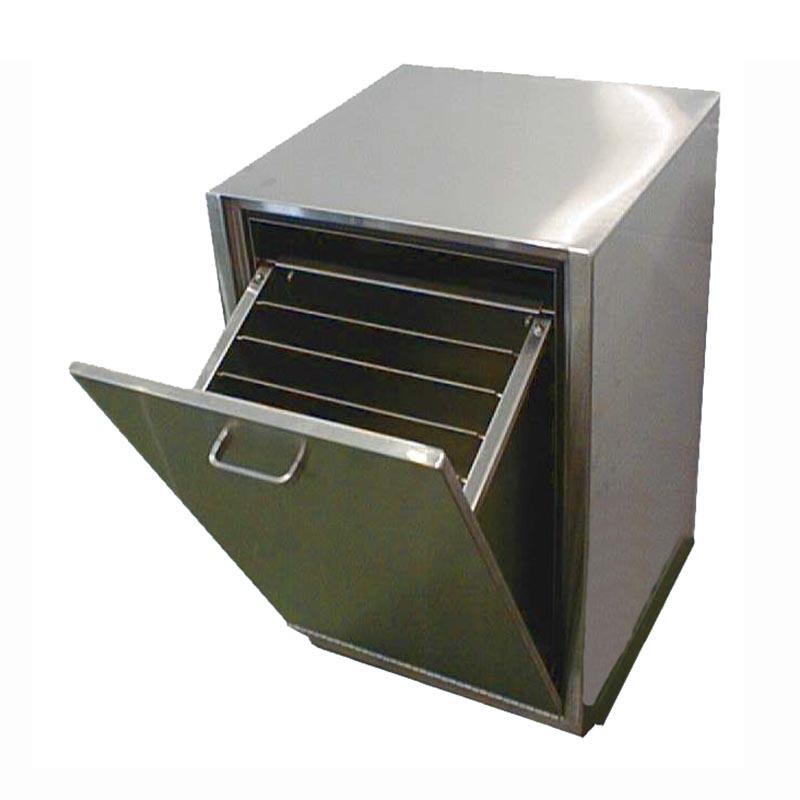
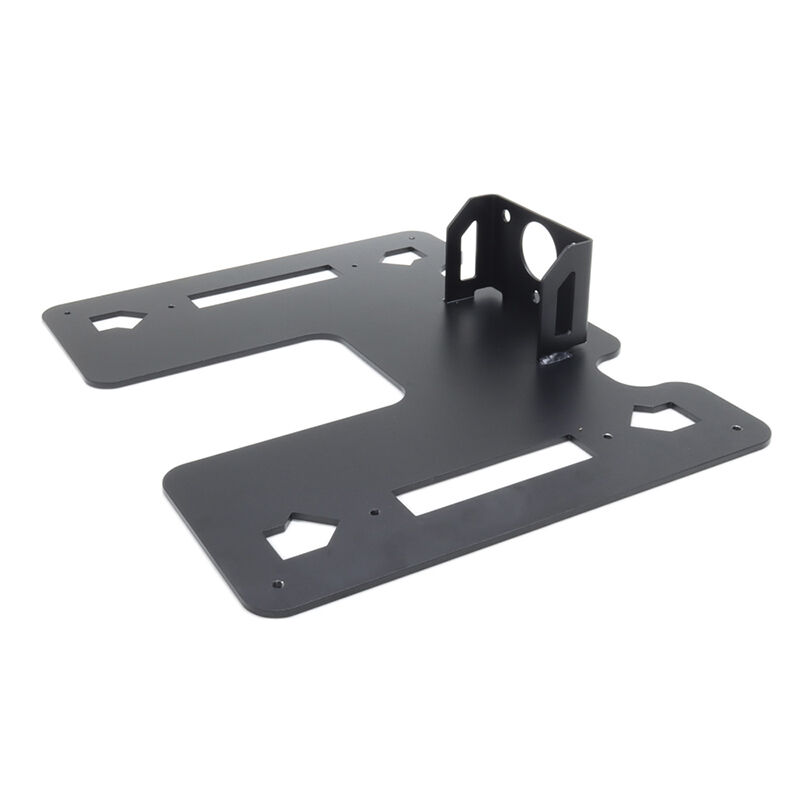
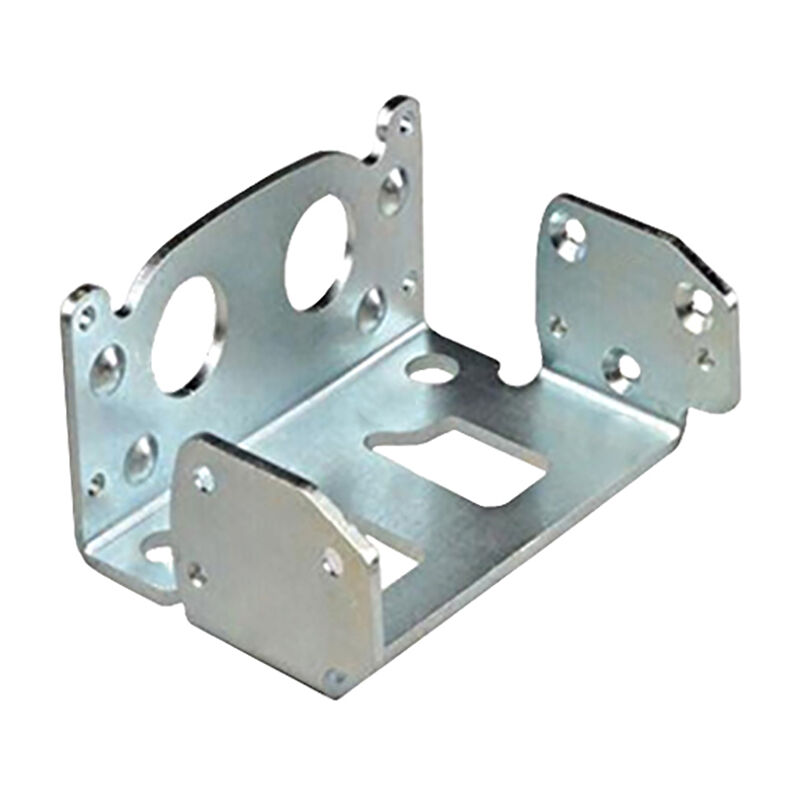
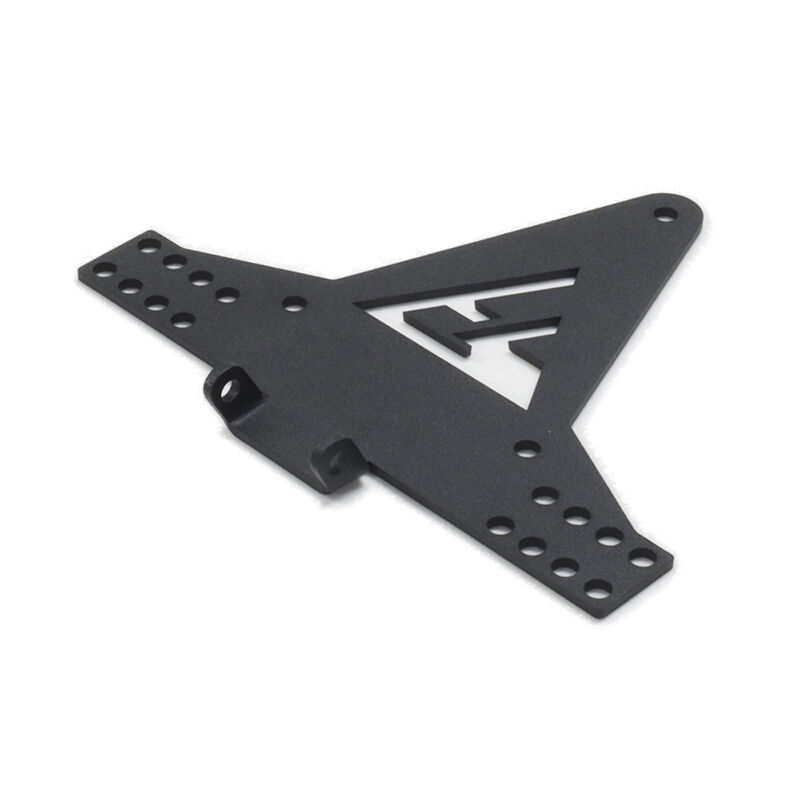
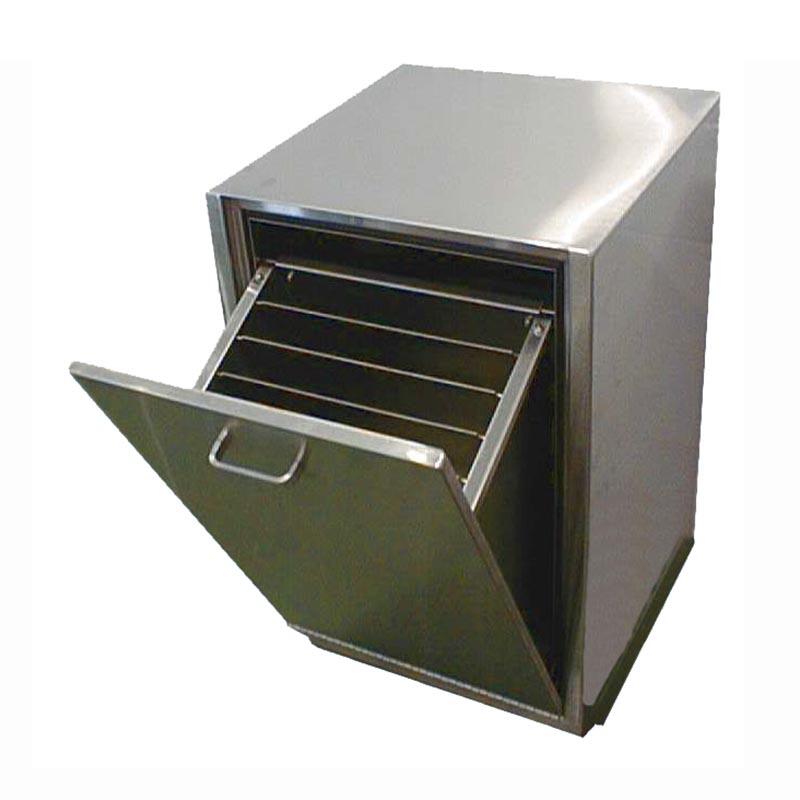
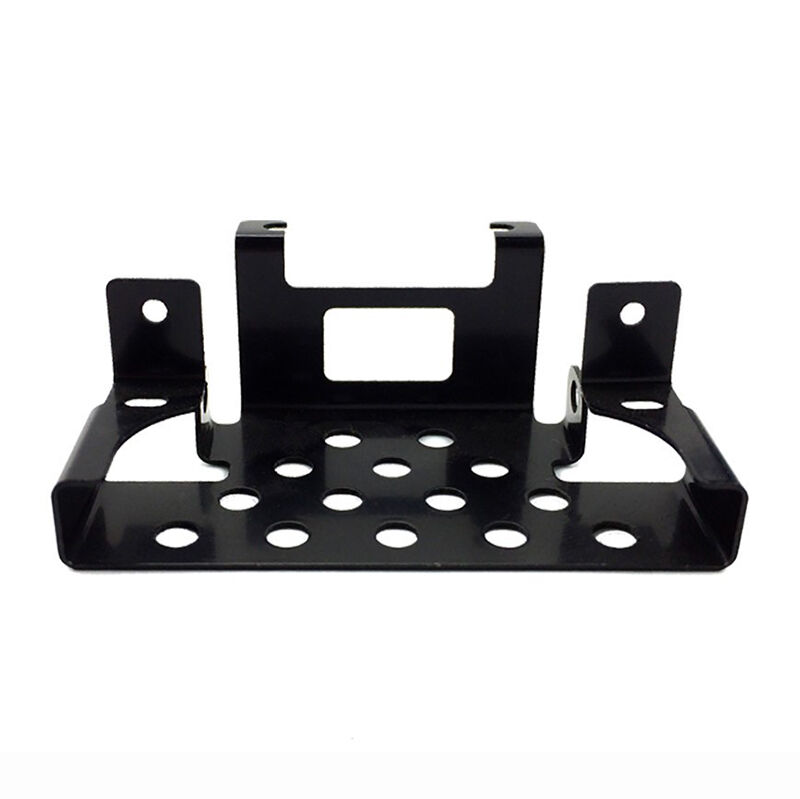
Metal fabrication manufacturing represents a comprehensive industrial process that transforms raw metal materials into finished products through cutting, bending, welding, machining, and assembly techniques. This sophisticated manufacturing approach serves as the backbone of modern industry, creating everything from structural components to precision instruments. The metal fabrication manufacturing process begins with detailed engineering drawings and specifications, followed by material selection based on strength requirements, environmental conditions, and cost considerations. Advanced computer-aided design software guides the fabrication process, ensuring precise measurements and optimal material utilization. The primary functions of metal fabrication manufacturing include structural steel production for construction projects, custom machinery components for industrial applications, architectural elements for commercial buildings, and specialized equipment for various sectors. Technological features encompass state-of-the-art CNC machining centers, laser cutting systems, robotic welding stations, and precision forming equipment. These technologies enable manufacturers to achieve tight tolerances, consistent quality, and rapid production cycles. Metal fabrication manufacturing utilizes various materials including carbon steel, stainless steel, aluminum, copper, and exotic alloys, each selected for specific performance characteristics. Applications span across construction, automotive, aerospace, marine, energy, and consumer goods industries. The process involves multiple stages: design consultation, material procurement, cutting and shaping, joining operations, surface treatment, quality inspection, and final delivery. Modern metal fabrication manufacturing facilities employ lean manufacturing principles to minimize waste, reduce lead times, and optimize resource allocation. Quality control systems ensure compliance with industry standards and customer specifications through rigorous testing procedures and documentation protocols.

New Product Releases

Metal fabrication manufacturing delivers exceptional value through cost-effective production methods that eliminate expensive tooling requirements typically associated with mass production techniques. Companies benefit from reduced upfront investments while maintaining flexibility to modify designs throughout the development process. The manufacturing approach accommodates both prototype development and full-scale production runs, allowing businesses to test market demand before committing to large inventory investments. Quality control measures inherent in metal fabrication manufacturing ensure consistent results that meet or exceed industry standards, reducing warranty claims and customer complaints. Advanced welding techniques create strong, durable joints that withstand harsh operating conditions, extending product lifespan and reducing replacement costs. Precision cutting technologies minimize material waste, translating into lower raw material expenses and improved profit margins. The versatility of metal fabrication manufacturing enables customization options that address specific customer requirements without significant cost penalties. Short lead times accelerate project completion schedules, helping clients meet critical deadlines and capitalize on market opportunities. Skilled craftsmen combine traditional techniques with modern technology to produce complex geometries and intricate details that automated systems cannot achieve. Local sourcing capabilities reduce transportation costs and support supply chain reliability, particularly important for time-sensitive projects. Metal fabrication manufacturing supports sustainability initiatives through recycling programs that repurpose scrap materials and reduce environmental impact. The scalability of operations allows manufacturers to adjust production volumes based on demand fluctuations without major equipment investments. Collaborative design services help customers optimize their products for manufacturability, reducing production costs while improving functionality and aesthetics. Comprehensive finishing options including powder coating, anodizing, and plating enhance corrosion resistance and appearance, extending service life in challenging environments. Technical expertise and engineering support guide customers through material selection, design optimization, and process improvement initiatives that maximize value and performance.

Practical Tips

Custom Metal Fabrication for Agricultural Machinery

18

Aug

Custom Metal Fabrication for Agricultural Machinery

Project Overview Date: June 2024 - September 2024Industry: Agricultural MachineryClient: Jan TheilierLocation: Germany   Project Description We were approached by a leading agricultural machinery manufacturer to develop a series of custom m...
View More

Get a Free Quote

Our engineers will provide you with a professional reply.
Your Name
Mobile
Email Address
WhatsApp
Subject
Attachment
Upload drawings or 3D model to see instant pricing, lead time and DFM feedback.
Up to 3 files,more 30mb,suppor jpg、jpeg、png、pdf、doc、docx、xls、xlsx、csv、txt
Message
0/1000

metal fabrication manufacturing

Advanced Technology Integration and Precision Manufacturing

Advanced Technology Integration and Precision Manufacturing

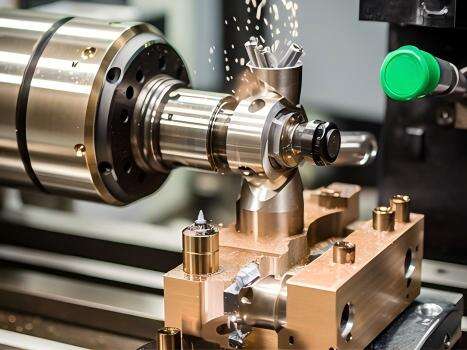
Metal fabrication manufacturing leverages cutting-edge technology to deliver unparalleled precision and efficiency in every project. Computer Numerical Control machining centers provide exceptional accuracy, maintaining tolerances within thousandths of an inch across complex three-dimensional geometries. Laser cutting systems utilize high-powered beams to create clean, precise cuts through various metal thicknesses without mechanical stress or heat-affected zones that compromise material properties. Plasma cutting technology handles thicker materials with remarkable speed while maintaining edge quality suitable for subsequent welding operations. Robotic welding systems ensure consistent penetration and bead appearance, eliminating human variability that can affect joint strength and visual appeal. Automated material handling systems reduce setup times and improve workplace safety by minimizing manual lifting requirements. Computer-aided manufacturing software optimizes cutting patterns to maximize material utilization and minimize waste generation. Three-dimensional modeling capabilities enable virtual assembly verification before physical production begins, identifying potential interference issues and assembly challenges early in the process. Advanced inspection equipment including coordinate measuring machines and digital calipers validate dimensional accuracy throughout production cycles. Real-time quality monitoring systems track process parameters and alert operators to deviations that could affect final product quality. Integration of Industry 4.0 principles enables predictive maintenance scheduling that prevents equipment failures and production delays. Data analytics platforms analyze production metrics to identify optimization opportunities and process improvements. These technological advantages position metal fabrication manufacturing as a superior choice for customers seeking reliable, high-quality results with predictable delivery schedules and competitive pricing structures.
Comprehensive Material Expertise and Versatile Applications

Comprehensive Material Expertise and Versatile Applications

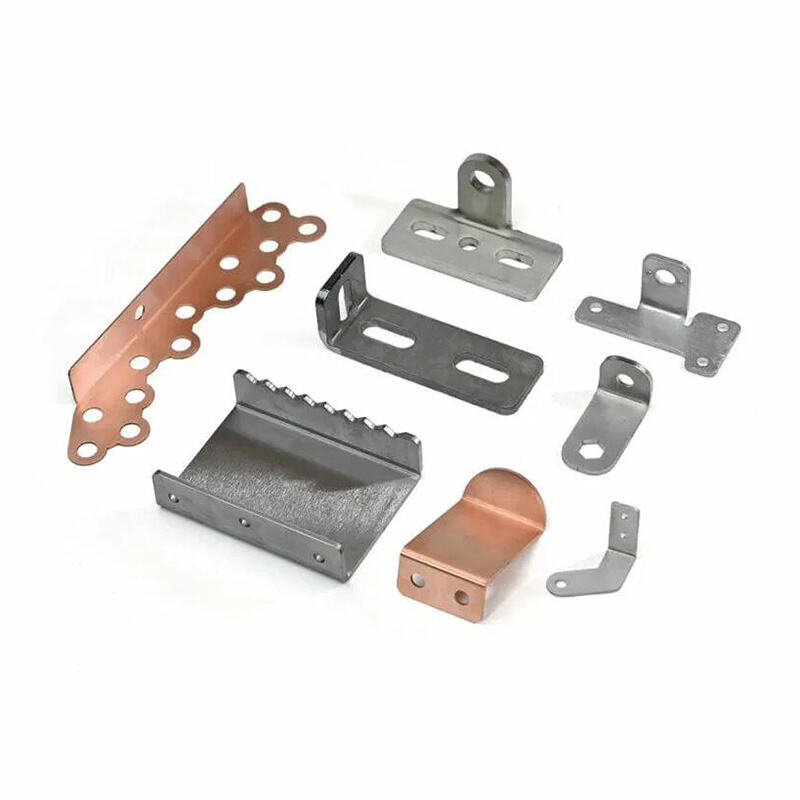
Metal fabrication manufacturing encompasses extensive material knowledge and processing capabilities that address diverse industry requirements across multiple sectors. Material selection expertise guides customers through complex decisions involving mechanical properties, corrosion resistance, temperature limitations, and cost considerations. Carbon steel options range from mild steel for general applications to high-strength low-alloy grades for structural components requiring enhanced performance characteristics. Stainless steel varieties include austenitic, ferritic, and martensitic grades, each offering unique combinations of corrosion resistance, strength, and formability suitable for food processing, chemical handling, and architectural applications. Aluminum alloys provide excellent strength-to-weight ratios for aerospace, automotive, and marine applications where weight reduction translates into improved fuel efficiency and performance. Copper and brass materials serve electrical and decorative applications requiring superior conductivity and aesthetic appeal. Exotic alloys including titanium, Inconel, and Hastelloy address extreme service conditions in aerospace, chemical processing, and energy generation industries. Processing versatility enables fabrication of structural frameworks, pressure vessels, heat exchangers, machinery components, architectural features, and consumer products. Welding expertise covers multiple processes including MIG, TIG, stick, and submerged arc techniques, ensuring optimal joint properties for each application. Forming capabilities encompass roll bending, press brake operations, stamping, and spinning processes that create complex shapes without compromising material integrity. Surface treatment options including sandblasting, chemical etching, and mechanical finishing prepare surfaces for coating applications or provide desired texture characteristics. This comprehensive material and processing knowledge enables metal fabrication manufacturing to serve as a single-source solution for complex projects requiring multiple materials and manufacturing processes.
Customization Flexibility and Rapid Prototyping Capabilities

Customization Flexibility and Rapid Prototyping Capabilities

Metal fabrication manufacturing excels in providing customization solutions that address unique customer requirements without the constraints and costs associated with traditional manufacturing methods. Design flexibility allows engineers to incorporate customer feedback and design modifications throughout the development process, accommodating evolving specifications and performance requirements. Rapid prototyping capabilities enable quick fabrication of functional prototypes for testing, validation, and market evaluation purposes. Single-piece production runs provide cost-effective solutions for specialized equipment, replacement parts, and low-volume applications where traditional manufacturing methods prove economically unfeasible. Custom tooling and fixture development support specialized assembly processes and ensure consistent results across production runs. Engineering collaboration services assist customers in optimizing designs for manufacturability while maintaining functionality and aesthetic requirements. Value engineering initiatives identify cost reduction opportunities through material substitution, process optimization, and design simplification without compromising performance objectives. Modular design approaches enable future modifications and upgrades without complete system redesign, extending product life cycles and protecting customer investments. Quick-turn capabilities support urgent project requirements and emergency repair situations where standard lead times cannot accommodate critical deadlines. Batch size flexibility accommodates varying production volumes from single units to hundreds of pieces without significant setup cost penalties. Custom finishing specifications including unique colors, textures, and protective coatings create distinctive products that meet specific environmental and aesthetic requirements. Assembly services combine fabricated components with purchased hardware, creating complete systems ready for installation and operation. Documentation and certification support ensure compliance with industry standards and customer quality requirements. This customization flexibility positions metal fabrication manufacturing as an ideal partner for companies requiring tailored solutions that cannot be satisfied through standard catalog products or mass production techniques.

Get a Free Quote

Our engineers will provide you with a professional reply.
Your Name
Mobile
Email Address
WhatsApp
Subject
Attachment
Upload drawings or 3D model to see instant pricing, lead time and DFM feedback.
Up to 3 files,more 30mb,support jpg、jpeg、png、pdf、doc、docx、xls、xlsx、csv、txt、stp、step、igs、x_t、dxf、prt、sldprt、sat、rar、zip
Message
0/1000