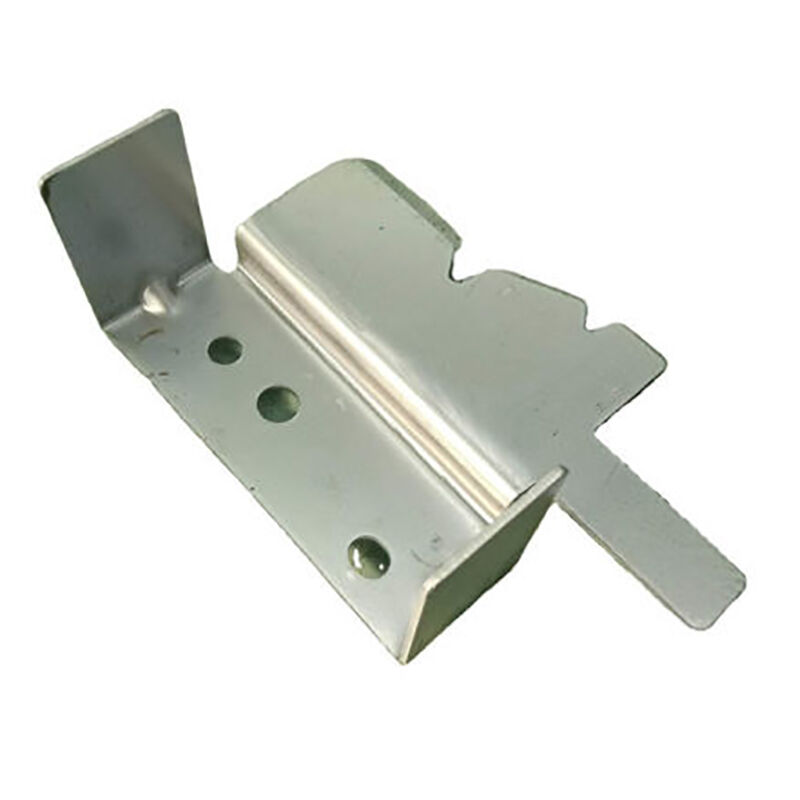
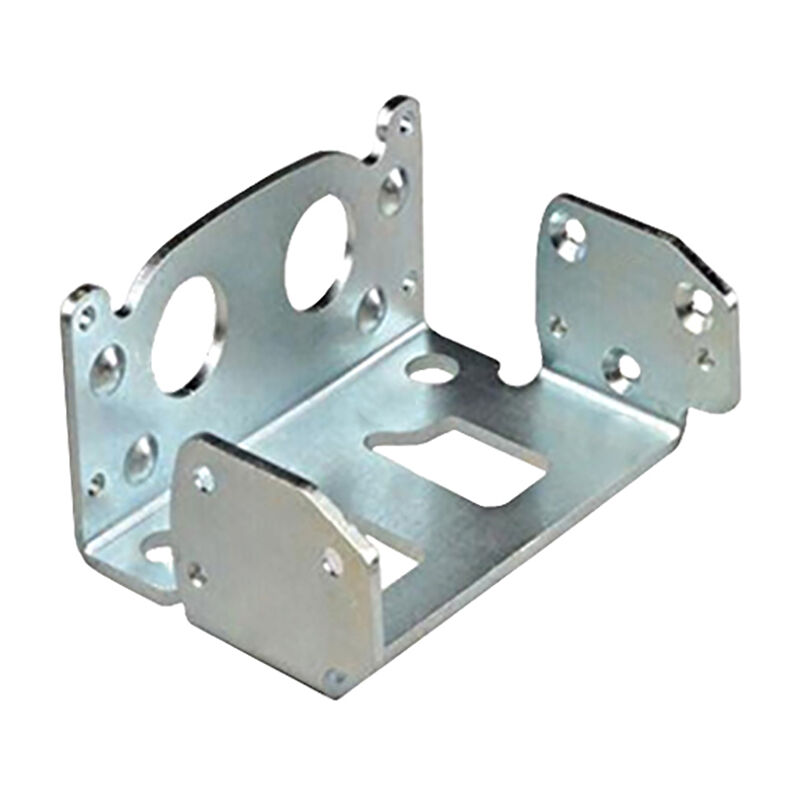
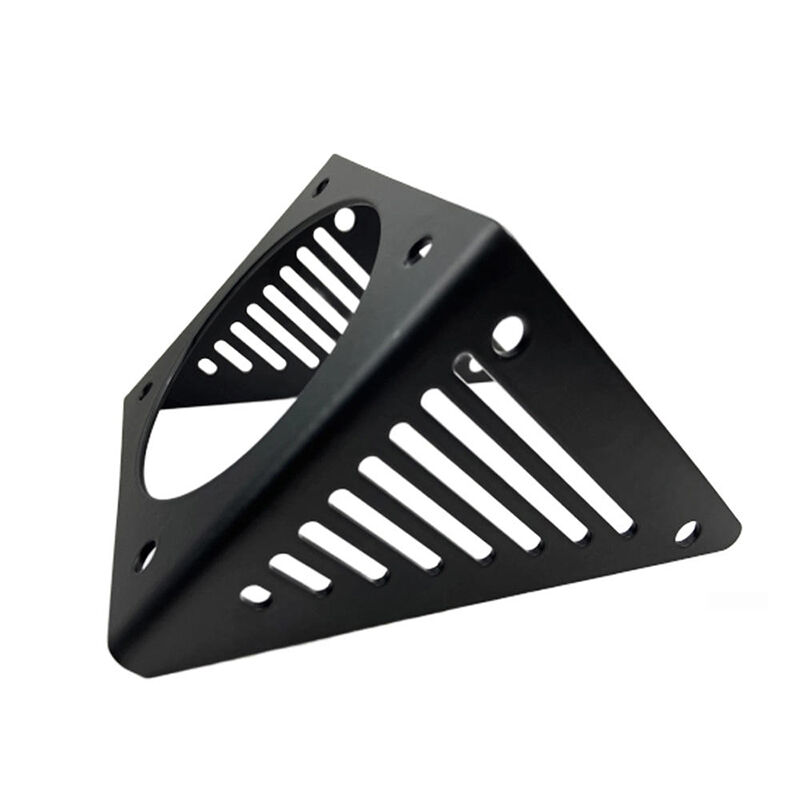
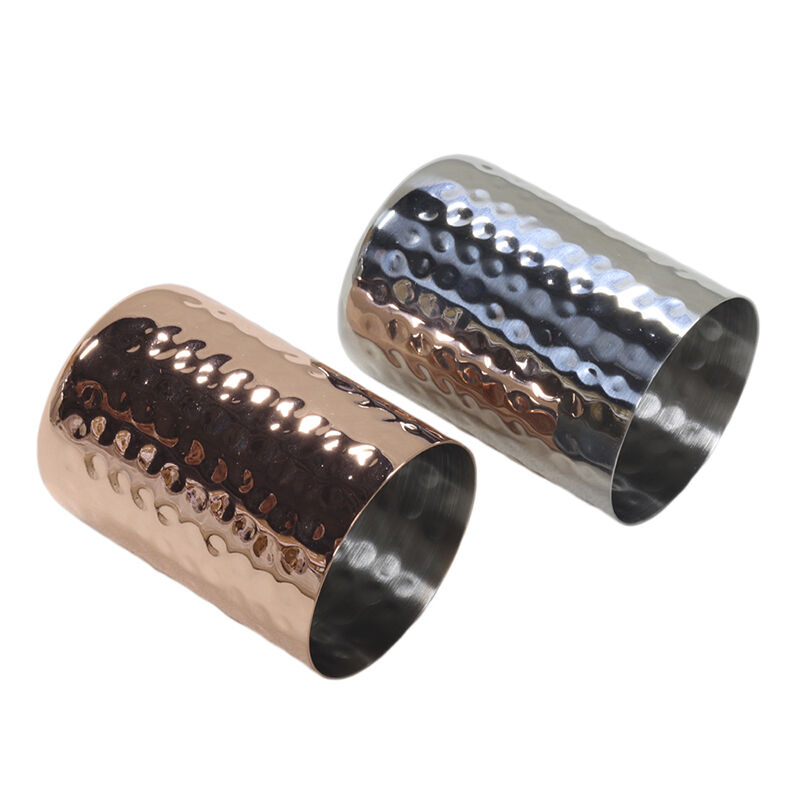
Professional Architectural Metal Fabrication Services - Custom Design & Manufacturing Solutions

Get a Free Quote

Our engineers will provide you with a professional reply.
Your Name
Mobile
Email Address
WhatsApp
Subject
Attachment
Upload drawings or 3D model to see instant pricing, lead time and DFM feedback.
Up to 3 files,more 30mb,support jpg、jpeg、png、pdf、doc、docx、xls、xlsx、csv、txt、stp、step、igs、x_t、dxf、prt、sldprt、sat、rar、zip
Message
0/1000

architectural metal fabrication

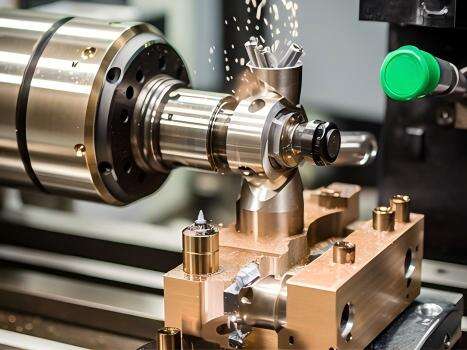
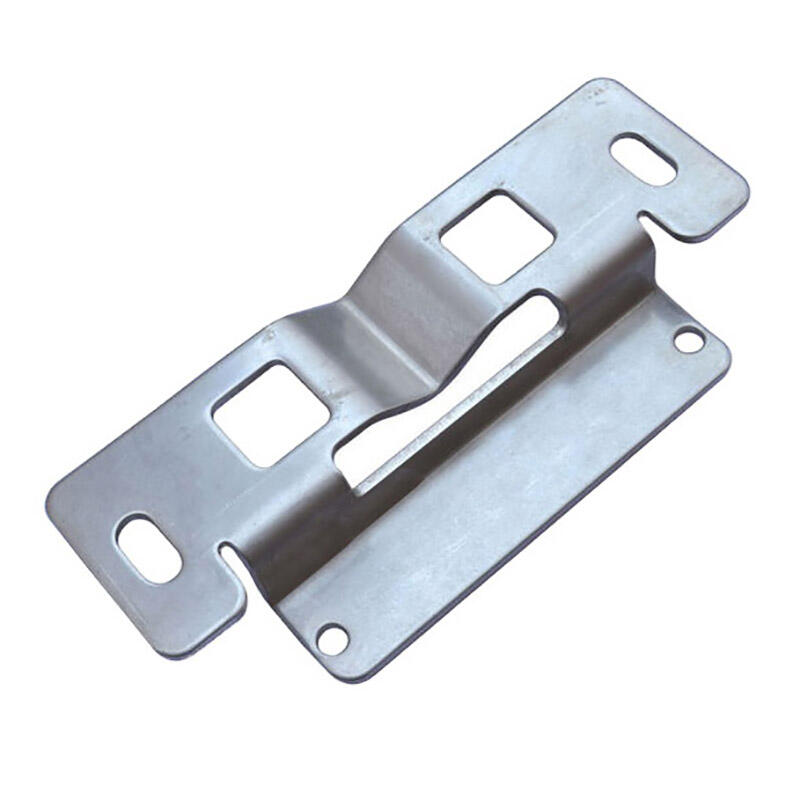
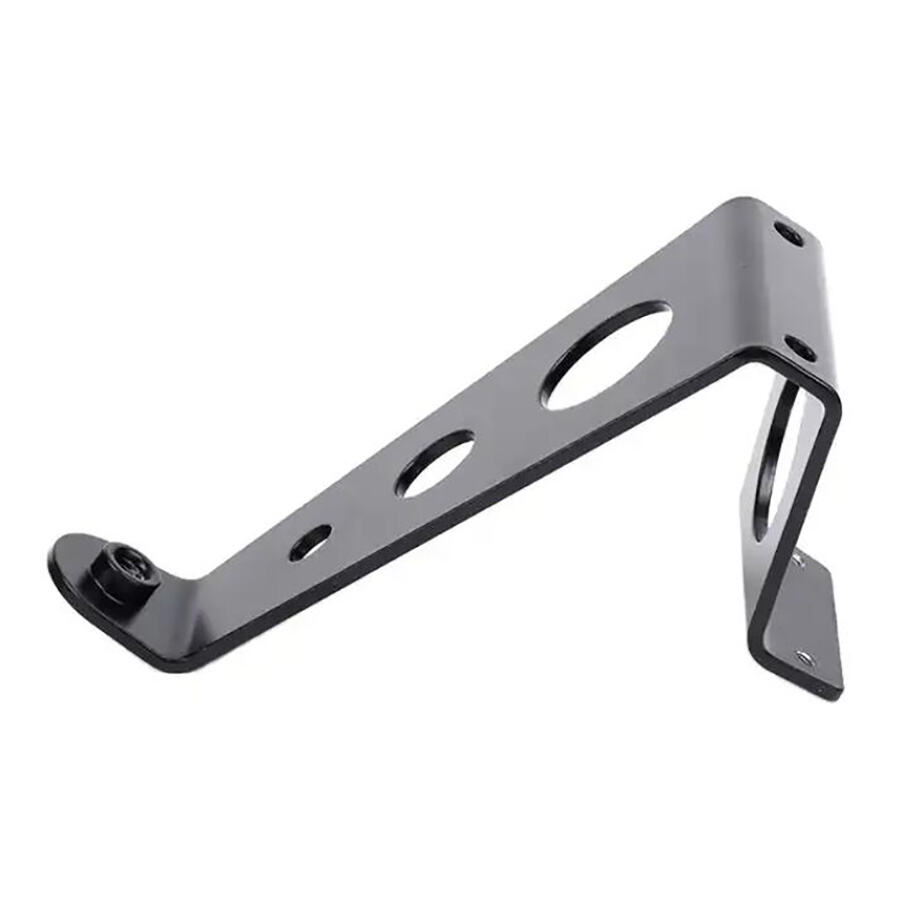
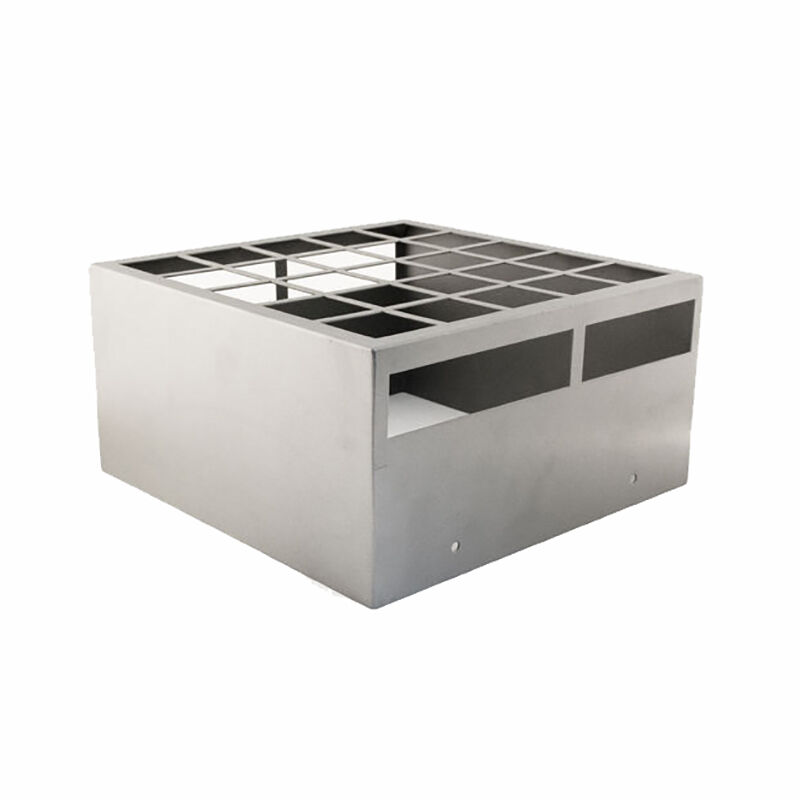
Architectural metal fabrication represents a specialized manufacturing process that transforms raw metal materials into custom-designed structural and decorative components for buildings and construction projects. This sophisticated craft combines traditional metalworking techniques with cutting-edge technology to create everything from ornate facades and railings to complex structural frameworks and artistic installations. The primary functions of architectural metal fabrication encompass structural support, aesthetic enhancement, weather protection, and functional integration within building systems. Modern fabrication shops utilize advanced computer-aided design software, precision cutting equipment, and automated welding systems to ensure accuracy and consistency in every project. The technological features of contemporary architectural metal fabrication include CNC machining capabilities, laser cutting precision, robotic welding systems, and powder coating applications that provide superior durability and finish quality. These processes enable fabricators to work with various metals including steel, aluminum, stainless steel, bronze, and specialty alloys, each chosen for specific properties such as strength, corrosion resistance, or aesthetic appeal. Applications span across commercial buildings, residential projects, institutional facilities, and public infrastructure, where architectural metal fabrication serves both practical and artistic purposes. From curtain wall systems that define modern skyscrapers to intricate handrails that combine safety with beauty, this field bridges engineering requirements with design vision. The versatility of architectural metal fabrication allows for custom solutions that meet unique project specifications while maintaining structural integrity and compliance with building codes. Professional fabricators work closely with architects, engineers, and contractors to ensure seamless integration of metal components into overall construction timelines and quality standards.

Popular Products

Architectural metal fabrication offers numerous compelling advantages that make it the preferred choice for discerning property owners, architects, and contractors seeking superior building solutions. The durability of fabricated metal components stands as perhaps the most significant benefit, as properly engineered and finished metalwork can withstand decades of exposure to harsh weather conditions, structural loads, and everyday wear without compromising performance or appearance. This exceptional longevity translates directly into cost savings over time, as building owners avoid frequent repairs, replacements, and maintenance expenses associated with inferior materials. The design flexibility inherent in architectural metal fabrication allows creative professionals to realize virtually any vision, from sleek contemporary aesthetics to intricate traditional patterns, ensuring that each project achieves its unique architectural goals. Advanced fabrication techniques enable the creation of complex geometries, precise tolerances, and seamless joints that would be impossible with other construction methods. Safety benefits emerge from the inherent strength and fire resistance of metal components, providing occupants with enhanced protection while meeting stringent building codes and insurance requirements. The speed of installation represents another crucial advantage, as prefabricated metal components arrive at construction sites ready for immediate assembly, reducing project timelines and labor costs significantly. Environmental sustainability becomes increasingly important, and architectural metal fabrication supports green building initiatives through the use of recyclable materials, energy-efficient manufacturing processes, and long-lasting components that reduce waste over building lifecycles. Quality control throughout the fabrication process ensures consistent results, with shop-based manufacturing environments providing optimal conditions for precision work, weather protection during production, and thorough testing before delivery. The professional appearance of expertly fabricated metalwork enhances property values and creates lasting impressions on visitors, tenants, and potential buyers. Maintenance requirements remain minimal compared to other building materials, typically requiring only periodic cleaning and inspection to maintain peak performance and appearance for years to come.

Practical Tips

Custom Metal Fabrication for Agricultural Machinery

18

Aug

Custom Metal Fabrication for Agricultural Machinery

Project Overview Date: June 2024 - September 2024Industry: Agricultural MachineryClient: Jan TheilierLocation: Germany   Project Description We were approached by a leading agricultural machinery manufacturer to develop a series of custom m...
View More

Get a Free Quote

Our engineers will provide you with a professional reply.
Your Name
Mobile
Email Address
WhatsApp
Subject
Attachment
Upload drawings or 3D model to see instant pricing, lead time and DFM feedback.
Up to 3 files,more 30mb,suppor jpg、jpeg、png、pdf、doc、docx、xls、xlsx、csv、txt
Message
0/1000

architectural metal fabrication

Precision Engineering and Customization Excellence

Precision Engineering and Customization Excellence

The hallmark of professional architectural metal fabrication lies in its unparalleled precision engineering capabilities and ability to deliver completely customized solutions tailored to specific project requirements. Modern fabrication facilities leverage state-of-the-art computer numerical control machinery, advanced CAD software, and laser measurement systems to achieve tolerances measured in thousandths of inches, ensuring perfect fit and finish for even the most complex architectural elements. This precision extends beyond mere dimensional accuracy to encompass sophisticated joint designs, seamless connections, and flawless surface finishes that elevate the overall quality of construction projects. The customization process begins with detailed collaboration between fabricators, architects, and engineers to translate design concepts into manufacturable components while maintaining structural integrity and aesthetic vision. Advanced 3D modeling software allows clients to visualize proposed metalwork before fabrication begins, enabling refinements and modifications that optimize both appearance and performance. The ability to work with diverse metal types, thicknesses, and finishes means that each project can specify materials perfectly suited to environmental conditions, load requirements, and design preferences. Specialized techniques such as hydroforming, roll forming, and precision welding enable the creation of complex curves, intricate patterns, and innovative structural solutions that push the boundaries of traditional construction methods. Quality assurance protocols throughout the fabrication process include material certification, dimensional inspection, weld testing, and finish evaluation to guarantee that every component meets or exceeds project specifications. This attention to detail and commitment to customization ensures that architectural metal fabrication delivers unique solutions that cannot be replicated through standard manufacturing processes, providing clients with distinctive architectural features that enhance both functionality and visual impact while maintaining the highest standards of craftsmanship and engineering excellence.
Superior Durability and Long-Term Value Investment

Superior Durability and Long-Term Value Investment

Architectural metal fabrication delivers exceptional long-term value through superior durability characteristics that significantly outperform alternative construction materials in both longevity and lifecycle cost effectiveness. The inherent properties of properly fabricated and finished metal components provide resistance to environmental factors including moisture, temperature fluctuations, ultraviolet radiation, and chemical exposure that typically degrade other building materials over time. Advanced surface treatment processes such as hot-dip galvanizing, powder coating, and anodizing create protective barriers that extend component lifecycles well beyond typical building warranties, often lasting several decades with minimal maintenance requirements. This durability translates into substantial cost savings for property owners who avoid the recurring expenses associated with replacement, repair, and ongoing maintenance of inferior materials. The structural integrity of fabricated metal components remains consistent throughout their service life, maintaining load-bearing capabilities and safety margins even under extreme weather conditions or seismic events. Corrosion resistance technologies integrated into modern fabrication processes ensure that metalwork maintains its appearance and performance characteristics in challenging environments including coastal areas with salt exposure, industrial settings with chemical pollutants, and urban environments with air quality concerns. The fire resistance properties of metal components provide additional safety benefits while potentially reducing insurance premiums and meeting stringent building code requirements for commercial and institutional projects. Investment value extends beyond mere cost savings to encompass enhanced property values, improved tenant satisfaction, and positive impacts on building marketability that result from high-quality architectural metalwork. The recyclability of metal materials supports sustainable building practices and provides residual value at the end of component lifecycles, contributing to green building certifications and environmental stewardship goals. Professional fabrication techniques ensure that welded joints, mechanical connections, and protective finishes maintain their integrity over time, preventing the gradual degradation that compromises both safety and aesthetics in lower-quality alternatives, making architectural metal fabrication a smart long-term investment for any construction project.
Versatile Applications and Design Innovation Solutions

Versatile Applications and Design Innovation Solutions

The remarkable versatility of architectural metal fabrication enables innovative design solutions across an extensive range of applications, from structural frameworks and building envelopes to decorative elements and functional components that define modern construction excellence. This adaptability stems from the diverse properties of various metals and alloys, each offering unique combinations of strength, flexibility, corrosion resistance, and aesthetic appeal that can be optimized for specific project requirements. Structural applications include complex truss systems, moment frames, and load-bearing assemblies that provide the backbone for ambitious architectural projects while maintaining the precise tolerances required for seamless integration with other building systems. Envelope solutions encompass curtain walls, cladding systems, and weatherproofing components that protect building interiors while creating striking visual statements that define architectural character and brand identity. Decorative applications showcase the artistic potential of metal fabrication through ornamental screens, sculptural elements, custom signage, and artistic installations that transform functional buildings into memorable landmarks. Functional components such as stairs, handrails, security barriers, and access control systems demonstrate how fabricated metalwork seamlessly combines safety requirements with aesthetic considerations to create solutions that enhance both user experience and visual appeal. The integration capabilities of architectural metal fabrication allow for sophisticated mechanical systems, lighting integration, and technology infrastructure to be seamlessly incorporated into metal components, creating smart building solutions that adapt to evolving technological requirements. Innovation in fabrication techniques continues to expand the possibilities for creative expression, with advanced forming methods, joining technologies, and finishing processes enabling designers to achieve previously impossible geometries and surface effects. The scalability of fabrication processes accommodates projects ranging from intimate residential details to massive commercial installations, ensuring that quality and precision remain consistent regardless of project size or complexity. This versatility extends to renovation and restoration projects where architectural metal fabrication provides modern solutions that respect historical character while meeting contemporary performance standards, making it an essential tool for architects and builders seeking to balance innovation with tradition in their design solutions.

Get a Free Quote

Our engineers will provide you with a professional reply.
Your Name
Mobile
Email Address
WhatsApp
Subject
Attachment
Upload drawings or 3D model to see instant pricing, lead time and DFM feedback.
Up to 3 files,more 30mb,support jpg、jpeg、png、pdf、doc、docx、xls、xlsx、csv、txt、stp、step、igs、x_t、dxf、prt、sldprt、sat、rar、zip
Message
0/1000