Precision Metal Stamping Parts: Advanced Manufacturing Solutions for Superior Quality and Cost Efficiency

Get a Free Quote

Our engineers will provide you with a professional reply.
Your Name
Mobile
Email Address
WhatsApp
Subject
Attachment
Upload drawings or 3D model to see instant pricing, lead time and DFM feedback.
Up to 3 files,more 30mb,support jpg、jpeg、png、pdf、doc、docx、xls、xlsx、csv、txt、stp、step、igs、x_t、dxf、prt、sldprt、sat、rar、zip
Message
0/1000

precision metal stamping parts

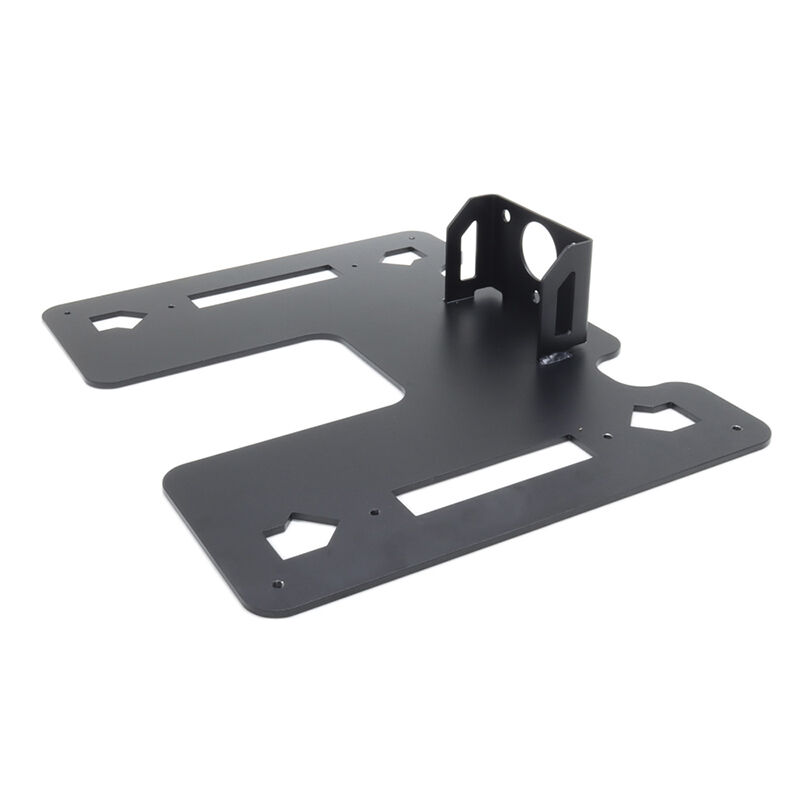
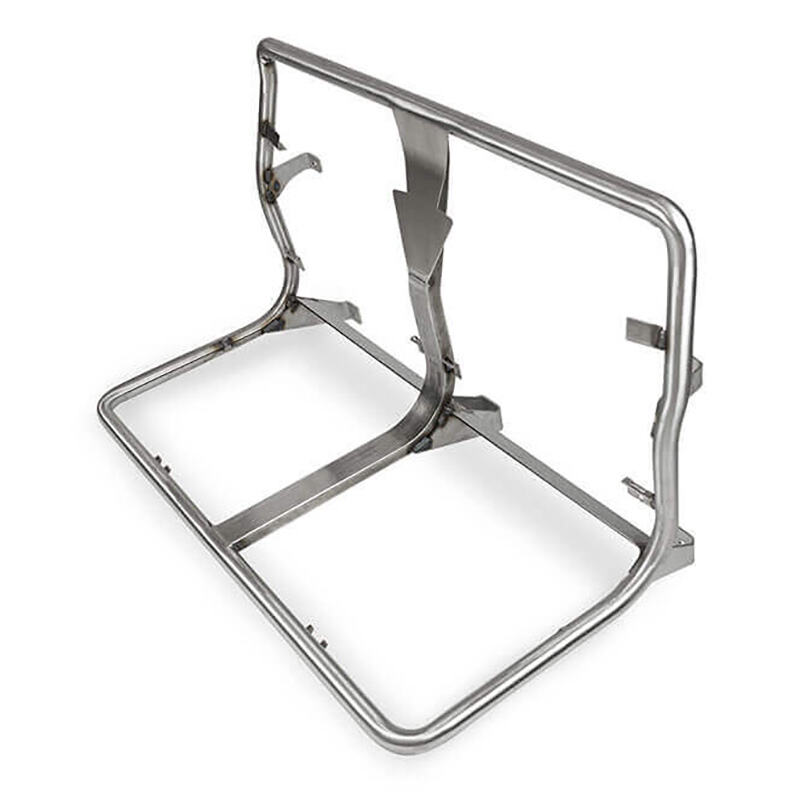
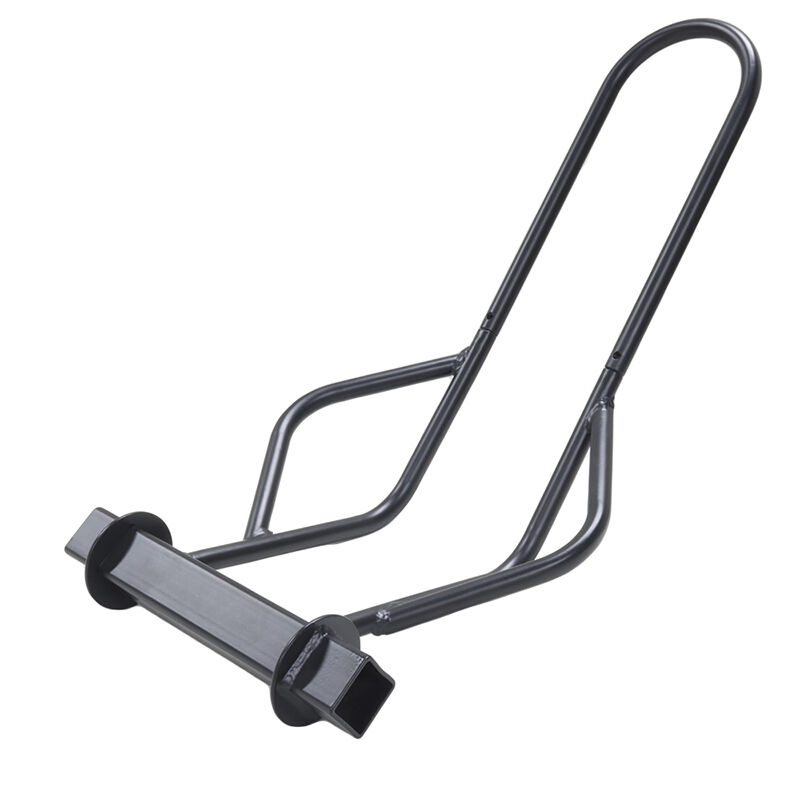
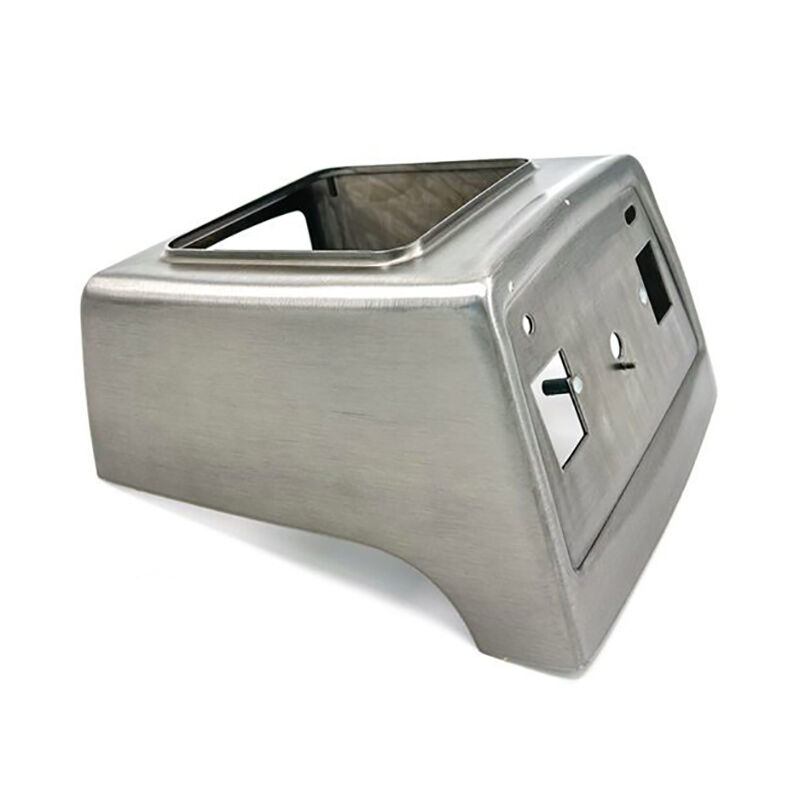
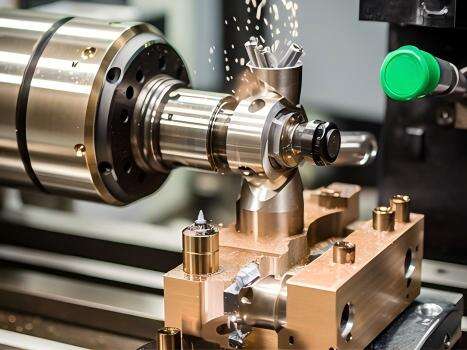
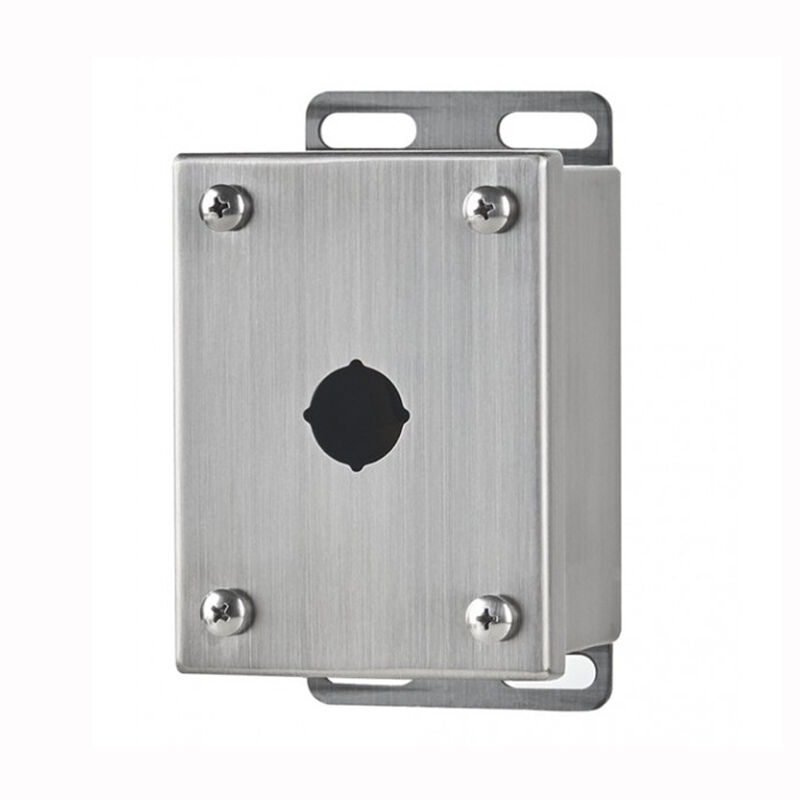
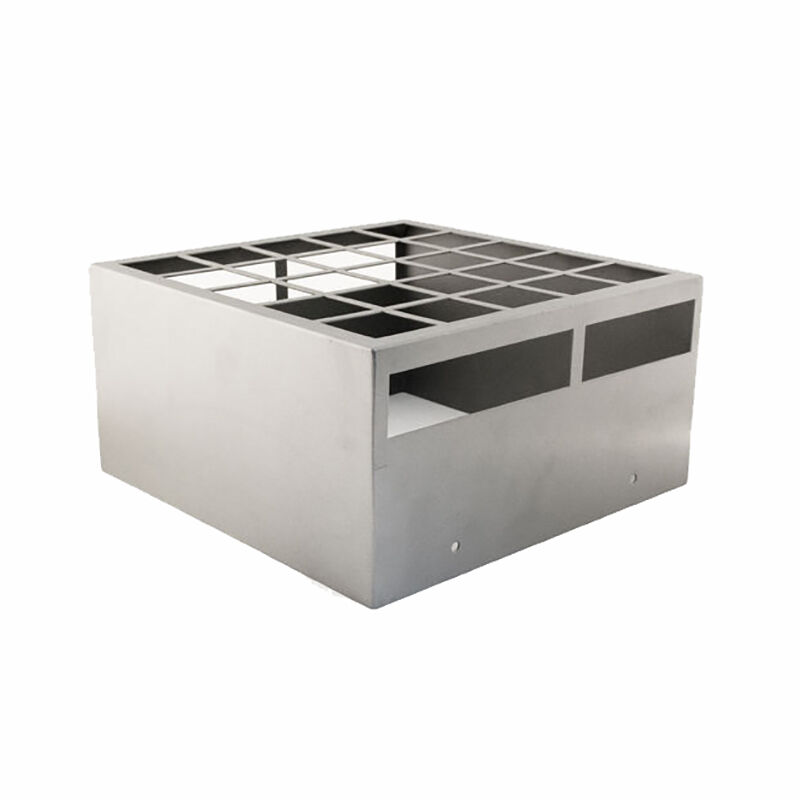
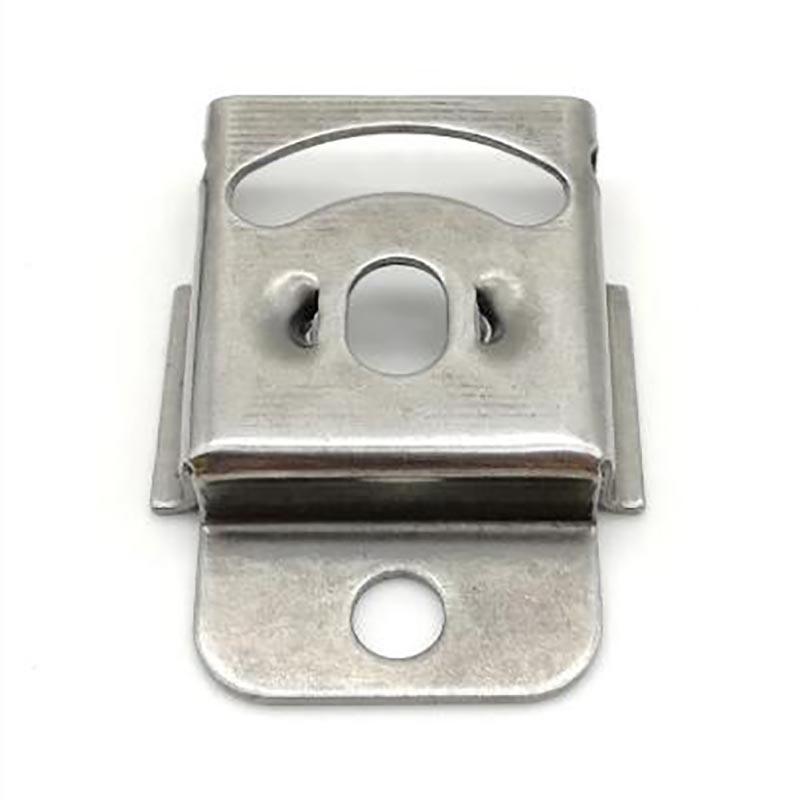
Precision metal stamping parts represent a cornerstone of modern manufacturing technology, serving as critical components across numerous industries worldwide. These specialized parts are created through sophisticated metal forming processes that transform flat sheet metal into complex three-dimensional shapes with exceptional accuracy and consistency. The precision metal stamping process involves the use of high-tonnage presses equipped with custom-designed dies and tooling to cut, bend, emboss, and form metal materials into precise specifications. This manufacturing method excels at producing components with tight tolerances, typically ranging from ±0.001 to ±0.005 inches, making it indispensable for applications requiring exact dimensional control. The technological features of precision metal stamping parts include advanced computer-aided design integration, progressive die systems, and multi-stage forming capabilities that enable the creation of intricate geometries in a single operation. These parts demonstrate superior surface finishes, consistent wall thickness, and excellent material utilization rates, often achieving scrap reduction of up to 95 percent compared to traditional machining methods. The versatility of precision metal stamping allows for processing various materials including stainless steel, aluminum, brass, copper, and specialized alloys, with thicknesses ranging from 0.005 inches to several inches depending on application requirements. Key applications span across automotive components such as brackets, clips, and structural elements, electronic housings for consumer devices, medical device components requiring biocompatibility, aerospace parts demanding lightweight yet durable characteristics, and industrial equipment components. The precision metal stamping process also incorporates secondary operations including tapping, reaming, and assembly processes, enabling complete part finishing within a single manufacturing facility, thereby reducing lead times and ensuring quality control throughout the entire production cycle.

Popular Products

Precision metal stamping parts offer substantial cost-effectiveness benefits that directly impact your bottom line through reduced material waste and streamlined production processes. Unlike traditional machining methods that remove material to create shapes, precision metal stamping transforms existing material into desired forms, resulting in material utilization rates exceeding 90 percent in most applications. This efficiency translates to significant cost savings, especially when producing large quantities where every penny of material cost matters. The speed advantage of precision metal stamping parts cannot be overstated, with modern high-speed presses capable of producing thousands of parts per hour, dramatically reducing per-unit production time compared to alternative manufacturing methods. This rapid production capability enables manufacturers to meet tight delivery schedules and respond quickly to market demands while maintaining consistent quality standards. Quality consistency represents another major advantage, as precision metal stamping parts exhibit uniform characteristics across entire production runs due to the controlled nature of the stamping process. Each part produced using the same tooling maintains identical dimensions, surface finish, and mechanical properties, eliminating the variability often associated with manual manufacturing processes. The dimensional accuracy achievable with precision metal stamping parts surpasses many other manufacturing methods, with tolerances routinely held to within thousandths of an inch. This level of precision reduces or eliminates the need for secondary machining operations, further reducing costs and production time. Durability benefits stem from the cold-working nature of the stamping process, which actually strengthens the metal through work hardening, resulting in parts that often exceed the strength of the original base material. Design flexibility allows engineers to incorporate complex features such as ribs, bosses, mounting holes, and intricate contours directly into precision metal stamping parts during the forming process. This capability enables consolidation of multiple components into single stamped parts, reducing assembly time, potential failure points, and overall system complexity. Environmental advantages include reduced energy consumption compared to machining processes, minimal waste generation, and the ability to use recycled materials effectively. The scalability of precision metal stamping parts production allows for economical manufacturing whether producing hundreds or millions of components, making it suitable for both prototype development and full-scale production requirements.

Tips And Tricks

Custom Metal Fabrication for Agricultural Machinery

18

Aug

Custom Metal Fabrication for Agricultural Machinery

Project Overview Date: June 2024 - September 2024Industry: Agricultural MachineryClient: Jan TheilierLocation: Germany   Project Description We were approached by a leading agricultural machinery manufacturer to develop a series of custom m...
View More

Get a Free Quote

Our engineers will provide you with a professional reply.
Your Name
Mobile
Email Address
WhatsApp
Subject
Attachment
Upload drawings or 3D model to see instant pricing, lead time and DFM feedback.
Up to 3 files,more 30mb,suppor jpg、jpeg、png、pdf、doc、docx、xls、xlsx、csv、txt
Message
0/1000

precision metal stamping parts

Unmatched Dimensional Accuracy and Consistency

Unmatched Dimensional Accuracy and Consistency

The dimensional accuracy capabilities of precision metal stamping parts set the gold standard in manufacturing excellence, delivering tolerances that consistently meet the most demanding engineering specifications across diverse industries. This exceptional precision stems from the sophisticated tooling and die systems employed in the stamping process, where computer-controlled machinery ensures that every part produced maintains identical dimensions within extremely tight tolerance bands. The precision metal stamping process achieves repeatability levels that surpass traditional manufacturing methods, with standard tolerances ranging from ±0.002 to ±0.005 inches on critical dimensions, and specialized applications achieving even tighter controls when required. This level of accuracy directly translates into superior product performance, as components fit together perfectly without gaps, interference, or alignment issues that could compromise functionality or durability. The consistency advantage becomes particularly valuable in assembly operations where multiple precision metal stamping parts must work together seamlessly, eliminating the need for time-consuming adjustments or modifications during production. Quality control systems integrated into modern precision metal stamping operations include real-time monitoring of critical dimensions, automated inspection systems, and statistical process control methodologies that ensure every part meets specifications before leaving the production line. This proactive approach to quality management reduces downstream costs associated with rework, warranty claims, and customer dissatisfaction while building long-term brand reputation for reliability. The dimensional stability of precision metal stamping parts remains consistent throughout the component's service life, as the cold-forming process creates uniform grain structures that resist deformation under normal operating conditions. This stability proves crucial in applications where dimensional changes could affect performance, safety, or regulatory compliance requirements. Advanced measurement technologies employed in precision metal stamping facilities include coordinate measuring machines, optical comparators, and laser scanning systems that provide comprehensive dimensional verification capabilities. The economic impact of this dimensional accuracy extends beyond immediate cost savings to include reduced assembly time, elimination of selective fitting processes, and improved overall equipment effectiveness in customer applications.
Superior Material Utilization and Cost Efficiency

Superior Material Utilization and Cost Efficiency

The material utilization efficiency of precision metal stamping parts represents a revolutionary approach to manufacturing economics, delivering substantial cost advantages through intelligent material usage and waste minimization strategies. Unlike subtractive manufacturing processes that remove material to create desired shapes, precision metal stamping transforms existing material through controlled deformation, achieving material utilization rates that frequently exceed 85 percent and can reach as high as 95 percent in optimally designed applications. This efficiency directly translates into reduced raw material costs, which can represent 40-60 percent of total manufacturing expenses in metal component production. The economic benefits multiply significantly in high-volume production scenarios where even small improvements in material utilization generate substantial cumulative savings over the product lifecycle. Progressive die systems used in precision metal stamping maximize material efficiency by strategically arranging part layouts to minimize scrap generation while maintaining optimal part quality and structural integrity. These sophisticated tooling systems can produce multiple parts simultaneously from a single strip of material, further enhancing productivity and reducing per-unit costs. The speed advantages of precision metal stamping parts production contribute significantly to cost efficiency, with modern high-speed presses capable of producing complex components at rates exceeding 1,000 parts per hour. This production velocity enables manufacturers to achieve lower labor costs per unit while maintaining superior quality standards compared to alternative manufacturing methods. Setup time optimization in precision metal stamping operations has evolved to minimize changeover periods between different part configurations, allowing for economical production of smaller batch quantities without sacrificing the cost advantages traditionally associated with high-volume manufacturing. The tooling longevity in precision metal stamping applications provides additional cost benefits, as properly maintained dies can produce millions of parts before requiring replacement or refurbishment. This durability spreads tooling costs across large production quantities, resulting in minimal per-unit tooling expenses. Secondary operation integration within precision metal stamping processes eliminates the need for separate manufacturing steps, reducing handling costs, inventory requirements, and potential quality issues associated with multiple processing locations. The predictable nature of precision metal stamping processes enables accurate cost estimation and budgeting, providing financial planning advantages that support better business decision-making and competitive pricing strategies.
Exceptional Strength Enhancement Through Cold Working

Exceptional Strength Enhancement Through Cold Working

The strength enhancement characteristics inherent in precision metal stamping parts provide mechanical advantages that often exceed the properties of the original base materials, creating components with superior performance capabilities through the beneficial effects of controlled cold working processes. During the precision metal stamping operation, the metal undergoes plastic deformation at room temperature, which fundamentally alters the material's grain structure and increases its yield strength, tensile strength, and hardness through work hardening mechanisms. This strengthening effect occurs because the deformation process creates dislocations within the metal's crystalline structure, which impede further deformation and increase the material's resistance to applied forces. The degree of strengthening achieved depends on the specific alloy composition, the amount of deformation applied, and the geometry of the formed features, with increases in yield strength commonly ranging from 20 to 50 percent above the original material properties. This strength enhancement proves particularly valuable in structural applications where precision metal stamping parts must withstand significant mechanical loads while maintaining dimensional stability over extended service periods. The work hardening effect distributes uniformly throughout the deformed regions of precision metal stamping parts, creating consistent strength characteristics that enhance reliability and predictability in engineering applications. Unlike heat treatment processes that can create residual stresses or dimensional changes, the cold working inherent in precision metal stamping achieves strength improvements without compromising dimensional accuracy or introducing thermal distortion effects. The fatigue resistance of precision metal stamping parts often improves due to the refined grain structure created during the forming process, resulting in enhanced durability under cyclic loading conditions commonly encountered in automotive, aerospace, and industrial applications. Corrosion resistance can also benefit from the cold working process, as the compressed surface layers created during stamping provide improved barrier properties against environmental attack. The directional properties developed through precision metal stamping enable engineers to optimize part orientation relative to applied loads, maximizing strength characteristics where needed most while maintaining efficiency in material usage. Quality assurance testing of precision metal stamping parts routinely demonstrates mechanical properties that meet or exceed design requirements, providing confidence in component performance throughout the intended service life. The combination of enhanced strength properties with the dimensional accuracy and cost efficiency advantages creates a compelling value proposition for precision metal stamping parts across numerous demanding applications where performance, reliability, and economic considerations all play critical roles in material selection decisions.

Get a Free Quote

Our engineers will provide you with a professional reply.
Your Name
Mobile
Email Address
WhatsApp
Subject
Attachment
Upload drawings or 3D model to see instant pricing, lead time and DFM feedback.
Up to 3 files,more 30mb,support jpg、jpeg、png、pdf、doc、docx、xls、xlsx、csv、txt、stp、step、igs、x_t、dxf、prt、sldprt、sat、rar、zip
Message
0/1000