custom metal stamping parts
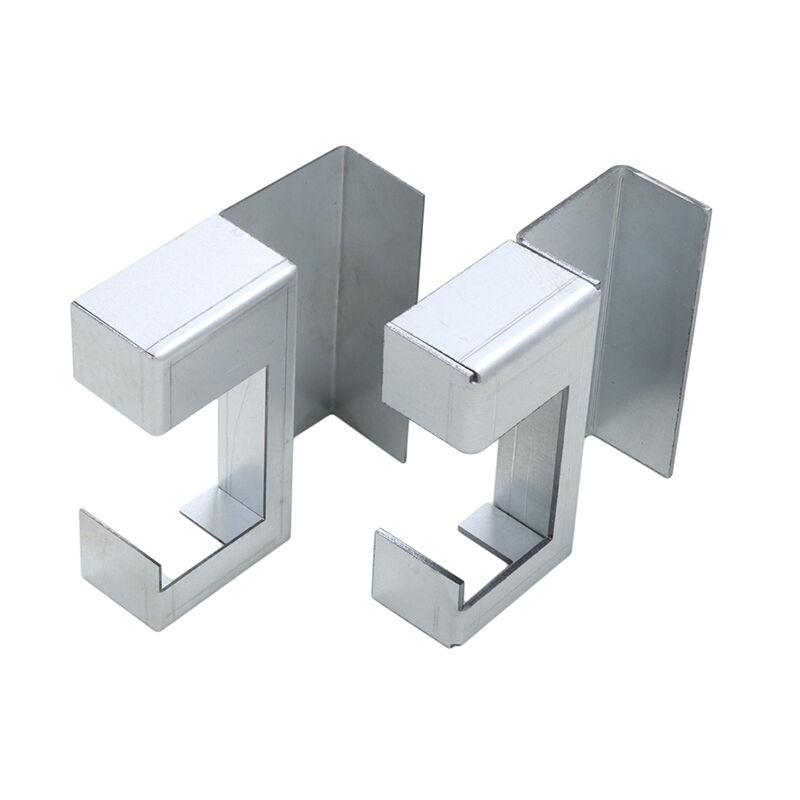
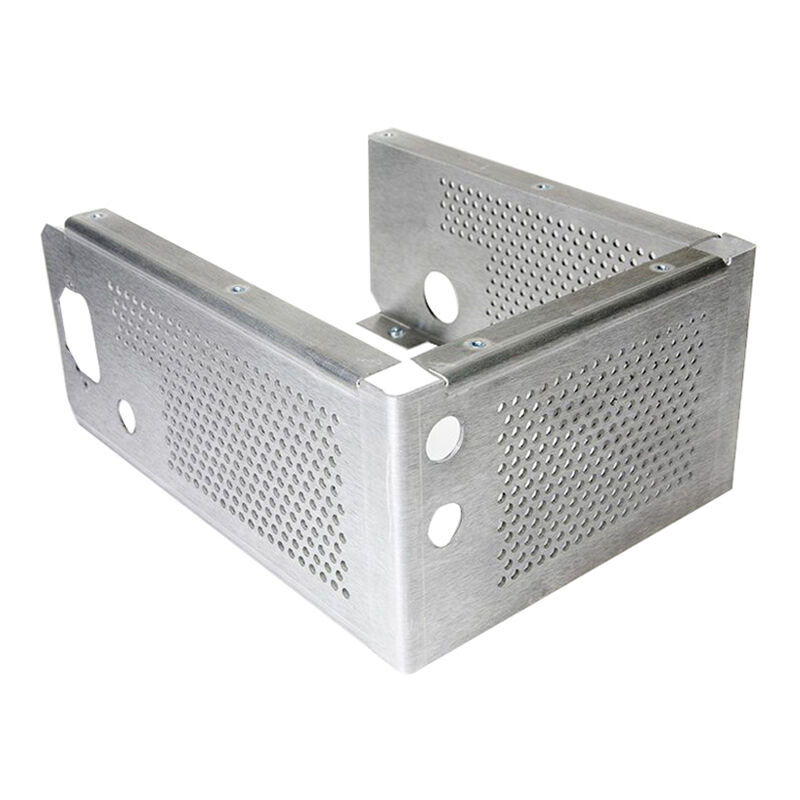
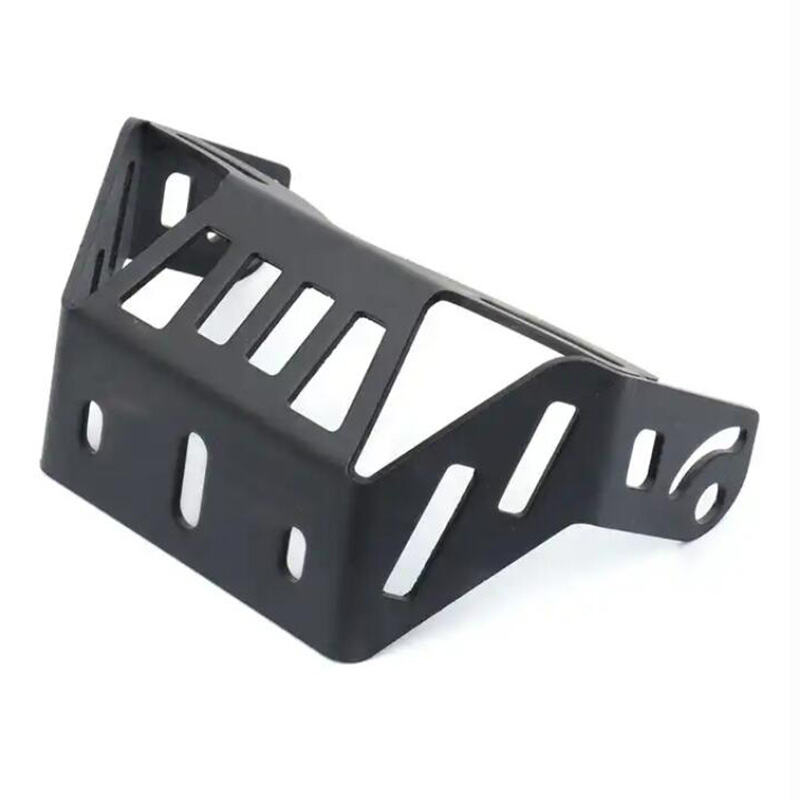
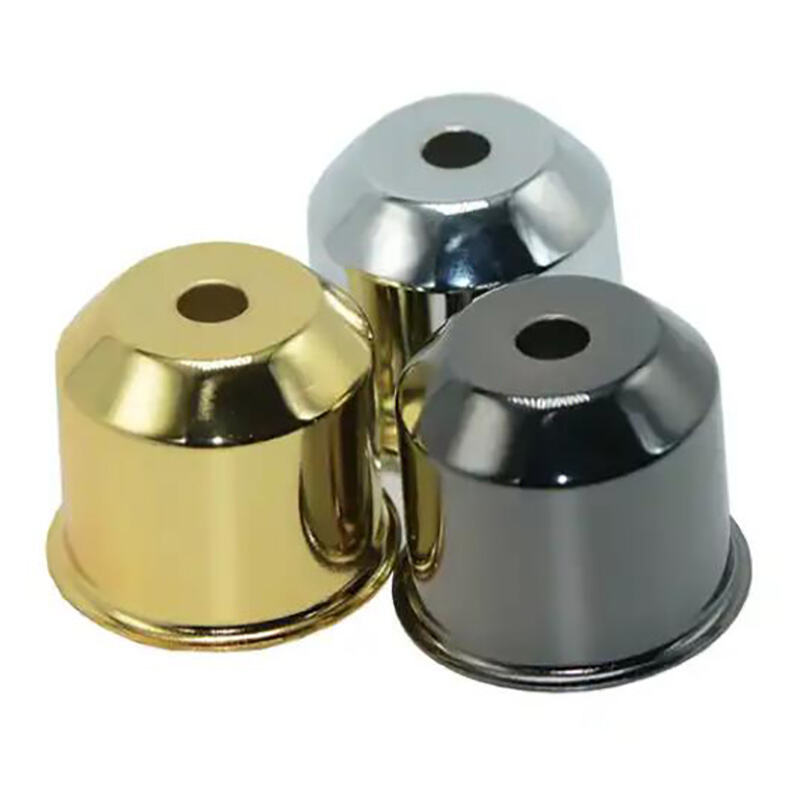
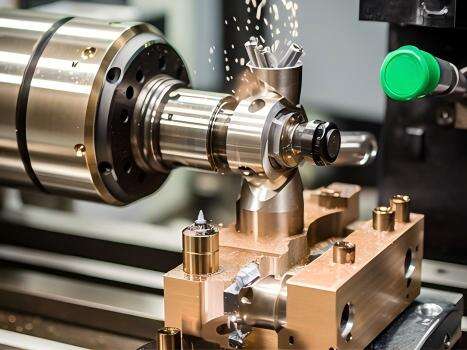
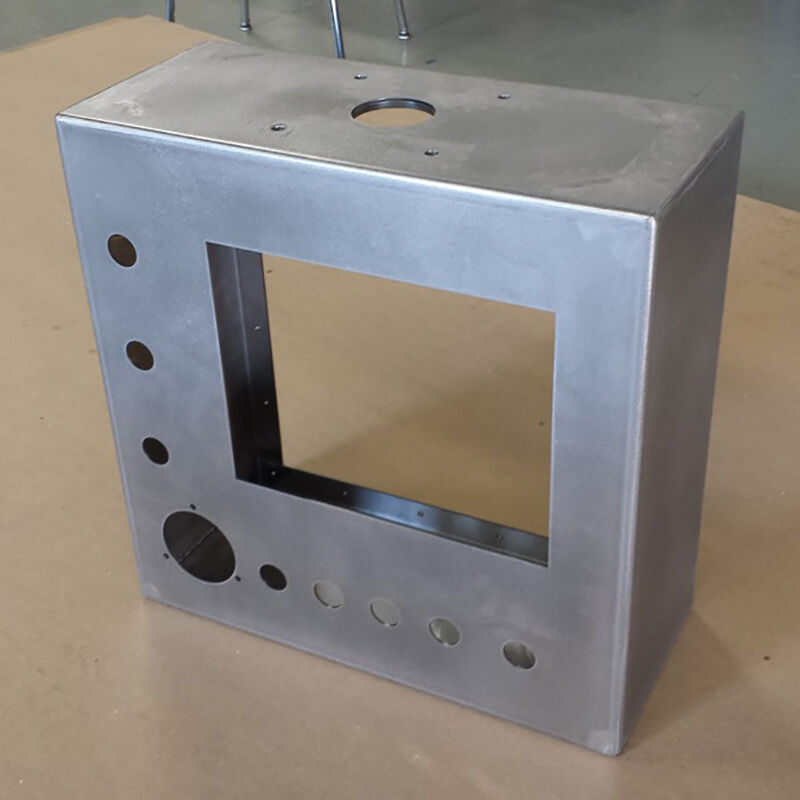
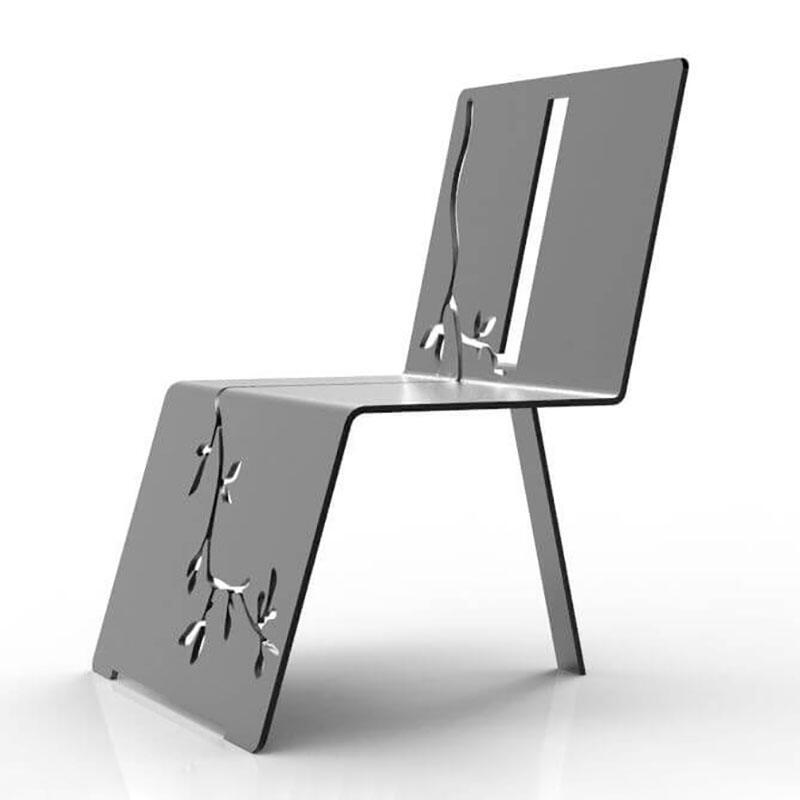
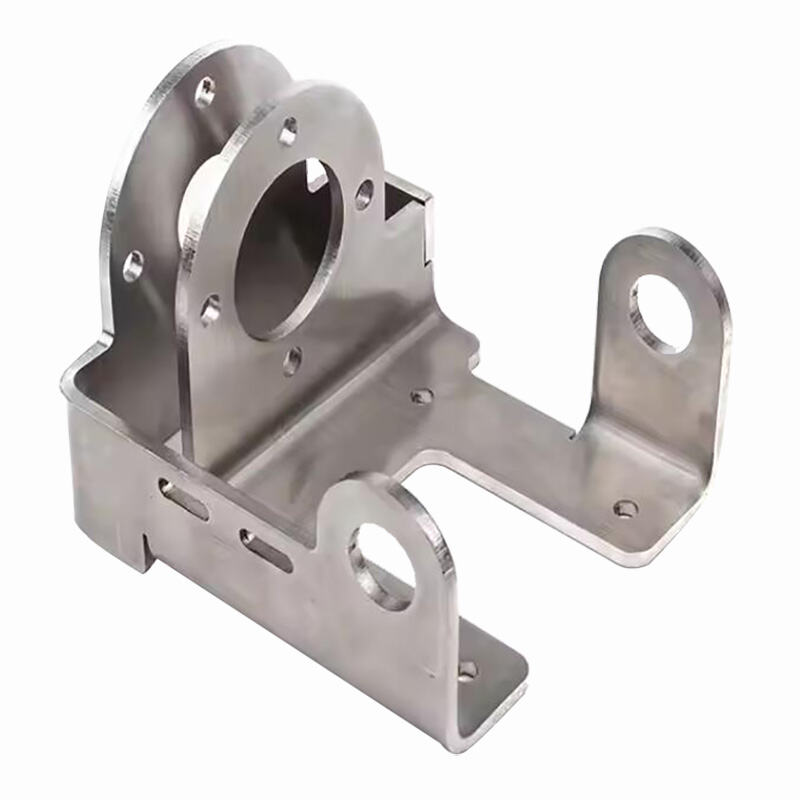
Custom metal stamping parts represent a sophisticated manufacturing solution that transforms flat metal sheets into precisely engineered three-dimensional components through controlled deformation processes. This versatile manufacturing technique utilizes specialized dies and presses to create complex geometries, intricate details, and exact specifications that meet diverse industrial requirements. The core functionality of custom metal stamping parts lies in their ability to deliver consistent, high-volume production while maintaining exceptional dimensional accuracy and surface quality. These components serve as critical building blocks across multiple industries, providing structural integrity, functional performance, and aesthetic appeal in countless applications. The technological foundation of custom metal stamping parts relies on advanced progressive die systems, computer-controlled press operations, and precision tooling engineering. Modern stamping facilities employ sophisticated CAD/CAM software to optimize die design, material utilization, and production efficiency. The process begins with detailed engineering analysis, where material properties, thickness tolerances, and geometric constraints are carefully evaluated to ensure optimal manufacturability. Quality control systems integrate real-time monitoring, statistical process control, and comprehensive inspection protocols to maintain consistent part quality throughout production runs. Custom metal stamping parts find extensive applications across automotive manufacturing, where they form body panels, brackets, and structural components that require precise fitment and durability. Electronics industries rely on these components for enclosures, heat sinks, and connector housings that demand excellent electrical properties and dimensional stability. Aerospace applications utilize custom metal stamping parts for lightweight structural elements, control surfaces, and precision mounting hardware that must withstand extreme environmental conditions. Medical device manufacturing depends on these components for surgical instruments, implant components, and diagnostic equipment that require biocompatibility and exceptional precision. The material versatility of custom metal stamping parts encompasses steel, aluminum, copper, brass, and specialized alloys, each selected based on specific performance requirements including strength, corrosion resistance, conductivity, and weight considerations.
 EN
EN