Professional Sheet Metal Stamping Parts Supplier - Precision Manufacturing Solutions

Get a Free Quote

Our engineers will provide you with a professional reply.
Your Name
Mobile
Email Address
WhatsApp
Subject
Attachment
Upload drawings or 3D model to see instant pricing, lead time and DFM feedback.
Up to 3 files,more 30mb,support jpg、jpeg、png、pdf、doc、docx、xls、xlsx、csv、txt、stp、step、igs、x_t、dxf、prt、sldprt、sat、rar、zip
Message
0/1000

sheet metal stamping parts supplier

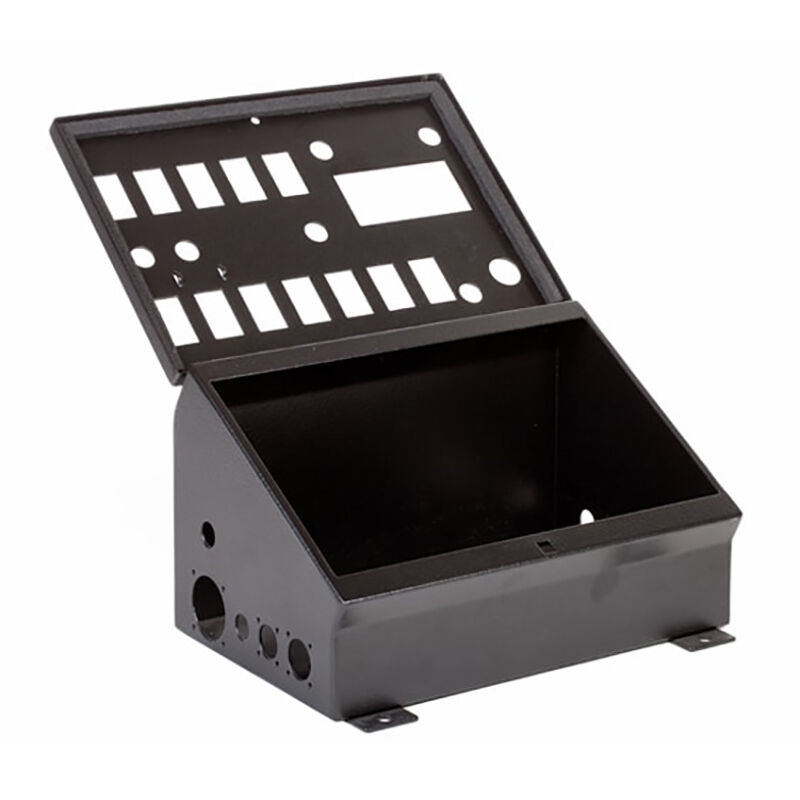
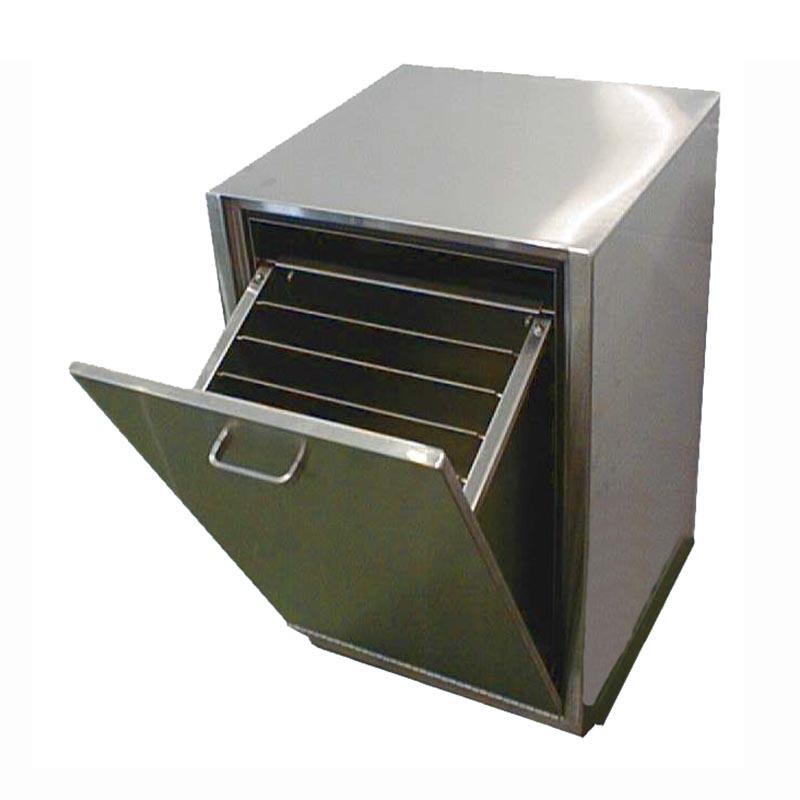
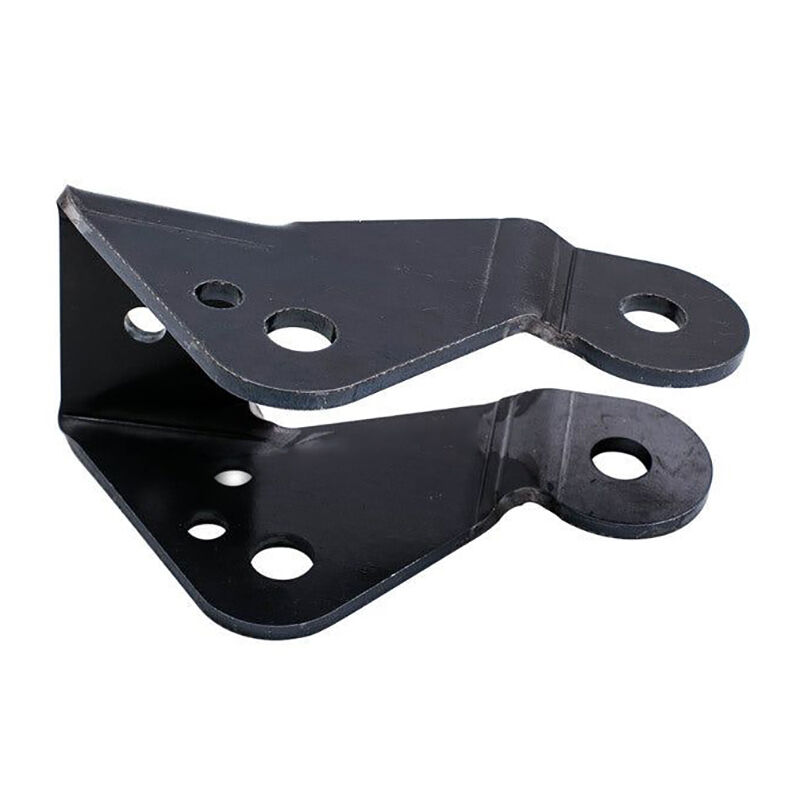
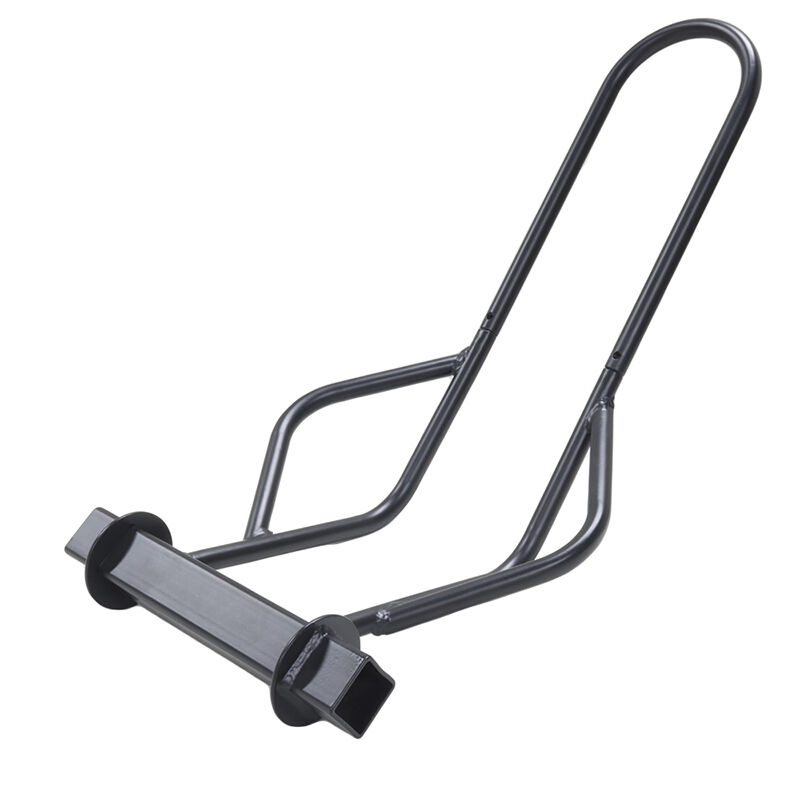
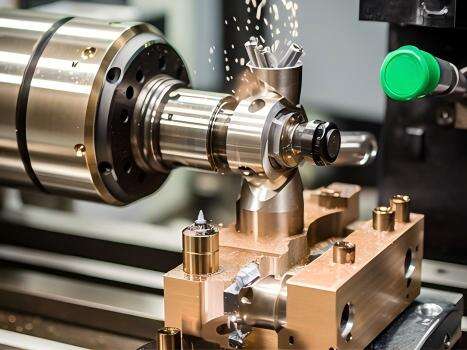
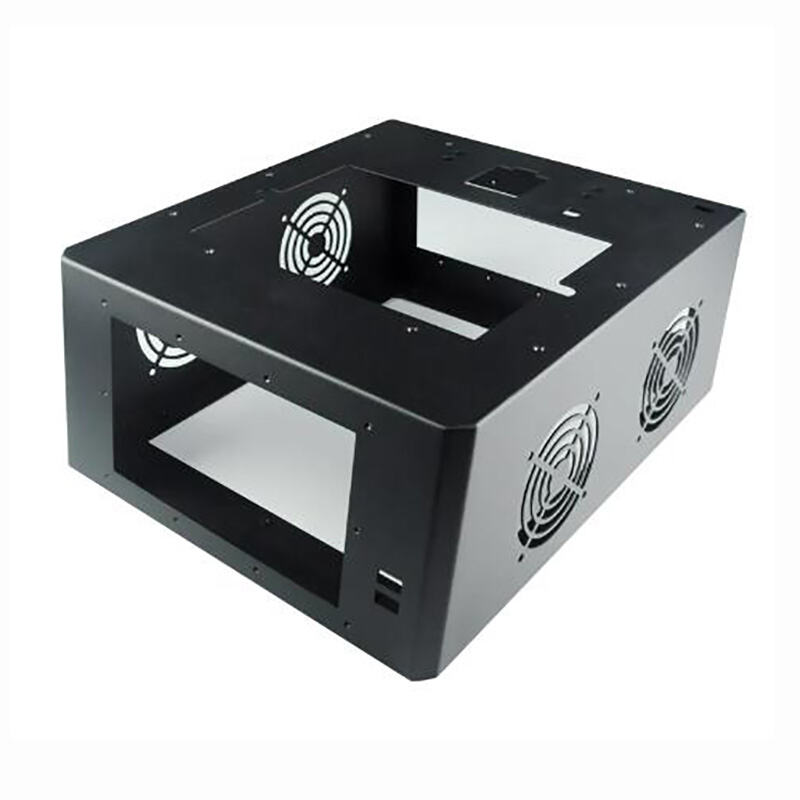
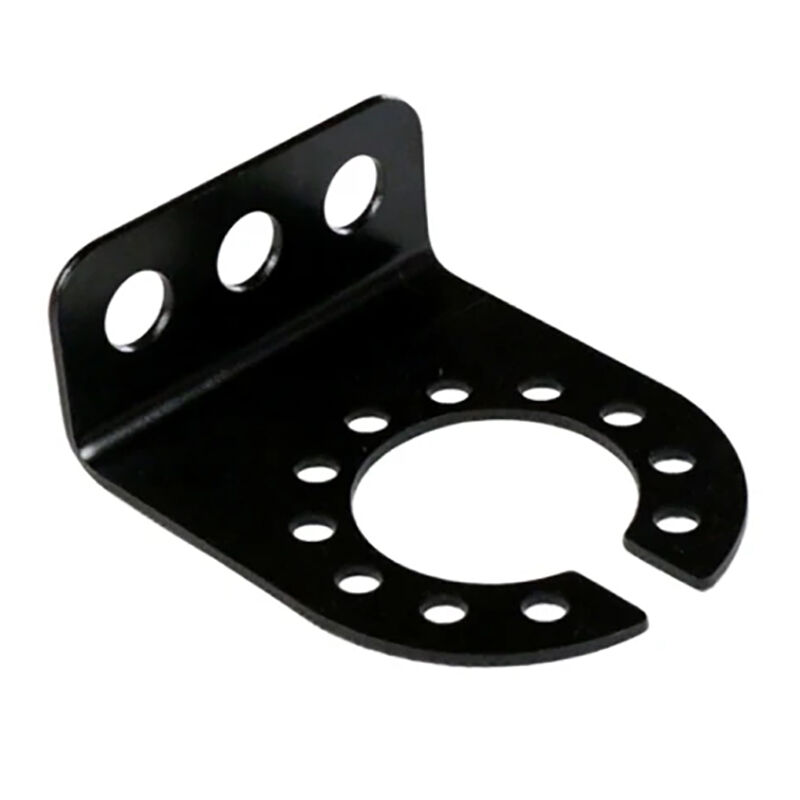
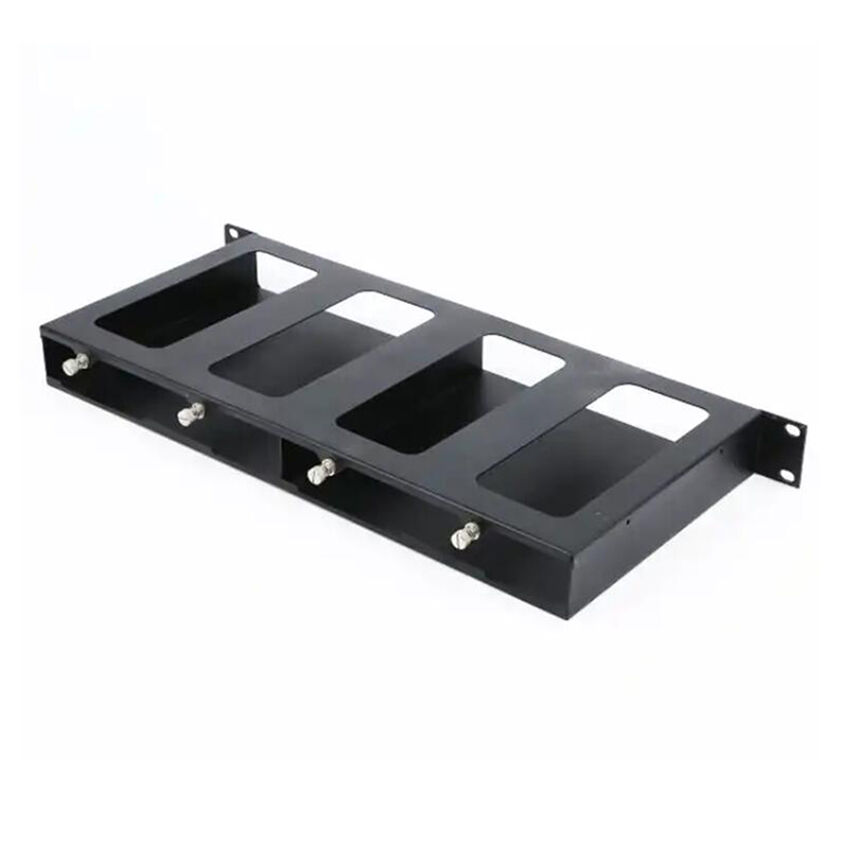
A sheet metal stamping parts supplier serves as a crucial manufacturing partner for industries requiring precision-formed metal components. These specialized suppliers operate advanced stamping facilities that transform flat metal sheets into complex three-dimensional parts through controlled deformation processes. The primary function involves using progressive dies, transfer dies, and compound dies to create components ranging from simple brackets to intricate automotive body panels. Modern sheet metal stamping parts suppliers utilize high-tonnage mechanical and hydraulic presses capable of handling materials from aluminum and steel to exotic alloys. Their technological capabilities encompass computer-aided design integration, finite element analysis for die optimization, and real-time quality monitoring systems. The manufacturing process begins with material selection and preparation, followed by die setup, stamping operations, and comprehensive quality inspection. These suppliers typically maintain extensive tooling libraries and offer rapid prototyping services to accelerate product development cycles. Their expertise extends beyond basic stamping to include secondary operations such as welding, assembly, surface finishing, and packaging. The applications span numerous industries including automotive manufacturing, aerospace engineering, electronics enclosures, appliance manufacturing, and construction hardware. Many suppliers maintain ISO certifications and implement lean manufacturing principles to ensure consistent quality and delivery performance. Their role extends to supply chain management, inventory optimization, and just-in-time delivery systems that support customer production schedules. The technological features of modern facilities include automated material handling systems, robotic part removal, and integrated quality control stations that perform dimensional verification and surface inspection. These suppliers often provide value-added engineering services, collaborating with customers on design optimization, cost reduction initiatives, and manufacturing feasibility assessments to ensure optimal part performance and production efficiency.

New Product Recommendations

Working with an established sheet metal stamping parts supplier delivers significant cost savings through economies of scale and operational efficiency. These suppliers invest in high-volume production equipment that reduces per-piece manufacturing costs compared to alternative fabrication methods. Their specialized expertise eliminates the need for internal tooling investments, allowing companies to focus resources on core business activities while accessing world-class manufacturing capabilities. The speed advantage becomes evident in both prototyping and production phases, where experienced suppliers can rapidly fabricate parts and scale production volumes to meet demanding delivery schedules. Quality consistency represents another major benefit, as professional suppliers maintain rigorous quality management systems with statistical process control and comprehensive inspection protocols. Their established supply chains ensure reliable material sourcing at competitive prices, protecting customers from market fluctuations and supply disruptions. The technical support provided includes design for manufacturability guidance, helping optimize part geometry for cost-effective production while maintaining functional requirements. Risk mitigation occurs through their insurance coverage, quality certifications, and proven track records that reduce project uncertainties. Flexibility in production volumes allows customers to adjust order quantities based on market demands without significant cost penalties or long lead times. The global reach of many sheet metal stamping parts suppliers enables cost-effective nearshoring and offshoring strategies that balance labor costs with logistics efficiency. Their continuous improvement initiatives drive ongoing cost reductions and quality enhancements that benefit long-term partnerships. Inventory management services reduce customer working capital requirements while ensuring parts availability for production schedules. The environmental benefits include optimized material utilization, recycling programs, and energy-efficient manufacturing processes that support corporate sustainability goals. Advanced planning capabilities enable suppliers to accommodate design changes, rush orders, and seasonal demand variations through flexible scheduling and capacity allocation. The comprehensive service portfolio often includes packaging, labeling, and logistics coordination that streamlines the entire supply chain from manufacturing to final delivery.

Latest News

Custom Metal Fabrication for Agricultural Machinery

18

Aug

Custom Metal Fabrication for Agricultural Machinery

Project Overview Date: June 2024 - September 2024Industry: Agricultural MachineryClient: Jan TheilierLocation: Germany   Project Description We were approached by a leading agricultural machinery manufacturer to develop a series of custom m...
View More

Get a Free Quote

Our engineers will provide you with a professional reply.
Your Name
Mobile
Email Address
WhatsApp
Subject
Attachment
Upload drawings or 3D model to see instant pricing, lead time and DFM feedback.
Up to 3 files,more 30mb,suppor jpg、jpeg、png、pdf、doc、docx、xls、xlsx、csv、txt
Message
0/1000

sheet metal stamping parts supplier

Advanced Manufacturing Technology Integration

Advanced Manufacturing Technology Integration

Leading sheet metal stamping parts suppliers distinguish themselves through cutting-edge technology integration that transforms traditional stamping operations into highly sophisticated manufacturing systems. These facilities deploy Industry 4.0 technologies including Internet of Things sensors, artificial intelligence-driven quality monitoring, and predictive maintenance algorithms that optimize equipment performance and minimize downtime. The integration of servo-driven presses with programmable motion profiles enables precise control over forming speeds, dwell times, and force application, resulting in superior part quality and extended die life. Computer numerical control systems coordinate multiple press operations simultaneously, ensuring consistent part dimensions and reducing cycle times. Real-time data collection systems monitor critical parameters such as tonnage, stroke position, and material thickness variations, automatically adjusting process variables to maintain optimal production conditions. Advanced simulation software performs virtual tryouts before physical production begins, identifying potential forming issues and optimizing die designs to prevent costly trial-and-error iterations. The implementation of automated material handling systems eliminates manual intervention, reducing labor costs while improving safety and throughput consistency. Vision inspection systems conduct 100 percent quality verification, detecting dimensional deviations, surface defects, and assembly errors that human inspectors might miss. These technological capabilities enable sheet metal stamping parts suppliers to achieve exceptional precision tolerances, often within plus or minus 0.05 millimeters for critical dimensions. The integration extends to enterprise resource planning systems that provide real-time visibility into production status, inventory levels, and delivery schedules, enabling proactive communication with customers about potential delays or expedited delivery opportunities. Machine learning algorithms analyze historical production data to identify optimization opportunities and predict maintenance requirements before equipment failures occur. This technological sophistication translates into tangible benefits including reduced scrap rates, improved first-pass yield, shortened lead times, and enhanced product quality that meets the most demanding industry standards.
Comprehensive Quality Assurance Systems

Comprehensive Quality Assurance Systems

Professional sheet metal stamping parts suppliers implement comprehensive quality assurance systems that exceed industry standards and provide customers with confidence in product reliability and consistency. These systems begin with incoming material inspection using advanced testing equipment such as spectrometers for alloy verification, tensile testing machines for mechanical properties validation, and coordinate measuring machines for dimensional accuracy confirmation. Statistical process control methodologies monitor production variables continuously, identifying trends and variations before they impact part quality. The quality infrastructure includes environmentally controlled inspection rooms with precision measurement equipment calibrated to national standards, ensuring accurate dimensional verification regardless of ambient conditions. First article inspection protocols verify that initial production parts meet all specified requirements before full production begins, preventing costly quality issues downstream. In-process monitoring systems track critical parameters throughout the stamping operation, automatically stopping production when measurements exceed predetermined control limits. The quality management system incorporates corrective and preventive action procedures that investigate root causes of quality issues and implement systematic improvements to prevent recurrence. Document control systems maintain detailed records of inspection results, process parameters, and corrective actions, providing complete traceability for regulatory compliance and customer audits. Supplier quality programs extend quality requirements to raw material vendors, ensuring consistent input quality that supports reliable output performance. Customer-specific quality plans address unique requirements such as automotive PPAP documentation, aerospace AS9100 compliance, or medical device FDA regulations. The quality assurance team includes certified inspectors and quality engineers who collaborate with customers on specification interpretation, measurement methodology, and acceptance criteria establishment. Advanced quality tools such as failure mode and effects analysis identify potential quality risks during the design phase, enabling proactive mitigation strategies. Continuous improvement initiatives use statistical analysis to identify optimization opportunities that enhance quality while reducing costs. The quality certification portfolio typically includes ISO 9001, TS 16949, and industry-specific standards that demonstrate commitment to excellence and regulatory compliance. Customer quality scorecards track performance metrics such as defect rates, on-time delivery, and corrective action effectiveness, fostering transparent communication and continuous improvement partnerships.
Flexible Production Capacity and Scalability

Flexible Production Capacity and Scalability

The most valuable sheet metal stamping parts suppliers offer flexible production capacity and scalability solutions that adapt to dynamic market demands and evolving customer requirements. This flexibility manifests through diverse equipment portfolios ranging from small tonnage presses for precision components to massive progressive die systems capable of producing large structural parts. The equipment variety enables suppliers to optimize production methods based on part complexity, volume requirements, and cost objectives rather than forcing parts into unsuitable manufacturing processes. Modular production lines allow rapid reconfiguration to accommodate different part families, minimizing setup times and enabling efficient small-batch production alongside high-volume manufacturing. Quick die change systems reduce changeover times from hours to minutes, enabling economical production of smaller quantities while maintaining competitive pricing. The scalability extends to workforce management, where cross-trained operators can efficiently transition between different production lines based on demand fluctuations and delivery priorities. Capacity planning systems analyze historical demand patterns and forecast future requirements, enabling proactive capacity investments that prevent bottlenecks during peak demand periods. Strategic partnerships with secondary suppliers provide overflow capacity during unexpected demand spikes while maintaining quality standards and delivery commitments. The production scheduling systems optimize machine utilization across multiple customer programs, balancing efficiency with delivery requirements to maximize overall throughput. Inventory management capabilities include raw material buffering, work-in-process staging, and finished goods warehousing that smooth production flow and accommodate customer delivery preferences. The geographic distribution of manufacturing facilities enables regional capacity allocation that balances cost optimization with logistics efficiency and supply chain risk mitigation. Emergency production capabilities address urgent customer requirements through expedited scheduling, overtime operations, and priority material sourcing that minimize disruption to regular production schedules. Technology investments in automation and robotics continuously expand effective capacity while improving quality consistency and reducing labor dependencies. The supplier network coordination enables capacity sharing among affiliated facilities, providing customers with access to specialized capabilities and expanded production options. Lean manufacturing principles eliminate waste and optimize material flow, effectively increasing capacity without additional capital investment. This comprehensive approach to flexibility and scalability ensures that customers can confidently rely on their sheet metal stamping parts supplier to support business growth, market expansion, and evolving product requirements while maintaining cost competitiveness and quality standards.

Get a Free Quote

Our engineers will provide you with a professional reply.
Your Name
Mobile
Email Address
WhatsApp
Subject
Attachment
Upload drawings or 3D model to see instant pricing, lead time and DFM feedback.
Up to 3 files,more 30mb,support jpg、jpeg、png、pdf、doc、docx、xls、xlsx、csv、txt、stp、step、igs、x_t、dxf、prt、sldprt、sat、rar、zip
Message
0/1000