Professional Steel Welding Fabrication Services - Custom Metal Fabrication Solutions

Get a Free Quote

Our engineers will provide you with a professional reply.
Your Name
Mobile
Email Address
WhatsApp
Subject
Attachment
Upload drawings or 3D model to see instant pricing, lead time and DFM feedback.
Up to 3 files,more 30mb,support jpg、jpeg、png、pdf、doc、docx、xls、xlsx、csv、txt、stp、step、igs、x_t、dxf、prt、sldprt、sat、rar、zip
Message
0/1000

steel welding fabrication

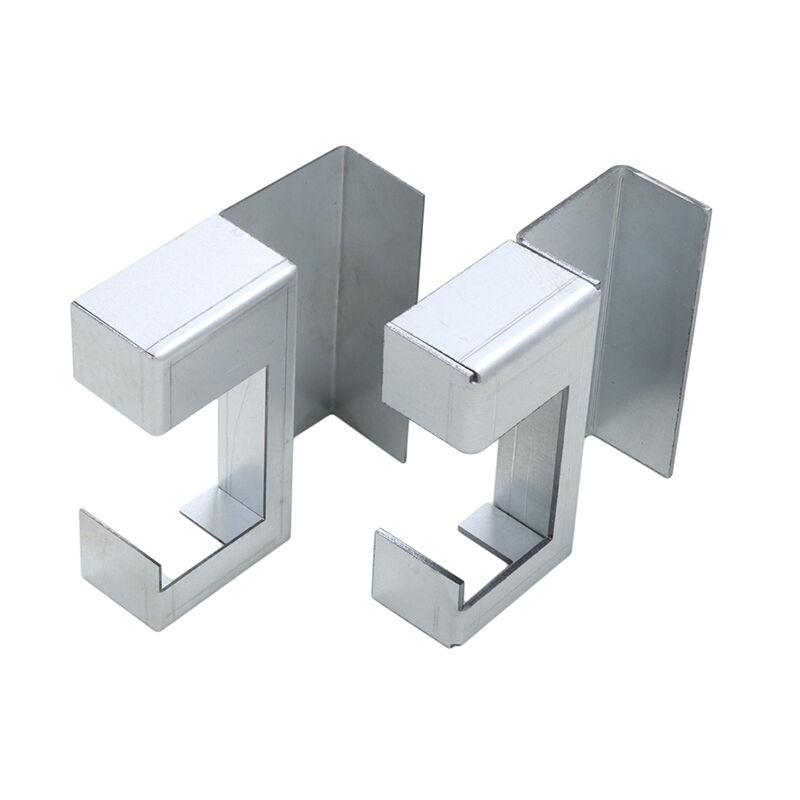
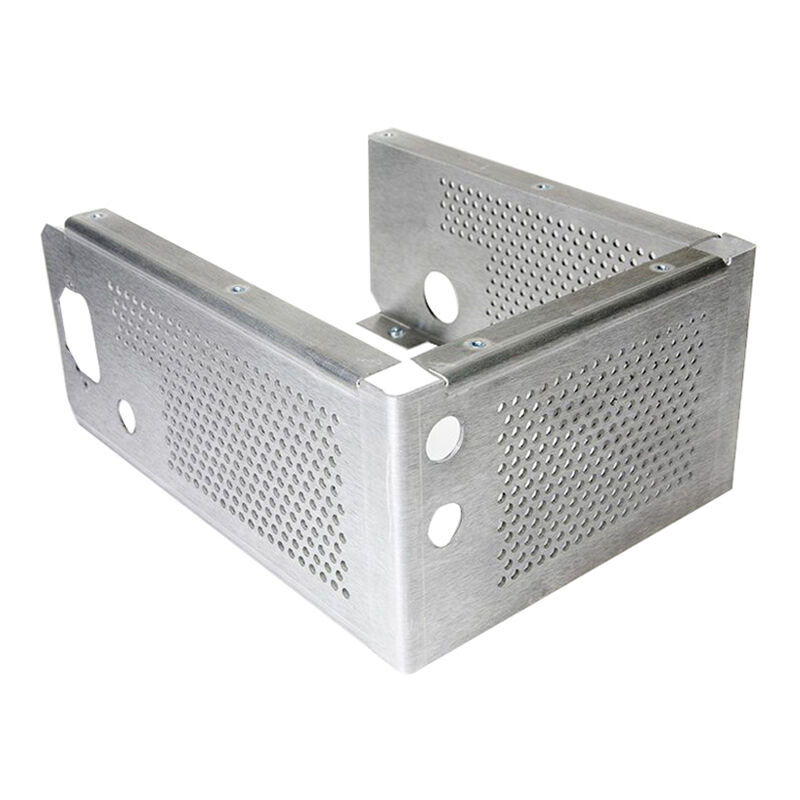
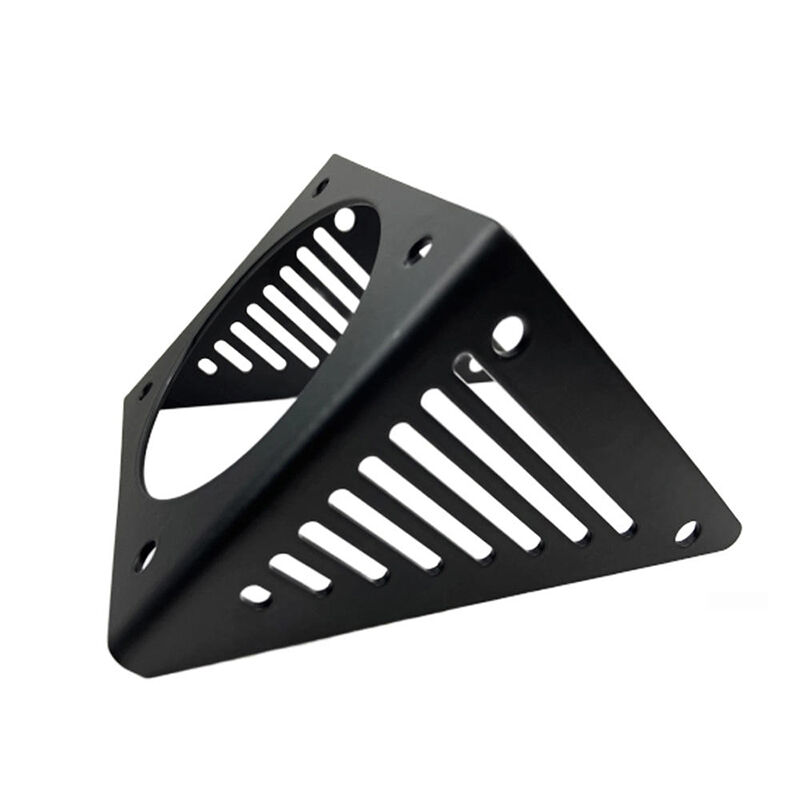
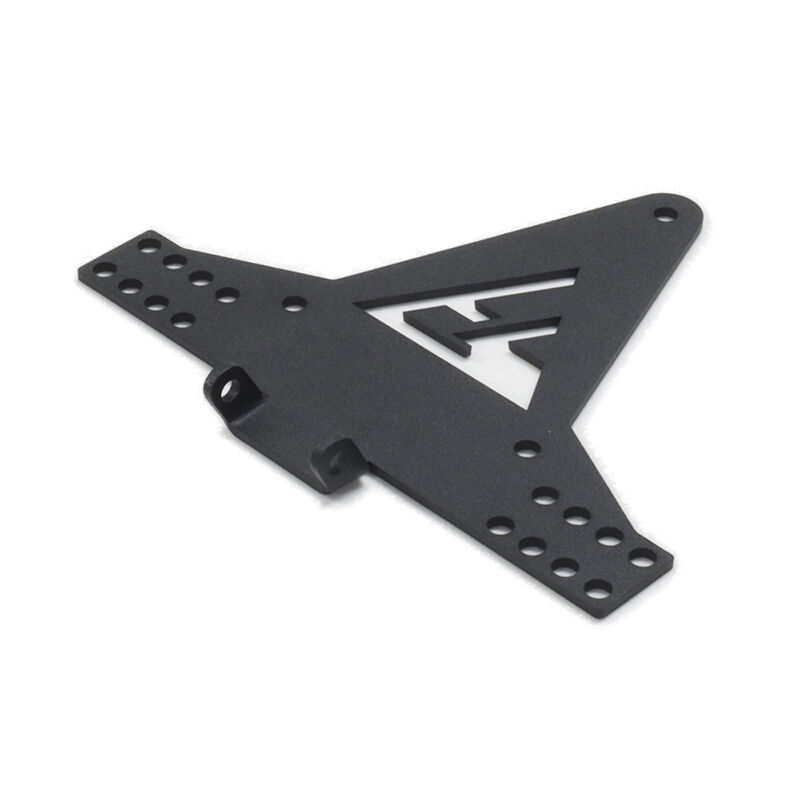
Steel welding fabrication represents a cornerstone manufacturing process that combines metallurgical expertise with precision engineering to create durable, versatile structures and components. This sophisticated process involves joining steel pieces through controlled heat application, creating molecular bonds that often exceed the strength of the original base materials. The primary functions of steel welding fabrication encompass structural assembly, component repair, custom manufacturing, and architectural construction across diverse industries. Modern steel welding fabrication employs multiple technological approaches including MIG welding, TIG welding, stick welding, and flux-cored arc welding, each tailored to specific project requirements and material specifications. The technological features of contemporary steel welding fabrication include computer-controlled automation systems, real-time quality monitoring, precision temperature control, and advanced shielding gas management. These innovations ensure consistent weld quality, minimize material waste, and enhance production efficiency. Steel welding fabrication applications span construction frameworks, automotive components, marine structures, industrial equipment, architectural elements, and infrastructure projects. The process accommodates various steel grades from mild carbon steel to high-strength alloys, enabling manufacturers to meet specific performance criteria. Quality control measures in steel welding fabrication involve non-destructive testing, visual inspections, dimensional verification, and mechanical property assessments. Environmental considerations include proper ventilation systems, waste management protocols, and energy-efficient equipment selection. The versatility of steel welding fabrication allows for both mass production and custom one-off projects, making it invaluable for diverse manufacturing scenarios. Advanced techniques incorporate robotic welding systems, laser welding technology, and hybrid welding processes that combine multiple energy sources for optimal results.

New Product Recommendations

Steel welding fabrication delivers exceptional durability that withstands harsh environmental conditions, heavy loads, and prolonged operational stress without compromising structural integrity. This manufacturing method creates joints stronger than bolted or riveted connections, ensuring long-term reliability in critical applications. The cost-effectiveness of steel welding fabrication becomes evident through reduced material consumption, eliminated fastener requirements, and streamlined assembly processes that minimize labor expenses. Unlike mechanical fastening methods, welded joints eliminate the need for ongoing maintenance associated with loosening bolts or corroding fasteners. Steel welding fabrication offers unparalleled design flexibility, enabling manufacturers to create complex geometries, intricate shapes, and custom configurations that would be impossible with traditional joining methods. This adaptability allows engineers to optimize material distribution, reduce weight while maintaining strength, and achieve aesthetic goals without sacrificing functionality. The speed advantage of steel welding fabrication significantly reduces project timelines compared to alternative assembly methods, as multiple joints can be completed simultaneously and complex assemblies can be prefabricated off-site. Quality consistency remains a hallmark benefit, as modern welding equipment provides repeatable results with minimal variation between identical components. Steel welding fabrication supports environmental sustainability through material efficiency, recyclability of steel components, and reduced transportation requirements for prefabricated assemblies. The process accommodates various steel types and thicknesses, from thin sheet metal to heavy structural plates, providing versatility for diverse project specifications. Repair capabilities represent another significant advantage, as damaged steel structures can often be restored through targeted welding rather than complete replacement. The permanent nature of welded joints eliminates concerns about joint separation under dynamic loading conditions, making steel welding fabrication ideal for machinery, vehicles, and structural applications subjected to vibration or cyclical stresses.

Latest News

Custom Metal Fabrication for Agricultural Machinery

18

Aug

Custom Metal Fabrication for Agricultural Machinery

Project Overview Date: June 2024 - September 2024Industry: Agricultural MachineryClient: Jan TheilierLocation: Germany   Project Description We were approached by a leading agricultural machinery manufacturer to develop a series of custom m...
View More

Get a Free Quote

Our engineers will provide you with a professional reply.
Your Name
Mobile
Email Address
WhatsApp
Subject
Attachment
Upload drawings or 3D model to see instant pricing, lead time and DFM feedback.
Up to 3 files,more 30mb,suppor jpg、jpeg、png、pdf、doc、docx、xls、xlsx、csv、txt
Message
0/1000

steel welding fabrication

Superior Structural Integrity and Longevity

Superior Structural Integrity and Longevity

Steel welding fabrication creates metallurgical bonds that fundamentally transform separate steel pieces into unified structures with enhanced mechanical properties. The fusion process generates heat-affected zones where the molecular structure of steel reorganizes, often resulting in joint strength that exceeds the base material specifications. This phenomenon occurs because controlled heating and cooling cycles can refine grain structure and eliminate material imperfections present in the original steel. The superior structural integrity achieved through steel welding fabrication becomes particularly valuable in load-bearing applications where component failure could result in catastrophic consequences. Unlike mechanical fasteners that create stress concentrations and potential failure points, welded joints distribute loads uniformly across the entire connection area. This characteristic makes steel welding fabrication indispensable for critical infrastructure projects, heavy machinery construction, and safety-critical applications. The longevity benefits stem from the elimination of moving parts within joints, preventing wear-related deterioration common in bolted assemblies. Additionally, properly executed steel welding fabrication creates sealed joints that resist moisture infiltration, preventing internal corrosion that could compromise structural integrity over time. The permanent nature of welded connections means that structures maintain their design strength throughout their service life without requiring periodic retightening or replacement of fasteners. Modern steel welding fabrication techniques incorporate advanced filler materials and shielding gases that enhance corrosion resistance and mechanical properties beyond those of the base steel. Quality assurance protocols ensure that each welded joint meets or exceeds specified strength requirements through comprehensive testing procedures including tensile testing, bend testing, and impact testing.
Exceptional Cost Efficiency and Resource Optimization

Exceptional Cost Efficiency and Resource Optimization

Steel welding fabrication delivers remarkable cost efficiency through multiple interconnected factors that reduce both initial investment and long-term operational expenses. The elimination of fastener costs represents an immediate saving, as bolts, nuts, washers, and specialized hardware can constitute significant portions of project budgets, especially in large-scale construction or manufacturing applications. Material optimization becomes possible through steel welding fabrication as engineers can design structures using exactly the required amount of steel without accommodating fastener spacing requirements or connection hardware clearances. This precision reduces waste and minimizes material handling costs throughout the fabrication process. Labor efficiency gains emerge from the streamlined nature of welding operations compared to drilling, tapping, and fastener installation procedures required for mechanical connections. Skilled welders can complete multiple joints rapidly using continuous processes, while mechanical fastening requires individual attention to each connection point. The prefabrication advantages of steel welding fabrication enable off-site assembly in controlled environments, reducing on-site labor costs and minimizing weather-related delays. Transportation efficiency improves as welded assemblies often result in more compact shipping configurations compared to component packages with separate fasteners and connection hardware. Maintenance cost reductions represent long-term savings as welded structures typically require less ongoing attention than mechanically fastened assemblies that may need periodic inspection and retightening. The durability of steel welding fabrication extends service life, delaying replacement costs and reducing lifecycle expenses. Quality control benefits include reduced rework rates as modern welding techniques provide consistent results with lower defect rates compared to field assembly operations where environmental conditions and access limitations can compromise connection quality.
Unmatched Design Freedom and Manufacturing Versatility

Unmatched Design Freedom and Manufacturing Versatility

Steel welding fabrication unlocks unprecedented design possibilities by enabling the creation of complex three-dimensional structures that would be impossible or prohibitively expensive using traditional mechanical fastening methods. This design freedom allows engineers to optimize material placement, create smooth transitions between structural elements, and achieve aesthetic goals while maintaining functional requirements. The ability to weld steel components in any orientation and configuration removes constraints imposed by fastener accessibility requirements, enabling innovative architectural designs and space-efficient mechanical systems. Manufacturing versatility emerges through the compatibility of steel welding fabrication with various steel grades, thicknesses, and specialized alloys, allowing manufacturers to select optimal materials for specific performance criteria without being limited by available fastener options. Custom fabrication capabilities enable one-off prototypes, small production runs, and specialized components that meet unique specifications without requiring expensive tooling or lengthy setup procedures. The scalability of steel welding fabrication accommodates projects ranging from delicate precision components to massive structural assemblies, with equipment and techniques adaptable to virtually any size requirement. Process flexibility includes multiple welding methods such as gas metal arc welding, gas tungsten arc welding, and submerged arc welding, each offering distinct advantages for specific applications and material combinations. Automation integration possibilities allow steel welding fabrication to benefit from robotic systems, computer-controlled positioning equipment, and advanced monitoring technologies that enhance consistency while reducing labor requirements. The ability to combine dissimilar steel grades within single assemblies through appropriate welding procedures enables engineers to optimize cost and performance by using premium materials only where required. Multi-axis welding capabilities permit the creation of complex joints and intricate geometries that provide superior load distribution and enhanced structural performance compared to simplified designs necessitated by fastener limitations.

Get a Free Quote

Our engineers will provide you with a professional reply.
Your Name
Mobile
Email Address
WhatsApp
Subject
Attachment
Upload drawings or 3D model to see instant pricing, lead time and DFM feedback.
Up to 3 files,more 30mb,support jpg、jpeg、png、pdf、doc、docx、xls、xlsx、csv、txt、stp、step、igs、x_t、dxf、prt、sldprt、sat、rar、zip
Message
0/1000