metal tube fabrication
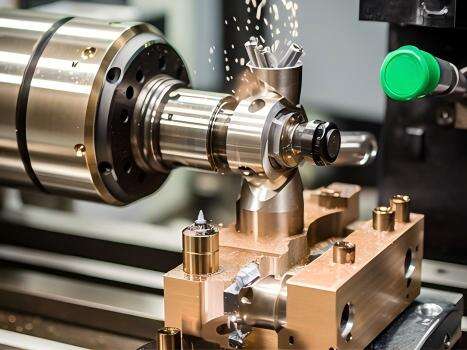
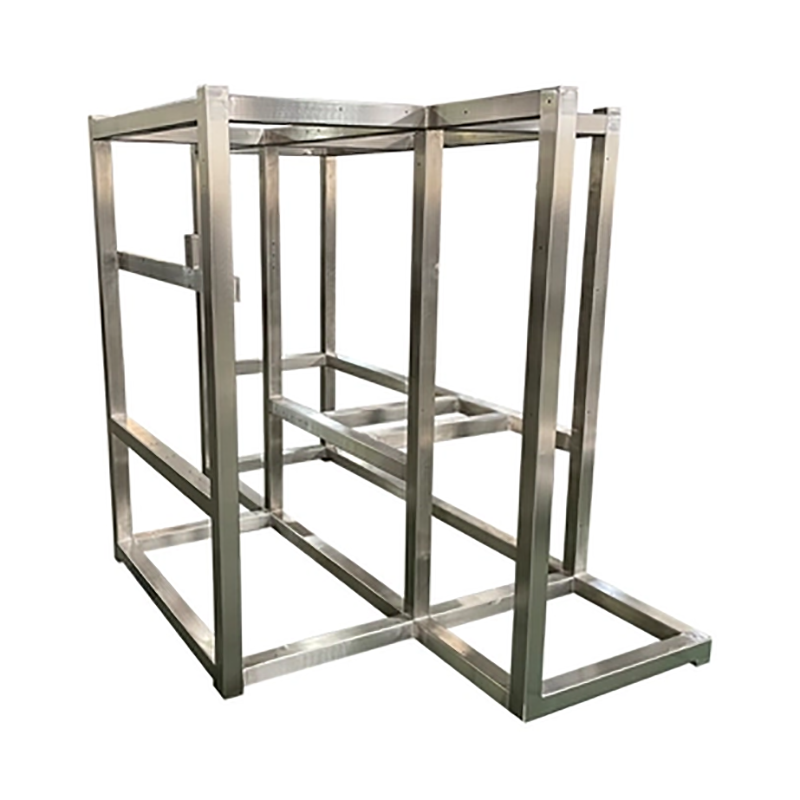
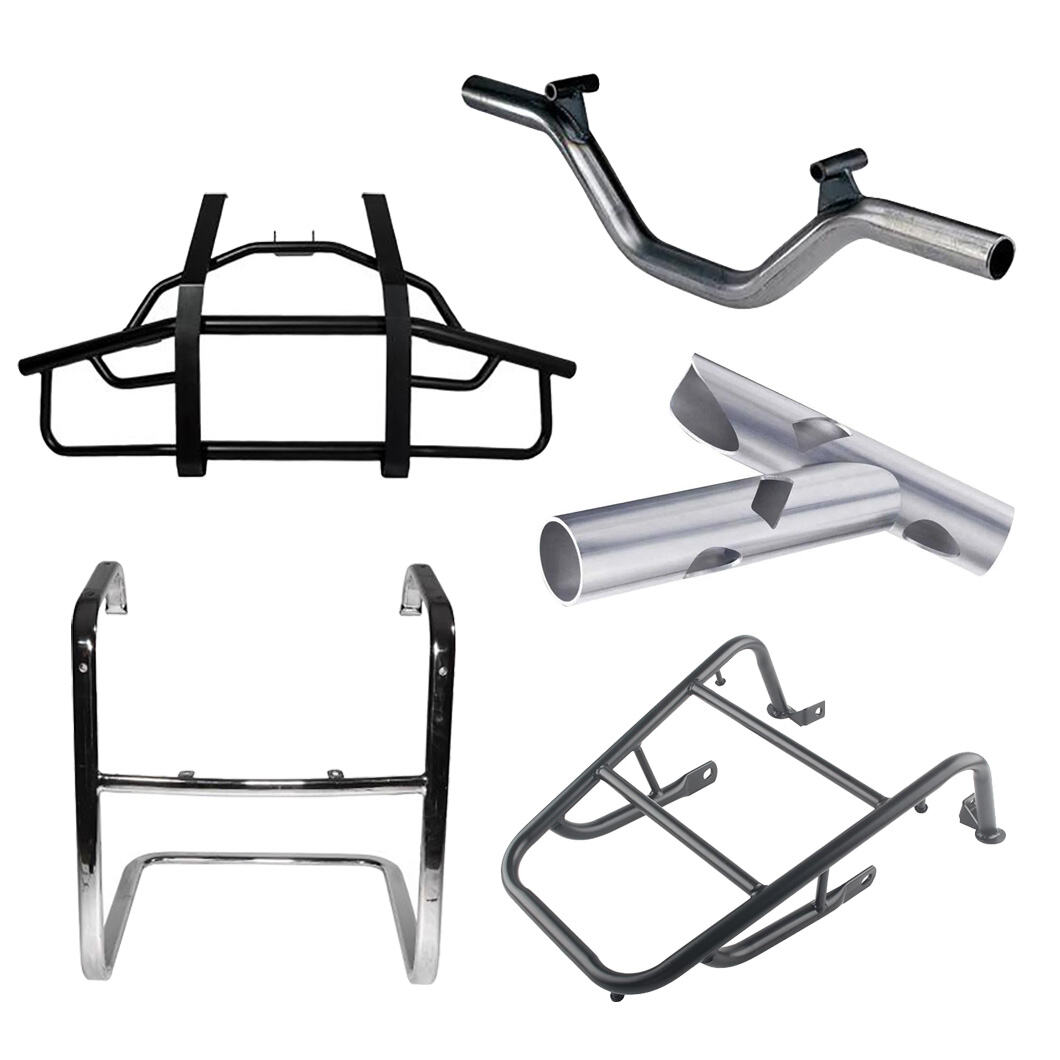
Metal tube fabrication represents a comprehensive manufacturing process that transforms raw metal materials into precise tubular structures designed for diverse industrial applications. This sophisticated production method encompasses multiple techniques including cutting, bending, welding, forming, and finishing operations to create tubes that meet exact specifications and performance requirements. The metal tube fabrication process begins with material selection, where engineers choose appropriate metals such as stainless steel, carbon steel, aluminum, copper, or specialized alloys based on intended applications and environmental conditions. Modern fabrication facilities utilize advanced equipment including CNC tube bending machines, laser cutting systems, plasma cutters, and automated welding stations to ensure consistent quality and dimensional accuracy. The technological features of metal tube fabrication include computer-controlled precision that enables manufacturers to achieve tight tolerances, typically within thousandths of an inch, ensuring perfect fit and function in critical applications. Advanced CAD software integration allows for complex design calculations and stress analysis before production begins, minimizing material waste and optimizing structural integrity. Quality control systems monitor every stage of the fabrication process, from initial material inspection through final dimensional verification, ensuring that finished products meet or exceed industry standards. The applications of metal tube fabrication span numerous industries including aerospace, automotive, construction, medical devices, marine engineering, and industrial machinery. In aerospace applications, fabricated tubes serve as hydraulic lines, fuel systems, and structural components where weight reduction and strength are paramount. Automotive manufacturers rely on fabricated tubes for exhaust systems, roll cages, chassis components, and cooling systems. The construction industry utilizes fabricated tubes for structural frameworks, handrails, architectural elements, and HVAC systems. Medical device manufacturers depend on precision-fabricated tubes for surgical instruments, implants, and diagnostic equipment where biocompatibility and sterility are essential requirements.
 EN
EN