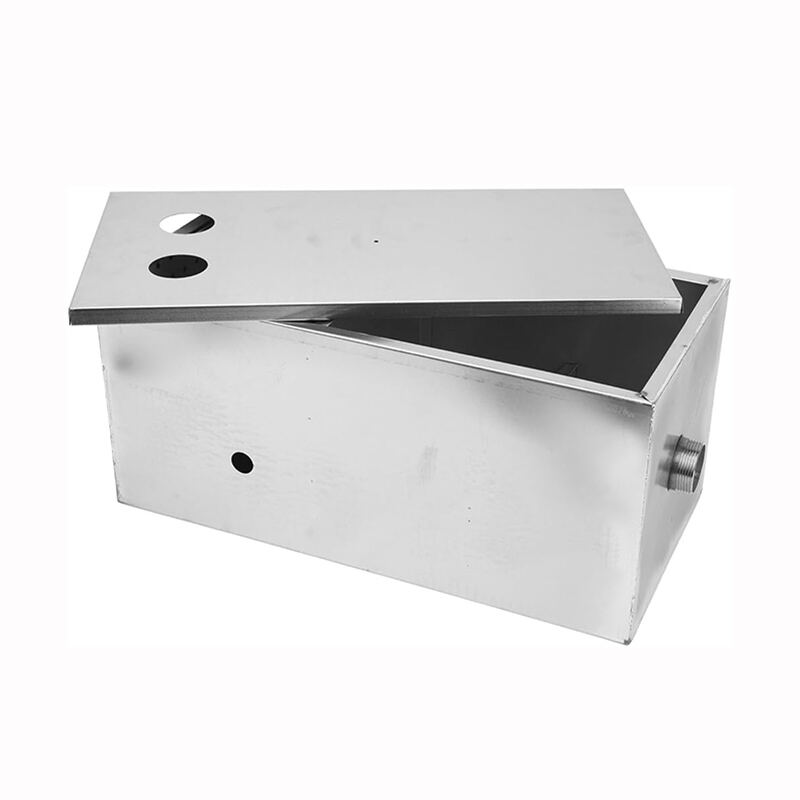
Industrial Metal Fabrication Services - Precision Manufacturing Solutions

Get a Free Quote

Our engineers will provide you with a professional reply.
Your Name
Mobile
Email Address
WhatsApp
Subject
Attachment
Upload drawings or 3D model to see instant pricing, lead time and DFM feedback.
Up to 3 files,more 30mb,support jpg、jpeg、png、pdf、doc、docx、xls、xlsx、csv、txt、stp、step、igs、x_t、dxf、prt、sldprt、sat、rar、zip
Message
0/1000

industrial metal fabrication

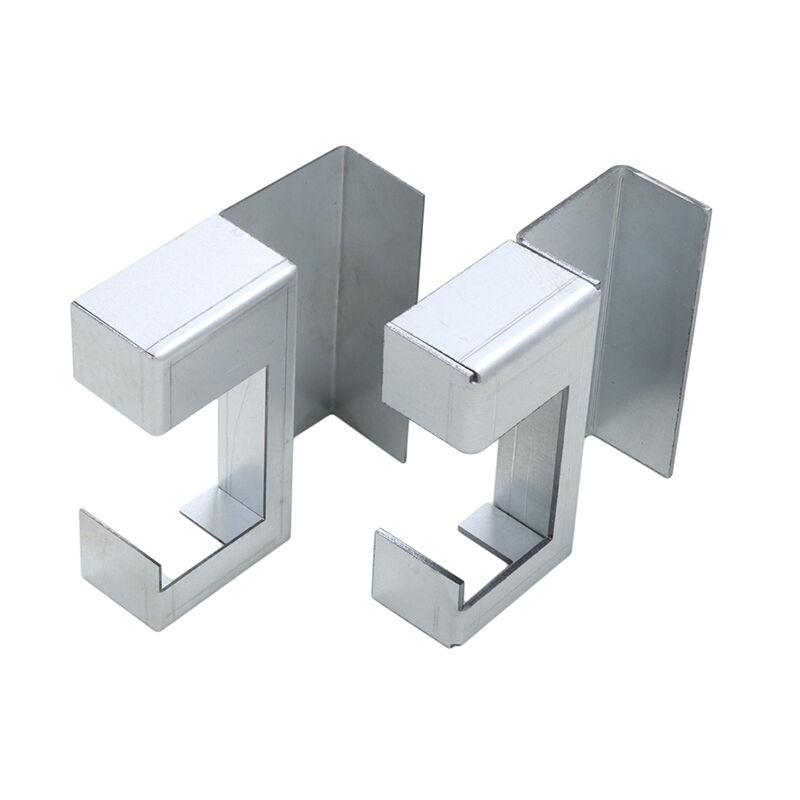
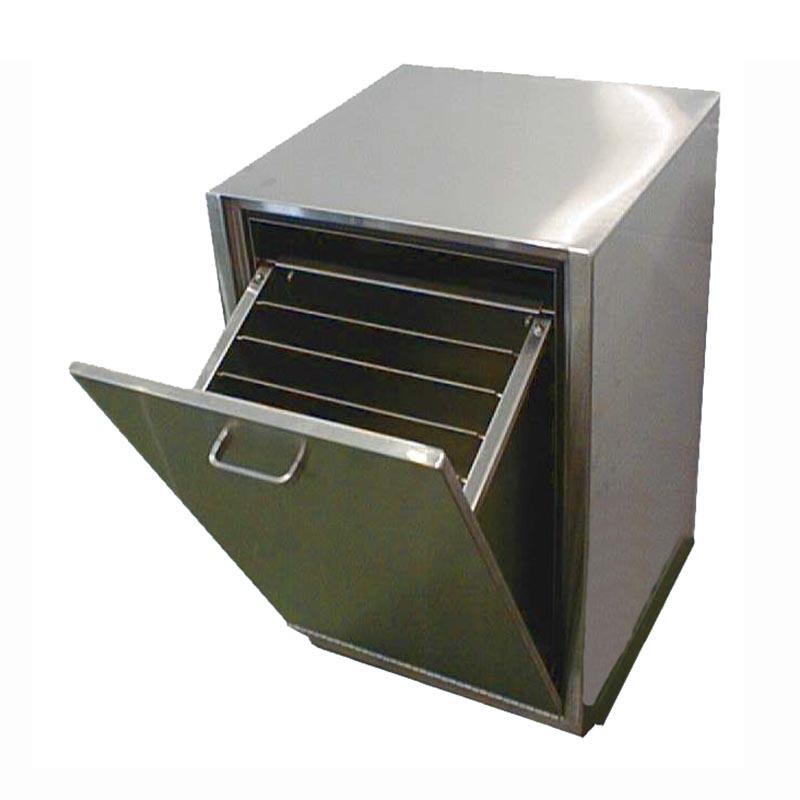
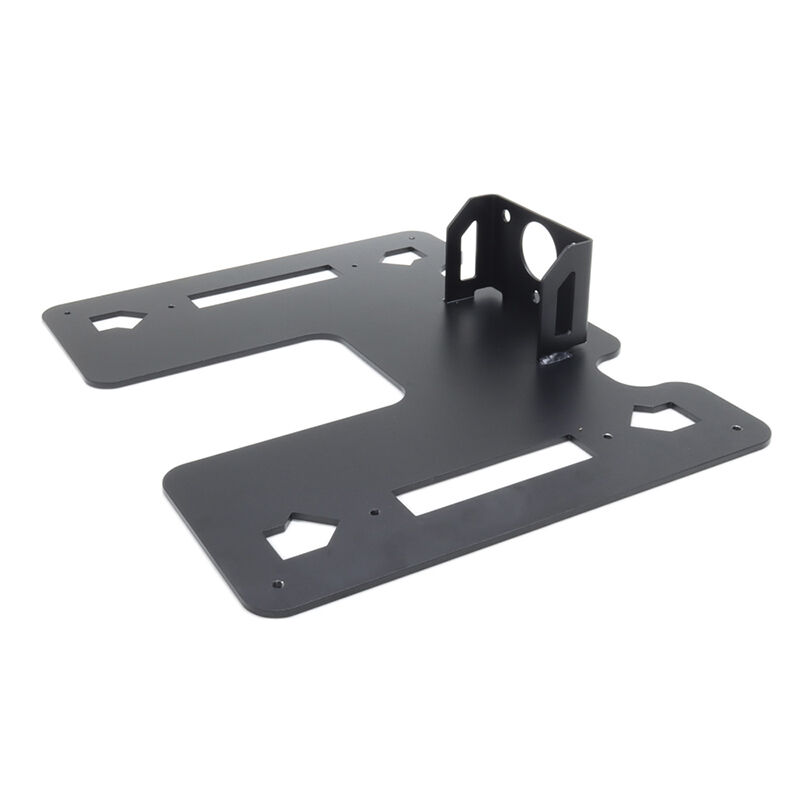
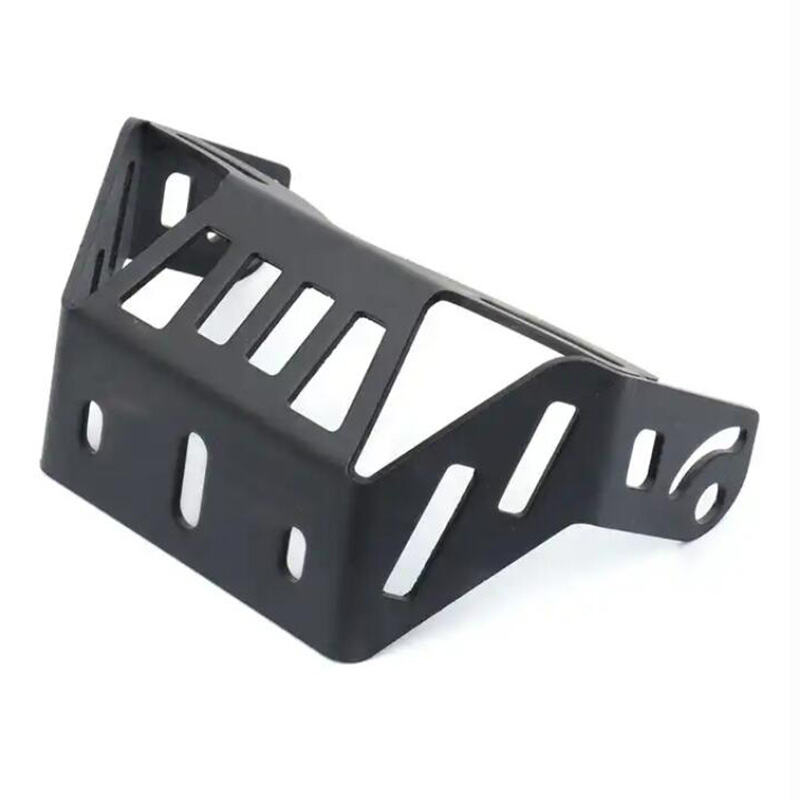
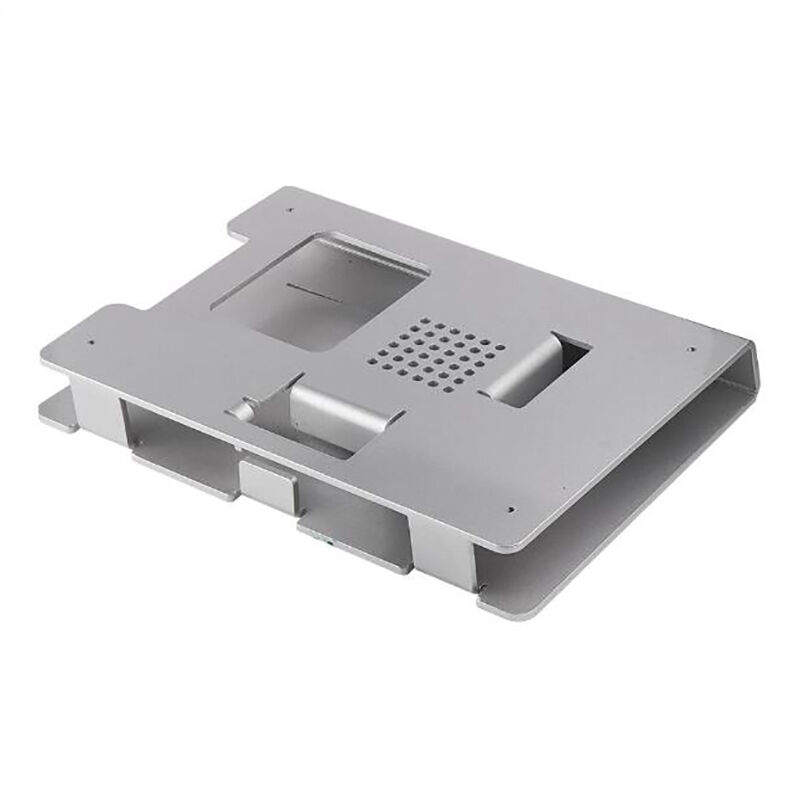
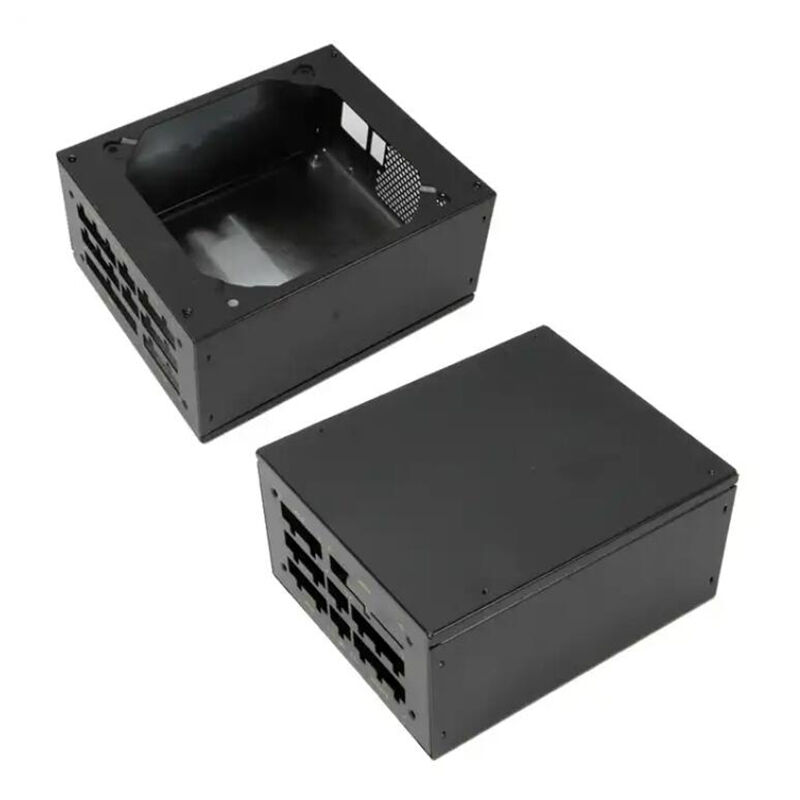
Industrial metal fabrication represents a comprehensive manufacturing process that transforms raw metal materials into finished products through cutting, bending, welding, machining, and assembly operations. This essential sector serves as the backbone of modern manufacturing, providing critical components and structures across diverse industries including construction, automotive, aerospace, energy, and infrastructure development. The industrial metal fabrication process begins with detailed engineering designs and specifications, followed by material selection based on strength requirements, environmental conditions, and cost considerations. Advanced computer-aided design software enables precise planning and optimization of material usage while ensuring structural integrity. The fabrication workflow typically involves multiple stages: material preparation through cutting and shaping, forming operations using press brakes and rolling machines, joining processes including various welding techniques, surface treatment for corrosion resistance, and final quality inspection. Modern industrial metal fabrication facilities incorporate sophisticated equipment such as laser cutting systems, CNC machining centers, robotic welding stations, and automated material handling systems. These technological advancements enable manufacturers to achieve exceptional precision, consistency, and efficiency while reducing production time and labor costs. Quality control measures throughout the fabrication process ensure compliance with industry standards and customer specifications. The versatility of industrial metal fabrication allows for working with various materials including steel, aluminum, stainless steel, copper, and specialty alloys, each offering unique properties suitable for specific applications. From structural steel frameworks for buildings and bridges to precision components for medical devices and electronics, industrial metal fabrication delivers solutions that meet exacting performance requirements while maintaining cost-effectiveness and reliability in demanding operational environments.

New Products

Industrial metal fabrication offers numerous compelling advantages that make it the preferred manufacturing solution for businesses seeking reliable, cost-effective production methods. The precision capabilities of modern fabrication equipment ensure consistent quality across large production runs, eliminating variations that can compromise product performance and safety. Advanced cutting technologies such as laser and plasma systems deliver exceptional accuracy, enabling tight tolerances that meet stringent engineering specifications while minimizing material waste. This precision translates directly into cost savings through reduced rework, scrap reduction, and improved material utilization rates. The scalability of industrial metal fabrication processes accommodates projects ranging from single prototypes to high-volume production runs, providing flexibility that adapts to changing business requirements without significant equipment investments. Manufacturers can efficiently handle rush orders and accommodate seasonal demand fluctuations while maintaining consistent quality standards. The durability and longevity of fabricated metal components provide excellent return on investment, as properly manufactured metal products often outlast alternatives made from other materials. This longevity reduces replacement costs, maintenance requirements, and operational downtime, contributing to lower total cost of ownership over the product lifecycle. Speed to market represents another significant advantage, as experienced fabrication shops can rapidly transition from design concepts to finished products using established processes and readily available materials. The ability to work with multiple metal types and alloys provides design flexibility, allowing engineers to select optimal materials based on specific performance criteria such as strength-to-weight ratios, corrosion resistance, and thermal properties. Quality assurance protocols integrated throughout the fabrication process ensure compliance with industry regulations and customer requirements, reducing liability risks and enhancing brand reputation. The local availability of fabrication services reduces transportation costs and delivery times while supporting domestic manufacturing initiatives. Environmental benefits include the recyclability of metal materials and the ability to optimize designs for resource efficiency, supporting sustainability goals and reducing environmental impact.

Practical Tips

Custom Metal Fabrication for Agricultural Machinery

18

Aug

Custom Metal Fabrication for Agricultural Machinery

Project Overview Date: June 2024 - September 2024Industry: Agricultural MachineryClient: Jan TheilierLocation: Germany   Project Description We were approached by a leading agricultural machinery manufacturer to develop a series of custom m...
View More

Get a Free Quote

Our engineers will provide you with a professional reply.
Your Name
Mobile
Email Address
WhatsApp
Subject
Attachment
Upload drawings or 3D model to see instant pricing, lead time and DFM feedback.
Up to 3 files,more 30mb,suppor jpg、jpeg、png、pdf、doc、docx、xls、xlsx、csv、txt
Message
0/1000

industrial metal fabrication

Advanced Precision Manufacturing Technology

Advanced Precision Manufacturing Technology

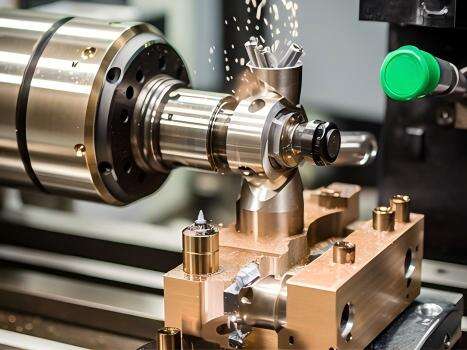
Industrial metal fabrication leverages cutting-edge manufacturing technologies that deliver unparalleled precision and consistency in component production. State-of-the-art laser cutting systems utilize focused light beams to achieve extremely tight tolerances, often within thousandths of an inch, while maintaining clean edge finishes that require minimal post-processing. These precision capabilities enable manufacturers to create complex geometries and intricate patterns that would be impossible or cost-prohibitive using traditional manufacturing methods. Computer Numerical Control machining centers provide exceptional repeatability across production runs, ensuring that every component meets exact specifications regardless of batch size. This technological precision eliminates the variability associated with manual processes, reducing quality control issues and minimizing the need for costly rework or component rejection. Advanced nesting software optimizes material layouts to maximize yield while maintaining precision requirements, reducing raw material costs and waste generation. The integration of automated inspection systems throughout the fabrication process provides real-time quality monitoring, detecting potential issues before they impact production schedules or component quality. Robotic welding systems deliver consistent penetration and bead profiles, creating strong, reliable joints that exceed manual welding capabilities in both strength and appearance. These technological advantages translate into tangible benefits for customers, including reduced lead times, lower total project costs, improved product reliability, and enhanced design flexibility. The precision capabilities of modern industrial metal fabrication enable the production of components that integrate seamlessly with existing systems and assemblies, reducing installation time and ensuring optimal performance. This technological sophistication also supports the development of innovative products that push the boundaries of traditional design constraints, enabling engineers to create lighter, stronger, and more efficient solutions.
Comprehensive Material Expertise and Versatility

Comprehensive Material Expertise and Versatility

Industrial metal fabrication encompasses extensive expertise in working with diverse metal materials and alloys, each offering unique properties and advantages for specific applications. This comprehensive material knowledge enables fabrication specialists to recommend optimal material selections based on performance requirements, environmental conditions, cost constraints, and regulatory compliance needs. Structural steel fabrication provides exceptional strength and durability for construction applications, while aluminum fabrication offers superior strength-to-weight ratios ideal for aerospace and transportation components. Stainless steel fabrication delivers outstanding corrosion resistance for food processing, chemical, and marine environments, ensuring long-term performance and reliability. Specialty alloys such as titanium, Inconel, and Hastelloy provide extreme temperature resistance and chemical compatibility for demanding industrial applications. The versatility of industrial metal fabrication extends beyond material selection to include various forming and joining techniques that optimize component performance and manufacturing efficiency. Hot forming processes enable the creation of complex shapes while maintaining material properties, while cold forming operations provide precision and surface finish advantages. Multiple welding techniques including TIG, MIG, and submerged arc welding ensure optimal joint properties for different material combinations and application requirements. Surface treatment capabilities including powder coating, galvanizing, and anodizing provide enhanced corrosion protection and aesthetic appeal while extending component service life. This material expertise and processing versatility enable customers to consolidate multiple manufacturing operations with a single supplier, reducing coordination complexity, lead times, and total project costs. The ability to work with both standard and exotic materials provides design engineers with unlimited creative freedom, enabling the development of innovative solutions that meet evolving market demands and regulatory requirements while maintaining cost-effectiveness and manufacturing feasibility.
Scalable Production Capabilities and Fast Turnaround

Scalable Production Capabilities and Fast Turnaround

Industrial metal fabrication offers exceptional scalability that accommodates diverse production requirements, from single prototype components to high-volume manufacturing runs without compromising quality or efficiency. This scalability advantage enables businesses to respond quickly to market opportunities, seasonal demand fluctuations, and unexpected order increases without significant capital investments or lengthy setup procedures. Advanced production planning systems optimize workflow and resource allocation to minimize lead times while maintaining consistent quality standards across all production volumes. The ability to handle both small-batch custom fabrication and large-scale production runs provides customers with a single-source solution that grows with their business requirements. Rapid prototyping capabilities enable quick iteration and design validation, accelerating product development cycles and reducing time-to-market for new products and innovations. The integration of flexible manufacturing systems allows for efficient changeovers between different products and specifications, minimizing downtime and maximizing production capacity utilization. Emergency and rush order capabilities provide critical support for maintenance, repair, and operational needs, ensuring minimal disruption to customer operations and production schedules. The combination of automated and manual processes enables optimal resource allocation based on production volume, complexity, and timeline requirements, ensuring cost-effective manufacturing across all project scales. Strategic inventory management and material procurement relationships enable fabrication shops to maintain readily available raw materials, reducing lead times and ensuring consistent production flow. This scalability and responsiveness provide significant competitive advantages for customers operating in dynamic markets where demand patterns can change rapidly. The ability to scale production volumes up or down based on market conditions enables businesses to optimize inventory levels, reduce carrying costs, and maintain lean operational structures while ensuring product availability and customer satisfaction.

Get a Free Quote

Our engineers will provide you with a professional reply.
Your Name
Mobile
Email Address
WhatsApp
Subject
Attachment
Upload drawings or 3D model to see instant pricing, lead time and DFM feedback.
Up to 3 files,more 30mb,support jpg、jpeg、png、pdf、doc、docx、xls、xlsx、csv、txt、stp、step、igs、x_t、dxf、prt、sldprt、sat、rar、zip
Message
0/1000