cnc metal fabrication
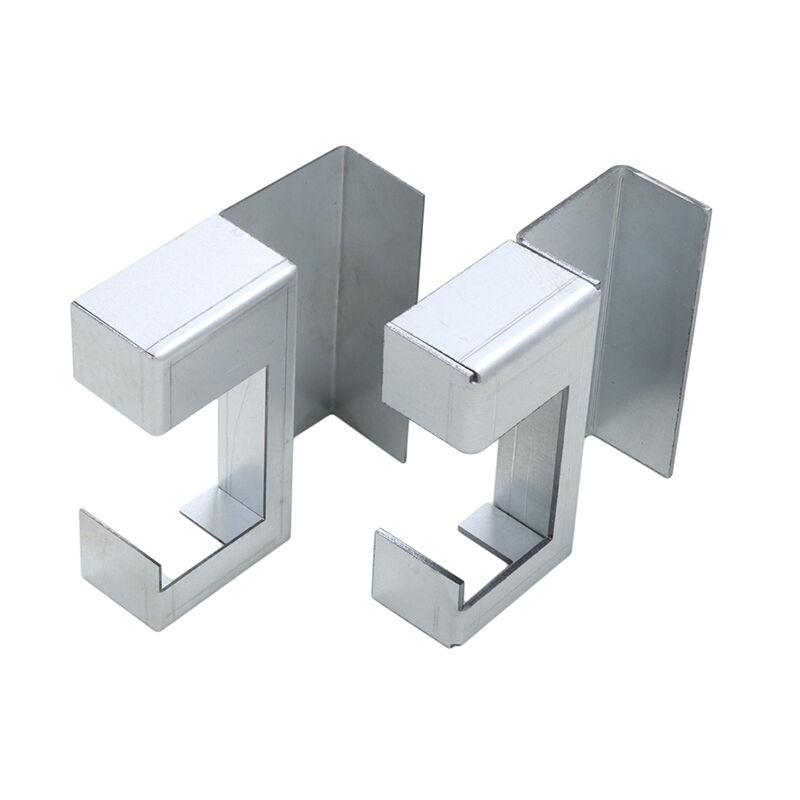
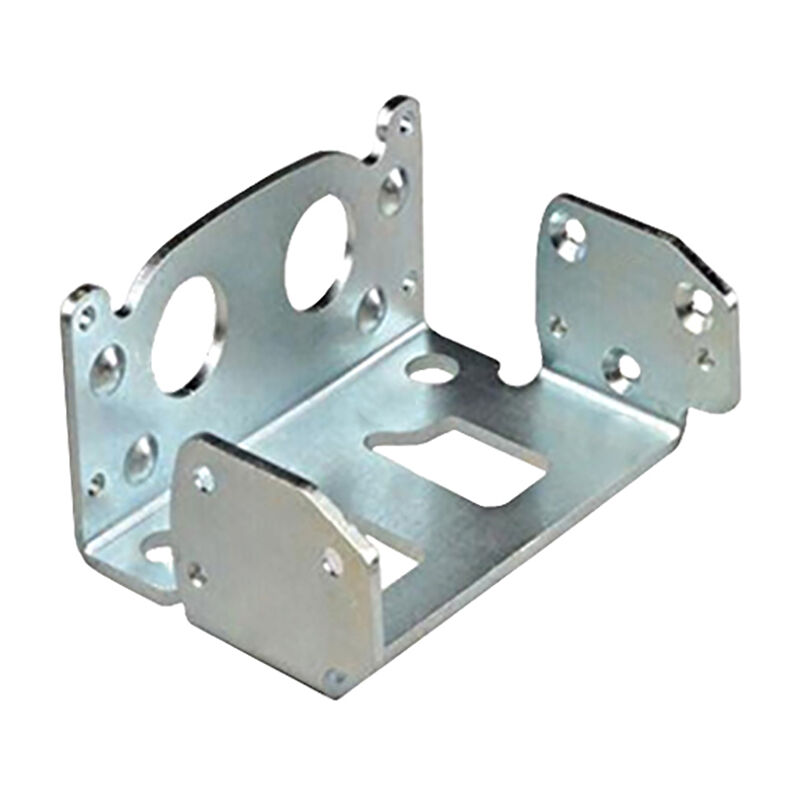
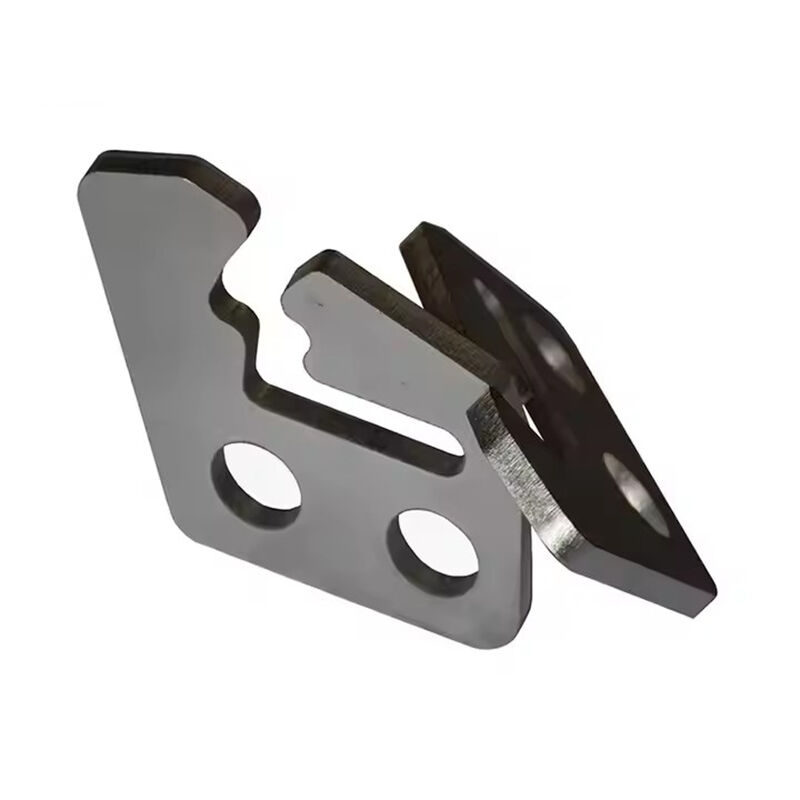
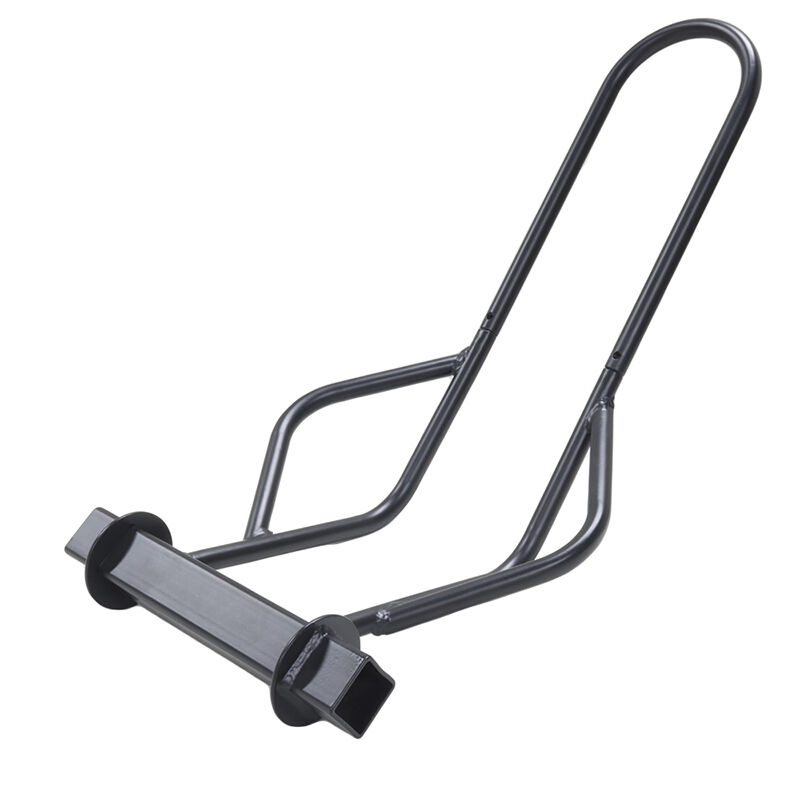
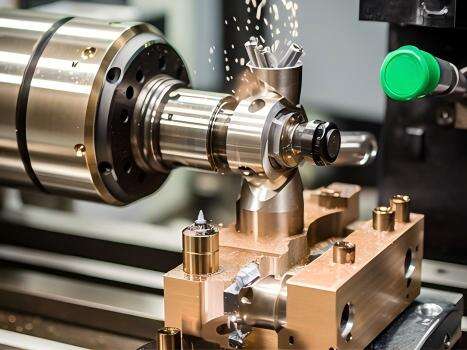
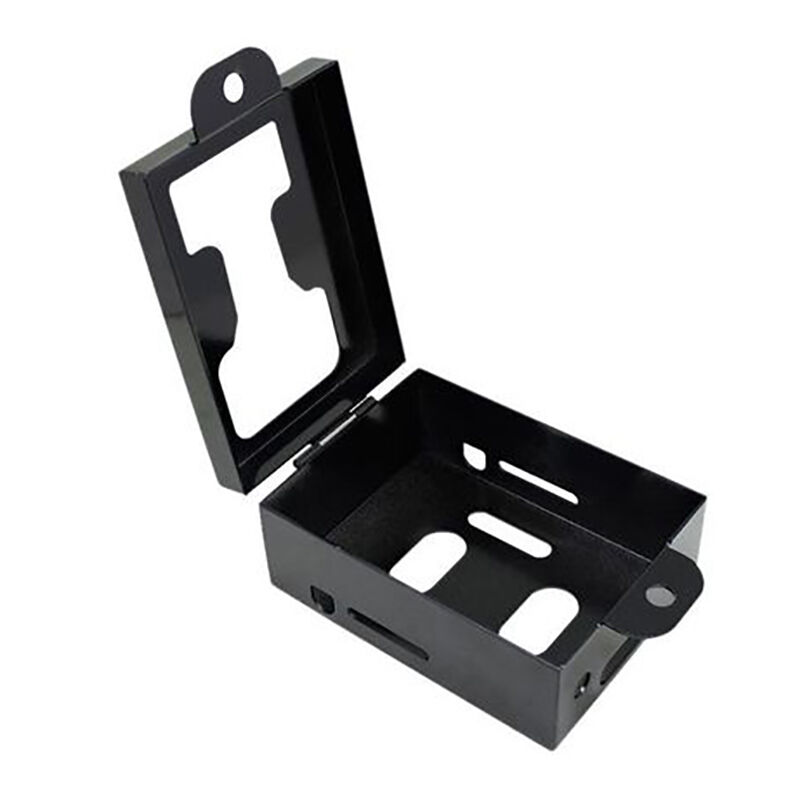
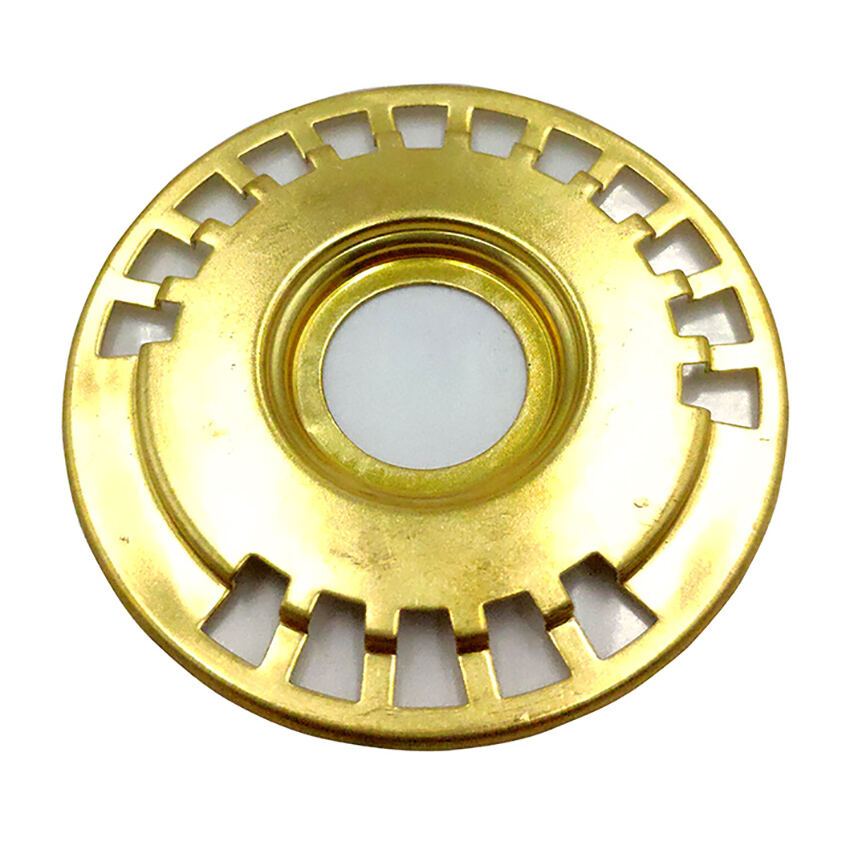
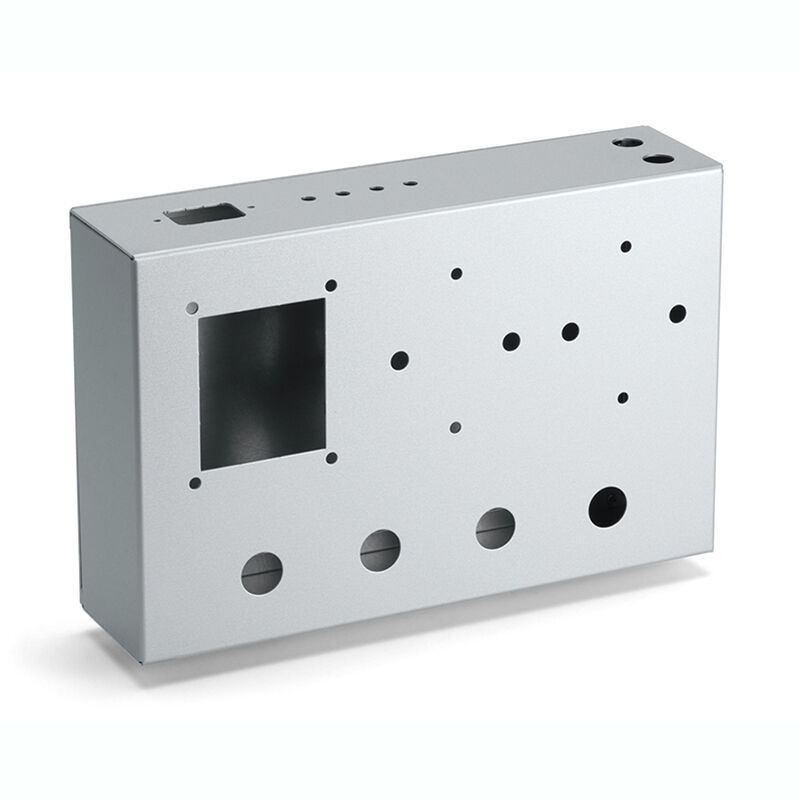
CNC metal fabrication represents a revolutionary approach to manufacturing that combines computer numerical control technology with traditional metalworking processes. This sophisticated method utilizes computer-controlled machines to precisely cut, shape, bend, and assemble metal components according to digital specifications. The core function of CNC metal fabrication involves translating digital designs into physical metal parts through automated machinery that follows programmed instructions with exceptional accuracy. Modern CNC metal fabrication systems incorporate advanced software that converts CAD drawings into machine-readable code, enabling seamless production workflows from concept to completion. The technological foundation of CNC metal fabrication relies on servo motors, linear guides, and feedback systems that ensure consistent positioning and movement control. These machines can work with various metals including aluminum, steel, stainless steel, brass, copper, and titanium, accommodating different thicknesses and material properties. The process encompasses multiple fabrication techniques such as laser cutting, plasma cutting, waterjet cutting, punching, bending, forming, welding, and assembly operations. CNC metal fabrication excels in producing complex geometries that would be challenging or impossible to achieve through manual methods. The technology features real-time monitoring systems that track tool wear, material usage, and production progress, enabling predictive maintenance and quality control. Applications span numerous industries including aerospace, automotive, construction, electronics, medical devices, and architectural metalwork. In aerospace manufacturing, CNC metal fabrication produces precision components for aircraft engines, structural elements, and landing gear systems. Automotive applications include chassis components, engine parts, brackets, and custom fixtures. Construction projects benefit from structural steel fabrication, decorative elements, and building hardware. The electronics industry relies on CNC metal fabrication for heat sinks, enclosures, and electromagnetic shielding components. Medical device manufacturers utilize this technology for surgical instruments, implants, and diagnostic equipment housings. The versatility of CNC metal fabrication extends to prototyping services, allowing engineers and designers to validate concepts before full-scale production.
 EN
EN